
Four months into the war with Iran, and ceasefire negotiations are now dominating every headline and diplomatic corridor. Yet something fundamental is absent from nearly every conversation: the Iranian people themselves — their rights, their voice, their future.
Their plight has been swallowed by geopolitical calculation. The negotiations underway are with an IRGC that is not merely a military force but the effective government of Iran — emboldened, entrenched, and tightening its grip on society, the economy, and daily life with each passing week.
And so the questions surface, in think tanks and dinner tables alike: Are Iranians even ready for democracy? Would they know what to do with it? Perhaps a ceasefire is enough — perhaps “peace” will quench the thirst. These questions are not just uninformed. They are an insult to two centuries of history.
On the eve of Nowruz this year, I wrote the essay below. Its argument is simple but, I believe, necessary: Iran is not a country waiting to discover the idea of freedom. It is a civilization that has been fighting for it — seriously, persistently, at great cost — for nearly two hundred years. That history is not incidental to this moment. It is the point.
I am posting it here in the hope that it finds readers who believe the Iranian people deserve more than a negotiated silence — and that their future belongs in this conversation.
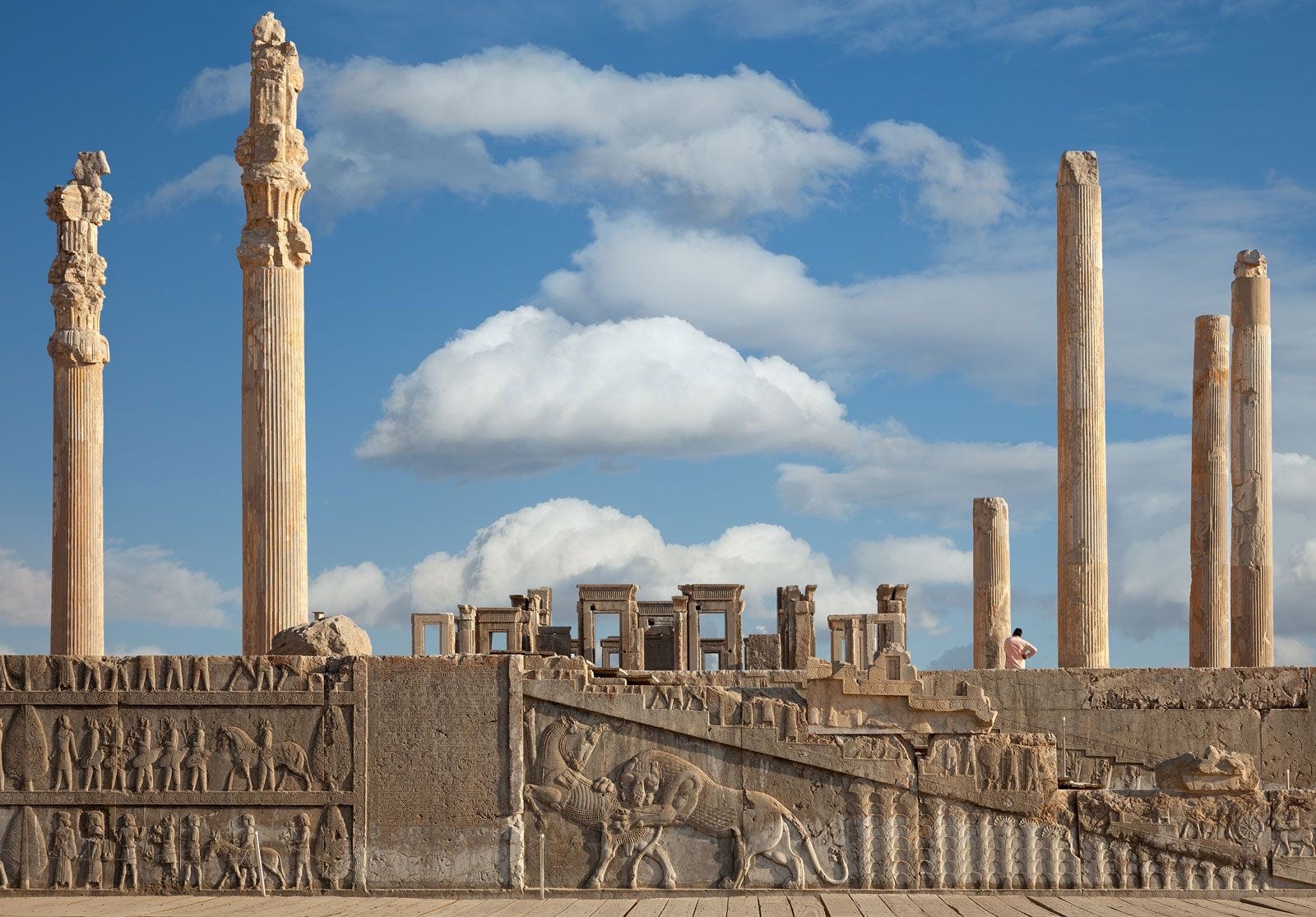
The Arc of Freedom: Iran’s Two-Hundred-Year Struggle for Modernity
Today is Nowruz — the Persian New Year — a celebration of renewal that has endured for more than three thousand years. It is the day when Iranians mark the arrival of spring, the triumph of light over darkness, and the eternal promise of a new beginning. Yet this Nowruz arrives under the shadow of war, as American and Israeli bombs rain on Iranian cities and the regime that has held the Iranian people hostage for forty-seven years teeters on the edge of collapse. In this moment — as tragic as it is potentially transformative — it is worth understanding how we arrived here. The story does not begin in 1979, nor in 1953. It begins two hundred years ago, at the dawn of a century that would set Iran on a long, tortuous, and still-unfinished journey toward freedom.
I. The Darkness Before Dawn
In the early nineteenth century, Iran was a civilization in ruins. The once-mighty Persian empire — heir to the Achaemenids, the Sassanids, the dazzling courts of Isfahan — had been reduced to a state of extraordinary poverty, illiteracy, and decay. The Qajar dynasty, which had consolidated power around the turn of the 19th century after decades of brutal civil war, presided over a nation that bore little resemblance to its glorious past.
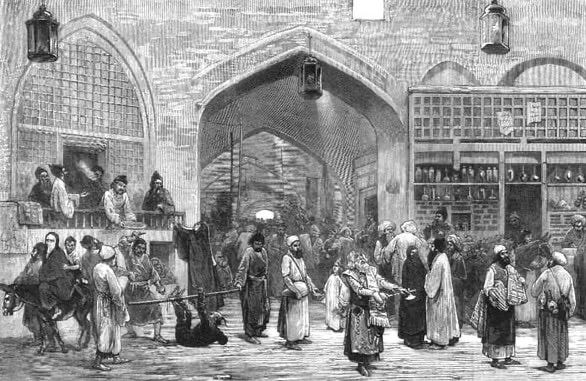
The numbers, such as they were, tell a devastating story. Illiteracy approached ninety-nine percent of the population. The vast majority of Iranians lived in grinding rural poverty, subject to the whims of feudal landowners, tribal chieftains, and a parasitic clerical class that had embedded itself in every facet of society. The infrastructure of the country — its roads, its waterways, its institutions — had decayed to a state of near collapse. While Europe was undergoing its Industrial Revolution and the ideas of the Enlightenment were reshaping the Western world, Iran remained mired in a medieval existence.
The early Qajar kings — Agha Mohammad Khan, the dynasty’s founder, and his successor Fath-Ali Shah — were preoccupied not with reform but with consolidation and survival. The devastating wars with Russia, culminating in the humiliating Treaties of Golestan (1813) and
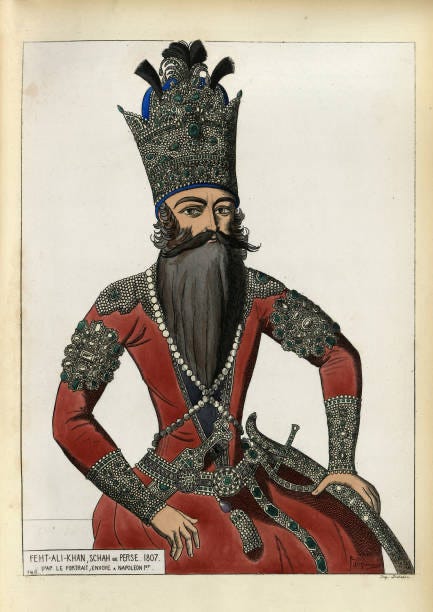
Turkmenchay (1828), stripped Iran of its Caucasian territories and imposed crippling indemnities. The Anglo-Persian war (1856-57) ended with the Treaty of Paris (1857), in which Iran was forced to formally renounce all claims to Herat and Afghan territory. These defeats did more than redraw the map — over the course of a few decades, Iran lost nearly half of its territory to Russian conquest and British coercion. They shattered the already fragile sense of national confidence and exposed the yawning chasm between Iran and the modernizing powers of Europe and Russia.
It was into this darkness that a profound question began to stir — the question that would define two centuries of Iranian thought, and that remains unanswered today: How can Iran reconcile its own civilizational identity with modern science, politics, and institutions?
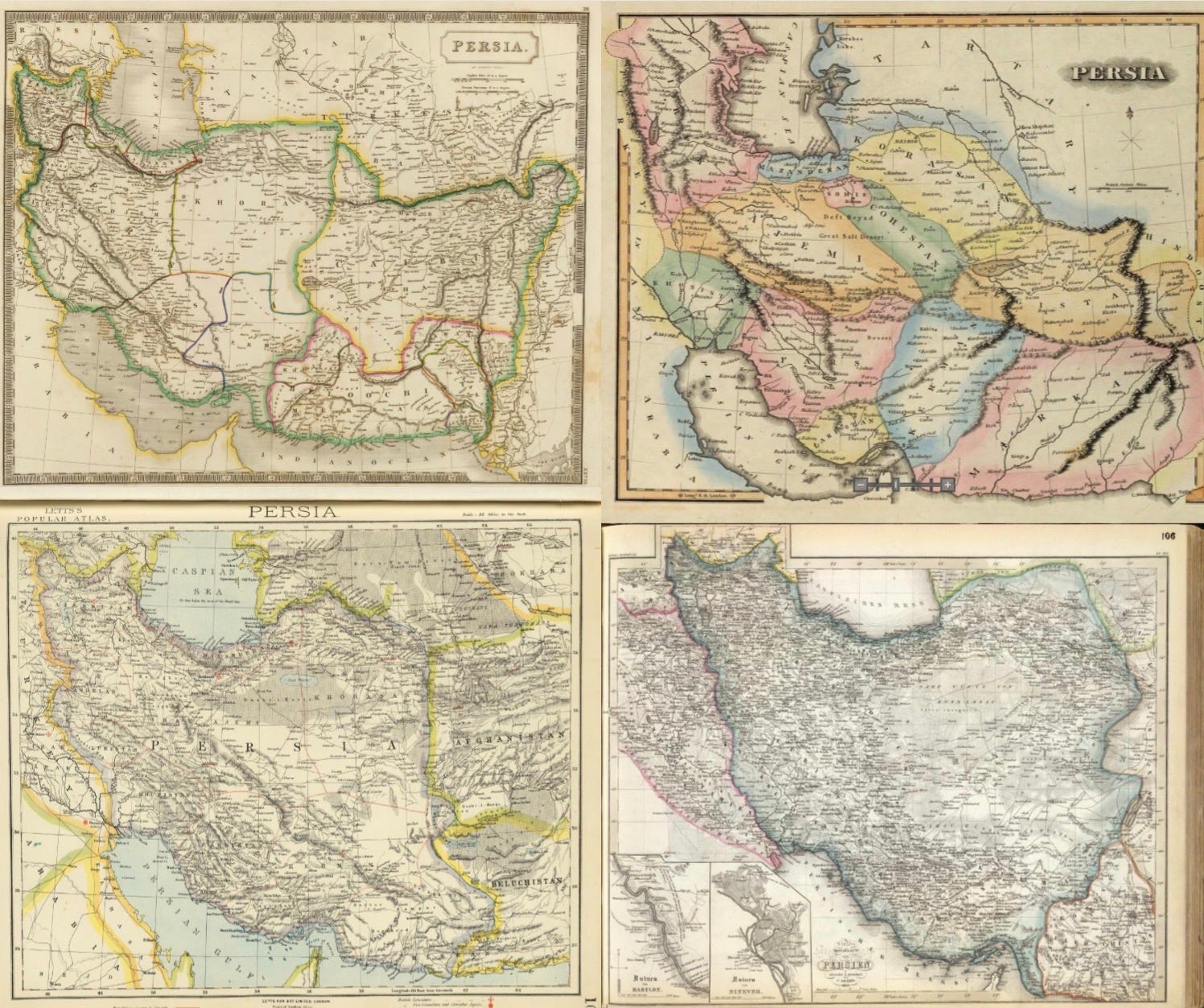
The responses to this question did not come from a single source. They emerged from multiple directions — spiritual movements, secular intellectuals, diaspora reformists, feminist pioneers, statesmen, poets — each offering a different answer, each contributing a thread to a tapestry that is still being woven. The modernity movement in Iran was never a single unified school. It evolved in waves, and understanding those waves is essential to understanding where Iran stands today.
II. The First Stirrings: Spiritual Rupture and Secular Reform
Before Iran could think about modernity in any sustained way, something more fundamental had to shift. The entire edifice of Iranian society rested on a foundation of fixed religious tradition. The Shia clergy held a monopoly not merely over spiritual life but over the interpretation of reality itself. Law, morality, education, social relations — all were governed by a clerical class that claimed exclusive authority to mediate between the human and the divine. In a society structured around the premise that truth was fixed and that only the clergy could interpret it, the very concept of change — progressive, institutional, systemic change — was difficult to think about, let alone enact.
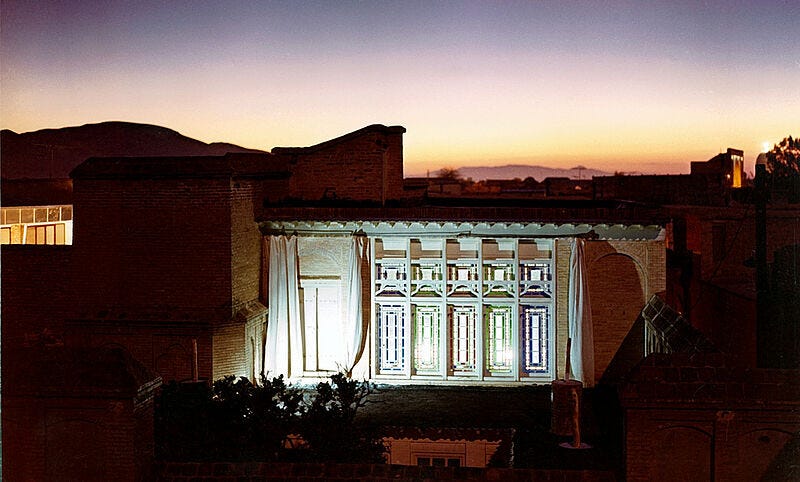
A religious renewal was also brewing. The Shaykhi school, a reformist current within Shia Islam, had cultivated messianic expectations — a sense that the old religious order had exhausted itself and that a new dispensation was at hand. It is in this context that the Bábí movement of the 1840s must be understood. In 1844, a young merchant from Shiraz declared himself to be the Báb —the Gate — challenging the clerical establishment at its root. Whatever one makes of its theological claims, the movement’s intellectual consequences were enormous: it introduced the concept of progressive revelation — the idea that history unfolds, that truth is not frozen in the seventh century, that the structures of the past can and must give way to the requirements of a new era. It created a mobilized, literate, idea-driven community in a society where independent thought was dangerous. And it broke the conceptual monopoly of traditional religious authority in a way that opened space for everything that followed — secular and religious alike.
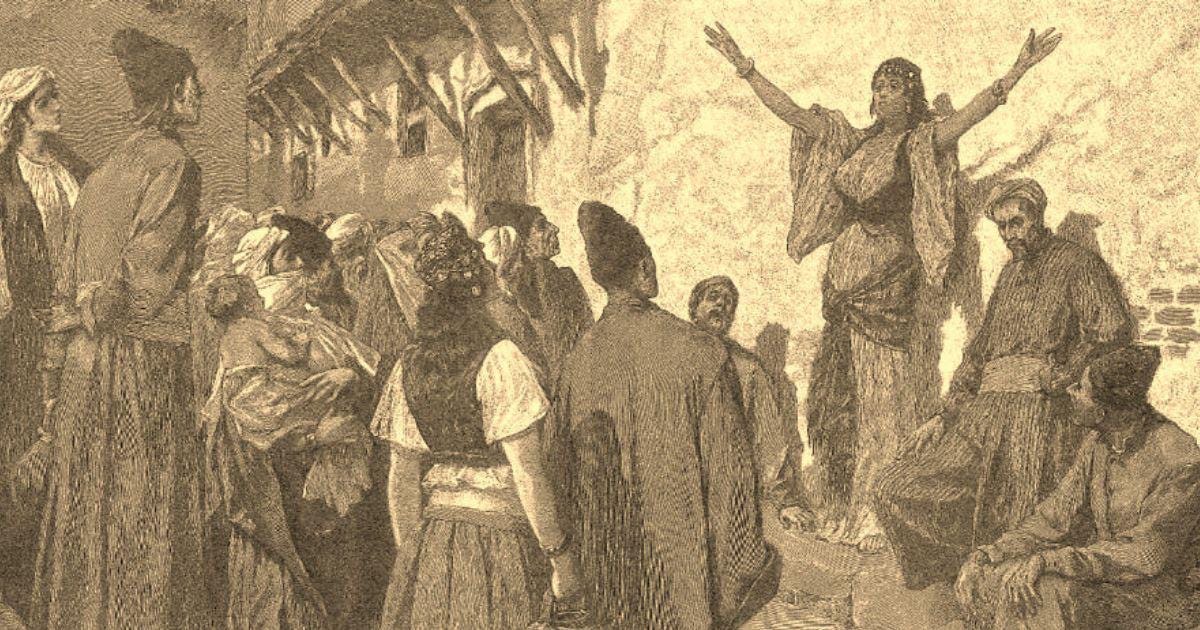
Perhaps the most brilliant fruit of the early Bábí movement was the appearance of a young, erudite and courageous woman: the peerless Tahirih – Qurratu’l-Ayn. Her penetrating poetry and prose established her as one of the most formidable intellects of her age. But it was her courageous act of casting away her veil in public — an unimaginable act at the time — that set in motion the chain of events reaching far beyond her own life. In that single gesture, she planted the seed of women’s emancipation that would define the struggle for the next two centuries and pave the way for some of the most remarkable women in the history of modern Middle East. Her brutal killing by the state, far from silencing the cause, unleashed a movement that gradually gathered momentum and has become a driving force for change in Iran to this day.
It comes as no surprise, therefore, that the Qajar state and the Shia clergy responded to the Bábí movement with overwhelming violence. Tens of thousands of Bábís were killed. The Báb himself was executed in Tabriz in 1850. But the movement’s legacy — widening beyond the confines of Iran even as it deepened into a humanism not yet conceived even in the seemingly enlightened West — broke through its chrysalis into the Bahá’í Faith. This radical new religion which emerged from it, spread rapidly, and found adherents in diverse corners of the world, propagated modern and progressive teachings that stood in sharp contrast to the fundamentalist practices of the Shia clergy. It persisted as one current among many that fed the broader stream of Iranian renewal.
At the same time, a different kind of reformist energy was stirring among Iranians who had encountered the modern world through travel, diplomacy, and education. These early secular modernists looked outward — to Europe, to Russia, to the Ottoman Empire — and began to articulate what Iran lacked and what it needed. Their approach was fundamentally one of importation: bringing modern concepts into Persian discourse and arguing for their adoption.
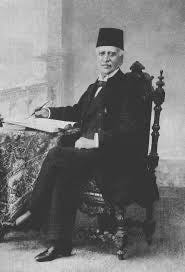
Among the earliest and most influential was Mirza Malkam Khan, an Armenian-Iranian diplomat whose newspaper Qanun — “Law” — published from London in the 1890s, introduced Western political concepts into Persian with extraordinary skill: constitutionalism, the rule of law, administrative reform, the separation of powers. His central insight — that Iran’s backwardness was a matter of institutional failure, not fate — was revolutionary in its time.
Mirza Fath-Ali Akhundzadeh went further, mounting a radical critique of religion and tradition from Tiflis. He promoted secularism, nationalism, and even script reform, and was among the first to frame Iran as a modern nation-state. Mirza Aqa Khan Kermani emphasized pre-Islamic Iranian identity as the foundation for renewal. Mirza Abdul Rahim Talibov wrote accessible texts introducing modern science and political ideas to a broader readership. And Bibi Khanoom Astarabadi, an early feminist intellectual, broke new ground by advocating for women’s education and social equality — anticipating by more than a century the women who would lead Iran’s most consequential modern movement.
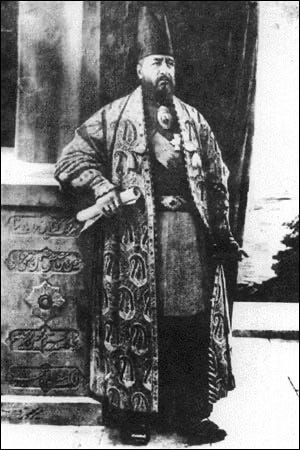
Not all modernization was purely intellectual. Amir Kabir, the remarkable chief minister of Naser al-Din Shah in the mid-nineteenth century, represented the tradition of practical reform from above. His founding of the Dar al-Fonun — Iran’s first modern polytechnic school — in 1851 was an act of institutional creation that planted the seeds of a modern educated class. His reward was assassination at the hands of the very court he had tried to reform.
Among the most sophisticated reform texts of this era was The Secret of Divine Civilization, written in 1875 by ‘Abdu’l-Bahá. Addressed to the rulers and people of Iran, it argued that the country’s renewal required not merely the adoption of Western technology but a fundamental transformation in the moral and intellectual foundations of society — universal education, administrative reform, the rule of law, consultative governance, and the accountability of rulers. What distinguished the text from the work of the secular modernizers was that it grounded these prescriptions not in European models but in an indigenous framework, one that was not only pragmatic but also ethical and philosophical. It advocated for the harmony of science and religion, for rational inquiry over dogmatic authority, and for the education of women as central to national progress. Many of these arguments paralleled European liberal thought but they arose independently, from an entirely different premise — one grounded in a fundamental distinction that is of significant importance for a full understanding of the range of Iranian reformist thinking.
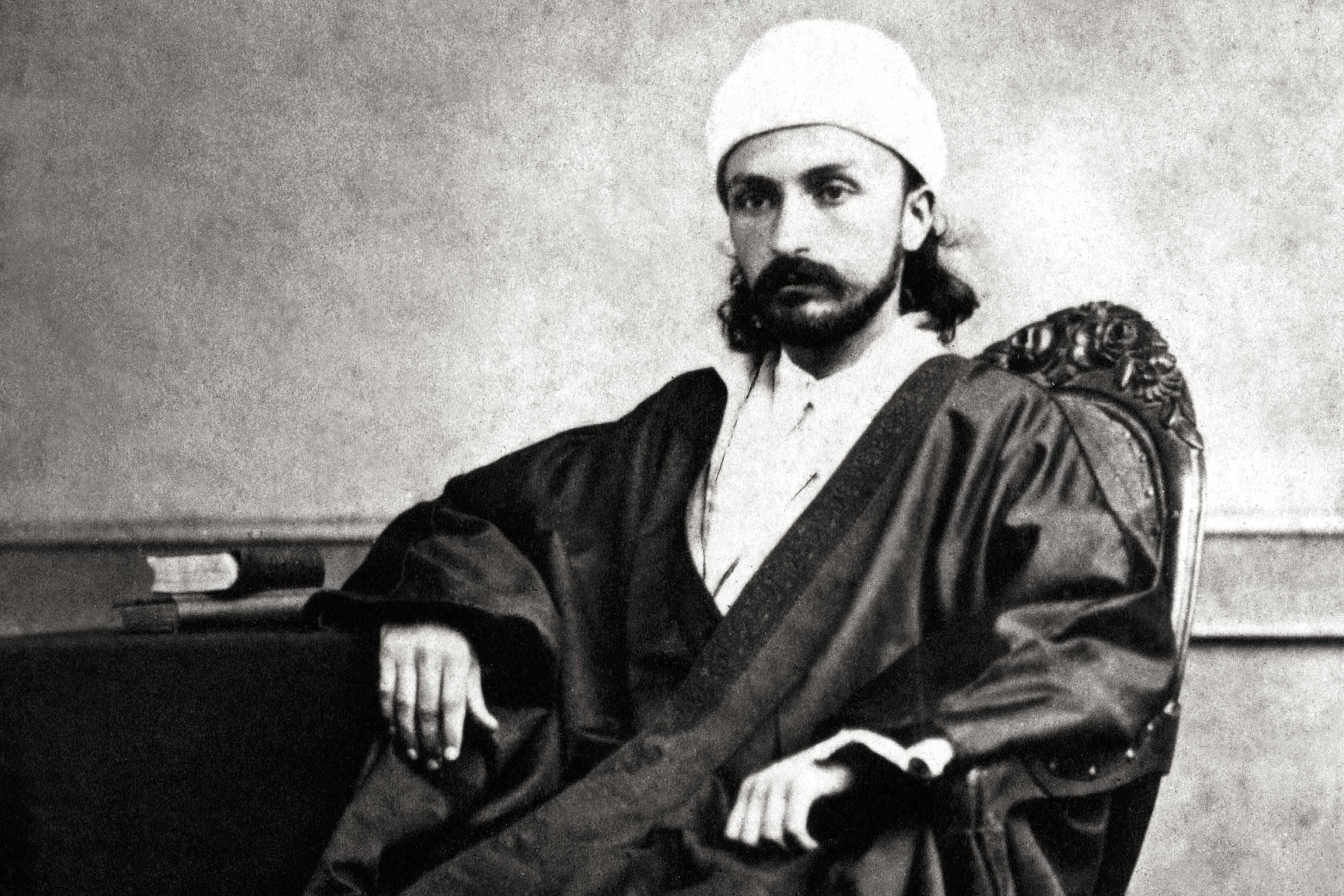
The influence of these spiritual movements, secular reformists, practical modernizers and early feminists, all working together, introduced a new vocabulary into the Persian language and the Iranian imagination: qanun (rule of law), mellat (nation), azadi (liberty), education, progress, reform. They expressed their ideas through essays, newspapers, satire, and poetry, reaching a public that was, for the first time, beginning to imagine a different future. They did not agree on everything — some were radical secularists, others grounded in religious reform, still others pragmatic institution-builders. But they shared the conviction that Iran could not remain as it was.
III. The Constitutional Revolution: Hope and Compromise
In 1905–1906, the accumulated pressure of decades of reform agitation, combined with popular outrage at Qajar misrule and foreign exploitation, erupted in the Constitutional Revolution — Iran’s first serious attempt at democratic self-governance. A broad coalition of merchants, intellectuals, clerics, and ordinary citizens demanded and obtained a constitution and a national parliament, the Majlis.
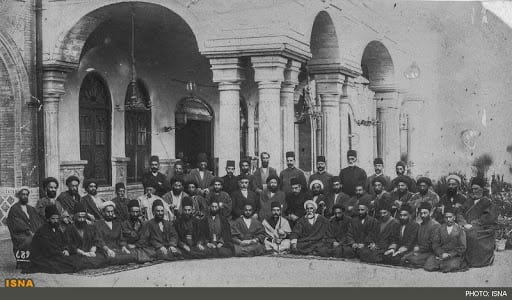
The Constitutional Revolution was a watershed — the first such movement in the entire Middle East and one of the earliest in Asia. Figures like Hassan Taqizadeh, who famously argued that Iran must become “European in every way” (a position he later moderated), embodied the fervent modernizing spirit of the moment. The initial constitutional draft was remarkably progressive, drawing heavily on Belgian and French models. It enshrined principles of popular sovereignty, the separation of powers, and individual rights.
But here, the fundamental tension that would haunt Iran for the next century asserted itself with full force. The clerical establishment, which had initially supported the revolution — primarily out of opposition to the Qajar court and foreign influence — moved quickly to ensure that any new order that was to be introduced would remain within the Islamic framework. The Supplementary Fundamental Laws of 1907 required all legislation to be compatible with Sharia and established a committee of senior clerics with effective veto power over parliament.
This compromise — between the aspirations of the modernizers and the entrenched power of the religious establishment — would prove pivotal. The constitution that emerged was neither fish nor fowl, an uneasy hybrid: modern in form and aspiration but constrained by clerical authority in substance and practice. The tension was never resolved; it was merely deferred, waiting to reassert itself at every subsequent turning point in Iranian history.
IV. Oil, the Pahlavis, and the Institutionalization of Modernity
Iran’s constitutional experiment was already faltering by the time oil was discovered in 1908 at Masjed Soleyman. Almost overnight, Iran became a strategic prize in the great game of imperial rivalry, and the country’s internal politics became inseparable from the interests of foreign powers — first Britain, then the United States.
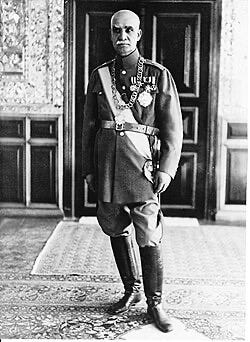
The Qajar dynasty, weakened and discredited, fell in 1925 to Reza Khan, a military officer of humble origins who crowned himself Reza Shah Pahlavi. The country he took charge of was in a state of near-total ruin. What followed was a period of rapid, top-down transformation. Roads were built, railways laid, universities founded, the legal system reformed, and the apparatus of a modern state constructed from almost nothing. Reza Shah forced the secularization of public life, banned the veil, curtailed clerical authority, and attempted to forge a national identity rooted in Iran’s pre-Islamic past. Historians and the public are increasingly crediting him with laying the groundwork for Iran’s modernization on virtually every level.
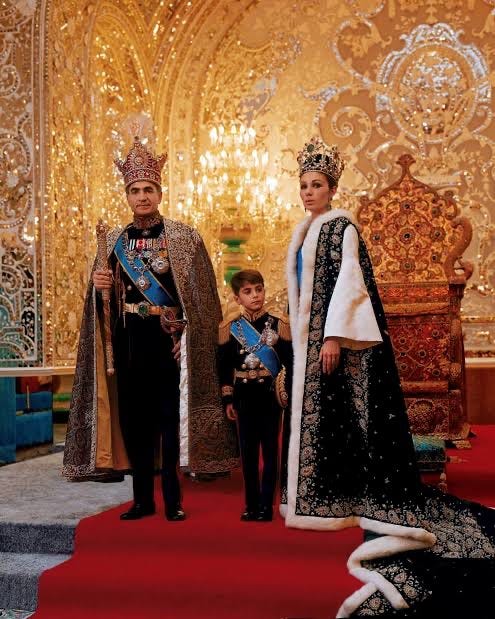
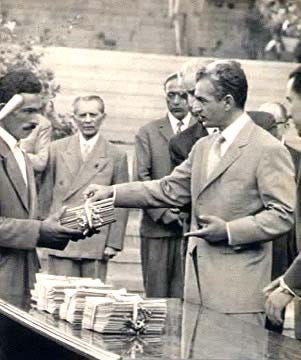
His son, Mohammad Reza Shah, continued this project with the White Revolution of the 1960s — a sweeping program of land reform, women’s suffrage, literacy campaigns, and industrial development that transformed the material conditions of Iranian life within a single generation.
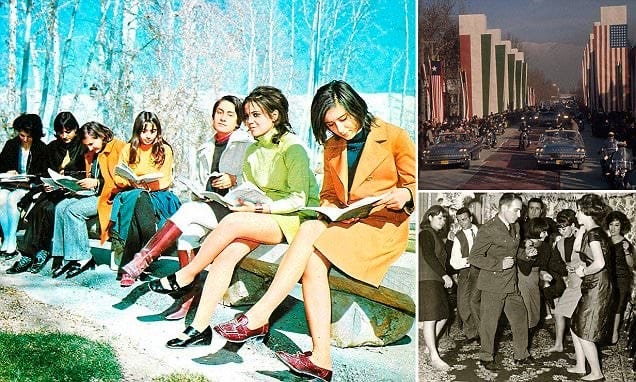
The Pahlavi era represented the institutionalization of modernity — the second phase in the evolution of Iranian modernist thought. Where the first generation had introduced modern ideas, the Pahlavis attempted to build them into the structures of the state. And in material terms and measures, they succeeded: by the 1970s, Iran had a modern army, a growing industrial base, expanding universities, and a rising middle class.
Yet throughout both Pahlavi reigns, the fundamental paradox of Iranian modernization persisted. Modernity was being imposed from above — some would argue out of necessity — but democratic participation and genuine consent of the governed were developing at a much slower pace. The Pahlavis modernized Iran’s infrastructure and economy but not its politics. Dissent was crushed, political parties suppressed, civil society hollowed out. The SAVAK secret police became a byword for repression. Modernization without freedom was, in the end, a contradiction that could not hold. Samuel Huntington had identified the mechanism a decade earlier: when social mobilization outpaces political institutionalization, the gap between them doesn’t close peacefully — it explodes.
Meanwhile, the clerical establishment, though pushed to the margins of public life, had never been dismantled. The first Reza Shah had confronted the clergy directly; his son chose a more accommodating path and that forbearance proved fateful. The clerical class retained its networks, its seminaries, its moral authority among the rural and traditional populations, and — critically — its deep institutional patience and instinct of revenge. The clerics remembered every slight, every forced unveiling, every restriction. And they waited.
V. The Second Wave: Questioning Modernity (1920s–1960s)
As the Pahlavi state built its modern institutions, a second generation of Iranian intellectuals emerged — less concerned with importing modernity than with questioning its cultural consequences. If the first generation asked “How do we become modern?”, the second asked “What does modernity cost us? And who are we, if we are no longer what we were?”
Sadegh Hedayat, the pioneer of modern Persian fiction, gave this crisis of identity its most haunting literary expression. His masterwork The Blind Owl — with its fractured narrative, hallucinatory imagery, and existential despair — became a mirror for a society caught between worlds. Hedayat was critical of both tradition and the shallow imitation of the West; he found home in neither, and his work resonated with a generation that shared his sense of dislocation. His death by suicide in 1951, shortly after the assassination of Prime Minister Ali Razmara by Islamist militants, was a loss from which Iran’s literary culture has never fully recovered.
Ahmad Kasravi — historian, jurist, and fearless critic — occupied an pivotal position in this generation. His advocacy of rationalism, his effort to purify Persian culture of what he saw as layers of superstition, and his insistence that Iran could not modernize without directly confronting the shibboleths and sacred cows of Shia tradition earned him the undying hatred of the clergy.
Kasravi was assassinated in 1946 by Islamic extremists. Ayatollah Khomeini and other prominent clerics praised the killing. The response from the broader intellectual class was near silence — a chilling harbinger of the isolation that would befall secular voices in Iran for decades to come.
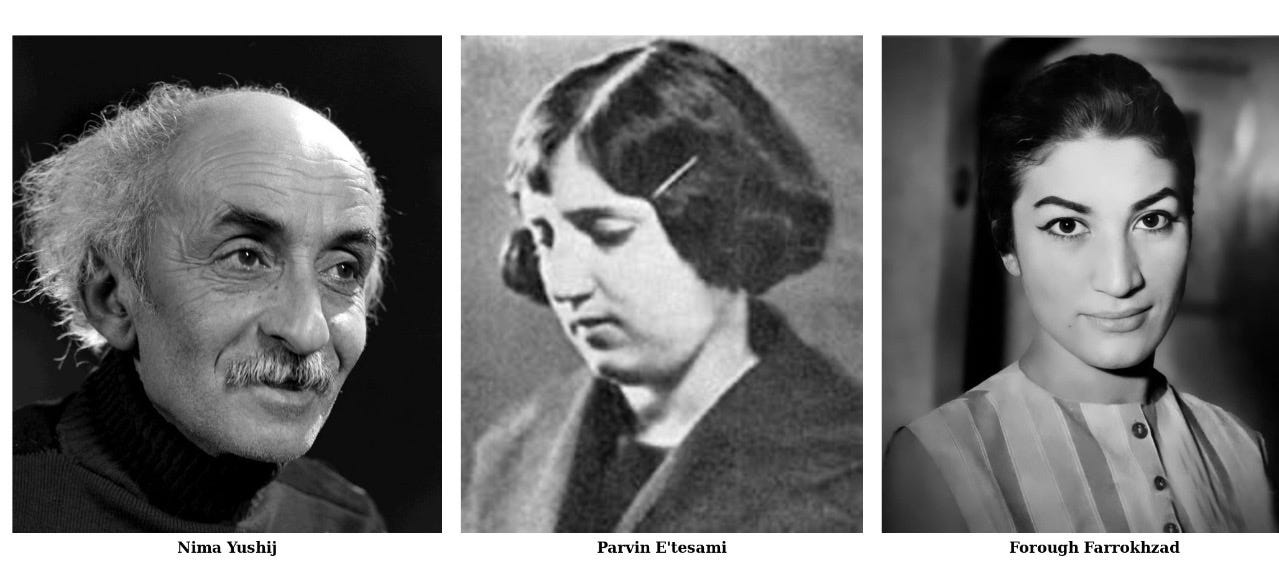
Yet even as political violence closed some doors, a remarkable wave of poets and intellectuals — both men and women — was emerging. Other doors were opening. Parvin Etesami brought modern social consciousness to classical Persian verse, writing with fierce clarity about justice, women’s rights, and the failures of Iranian society. Nima Yoshij went further, breaking the classical forms themselves and founding modern Persian poetry. And Forough Farrokhzad shattered every remaining convention — poetic, social, gendered — with a voice of such raw honesty and power that it still reverberates today. Together, with others of their generation, they demonstrated that Iranian culture could be remade from within, that modernity could find expression in indigenous terms.
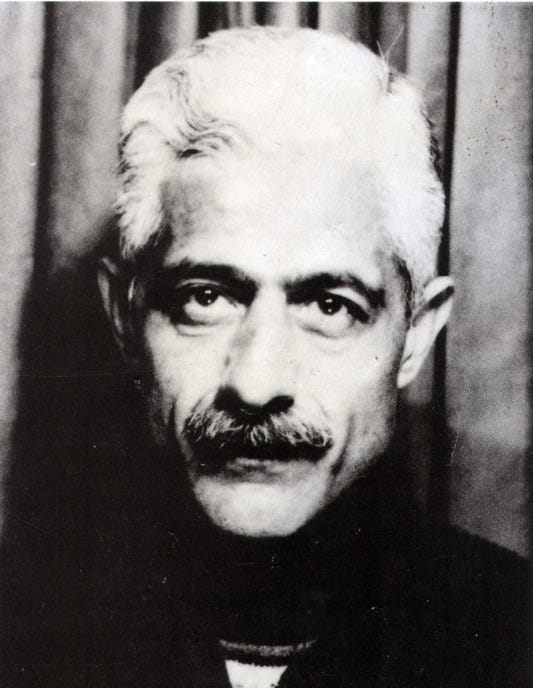
And then there was Jalal Al-e Ahmad, whose 1962 essay Gharbzadegi — “Westoxification” — became one of the most influential texts of twentieth-century Iran. Al-e Ahmad’s argument was not that modernity was wrong but that Iran’s version of it was a fraud — a superficial imitation of Western forms that left Iranians alienated from their own identity without absorbing the substance of modern thought. He sought an authentic Iranian path to modernity, rooted in the country’s own traditions. His critique resonated deeply, but it also — in ways he may not have fully anticipated — opened intellectual space for those who would later claim that Islam itself was the authentic alternative to Western modernity.
The core themes of this second wave — the identity crisis between East and West, the tension between authenticity and imitation, the lived experience of cultural alienation — were not merely academic. They were the daily reality of millions of Iranians caught between the traditional world of their parents and the modernizing ambitions of the state. And they set the stage for a third wave that would turn the modernity debate into a revolutionary one.
VI. 1953: The Wound That Would Not Heal
Before we reach the revolution, we must reckon with 1953 — the hinge event that bent the arc of Iranian history toward tragedy.
In that year, the CIA and British intelligence orchestrated the overthrow of Mohammad Mossadegh, Iran’s democratically elected prime minister — elected, that is, within the narrow definition of democratic elections that the constitution allowed — who had dared to nationalize the country’s oil industry. The coup restored the Shah to power and set in motion a chain of consequences that reverberates to this day.
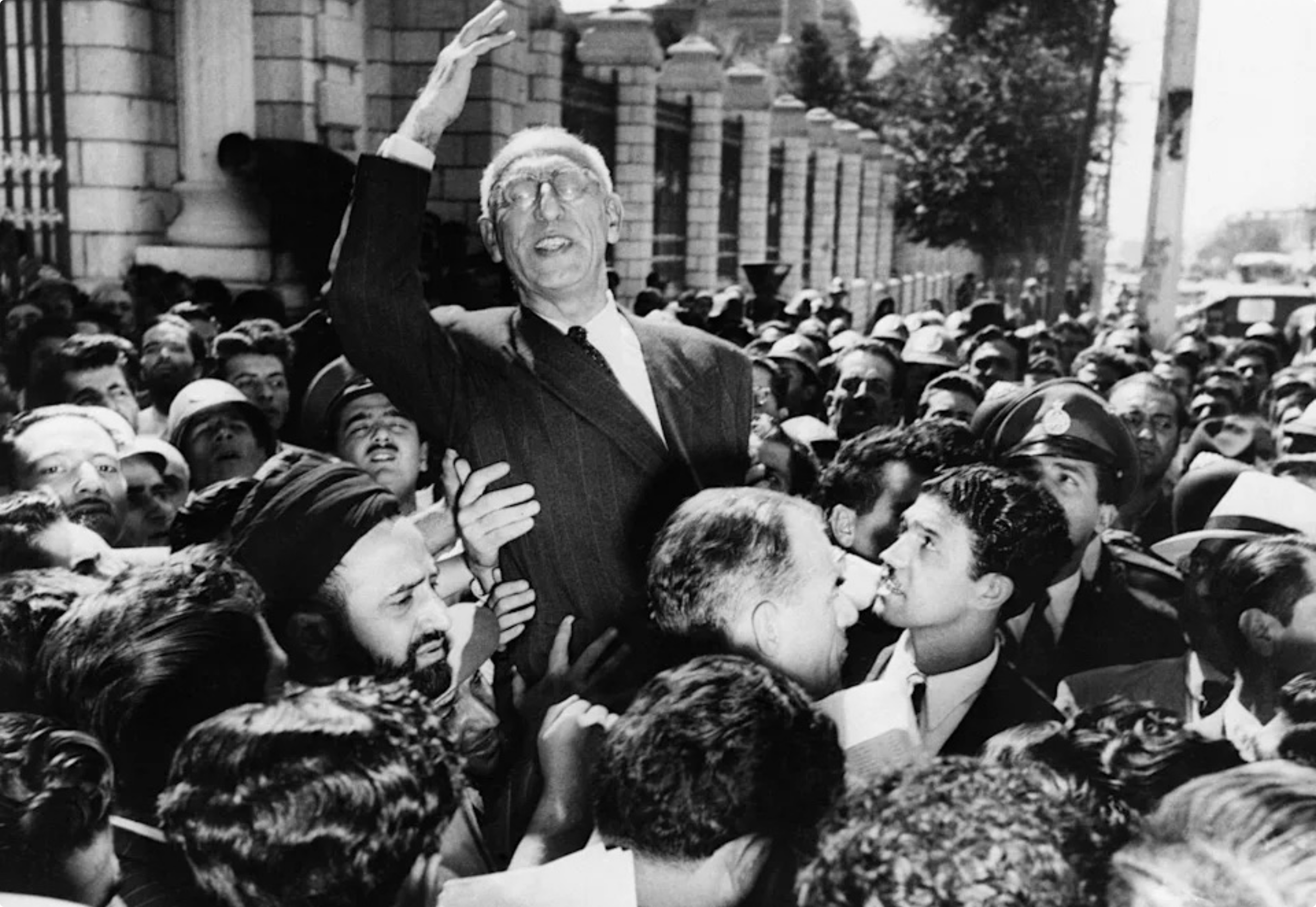
Mohammad Mossadegh — popular, controversial and consequential Prime Minister who was deposed in the 1953 coup
The 1953 coup was more than a political event; it was a psychological trauma that shaped the Iranian consciousness in ways that outsiders have never fully grasped. It demonstrated to Iranians that their aspirations for democratic self-governance could be crushed at will by foreign powers. It discredited the secular nationalists who had been Mossadegh’s base of support. And it left the clerical establishment as the only organized force in Iranian society not directly compromised by association with the Shah’s regime.
The mosque became the only space where dissent could be expressed, opposition organized, and an alternative vision of society articulated. This was not because most Iranians wanted a theocratic state. It was because it was the only significant remaining avenue for political expression.
VII. The Third Wave: Politicizing Modernity (1950s–1979)
The third generation of Iran’s modernist thinkers did not merely debate ideas; they forged ideologies — and those ideologies would light the fuse of revolution.
No figure looms larger than Ali Shariati, perhaps the most influential pre-revolutionary intellectual in modern Iranian history. A sociologist trained at the Sorbonne, Shariati accomplished something no Iranian thinker before him had managed: he fused Islam with existentialism, Marxism, and anti-colonial thought into a revolutionary ideology that electrified a generation. His Islam was not the quietist, ritualistic faith of the traditional clergy; it was a radical call to action, a theology of liberation that cast Shia Islam as an ideology of social justice and resistance to oppression. His lectures at the Hosseiniyeh Ershad in Tehran drew thousands and were reproduced in the millions.
Shariati’s brilliance was also, in retrospect, his tragedy. By clothing revolutionary politics in religious language, he made the mosque the natural locus of political opposition — and inadvertently helped create the conditions for the clerical takeover that he himself would almost certainly have opposed. Although in some way he was the midwife of the revolution, he died before it took place, in 1977, under mysterious circumstances, and never had to confront the regime his ideas had helped to bring into the the world.
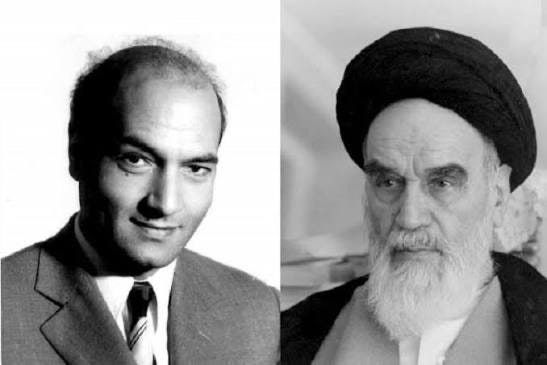
On the opposite end of the ideological spectrum stood Ehsan Tabari, the chief theorist of the Tudeh Party, who promoted a Marxist interpretation of modernization. For the Iranian left, the path to modernity ran through class struggle and socialist revolution. Their influence among students and intellectuals was considerable, but they were ultimately outmaneuvered by the Islamists and the Tudeh was crushed by the very regime it had briefly supported.
This third wave politicized modernity in ways that proved fateful. The contest was Islam versus Marxism, theocracy versus liberalism, a cultural revolution played out against the backdrop of anti-imperialism and Cold War geopolitics. The question was no longer whether Iran should be modern, but whose version of modernity would triumph. The answer, when it came in 1979, was not one that any of the modernizers had intended.
VIII. 1979: The Theocratic Turn
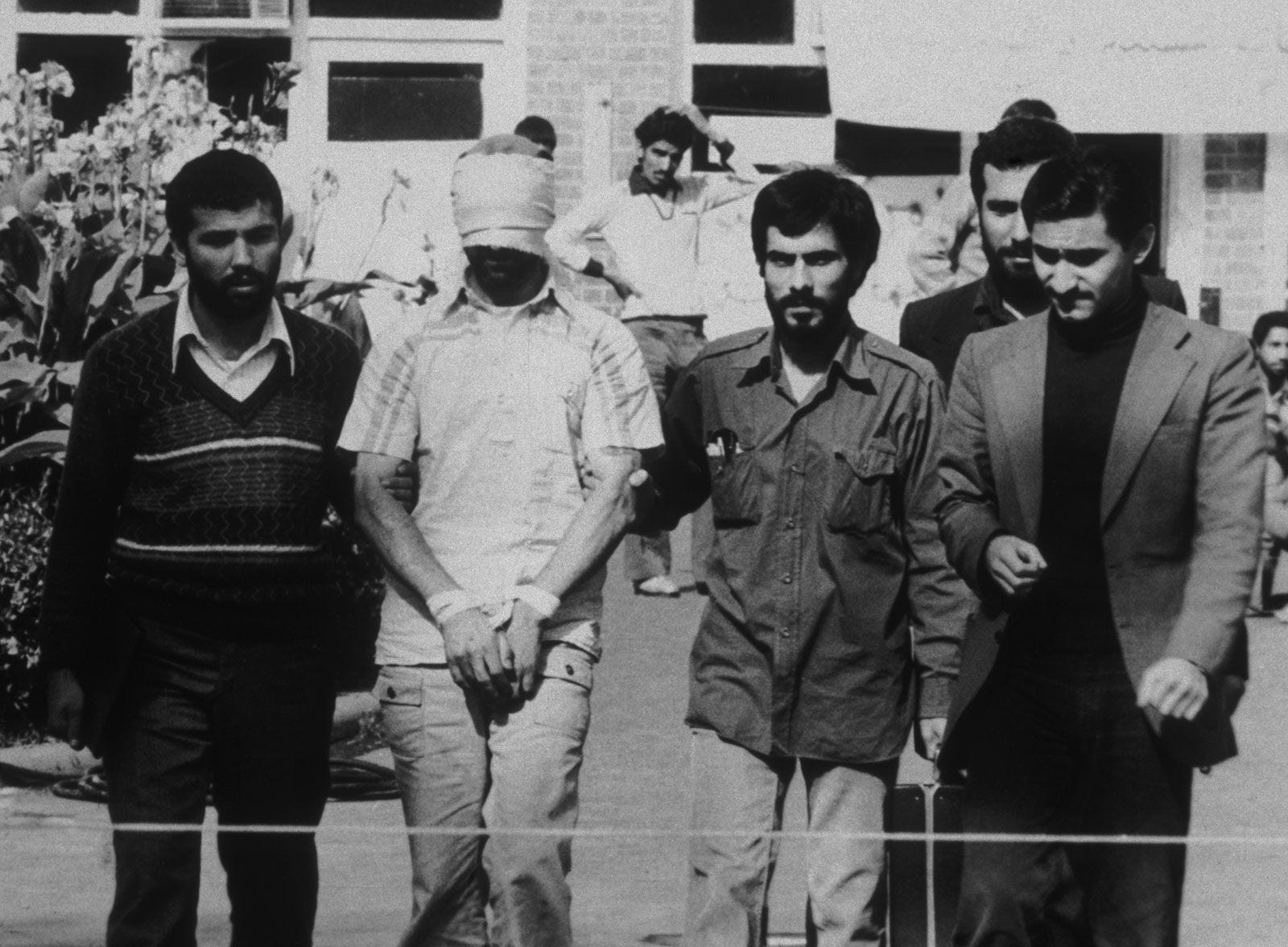
When the revolution came, it was a genuine popular uprising — millions of Iranians from every stratum of society took to the streets to demand the end of the Pahlavi dynasty. Although the role of the foreign powers in enabling the revolution is undeniable, there was clear local support for the movement. The
revolution was not, in its origins, an Islamic revolution. It was a revolution against authoritarianism, against foreign domination, against a political system that had delivered modernization without freedom.
But the clerics, led by Ayatollah Ruhollah Khomeini, were the best organized, the most disciplined, and the most ruthless of the revolutionary factions. Their grassroots efforts allowed them to outmaneuver and eliminate the liberals, the nationalists, the leftists, and every other group that had contributed to the revolution’s success. The Islamic Republic was established, and Iran embarked on an experiment in theocratic governance unprecedented in the modern world.
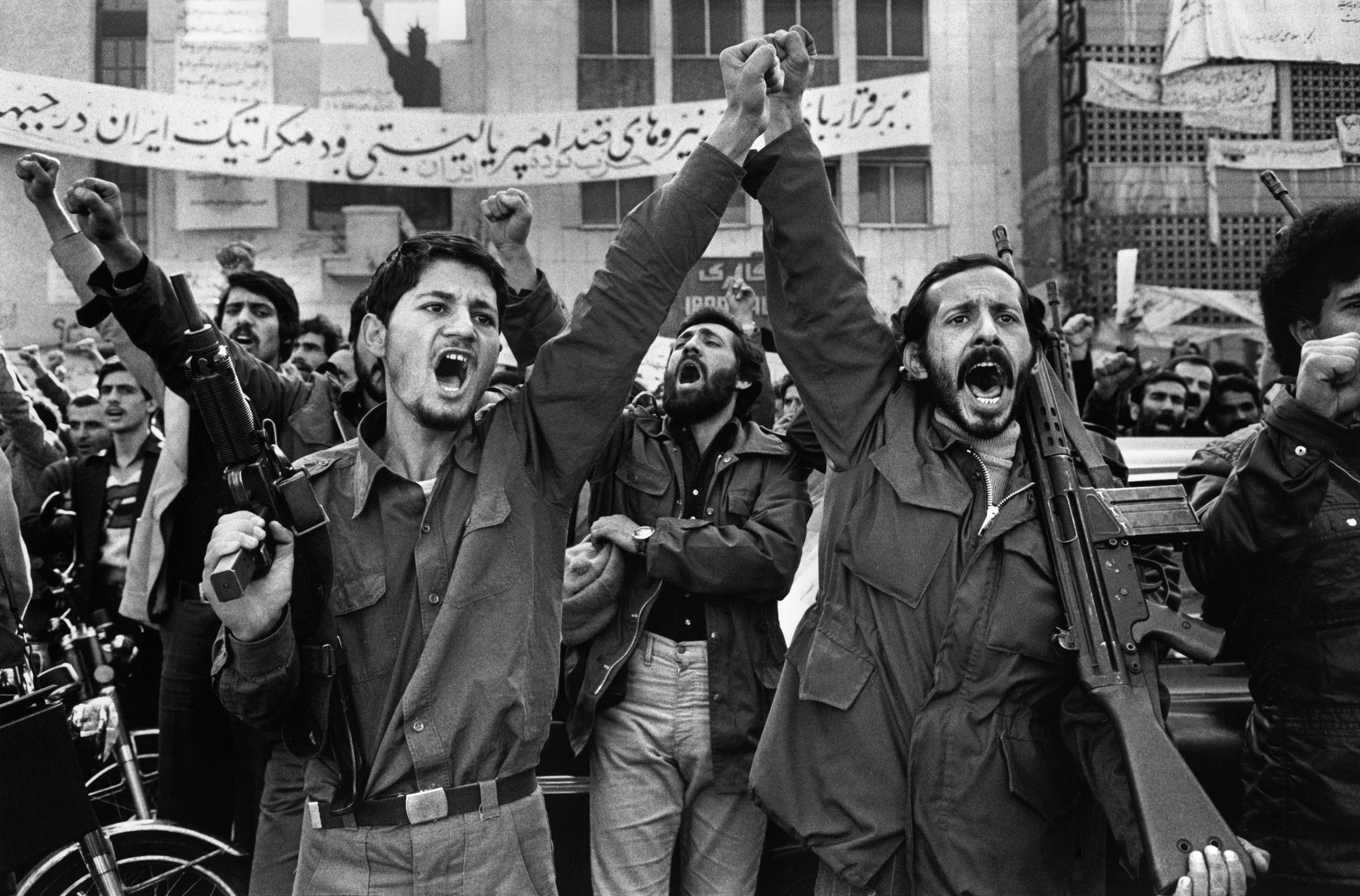
What followed was not merely political consolidation — it was systematic extermination. The left had been indispensable to the revolution: the Tudeh Party, the Fedayeen, the Mojahedin-e-Khalq had organized, agitated, and bled for it. Shariati’s Islamic socialism had given the uprising much of its intellectual energy. They believed, with the characteristic optimism of revolutionaries, that they were partners in a shared project. They were not. Within three years, Khomeini had turned the apparatus of the new state against every left-wing faction that had helped bring it into existence. The Tudeh was crushed, its leaders forced to televised confessions before being executed or imprisoned. The Mojahedin were hunted across the country. In the summer of 1988, in one of the twentieth century’s least-examined mass atrocities, thousands of political prisoners — the majority from the left — were executed in a matter of weeks on Khomeini’s direct order. The betrayal was not incidental. It was doctrinal. In a system that claimed divine sanction, no competing ideology could be tolerated — and those who had been useful were, by that logic, the most dangerous of all.
There is a powerful argument — articulated by various Iranian thinkers across generations, including Kasravi who paid for his secular convictions with his life — that Iran needed to pass through this experience. That after centuries of clerical influence and the intertwining of religious and political authority, the Iranian people needed to see, firsthand and at full scale, what rule by the clergy actually meant. That they owed the theocrats one government, and that the theocrats would deliver a lesson more powerful than any intellectual argument ever could.
If that was the wager, it has been paid in full — and the price has been staggering.
IX. The Fourth Wave: Reinterpreting Modernity After the Revolution
The revolution did not end the modernity debate; it transformed it. A fourth wave of Iranian intellectuals, writing in the shadow of theocratic rule, turned to philosophy — attempting, with a new urgency, to reconcile tradition and modern thought. There were arguments for pluralism, for the separation of religious authority from political power, and for the legitimacy of democratic governance — made in religious language that the regime found deeply threatening. There were also traditionalist philosophers who rejected secular modernity wholesale, arguing that the Western project was spiritually bankrupt and that Iran’s salvation lay in a return to the perennial truths of sacred tradition.
Other thinkers explored the hybrid identity of societies caught between civilizations — neither fully traditional nor fully modern — arguing that this in-between space was not a pathology but a creative condition.
These post-revolutionary thinkers mapped the four competing visions that had been present in Iranian modernity from the beginning — now sharpened by the lived experience of theocratic rule. The westernizing modernists, the nationalist modernists, the critical anti-Western thinkers, and the religious reformers were all still present, but the terms of the debate had shifted decisively. The question was no longer abstract. Forty-seven years of Islamic governance had turned it into a matter of life and death.
X. Forty-Seven Years: The Education of a Nation
For nearly half a century, the people of Iran have lived under clerical rule. They have seen what happens when religion is fused with political power. They have experienced the corruption, the incompetence, the brutality, the hypocrisy, and the suffocating repression that follow when a self-appointed religious elite claims divine authority to govern.
They have watched as the clerics enriched themselves while the economy collapsed. They have seen their daughters dragged off the streets and beaten — and sometimes killed — for the crime of showing their hair. They have buried their sons in prisons and unmarked graves. They have endured sanctions, isolation, and the systematic destruction of their country’s potential — all in the name of a revolutionary ideology that has delivered nothing but misery.
And through it all, the Iranian people — educated, sophisticated, proud heirs to one of the world’s great civilizations — have never stopped demanding their freedom.
The Green Movement of 2009. The protests of 2017–2018. The massive nationwide protests of late 2019. And then, in September 2022, the murder of Mahsa Amini — a twenty-two-year-old woman from Kurdistan, killed by the morality police for the sin of allowing too much of her hair to be seen — ignited the Woman, Life, Freedom movement. Mahsa represented something that transcended her own story: the anger, the frustration, and the accumulated yearning of an entire nation. The movement she unwittingly catalyzed was different from everything that came before. It was led by women. It was explicitly secular. It did not seek reform within the system; it rejected the system itself.
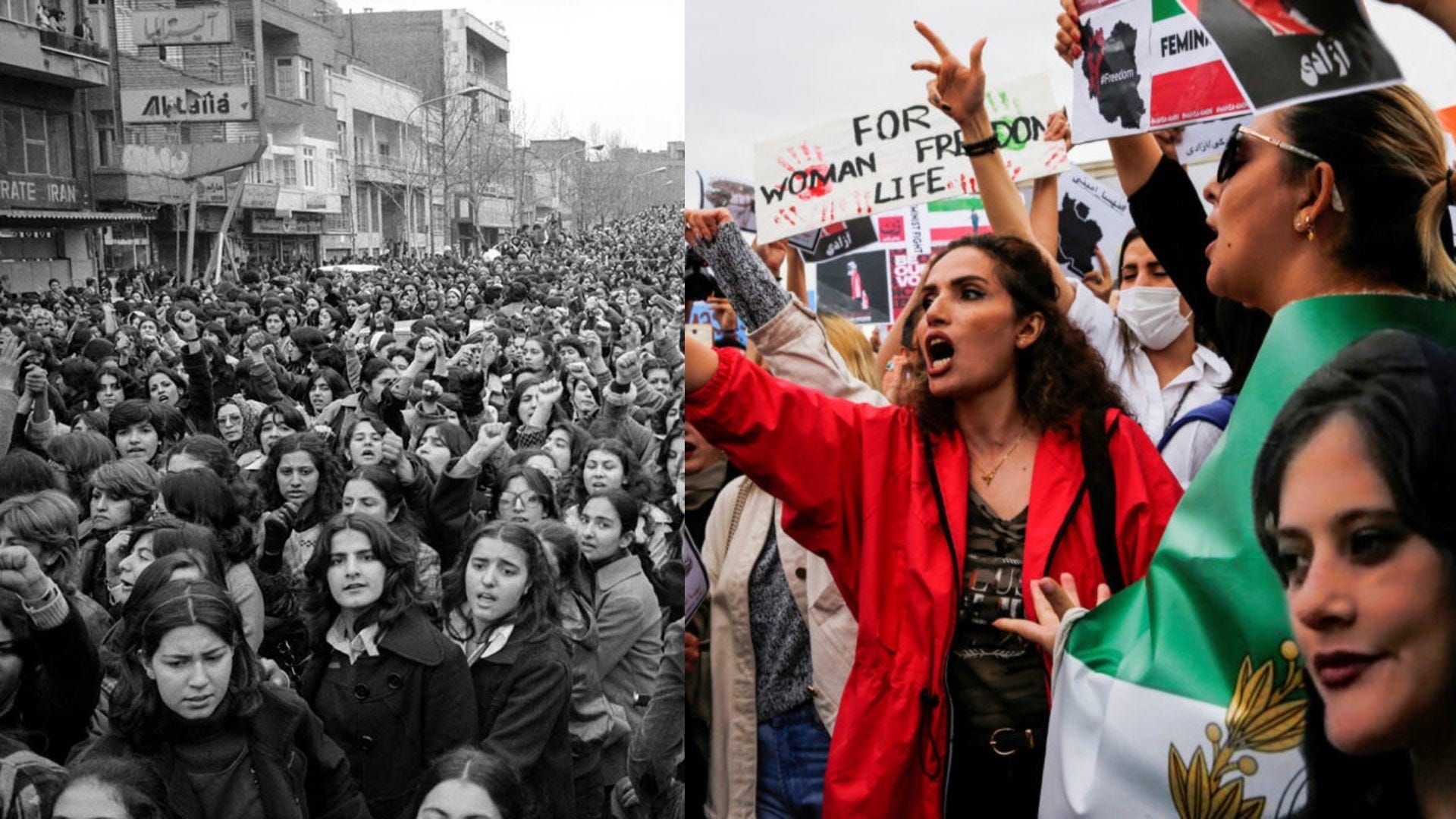
And then, in late December 2025, the largest protests since the revolution erupted across all thirty-one provinces, driven by economic despair and an unmistakable demand: the end of the Islamic Republic. The regime’s response, in early January 2026, was a massive and brutal crackdown that claimed the lives of thousands of Iranians in a matter of days — a watershed moment not only for Iran but for the conscience of the watching world.
XI. The Paradox of Secular Iran
Here lies one of the great ironies of modern history. Iran, governed by the most rigid theocratic regime in the world, has produced one of the most secular societies in the Middle East — perhaps the most secular.
Polls by organizations such as GAMAAN have consistently shown that the overwhelming majority of Iranians — upward of eighty percent — favor a secular state. Religious observance has plummeted. Mosque attendance has collapsed. Naming practices have shifted dramatically from Arabic-Islamic names toward pre-Islamic Persian ones. Young Iranians, who make up the majority of the population, have rejected not merely the Islamic Republic but the very premise that religion should have a role in governance.
Recent research, including studies from Stanford’s Iranian Studies program, documents what amounts to a paradigm shift. Earlier protest movements used reformist and religious rhetoric within the Islamic Republic’s framework. Recent protests are openly anti-clerical and secular. The shift is visible not just in slogans but in everyday life — in how people name their children, how they speak about religion in private, how they imagine their future. For centuries, the clerical establishment controlled the most intimate moments of Iranian life: birth, naming, marriage, death. That hold has been broken, not by intellectuals or armies, but by the lived experience of an entire generation.
This is the lesson that forty-seven years of theocracy has taught. The regime itself — through its corruption, its incompetence, its cruelty — has done more to advance the cause of secularism in Iran than any intellectual or reformist movement ever could. The mullahs have proven, more conclusively than any of them could have imagined, what generations of modernist thinkers had argued.
Looking back across two centuries, a simple but powerful pattern emerges in how Iran engaged with modernity: the nineteenth century was about importing it; the early twentieth about institutionalizing it; the mid-twentieth about questioning it; and the late twentieth about reinterpreting it. What the Iranian people are doing now is something different. They are not importing, institutionalizing, questioning, or reinterpreting modernity. They are claiming it — on their own terms, forged in their own suffering, with a clarity of purpose that no amount of repression has been able to extinguish.
XII. Nowruz 2026: The Inflection Point
Today, as I write these words, Iran is at war. The Supreme Leader is dead, killed in the American and Israeli strikes that began on February 28. The regime’s military infrastructure has been devastated. The economy, already crippled by decades of sanctions and mismanagement, is in freefall. More than fourteen hundred people have been killed. Over two hundred of them are children. The war has spread across the region — to Lebanon, to Iraq, to the Gulf states. Oil prices have spiked. Shipping through the Strait of Hormuz has ground to a halt. The world is watching, and much of it is looking away.
It is too early to know how this chapter ends. War brings suffering, chaos, and consequences that no one can predict. The Iranian people — who did not start this war and did not choose it — are paying an unconscionable price, as they have paid for two centuries of great power interference in their affairs.
But here is what two hundred years of history tells us, and what I believe with the conviction of someone who has spent a lifetime studying this civilization and its people: the arc of Iranian history bends, however slowly and painfully, toward freedom.
The yearning that stirred in the 1840s — for justice, for equality, for the dignity of every human being — has never been extinguished. These ideas have only grown stronger with each generation, with each setback, with each betrayal.
The Iranian people have now learned, through the most painful possible education, what the mixing of religion and politics produces. They have paid the price that some said had to be paid. And they have arrived at a clarity of purpose that no amount of bombing, no amount of repression, and no amount of external manipulation can shake.
What they want is what they have always wanted, from the very first stirrings of modern Iranian consciousness two hundred years ago: to be free. To govern themselves. To build a society worthy of their civilization’s magnificent past and their children’s limitless future. To take their rightful place among the nations of the world — not as a theocratic pariah, not as a playground for foreign powers, but as a sovereign, democratic, secular nation, at peace with itself and with the world.
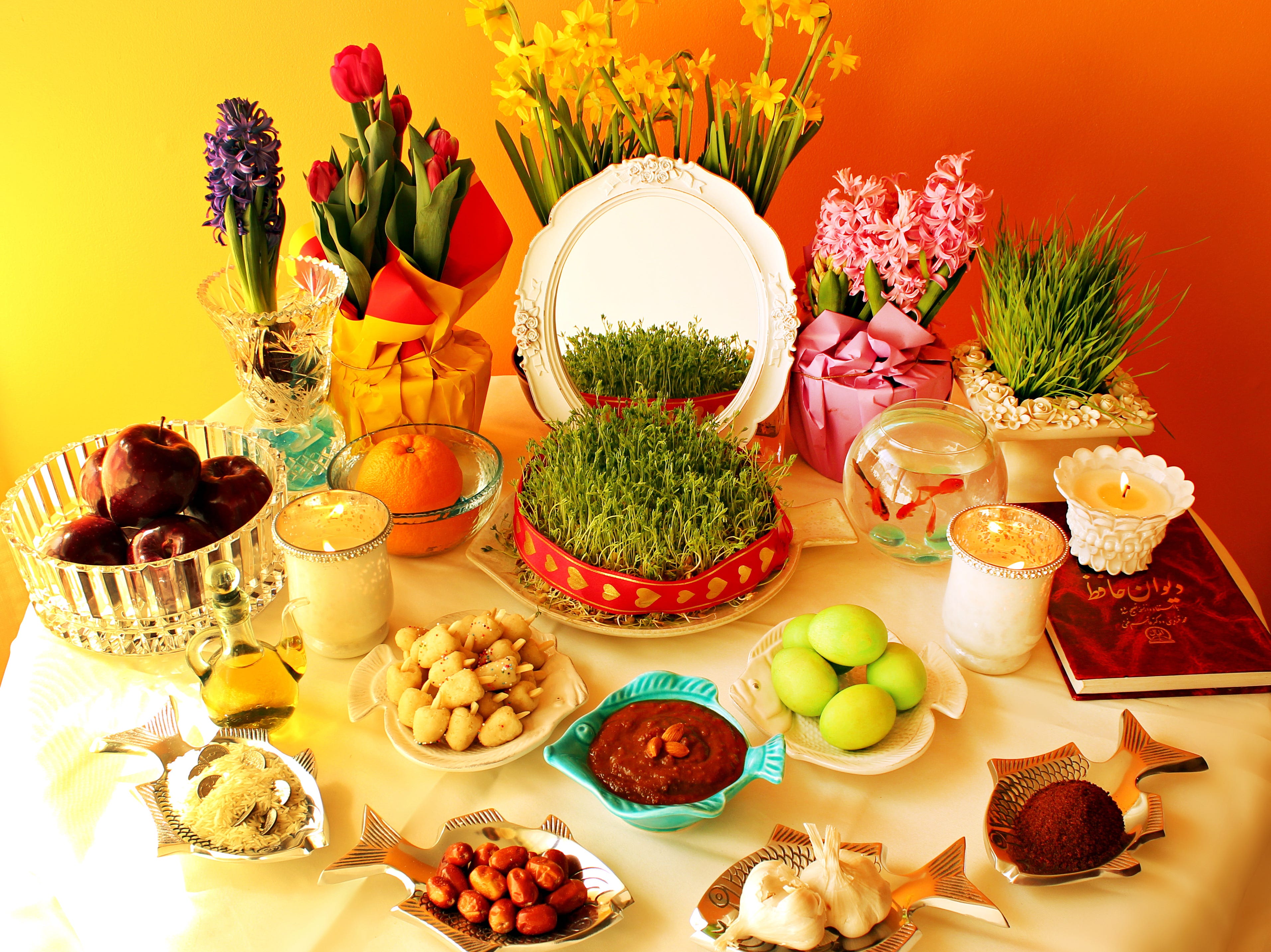
Iranian Nowruz New Year spread symbolizes life, hope and freedom
This Nowruz, amid the rubble and the grief, that dream endures. Spring returns. Light triumphs over darkness. And Iran’s two-hundred-year journey toward freedom continues.
Shane Tedjarati is the Founder, Chairman and CEO of the Tribridge Group. He is a Henry Crown Fellow of the Aspen Institute and co-founder of its Middle East Leadership Initiative and China Fellowship Program. He writes on geopolitics, leadership, and civilization at stedjarati.medium.com.
No posts
Comments
Nothing yet. Say the first thing.
Sign in to join the conversation.