
Imagine running a business without a phone. Customers wouldn’t be able to call, teams couldn’t talk easily, and everything would feel slow. That’s why having a good phone system is super important—it keeps businesses running smoothly!

A long time ago, businesses had operators who physically connected calls. Then, private branch exchange (PBX) systems let companies handle calls internally without needing a switchboard. Later, digital technology brought VoIP (internet-based calling) and cloud-based phone systems, making everything cheaper, faster, and more flexible.

Uses traditional phone lines (not the internet).
Works even during internet or power outages.
Super reliable but expensive and outdated.
Not great for remote work or big teams.

Uses the internet to make calls instead of phone lines.
Cheaper than landlines and has cool features like voicemail-to-email.
Works on computers, phones, and tablets.
Needs a strong internet connection to work well.
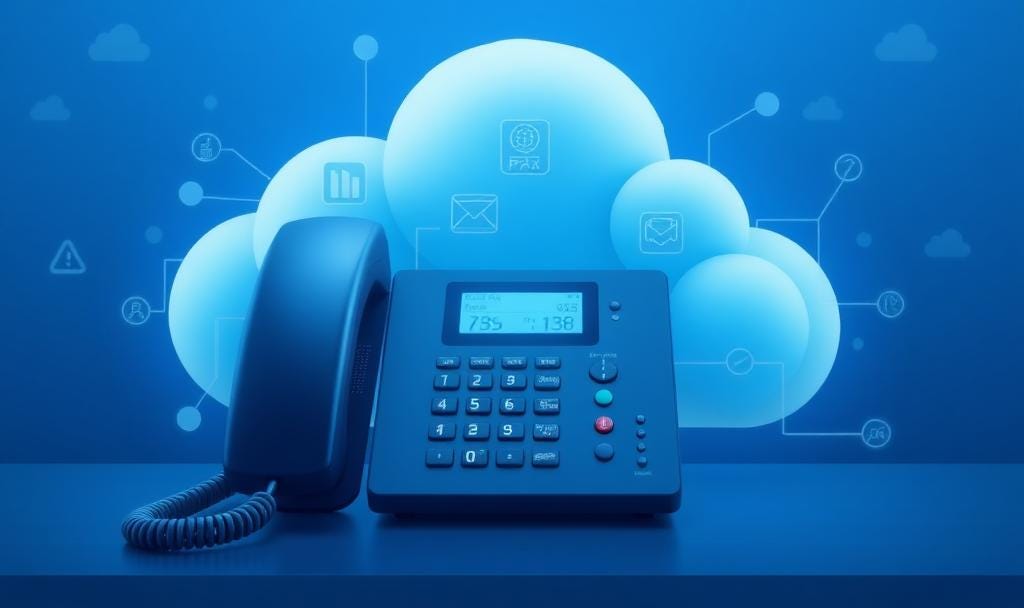
The phone system is hosted online, so no need to buy and maintain special equipment.
Subscription-based pricing (monthly fees per user).
Flexible and easy to scale.
Requires a good internet connection.
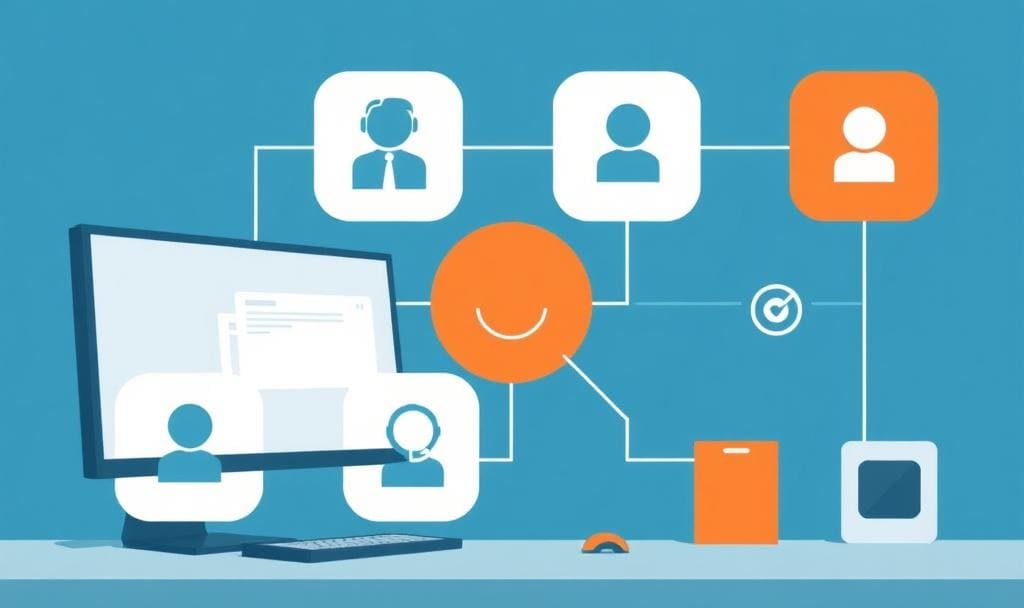
Combines calls, video meetings, messaging, and emails in one platform.
Great for teamwork and remote work.
More expensive but super powerful.
Needs employee training to use properly.
Scalability: Can the system grow as the business grows?
Mobile Compatibility: Can employees use it on their phones?
Call Features: Auto-attendant, call recording, voicemail-to-email, etc.
Security: Encryption, fraud protection, and disaster recovery plans.
Integrations: Can it work with business apps like CRM and Slack?
Landlines: High installation costs, expensive long-distance calls.
VoIP: $15–$50 per user per month, plus equipment.
Cloud PBX: $20–$60 per user per month, with fewer hardware costs.
UCaaS: $25–$100 per user per month, includes more features.
Know Your Needs: How many users? Remote work? Budget?
Compare Providers: Read reviews, request demos, and check pricing.
Test the System: Use free trials to check call quality and features.
Plan for the Future: Choose a system that can grow with the business.
Ensure Security & Support: Look for 24/7 support and security features.
AI Assistants: Smart call routing and chatbots.
5G Connectivity: Faster, more reliable calls.
More Integrations: Seamless connection with work tools.
Better Security: Protection against hacking.


By picking the right business phone system, companies can communicate better, save money, and stay ahead in the game!
No posts
Comments
Nothing yet. Say the first thing.
Sign in to join the conversation.