

Hold Fast: Navigating the Ballot is a voter guide series built for Americans who want clear, practical context about power, democracy, institutions, and America’s place in the world, from a national security perspective. Each installment will take on one consequential aspect of national security and the part it plays in the heath and resilience of the entire constitutional system.
Why Alliances Matter-And What It Takes To Make Them Work
America is stronger because it has allies. But alliances are not transactions—they are relationships built on trust, respect, consultation, and reliability. Treat friends as expendable bargaining chips, and eventually they will stop acting like friends.
From the very beginning of the United States, alliances have been central to our survival and success. Even as early leaders like President George Washington warned against “entangling alliances,” history quickly proved that no nation – not even a powerful one – can stand entirely alone. As Washington himself knew, the American Revolution itself is the clearest example. Without French support, the United States would likely not have gained its independence. From our birth as a nation, we have worked closely with and even depended many times on other countries, and that reality has only grown more pronounced as the world grows more interconnected.
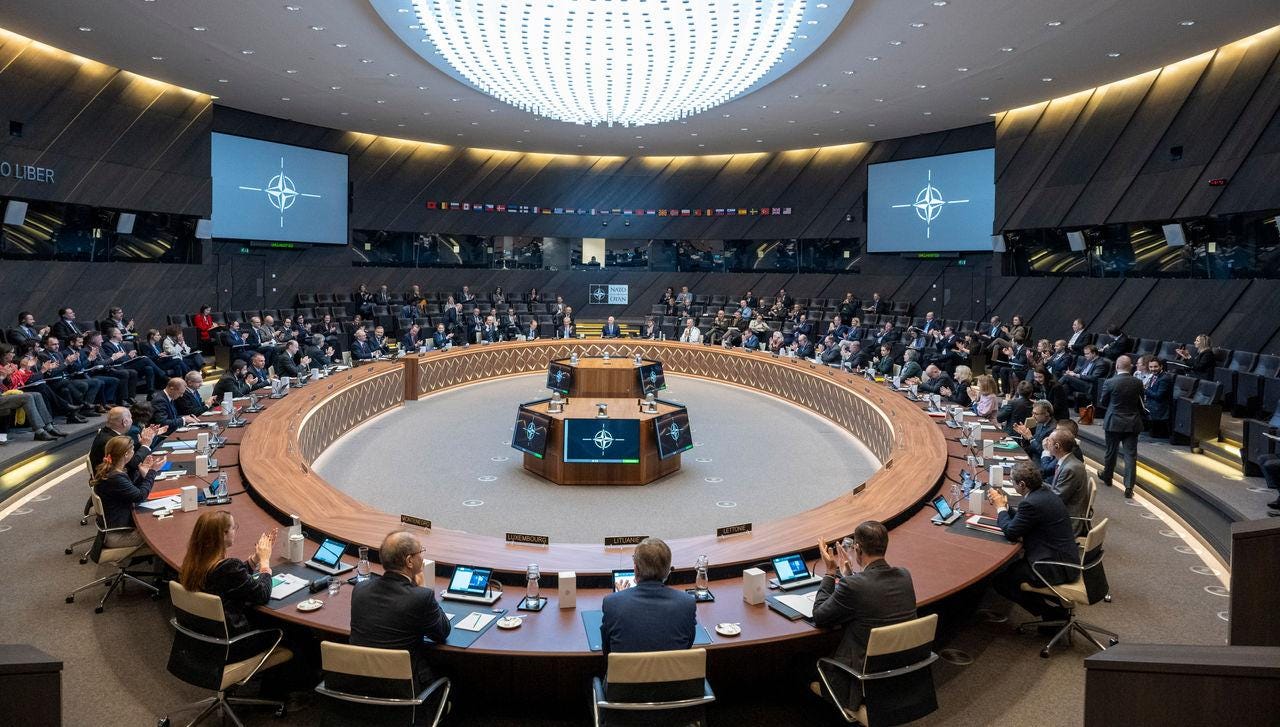
Alliances are not an optional accessory to foreign policy; they are a strategic necessity. They magnify national power, deter adversaries, and provide critical political, economic, and military support when needed. Institutions like NATO, partnerships such as our extended deterrence with South Korea and Japan, and intelligence-sharing arrangements like the Five Eyes network show the enduring benefits of working with trusted partners over decades. These ties make it possible to share burdens, pool capabilities, and respond more effectively to common opportunities and threats.
Alliances, like all relationships, are not self-sustaining. They depend on a set of political and moral choices that must be renewed continually. To make alliances work, countries must first understand that alliances are about relationships, not transactions to engage in at the moment, or as a series of separate discussions with nothing to build upon in between. They are founded on the recognition that security and prosperity are often shared goods, not zero-sum prizes. A mindset that views every interaction as “I win, you lose – and you must lose badly” is fundamentally incompatible with alliance management.
Successful alliances require respect. Respect means acknowledging the sovereignty and dignity of partners, listening to their concerns, and treating their security and prosperity as linked to our own. It means avoiding the temptation to bully, demean, or publicly humiliate other countries – especially long-standing friends. When a nation walks into the international arena as the “big honcho,” pushing everyone aside and throwing its weight around, it doesn’t project strength; it erodes trust. Allies may tolerate difficult conversations behind closed doors, but they will not forget consistent disrespect.
Trust is another essential ingredient. Trust is built when countries consult one another before major decisions, especially on matters of war and peace. When allies are excluded from critical choices – such as decisions to use force – and then later asked to provide support, they have every reason to hesitate. Failure to consult of course denies any opportunity to acquire both intelligence and other forms of support; it is also an obvious signal that their views do not matter which may well come back to haunt when their help is deemed to be needed. Over time, this breeds resentment and leads partners to distance themselves, organize their own security arrangements, and reduce their dependence on an unreliable friend.
Keeping commitments is equally vital. When a country makes promises – whether to Ukraine, Japan, or any other partner – and then walks away or abruptly changes course, it undermines its own credibility. Removing defensive assets from an ally without warning, or abandoning long-standing assurances for short-term political gain, sends a simple message: our word cannot be trusted. Once that perception takes hold, allies begin to hedge, diversify their relationships, and question whether they can count on us when it truly matters.
Alliances depend on soft power and diplomacy. Military strength matters, but it is not enough. The ability to build coalitions, mediate disputes, and foster goodwill through diplomacy and cultural ties is what turns raw power into sustainable influence. When a nation dismisses soft power, and treats diplomacy as insignificant, it forfeits one of its greatest strategic advantages. Ignoring institutions like the United Nations or sidelining multilateral forums means throwing away platforms that could be used to deepen relationships and coordinate responses to global challenges.
Economic tools must be used with care. Tariffs and sanctions can be legitimate instruments of policy, but when they are applied indiscriminately – particularly against long-time allies such as Canada and other major trading partners – they become signals of hostility rather than instruments of negotiation. Starting with punishment instead of partnership cultivates a “we have no friends” atmosphere and convinces others that the relationship is purely transactional. In that environment, allies will be far less inclined to stand with us in crises that extend beyond economics.
Ultimately, alliances work when leaders value people, history, and relationships. A government that does not care about its own historical institutions is unlikely to care about the history of shared sacrifice with other nations. A leader who views everything solely through the lens of money and personal gain will not see the strategic value of trust, goodwill, and long-term partnership. Alliances require an appreciation that “winning” often means winning together – achieving common security, protecting shared values, and managing global challenges as a team.
If the United States wants to retain its position as a trusted partner, it must recommit to the fundamentals of alliance management: respect, consultation, reliability, diplomacy, and a non–zero-sum mindset. Alliances are imperfect and must be reassessed regularly, but they remain one of our most powerful tools for shaping a safer, more stable world. Walking away from them – or mistreating our friends – does not make us stronger. It simply ensures that, over time, we will find ourselves more isolated, with fewer partners willing to stand by us when we need them most.
Questions to ask a candidate:
How does the U.S. engagement in alliances directly benefit Americans?
Do you believe we are paying too much of our taxes to be a part of these alliances?
How can we be sure that alliances will remain valuable to Americans in the future in light of how we have treated them recently? For example, NATO did not help us when we asked for their assistance regarding Iran.
Bonnie D. Jenkins, Ph.D., is the former Under Secretary of State for Arms Control and International Security and has 22 years in the Air Force and Navy Reserves, retiring as a Naval Intelligence Officer. She also served as the Coordinator of Threat Reduction Programs at the Department of State with the rank of Ambassador. She is a specialist in arms control and nonproliferation of weapons of mass destruction, as well as in public international law. She is the Founder and Executive Director of Women of Color Advancing Peace and Security. She is a member of The Steady State.
Founded in 2016, The Steady State is a nonprofit 501(c)(4) organization of more than 400 former senior national security professionals. Our membership includes former officials from the CIA, FBI, Department of State, Department of Defense, and Department of Homeland Security. Drawing on deep expertise across national security disciplines, including intelligence, diplomacy, military affairs, and law, we advocate for constitutional democracy, the rule of law, and the preservation of America’s national security institutions.
Comments
Nothing yet. Say the first thing.
Sign in to join the conversation.