
with Ethan Siegel • August 1, 2026
Greeting readers,
In almost every phenomenon within our physical Universe, if you look hard enough, there are secrets of nature just waiting to be unlocked. From the quantum phenomena at play within every atom to the vast expanse of the cosmos and everywhere in between, the Universe provides us with no shortage of natural laboratories where our curiosities are free to run wild. As long as we’re willing to interrogate the Universe with a scientific spirit of open-mindedness, and to let whatever it tells us observationally, experimentally, and through our measurements be the guiding light to our conclusions, we’re bound to not only learn new lessons about nature itself, but to open up new frontiers as far as the next generations of inquiry are concerned.
For Ask Ethan, I received a wonderful question about what the first forms of life — perhaps arising just 1 or 2 billion years after the Big Bang, rather than the 13.8 billion that have elapsed from our perspective — would see in their night skies. The answers go deeper than you might realize! Down on subatomic scales, the Universe became filled with neutral atoms and transparent to radiation from the Big Bang after only 380,000 years had elapsed. If not for a very rare and special quantum transition, it would have taken hundreds or even thousands of times as long! I went through the last 200 years of astronomy’s history and picked out the best 20 discoveries, one from each decade, that helped bring our Universe into focus. I then went back even before that to highlight who I think is one of the most underappreciated heroes of science: Johannes Kepler. Will you agree that what he did was truly profound?
Finally, a contentious issue: the U.S. Government just released a brand-new report titled Science: A New Golden Age, and while the reaction among scientists was largely to sound the alarm, I wanted to see what was in there for myself. Go ahead and read my summary — or the full 100-page report, if you like — and see what plans are in store for the future of U.S. science. There’s plenty to explore, discover, and plan for. And remember: It’s your Universe too. If you believe that basic research and frontier knowledge are worth fighting for, your voice can make a difference just as much as anyone’s can. I’ll keep doing my best to bring it all to you either way!
All the best,
Ethan
ASK ETHAN
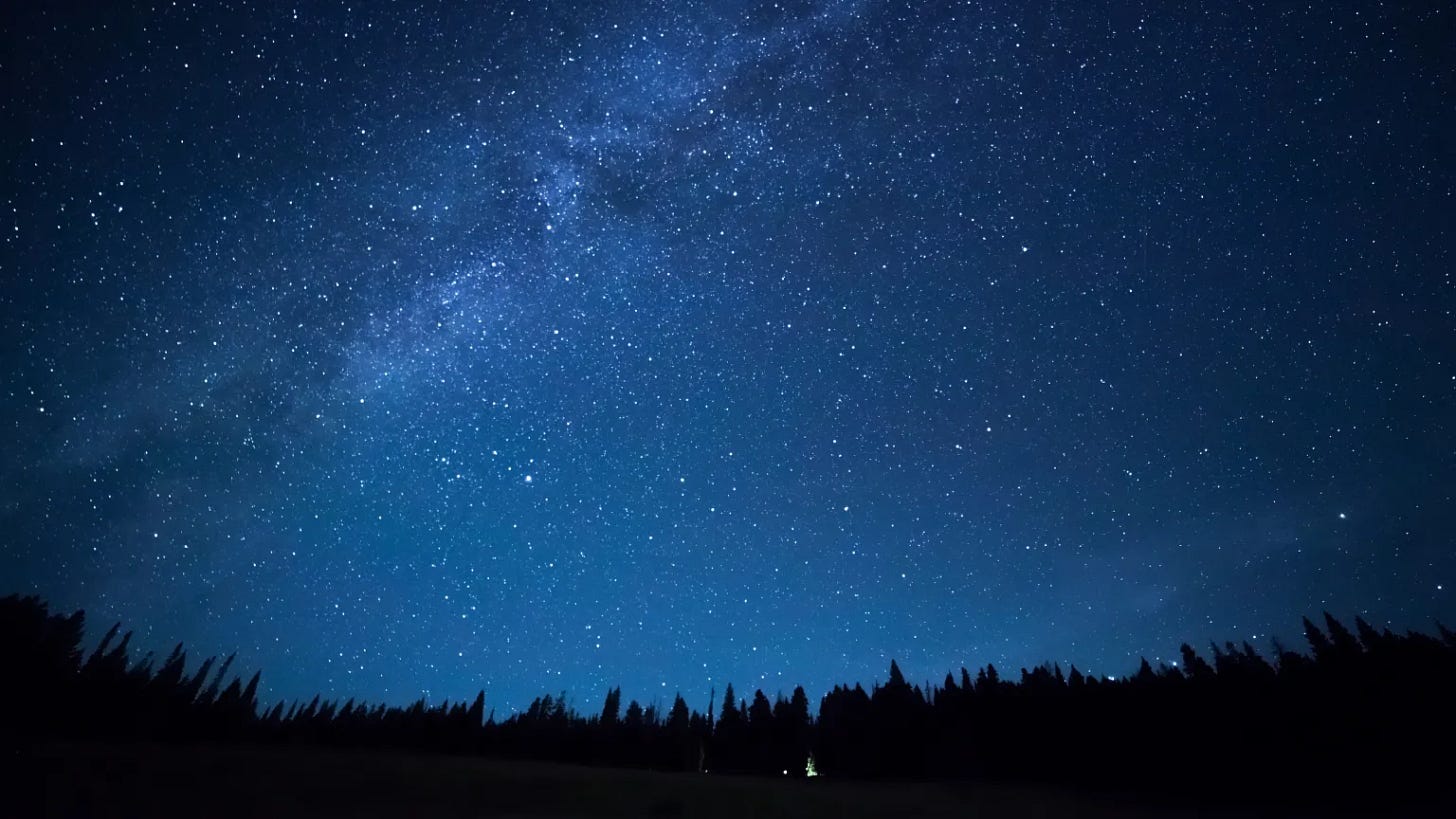
In our night sky, we can see the Moon, the planets, thousands of stars, the Milky Way, and even a few nebulae and distant galaxies. With telescopes, we can peer to the edge of the observable Universe. But if life had arisen much earlier in cosmic history, when the Universe was younger, hotter, denser, and more uniform, the night sky would have looked vastly different. What would observers have seen 1 or 2 billion years after the Big Bang, and could life have even existed back then?
If you have a burning question about the Universe,
email startswithabang@gmail.com!
QUANTUM LOOPHOLE
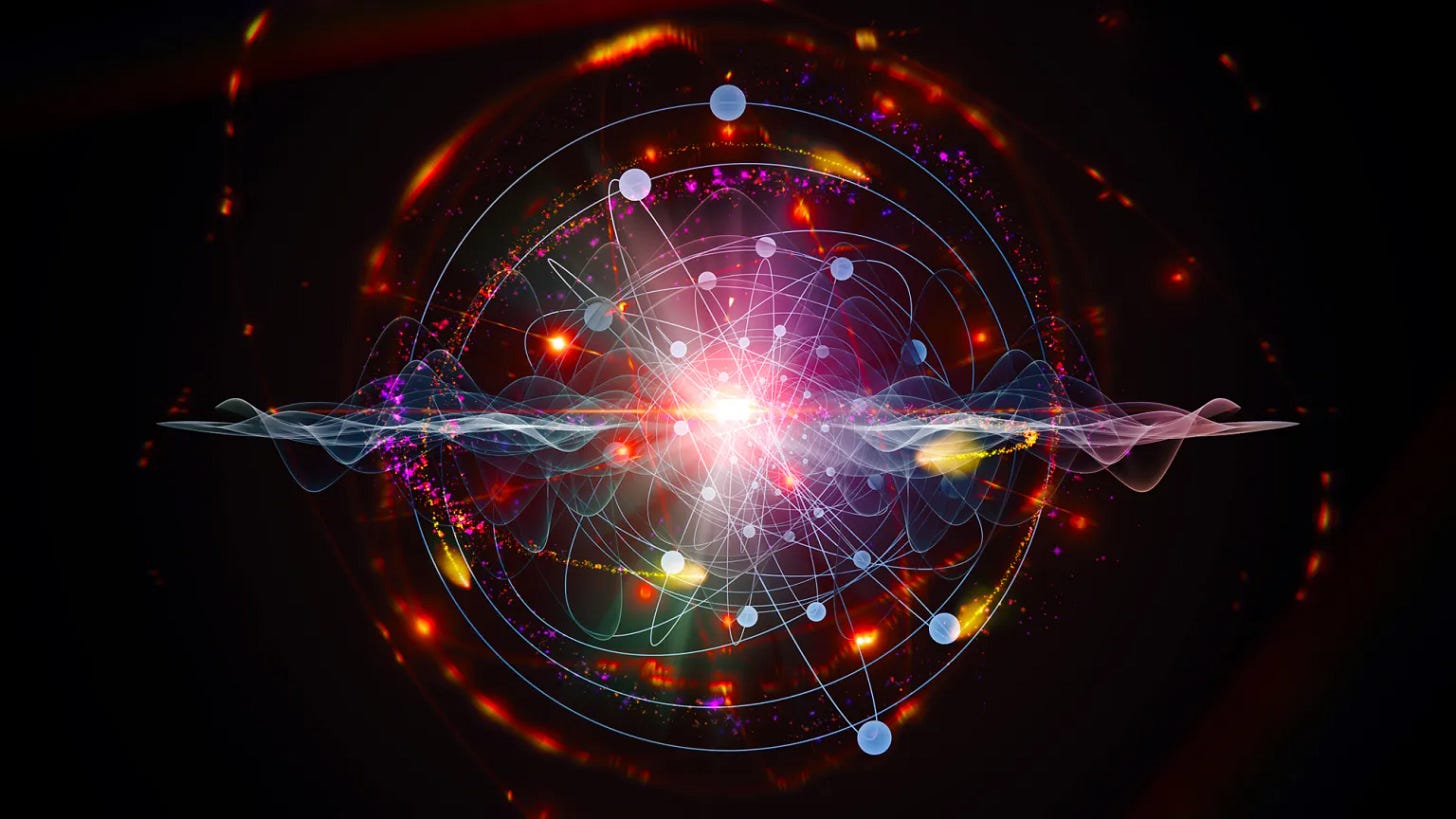
After the hot Big Bang, the Universe was hot, dense, and ionized: a primeval plasma. It took hundreds of thousands of years to cool enough for neutral atoms to form. But every newly formed atom emitted a high-energy ultraviolet photon capable of exciting and reionizing another atom. Only a rare, mostly forbidden process called the two-photon transition allowed neutral atoms to survive at all. Without it, our Universe would look nothing like it does today.

BEHIND THE HEADLINES
In July 2026, White House Office of Science and Technology Policy Director Michael Kratsios released a report to the President titled “Science: A New Golden Age.” Spanning more than 100 pages, it lays out an unprecedented vision for the future of U.S. science, one that many scientists are sounding the alarm about. But what does the report actually say? Are scientists overreacting to its language and priorities, or are their concerns well-founded?
THE KEPLER WAY
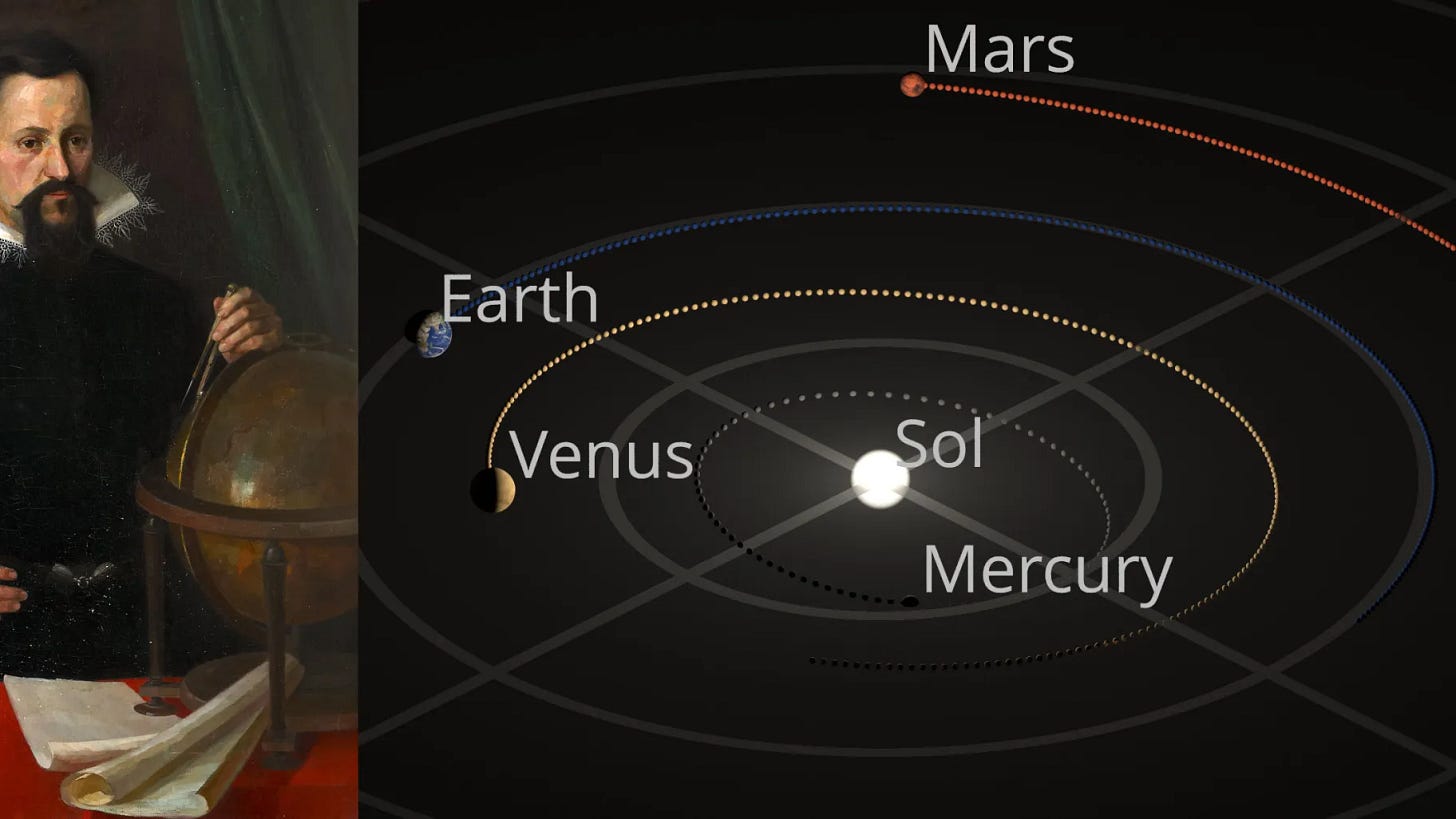
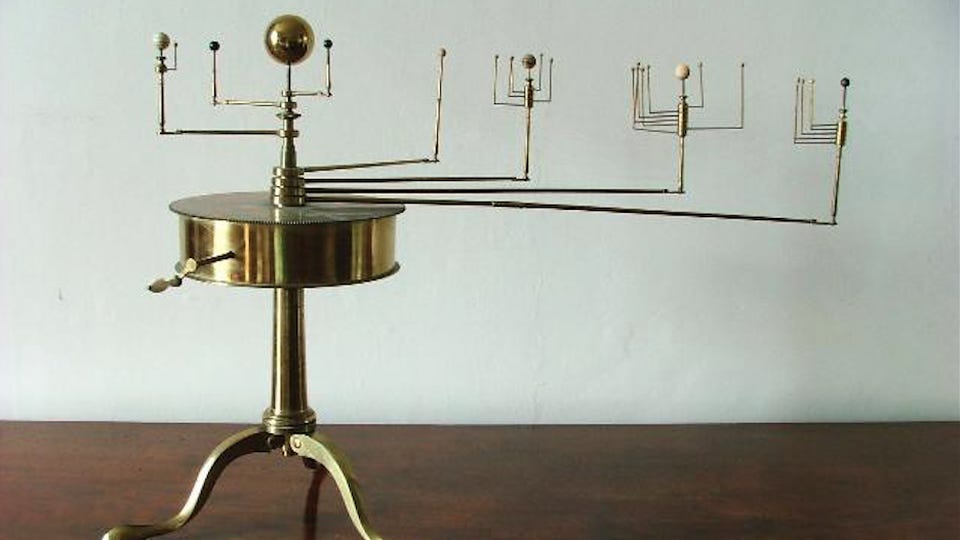
History is filled with scientists who had revolutionary ideas, found evidence to support them, and sparked scientific revolutions. Far rarer is someone who discovers the evidence doesn't quite fit, abandons a cherished idea, and embraces a better one instead. That's what set Johannes Kepler apart from nearly every other great scientist, and why he remains one of history's greatest scientific role models.
COSMIC MILESTONES
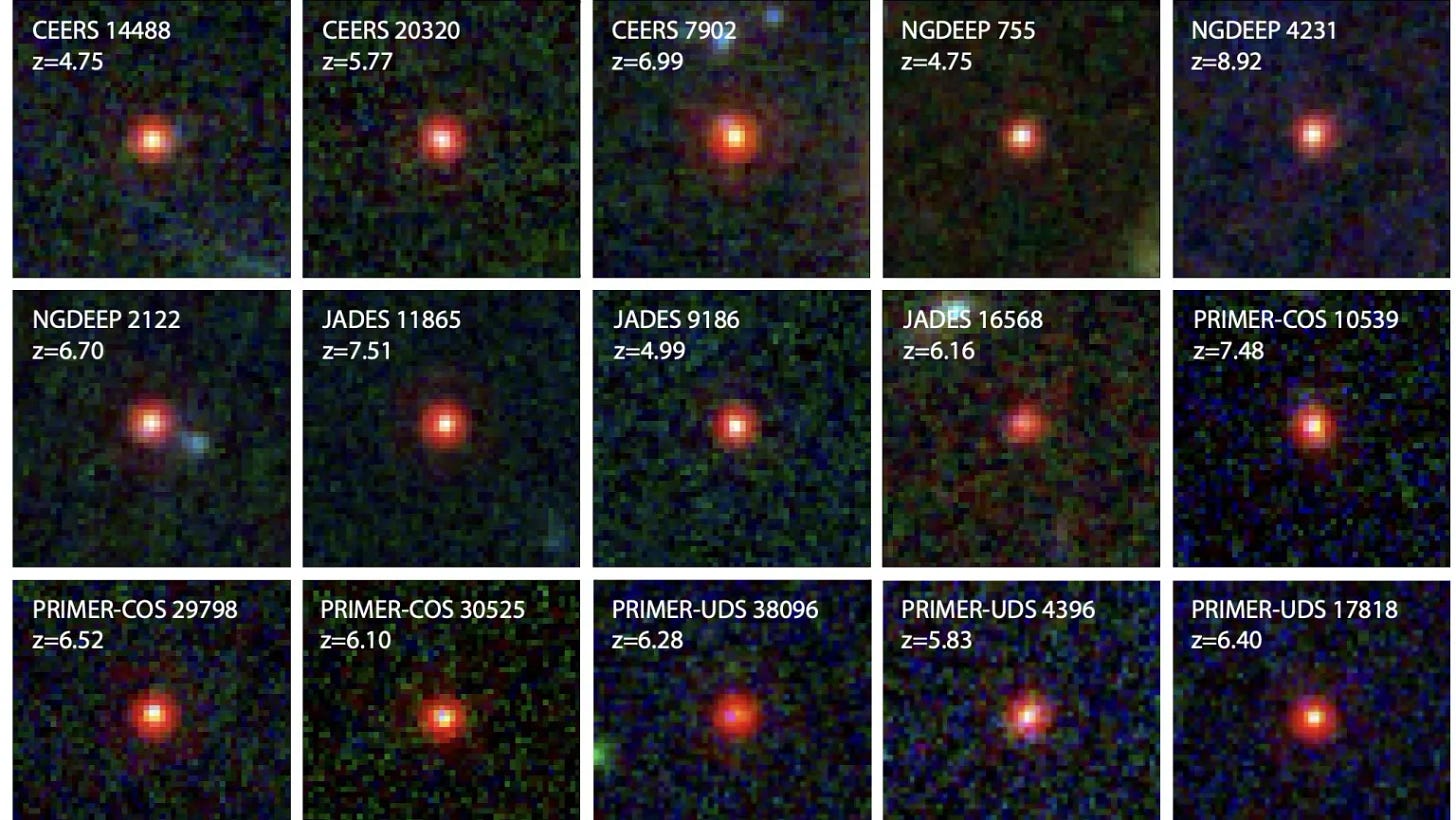
Two hundred years ago, we didn't know the distances to the stars, what they were made of, whether other galaxies existed, or how the Universe began or would end. Step by step, each discovery laid the foundation for the next, revealing how our Universe came to be. Today, in 2026, we've learned more than ever before, yet the latest observations have uncovered mysteries that even our best data can't resolve. Here's the cosmic journey that brought us here.

Ethan Siegel, Ph.D., is an award-winning theoretical astrophysicist who's been writing Starts With a Bang since 2008. You can follow him on Twitter @StartsWithABang.
No posts
Comments
Nothing yet. Say the first thing.
Sign in to join the conversation.