Whenever you look at the Universe in a more powerful way than you ever have before, either in a new set of wavelengths, at higher sensitivity, on wider-field scales, or with novel capabilities, you open yourself up to a remarkable possibility. In addition to the "obvious" science gains that you'll achieve from finding more examples and revealing greater details about the types of objects and…
In order for stars to form, you need the right ingredients to make it happen: gravity, mass, time, and of course the right type of matter in the form of baryons. Shortly after the Big Bang, the Universe had plenty of them, but they were all very simple: protons, deuterons, helium-3 and helium-4 nuclei, and a tiny bit of lithium-7. These nuclei, made out of protons and neutrons, were all that the…
One of the most foundational questions we know how to ask in astronomy is simply this: given a cloud of gas of a given mass, what types of stars will form? How many stars of a given mass will you wind up with, and what factors does that depend on? The answer to this question, if we can give an answer, is known as the "initial mass function," and is generally very difficult to measure except in the…
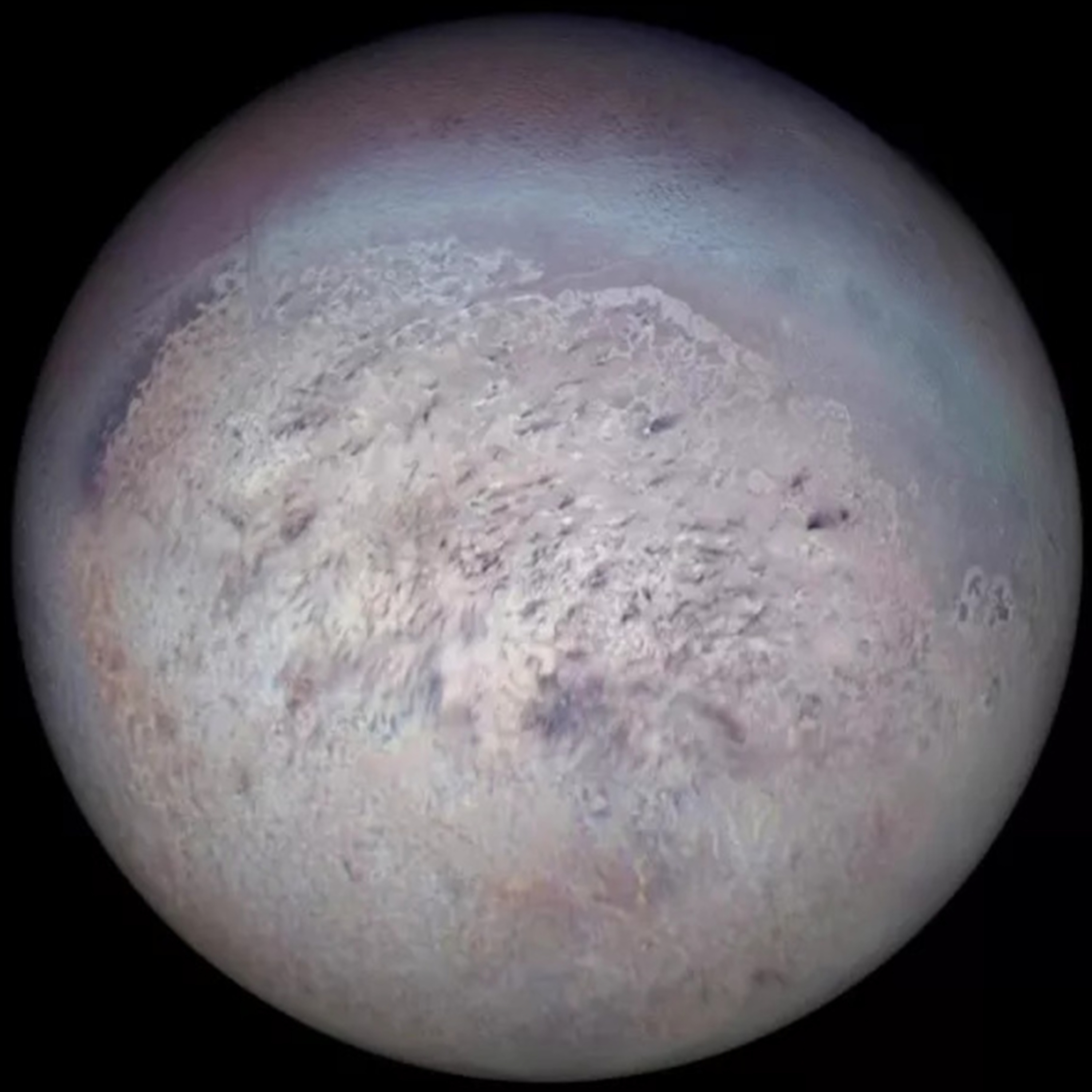
We often think about the Solar System as being our own cosmic backyard, and in many ways, it is: these are the closest objects to us in all the Universe, and our only opportunity to study lunar and planetary systems in situ. However, when it comes to the objects beyond Saturn, including the Uranian and Neptunian systems, as well as everything that lies in the Kuiper belt and beyond, the only…
Whenever a new star forms, several processes appear to be nearly universal. A cloud of cold molecular gas contracts, fragments, and rapidly collapses in certain places. The densest, coldest clumps of gas contract first, drawing in larger and larger amounts of matter onto them. A large, massive enough clump will heat up and have a random shape: collapsing along the shortest axis first, forming a…
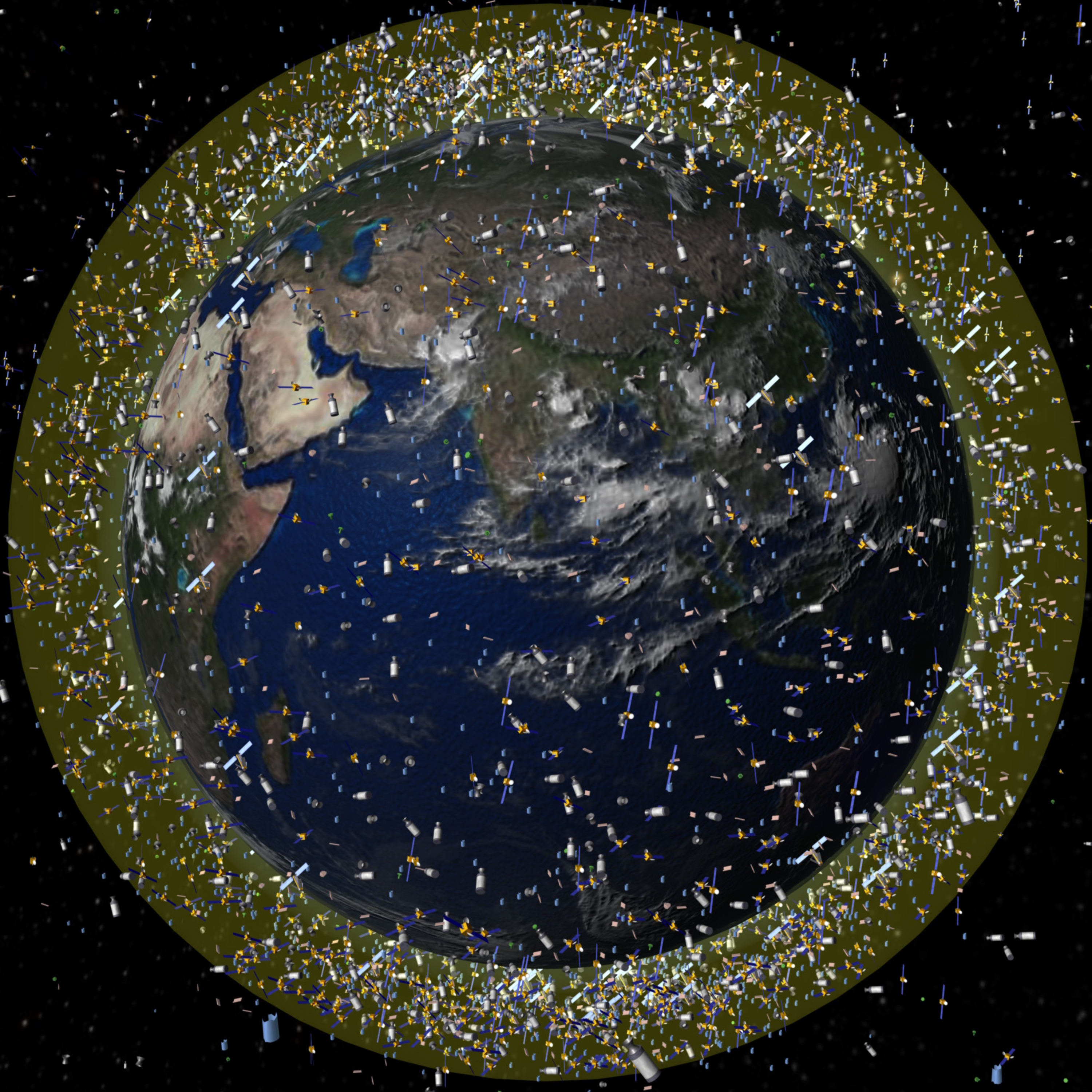
When most of us were children, and we went to a rural area with clear skies overhead at night, we were all greeted by the same familiar sight: a dark night sky, glittering with many hundreds or even thousands of stars. Depending on how dark your sky was, you could spot up to 6000 stars at once, as well as deep-sky objects, the plane of the Milky Way, and only the rare, occasional satellite streak.…
Out there in the Universe, we're most aware of what we see: of all the forms of light that arrive in our eyes, instruments, telescopes, and detectors. Much more difficult to see, as well as understand and make sense of, is the wide array of "stuff" that's present, but that isn't readily apparent to the apparatuses we normally use to reveal the Universe. From the dark bands of the Milky Way to the…
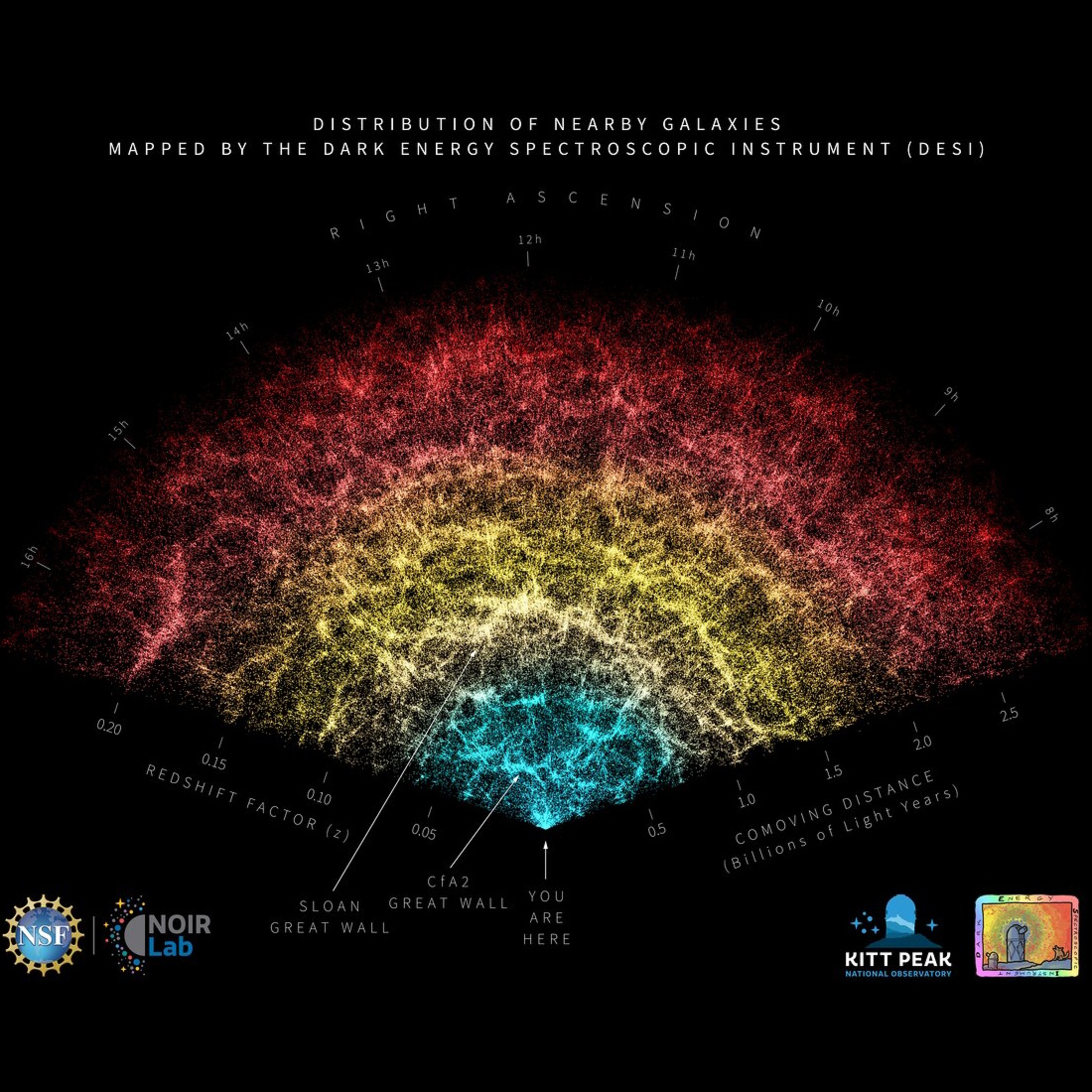
One of the most exciting developments in modern astrophysics isn't merely our standard "concordance cosmology" model, but rather the cracks that seem to be emerging in it. Sure, we've said for some 25 years now that our Universe is 13.8 billion years old, is made of mostly dark energy with a substantial amount of dark matter, and only 5% of all the normal stuff combined: stars, planets, black…
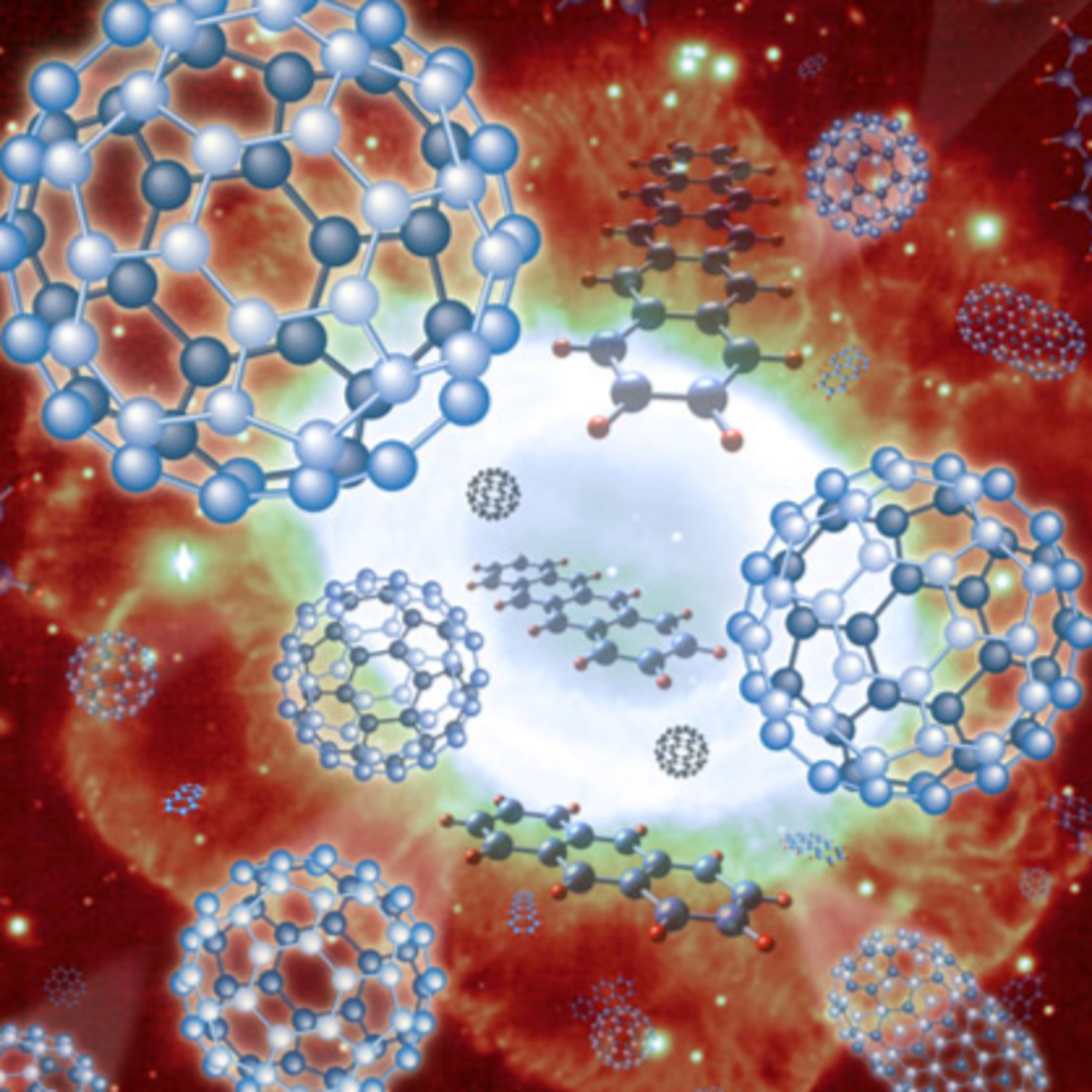
All across the Universe, stars are dying through a variety of means. They can directly collapse to a black hole, they can become core-collapse supernovae, they can be torn apart by tidal cataclysms, they can be subsumed by other, larger stars, or they can die gently, as our Sun will, by blowing off their outer layers in a planetary nebula while their cores contract down to form a degenerate white…
One of the great discoveries to be made out there in the grand scheme of things is alien life: the first detection of life that originated, survives, and continues to live beyond our own home planet of Earth. An even grander goal that many of us have, including scientists and laypersons alike, is to find not just life, but an example of intelligent extraterrestrials: aliens that are capable of…