Analemma answers the question: "What time is it at noon?"
They say even a broken clock is right twice a day. In the same way, the Sun is “right” four times a year; the analemma shows how. What time is it at noon? What…

Learning Astronomy, Teaching Astronomy
Live Last read · last published · next check
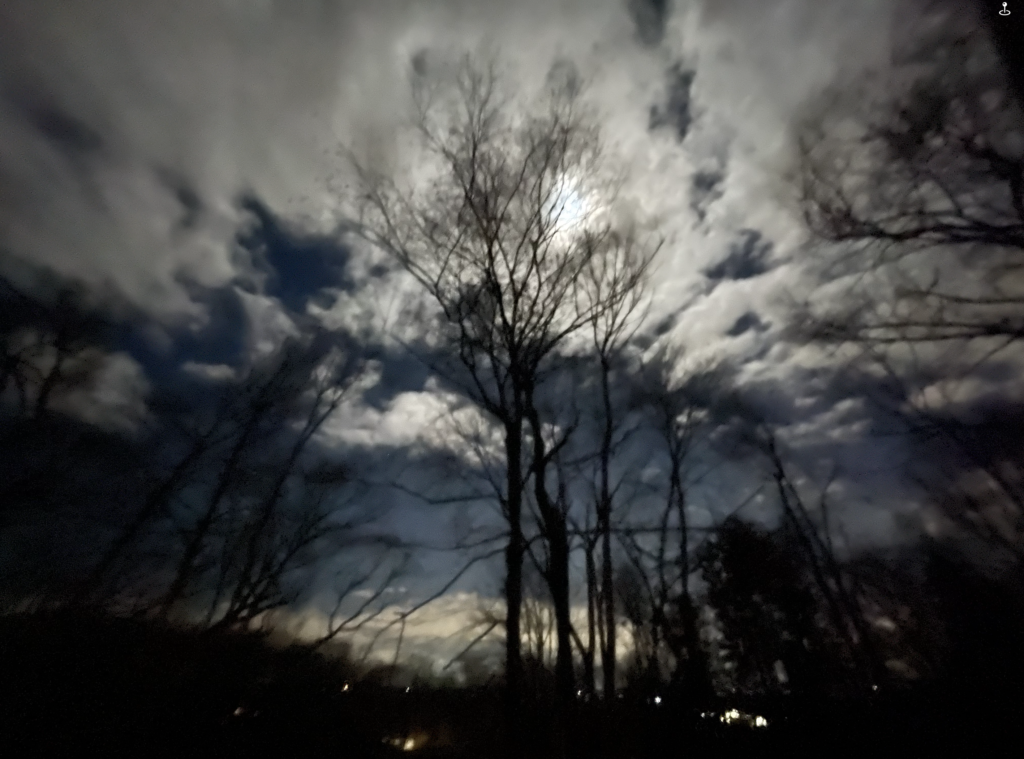
Snapshot the midnight sky every night for a year, then play it back as a time lapse movie. What would you see? Here's how to see sidereal time for yourself.
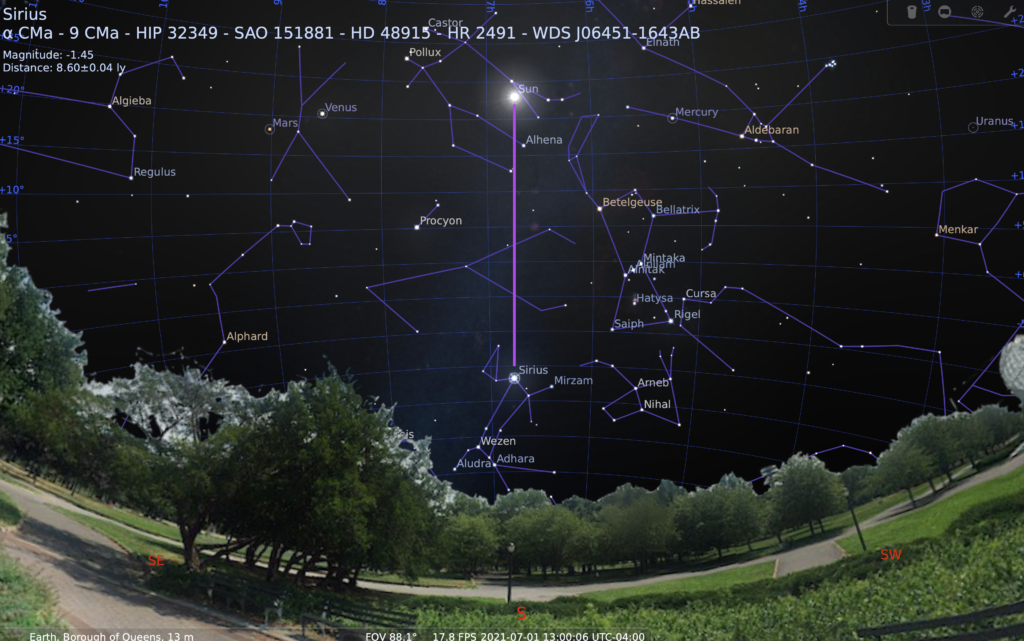
The Sun and the dog star Sirius line up on the meridian together in July. But each day the stars travel a little faster than the Sun. Follow Sirius as it drifts from noon to midnight.
There are two skies: the sun sky and the starry sky. A clock is a machine tuned to the Sun — but a sidereal clock gets its time from the stars.
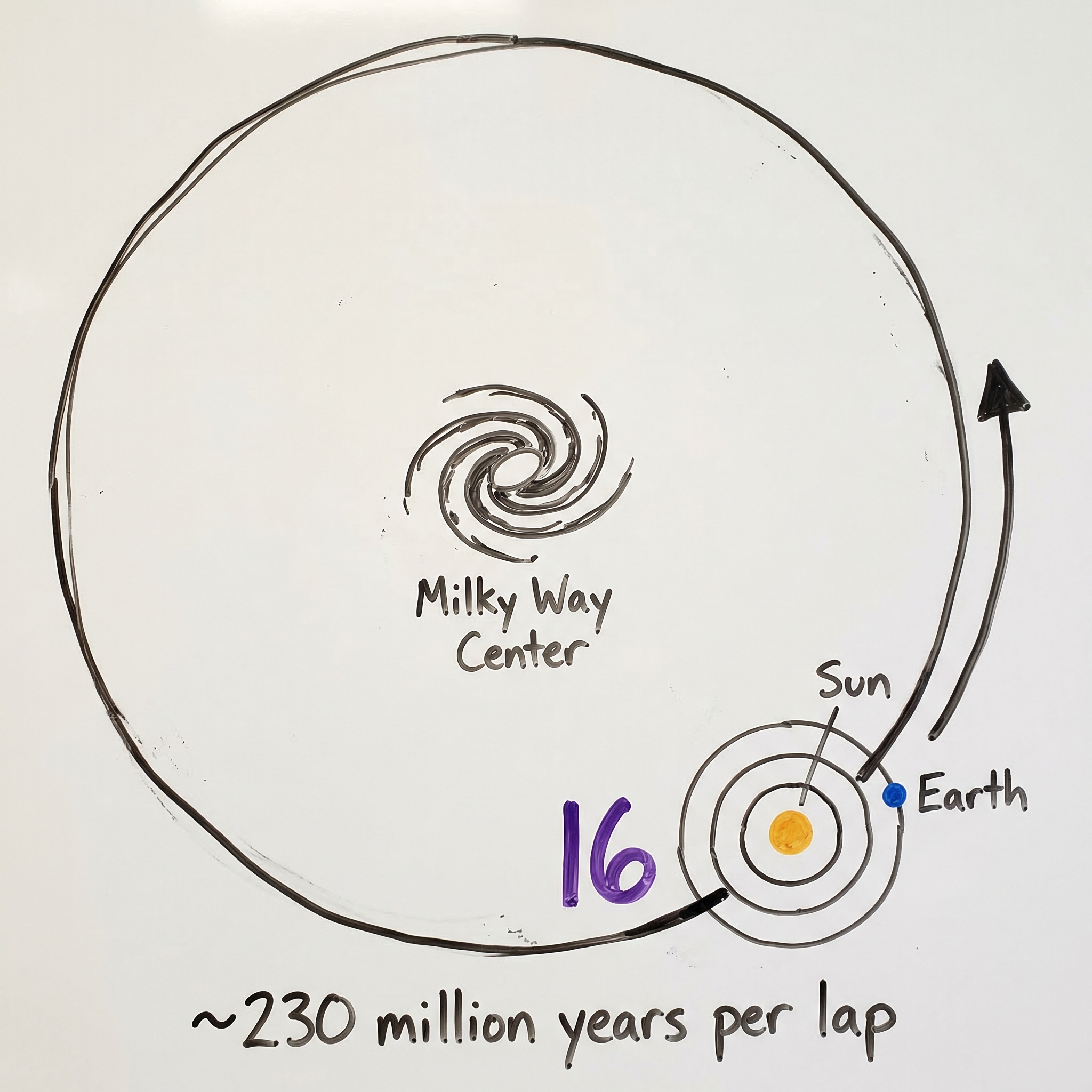
Our solar system orbits the center of the Milky Way once every 230 million years. The Earth has completed about 16 laps so far. It has roughly 20 more to go.
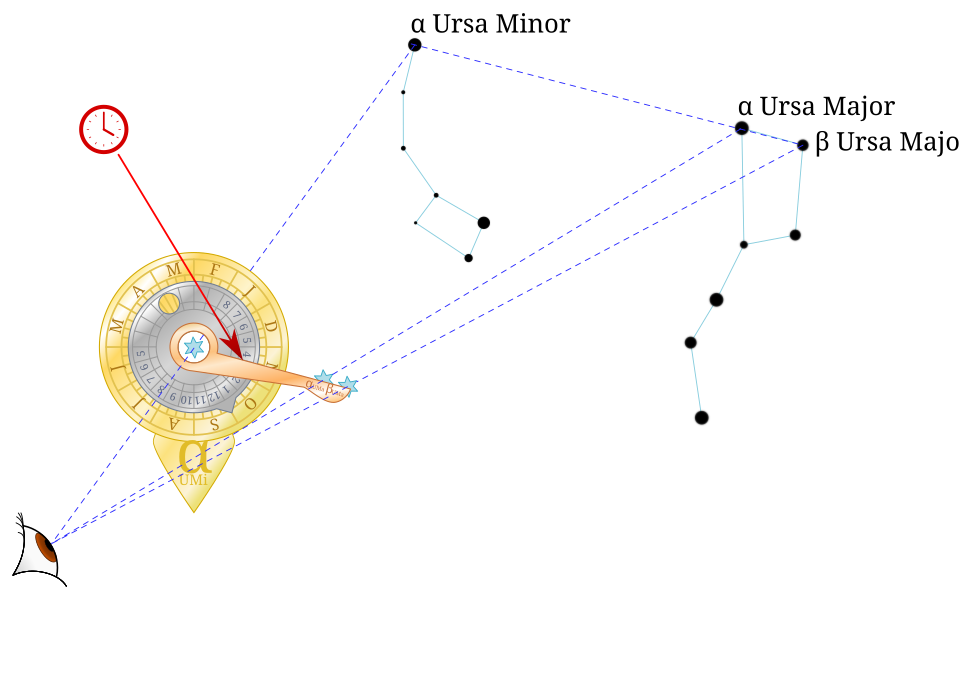
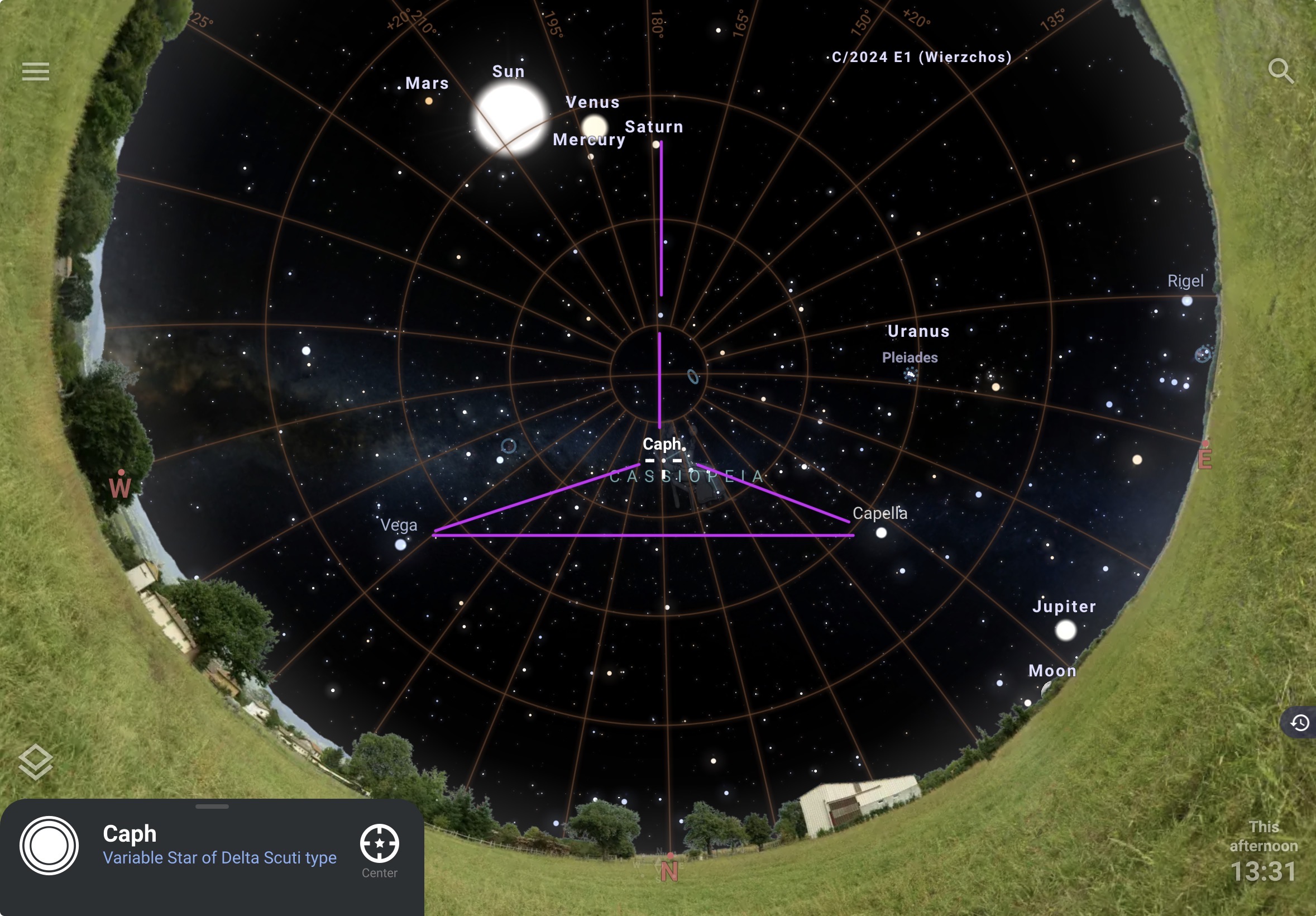
Use Vega and Capella as anchor stars to aim at the equinox points in the sky. Add Caph for spring, or Phecda and Zavijava for fall.
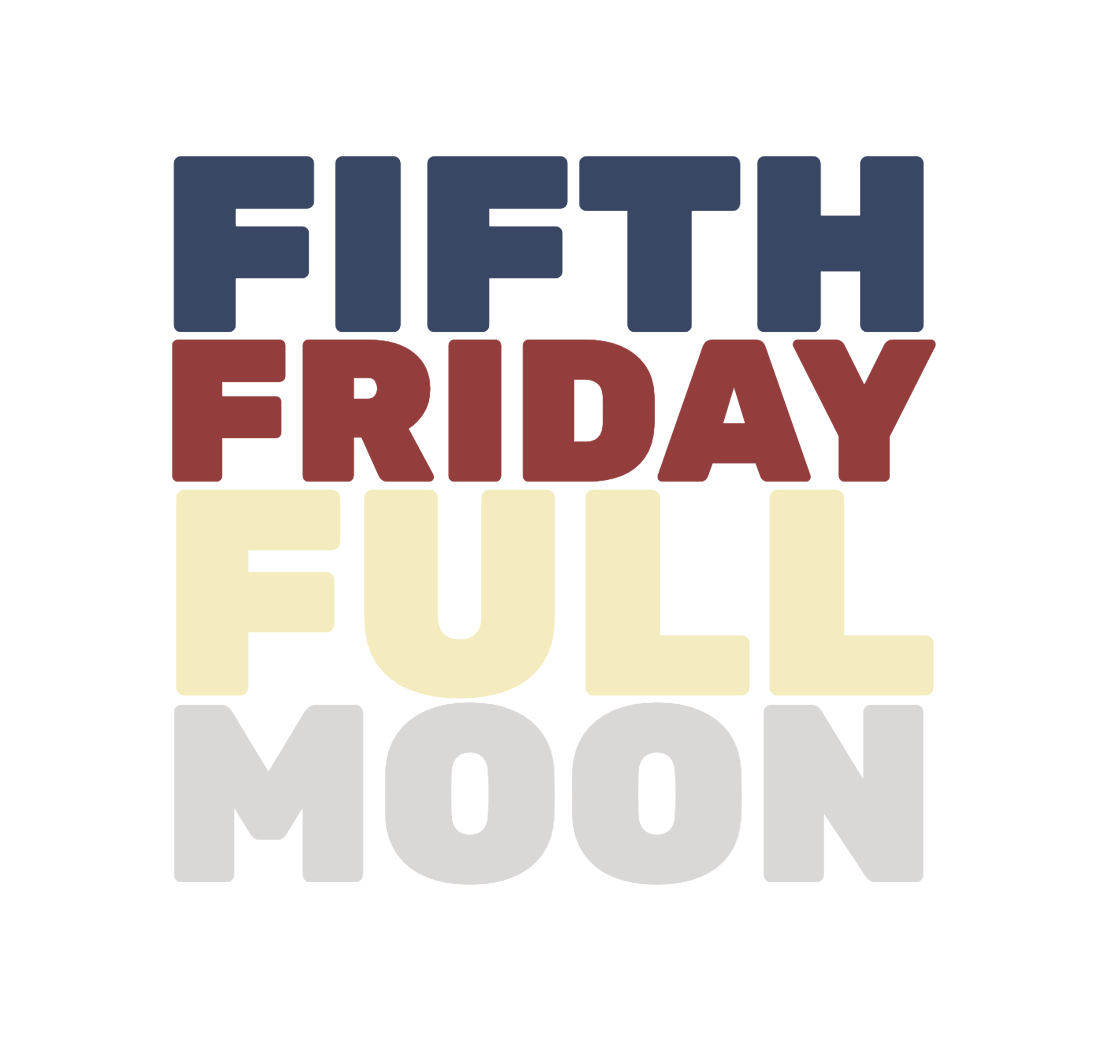
Let's meet on the fifth Friday of the month, let's make it the next one with a full moon. When exactly is that? How old will I be?
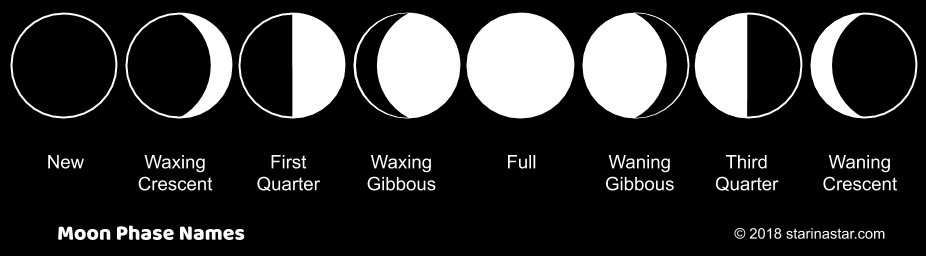
The Moon phases names are pretty weird. Here are the "official" 8 Moon Phases in order. Bonus! FREE graphic memory device to help you remember the phases.
They say even a broken clock is right twice a day. In the same way, the Sun is “right” four times a year; the analemma shows how. What time is it at noon? What…
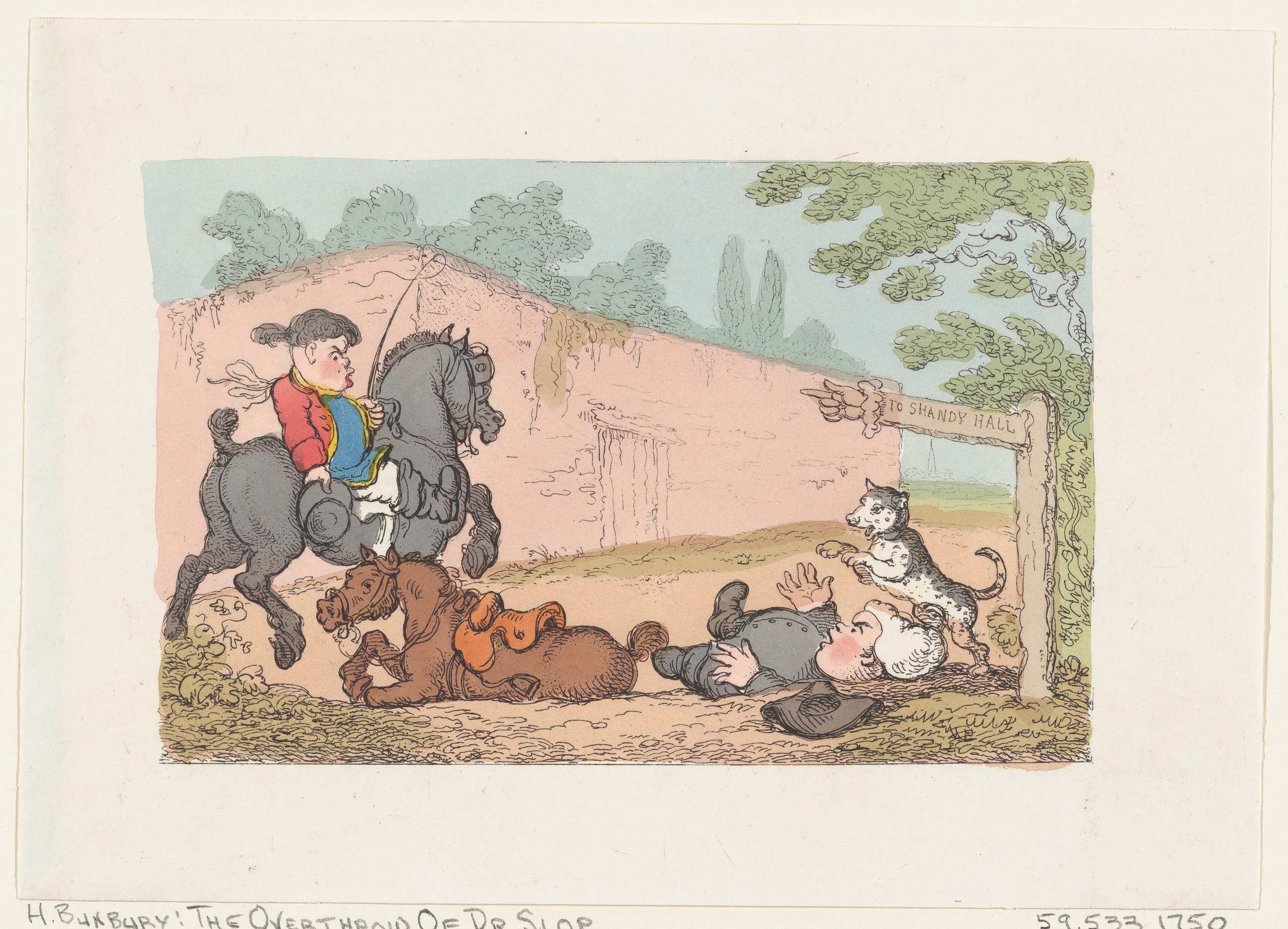
The 18th-century English novel "The Life and Opinions of Tristram Shandy, Gentleman" (better known by its nickname _Tristram Shandy_ - first published in 1759)…
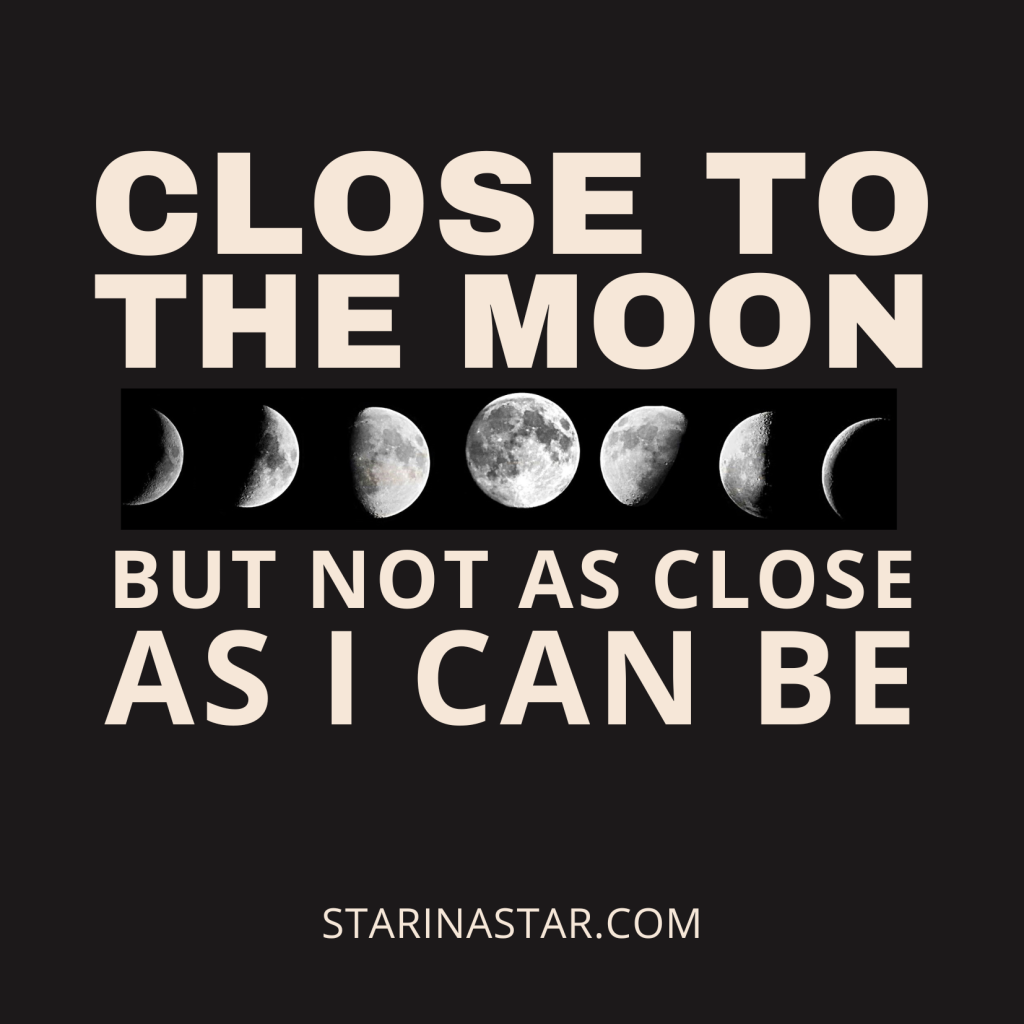
How close am I to the Moon right now? As a human on the Earth's surface, learn how you can get closer to the Moon. It's surprising!