
In professional sports, there are data, data, and more data on both pay and performance that can be used to explore how regression, the paradox of luck and skill, and winner-take-all markets create luck run amok.
In professional golf, for example, we can measure golfers’ abilities by their tournament scores and we can measure their earnings by their tournament winnings. Figure 1 shows that scores at the 2026 Masters Golf Tournament were approximately normally distributed. The same is true of other golf tournaments.
Although the abilities of professional golfers may be in the upper tail of a distribution of golf abilities among the entire population, performances are approximately bell-shaped among the best professional golfers.
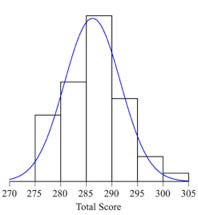
Figure 1 Golf Scores at the 2026 Masters Golf Tournament
Yet earnings are highly skewed. In 2025, there were 252 professional golfers who won prize money on the PGA Tour, ranging from Scottie Scheffler’s $28 million to a golfer who won only $6,260 (not enough to pay for transportation from tournament to tournament). Figure 2 shows the strongly skewed 2025 earnings distribution for all 252 golfers who won prize money.
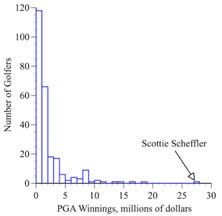
Figure 2 The Distribution of PGA Winnings, 2015
Why are golf earnings so highly skewed when the distribution of performances is approximately normal? If my luck-run-amok theory can explain why earnings are more skewed than are performances in golf, we may gain some insight into why income distributions are skewed in other professions, too.
Comments
Nothing yet. Say the first thing.
Sign in to join the conversation.