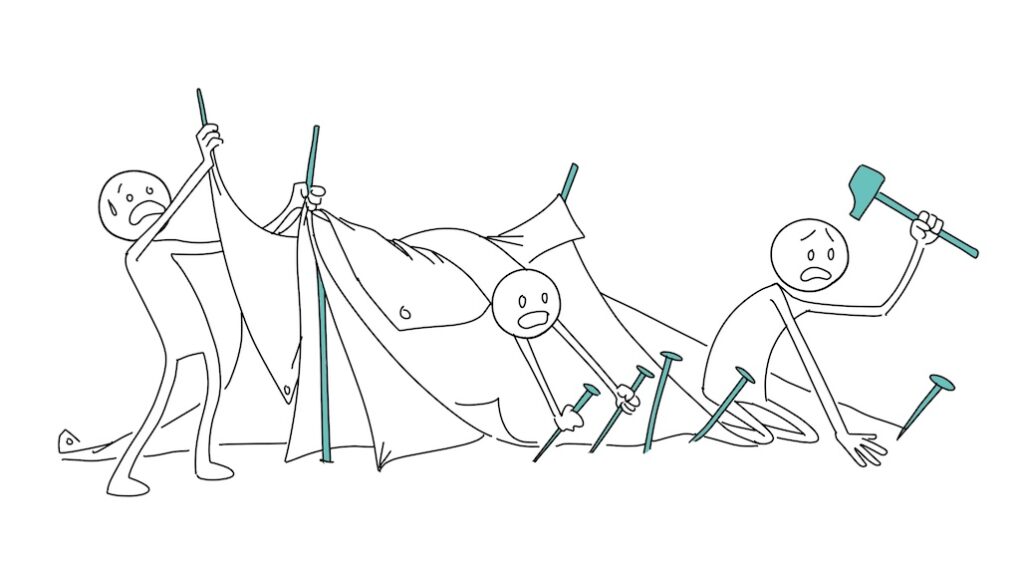
The RACI matrix is a project management tool to clarify team roles and responsibilities. By defining who is Responsible, Accountable, Consulted, and Informed—with exactly one accountable leader per task—it eliminates ambiguity and prevents redundancies. the full story People can be lazy, uncaring, or incompetent, but if they collaborate, they often fail. Simply because no one knows … Continue…
Why do houses, gold, and stocks keep getting more expensive? This video explains how money is created, why inflation happens, and why saving cash can lose value over time while investments often grow—widening the gap between the rich and the poor. The full story This is the gold price since the 1970s. And that’s total … Continue reading "How Money Is Created and How This Makes Some Rich and Some…
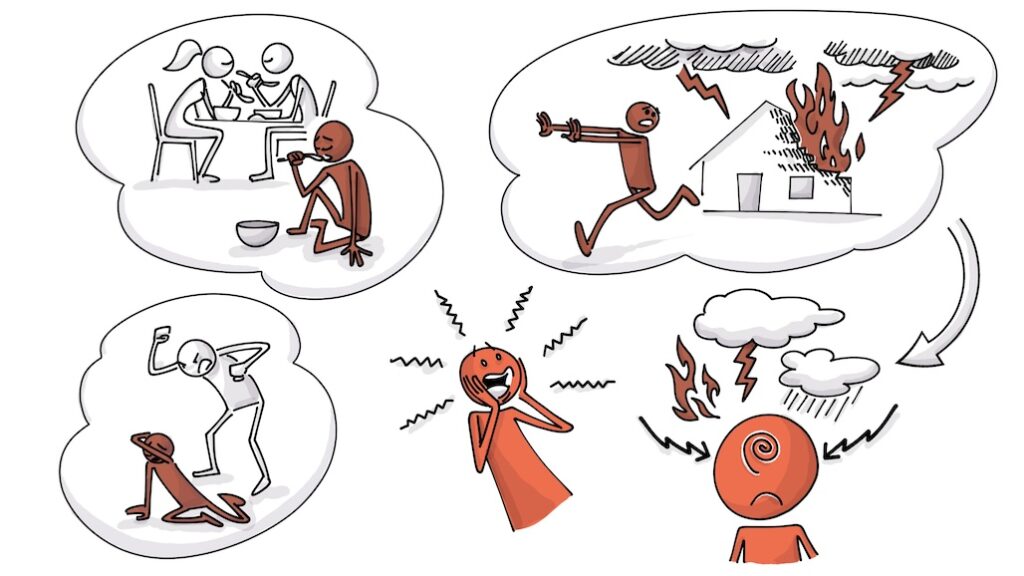
Post-traumatic stress disorder (PTSD) is a condition that can develop after exposure to severe trauma and chronic stress. This video explains how PTSD affects the brain, including symptoms such as hypervigilance, intrusive memories, anxiety, and sleep disturbances. You will learn how the fight, flight, or freeze response can become overactive and why the brain remains … Continue reading "What is…
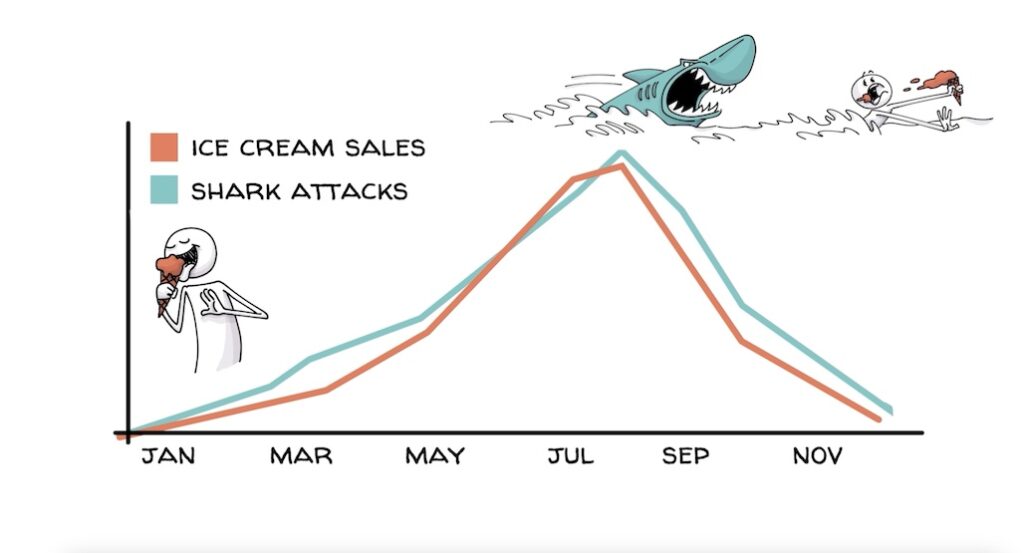
What is the difference between correlation and causation? In statistics, two events may occur together without one causing the other. This video explains why correlation does not imply causation, using real-world examples like ice-cream sales and shark attacks. You’ll learn about common statistical pitfalls such as confounding variables, reverse causality, and spurious correlations, and how ……
The cycle of abuse is a relationship pattern that shows the dynamics of an abusive relationship, and explains why it is sometimes so difficult to leave a partner, even if they hurt us repeatedly. In part, this is because leaving may come at a very high cost, such as losing one’s own child or facing … Continue reading "The Cycle of Abuse : 4 Phases of a Toxic Relationship" The post The Cycle of…
In early life, the human brain goes through critical periods—brief “golden windows” when sleep, vision, hearing, attachment, and language are wired for life. Drawing on the pioneering work of Nobel laureate Konrad Lorenz and contemporary neuroscience, we explore some of the most famous experiments and human case studies that illustrate how crucial certain experiences are … Continue reading "5…
Depression is more than just sadness—it affects your energy, sleep, body, and even your brain. This video explains key symptoms, why diagnosis is challenging, how both environmental and genetic factors contribute to it, and which treatments and habits can help. The full story If you have depression, you may feel sad, empty, and numb —or … Continue reading "What Depression Feels Like" The post What…
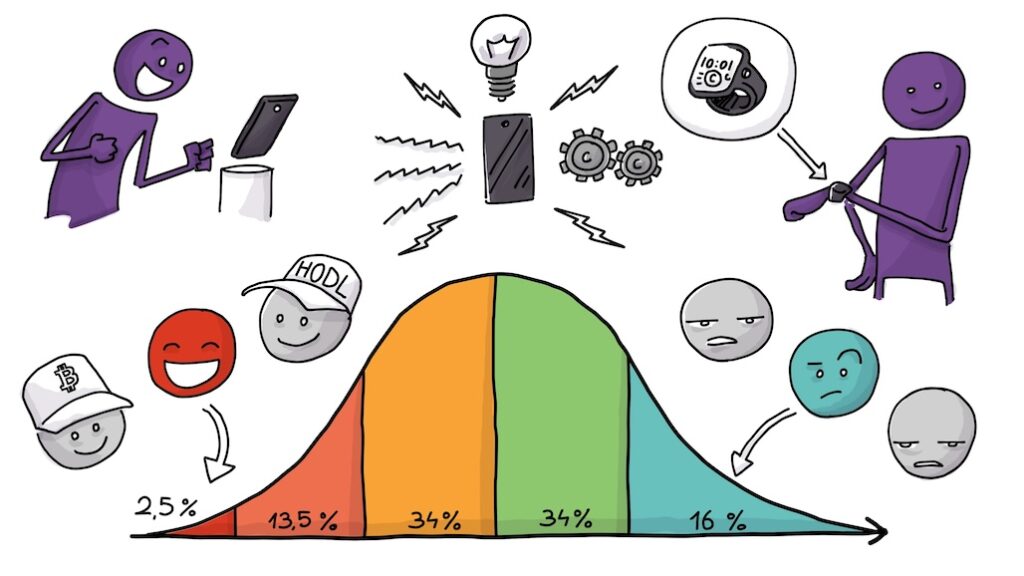
The Diffusion of Innovations Theory explains how new ideas, products, and trends spread through a community in a predictable pattern. Introduced by sociologist Everett M. Rogers in 1962, it classifies people into five adopter categories: Innovators, Early Adopters, Early Majority, Late Majority, and Laggards. The full story This is the pattern new trends and inventions … Continue reading "How New…
There are no solutions. There are only trade-offs”, Thomas Sowell famously said. This video explores the principle of tradeoffs—the paradox of choice, the price of opportunity and the wisdom of prioritizing what matters most. the full story Every day and with each decision, you make a trade-off. Because every time you gain something, you also … Continue reading "The Paradox of Choice" The post The…
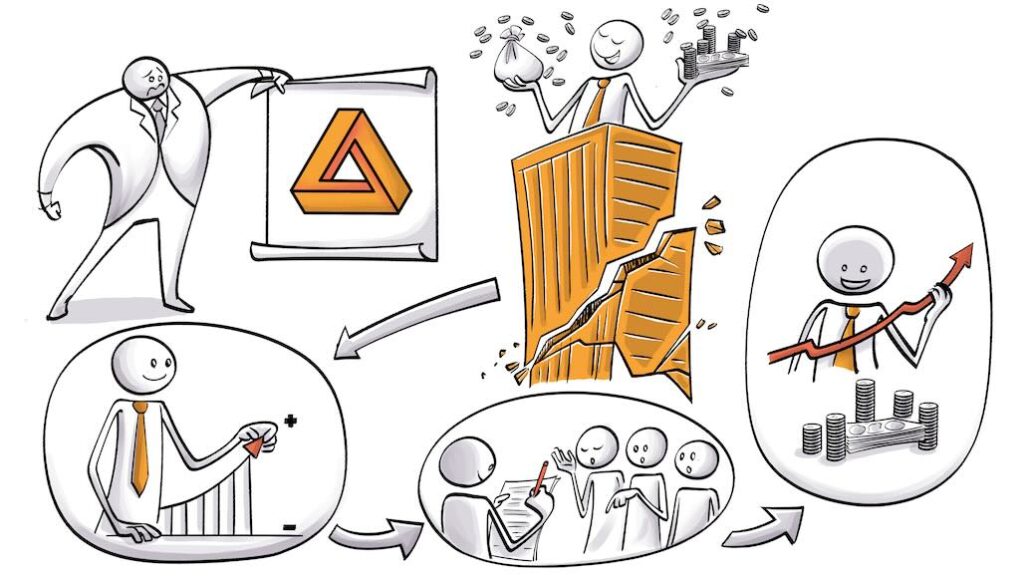
The Innovator’s Dilemma reveals an astonishing paradox in business: successful companies tend to fail not because they do anything wrong, but because they do everything right. The theory explains why giants like Blockbuster collapse while disruptors like Netflix rise, showing how the S-curve of innovation and seemingly inferior technologies can reshape entire industries—an idea first … Continue…