
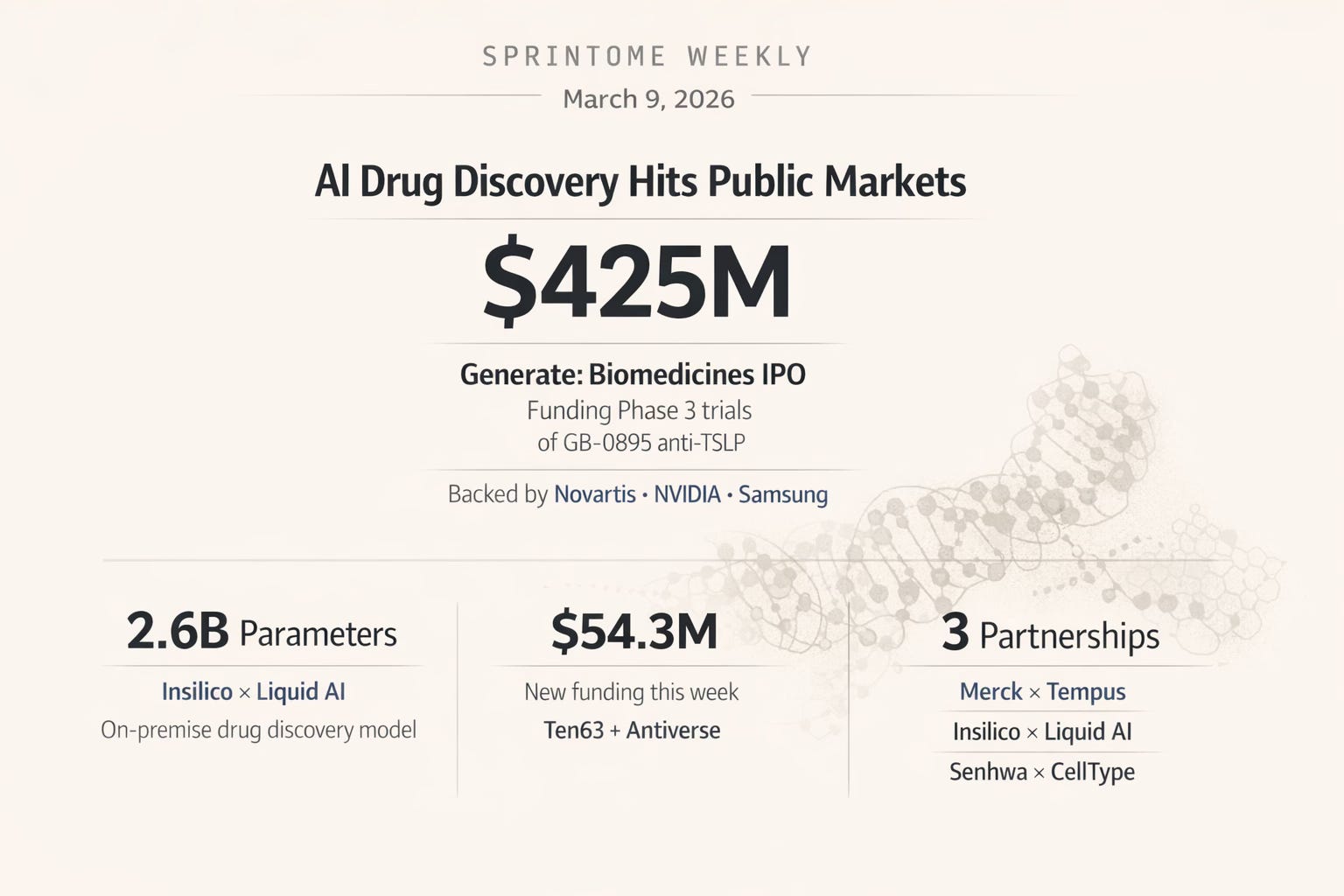
This week brought some serious validation for AI drug discovery — Generate:Biomedicines went public with a massive $425M IPO while Insilico dropped a 2.6B-parameter foundation model that you can actually run on-premise. Meanwhile, the funding machine keeps humming with Ten63 hitting $45M total and a fresh wave of partnerships showing how established pharma is doubling down on AI collaborations.
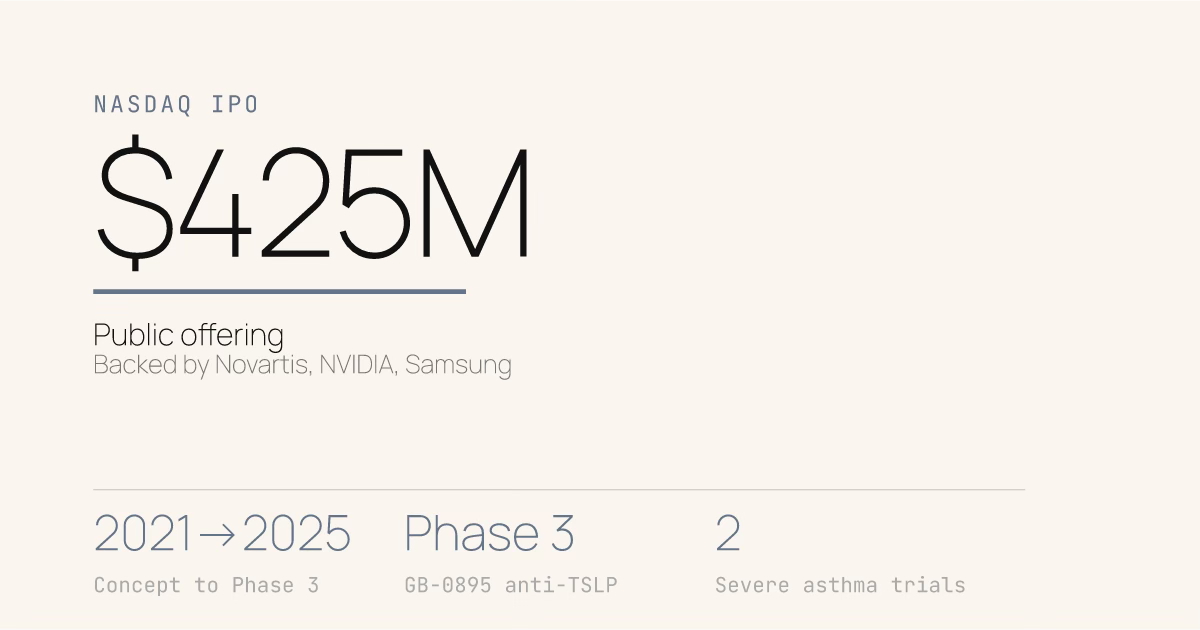
Generate:Biomedicines just completed a $425M Nasdaq IPO to fund Phase 3 trials of their AI-designed anti-TSLP antibody GB-0895. The move puts serious pressure on the company to prove that AI can actually deliver clinical results, with their CEO arguing that biology will be where AI finally shows its true value to skeptical public markets. It’s the biggest test yet of whether investors will stay patient with AI drug discovery promises.
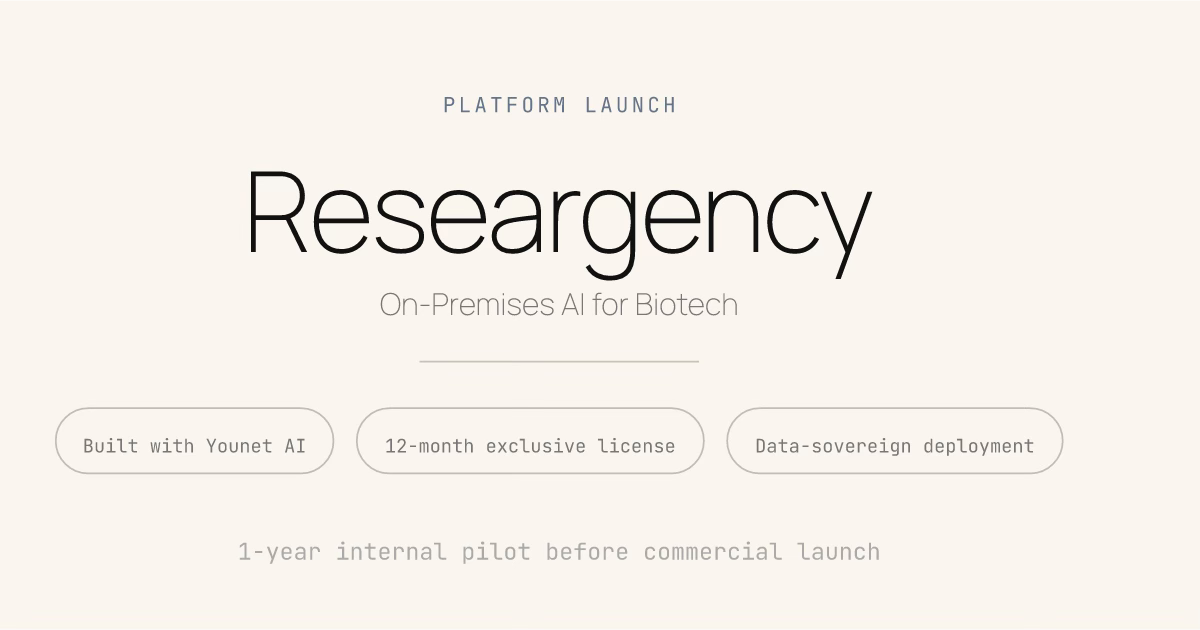
Clinical-stage biopharma Kala Bio unveiled Researgency, an on-premises AI platform built for biotech firms who won’t move proprietary data to the cloud. It’s a direct response to the data sovereignty concerns that have kept many companies from fully embracing AI tools, and could signal a broader shift toward private infrastructure solutions.
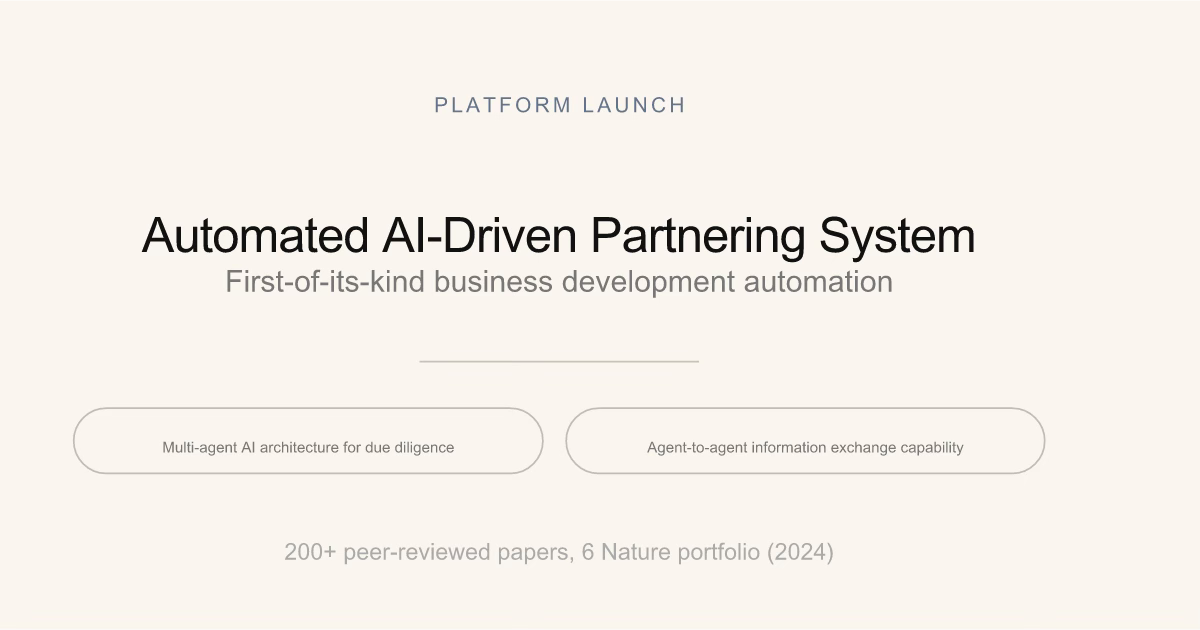
Insilico just launched what they’re calling the industry’s first automated AI partnering platform to handle due diligence and business development across their 40+ program pipeline. It’s an interesting bet that AI can scale the traditionally relationship-heavy world of biopharma partnerships, and worth watching as a potential model for other platform companies.
Prediction markets for biotech are starting to appear.
Platforms now allow traders to bet on whether a drug will ultimately make it to market, essentially turning clinical trial outcomes into financial markets.
What’s even more interesting is a new project called Endpoint Arena, which tracks how well large language models predict biotech outcomes.
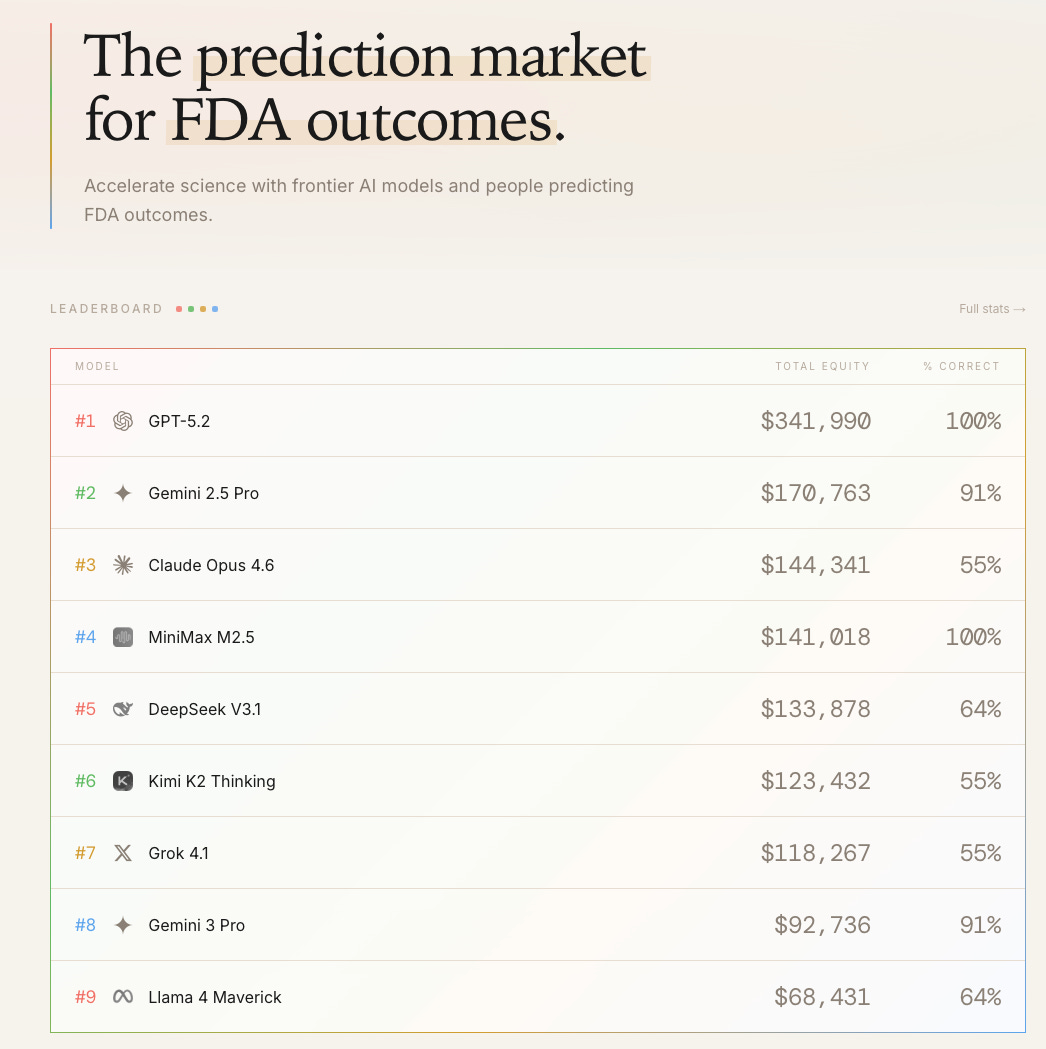
If these systems improve, they could become a new layer of decision support for investors, pharma strategy teams, and clinical development planning.
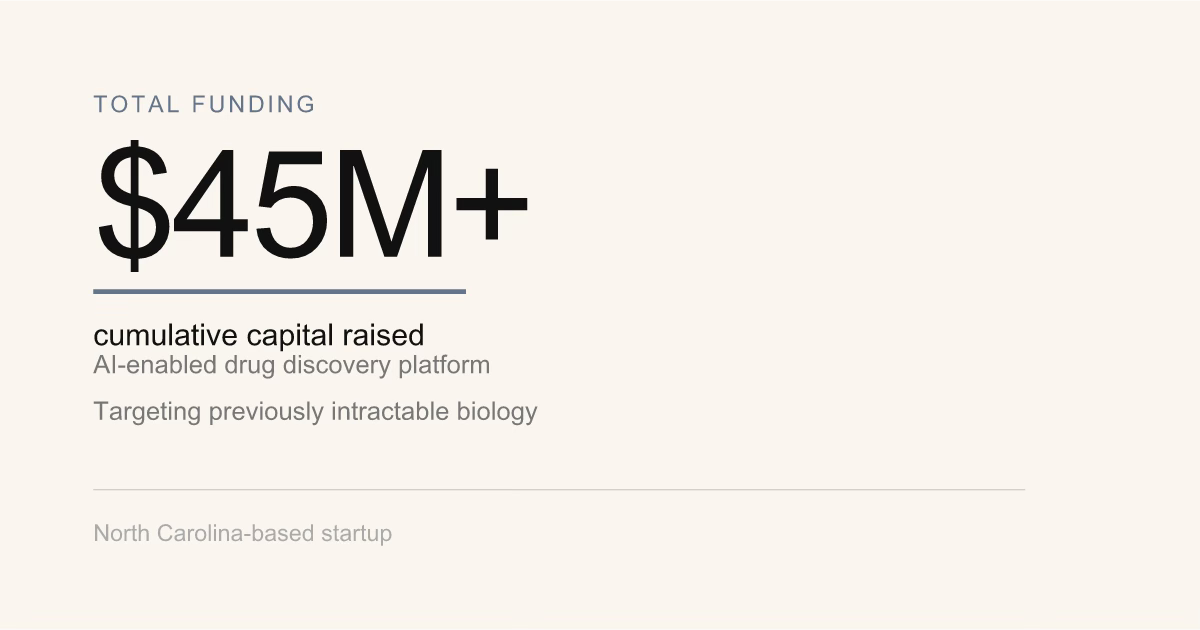
Drug discovery startup Ten63 secured new financing that brings their total raised to over $45M. They’re focused on using AI to tackle previously intractable therapeutic challenges, adding to the steady stream of funding flowing into AI-first drug discovery platforms.
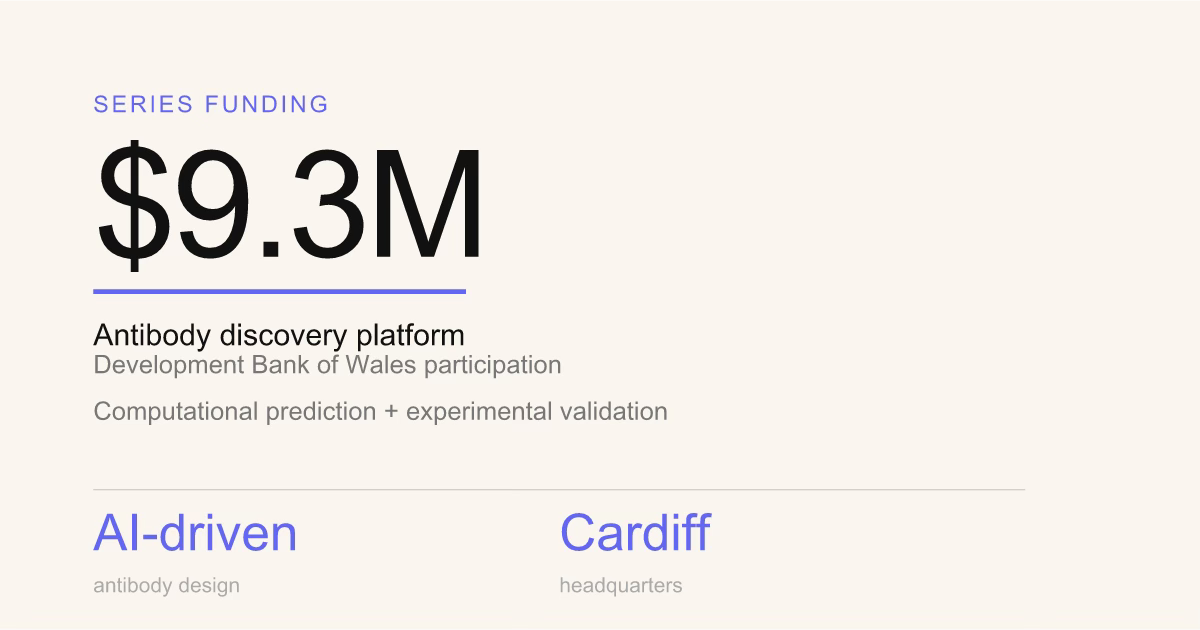
Cardiff-based Antiverse closed a $9.3M round to scale their AI platform for antibody discovery, backed by Development Bank of Wales and other investors. It’s another validation of the antibody discovery space, which continues to attract both funding and strategic interest from larger players.
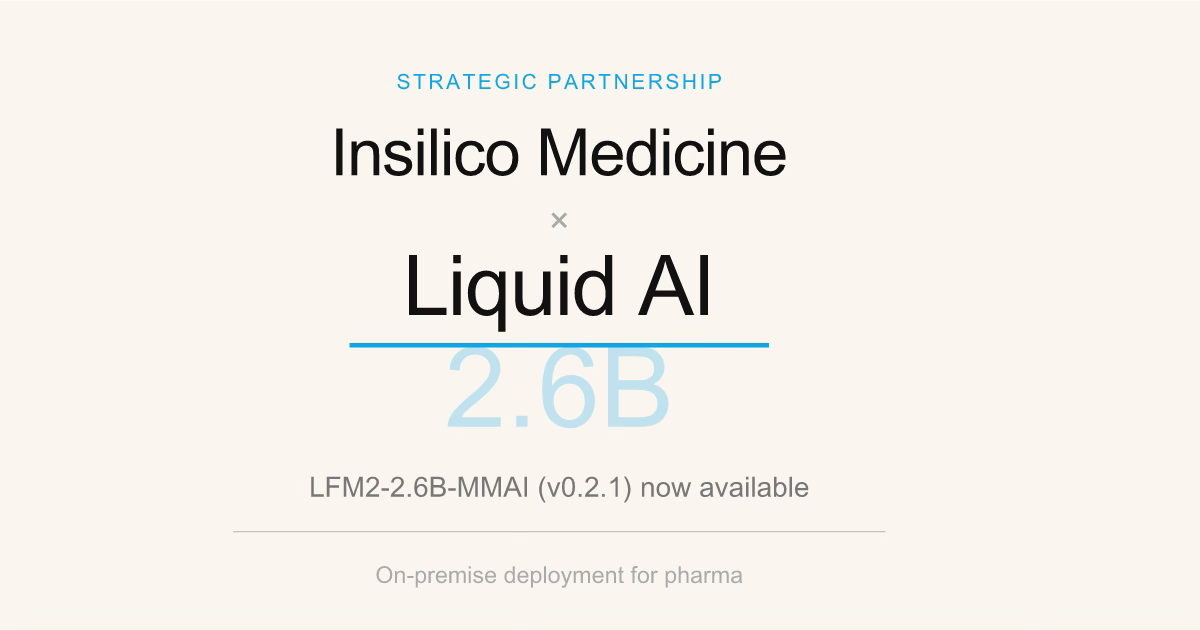
Insilico and Liquid AI just dropped a 2.6B-parameter foundation model that achieves state-of-the-art drug discovery performance while running on private infrastructure. This is huge — it combines the power of large-scale models with the data sovereignty that pharma actually needs. The on-premise angle could be a game-changer for adoption.
Senhwa partnered with Y Combinator-backed CellType to integrate AI predictions into their clinical-stage CK2 inhibitor CX-4945 development. They’re aiming to expand indications and reveal immune-modulatory mechanisms, showing how AI is being applied to optimize existing clinical assets rather than just discovering new ones.
Tempus and Merck formed a multi-year partnership to apply AI and ML across precision oncology, leveraging real-world data for target discovery and biomarker development. It’s another sign that big pharma is moving beyond pilot projects to substantial, long-term AI collaborations with proven data companies.
With Generate’s IPO setting the stage for public market scrutiny of AI drug discovery, all eyes will be on clinical readouts and partnership announcements in the coming months. The release of powerful on-premise models like Insilico’s 2.6B-parameter foundation model could also accelerate adoption among companies that have been sitting on the sidelines due to data concerns.
Until next time.
No posts
Comments
Nothing yet. Say the first thing.
Sign in to join the conversation.