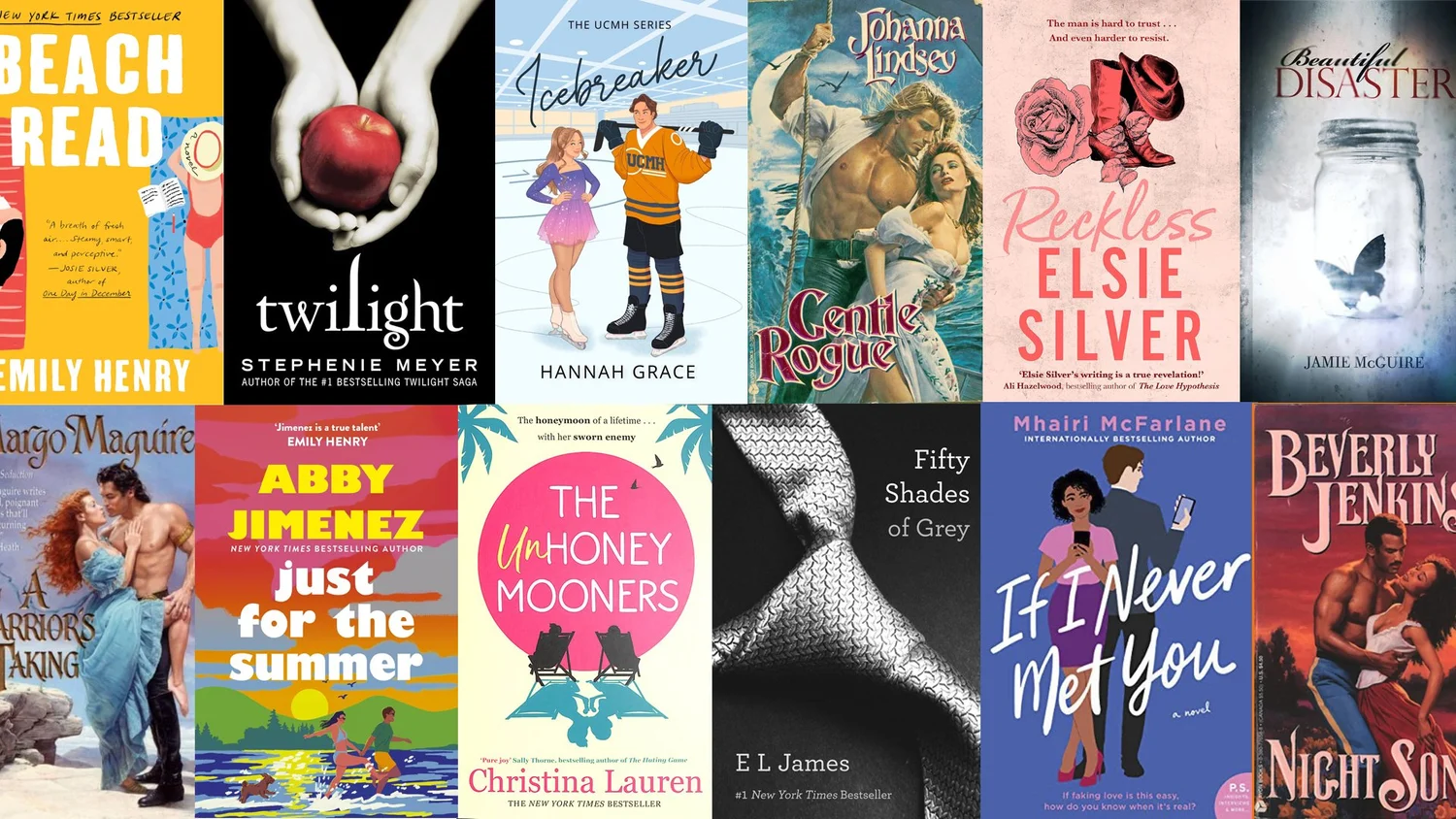
Stand in front of the romance table in any bookshop and let your eyes go slightly out of focus. If not for the titles, the covers could easily start to blend together. Vibrant pinks, corals, and teals serve as backdrops for vaguely human-shaped blobs. Anonymous and amorphous, these silhouettes representing the romance hero and/or heroine could be any one of us. They’re both no one in particular…
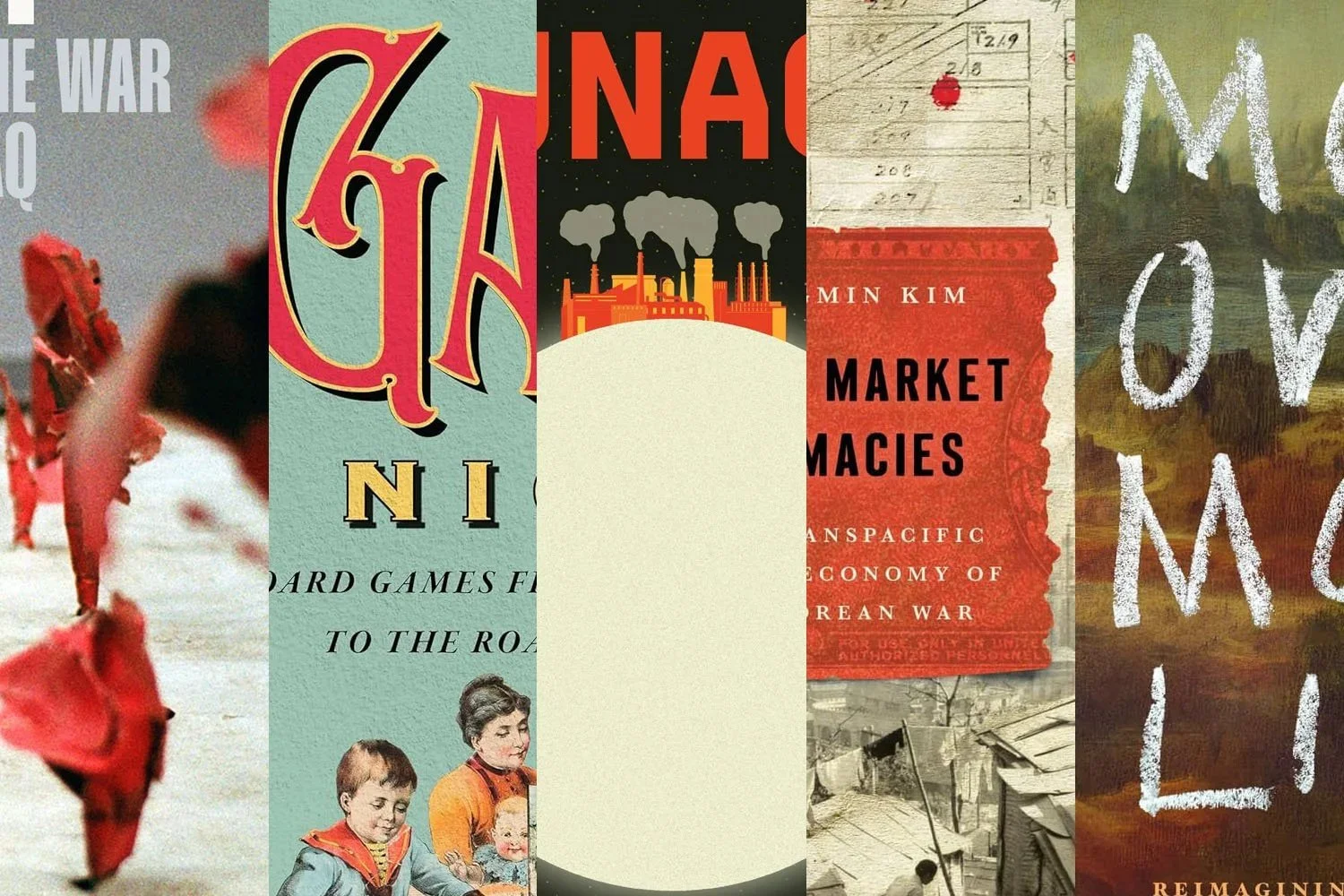
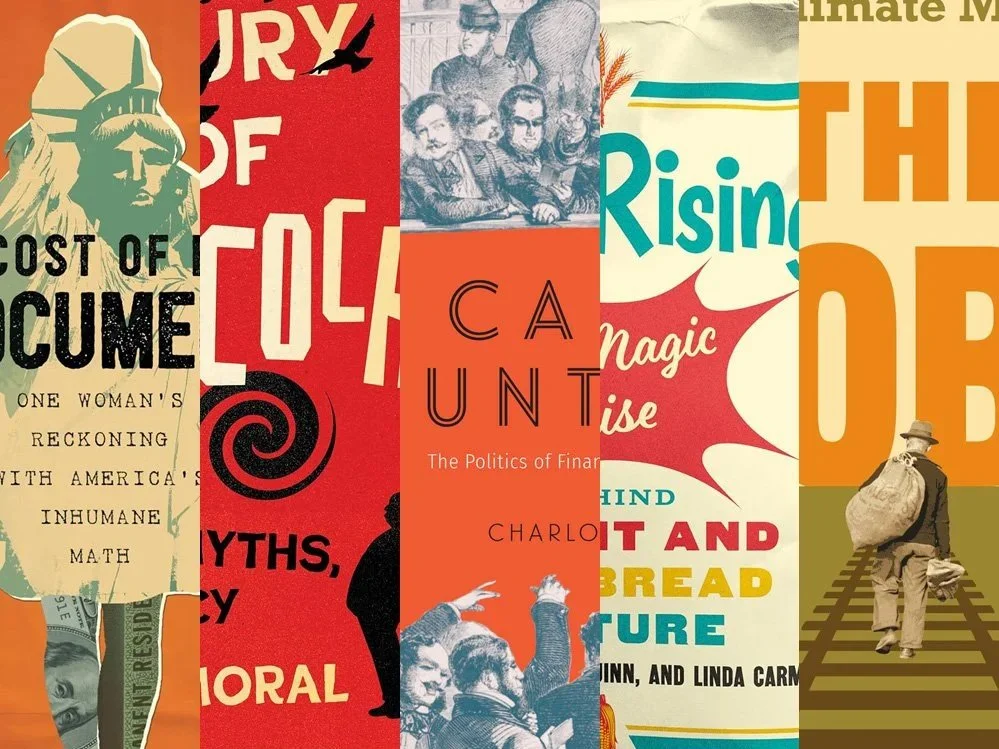
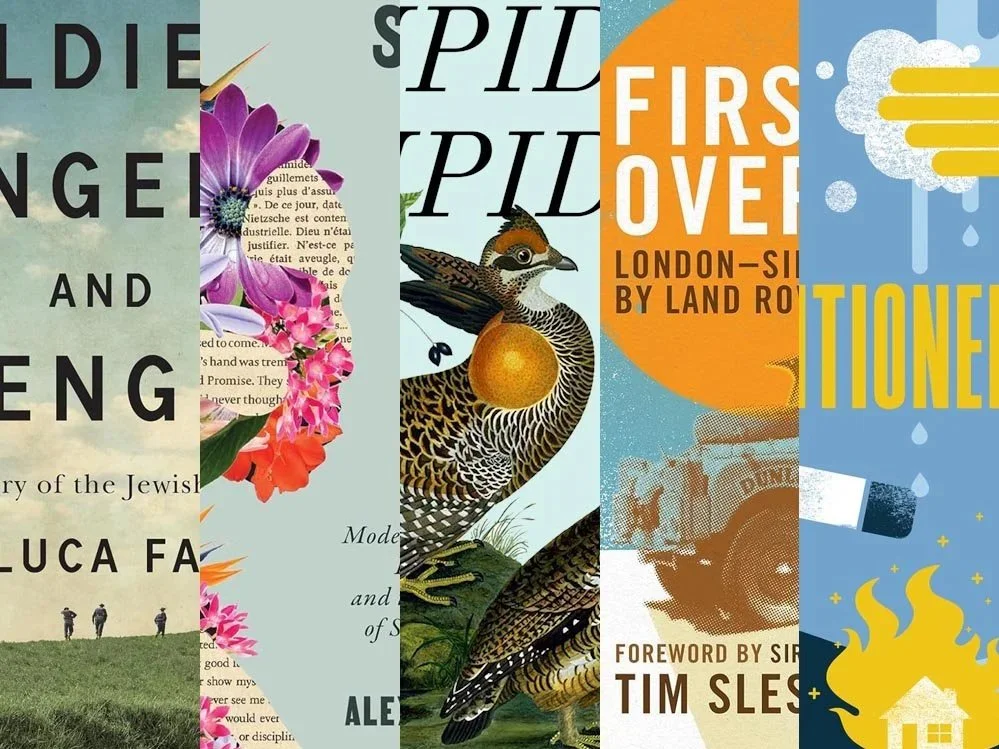
Welcome to our University Press Coverage — known as the Uni-Press Round-Up on the right side of the Pond — a ongoing feature in which we highlight, with commentary, a selection of university and academic cover designs published this month. Please enjoy this celebration of amazing work.
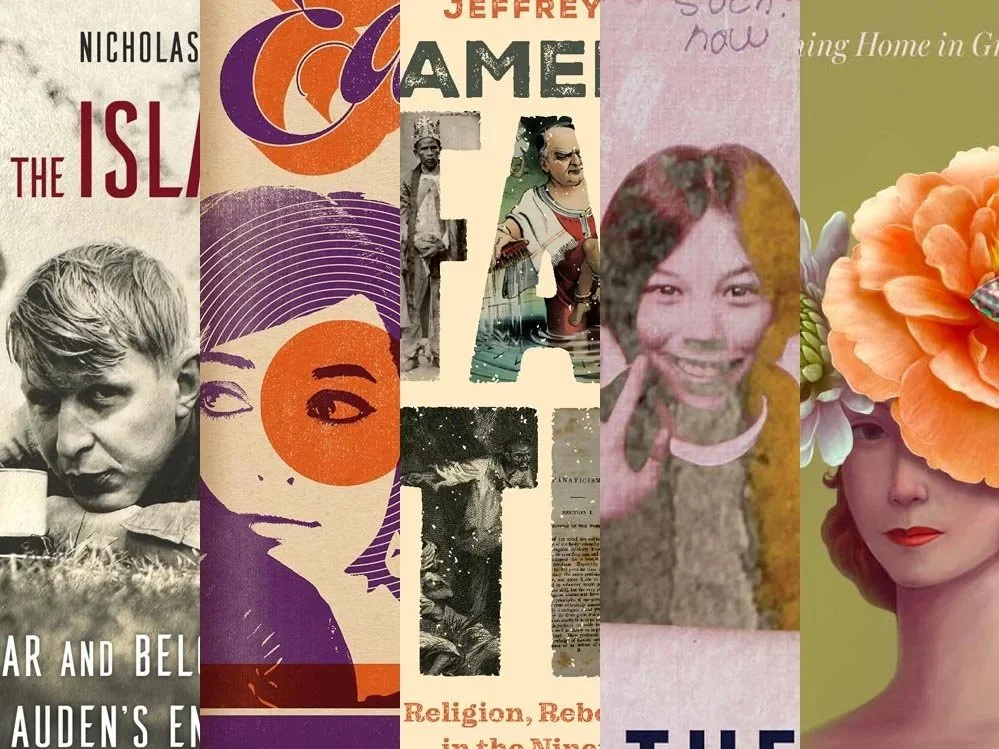
Welcome to our University Press Coverage — known as the Uni-Press Round-Up on the right side of the Pond — a ongoing feature in which we highlight, with commentary, a selection of university and academic cover designs published this month. Please enjoy this celebration of amazing work.
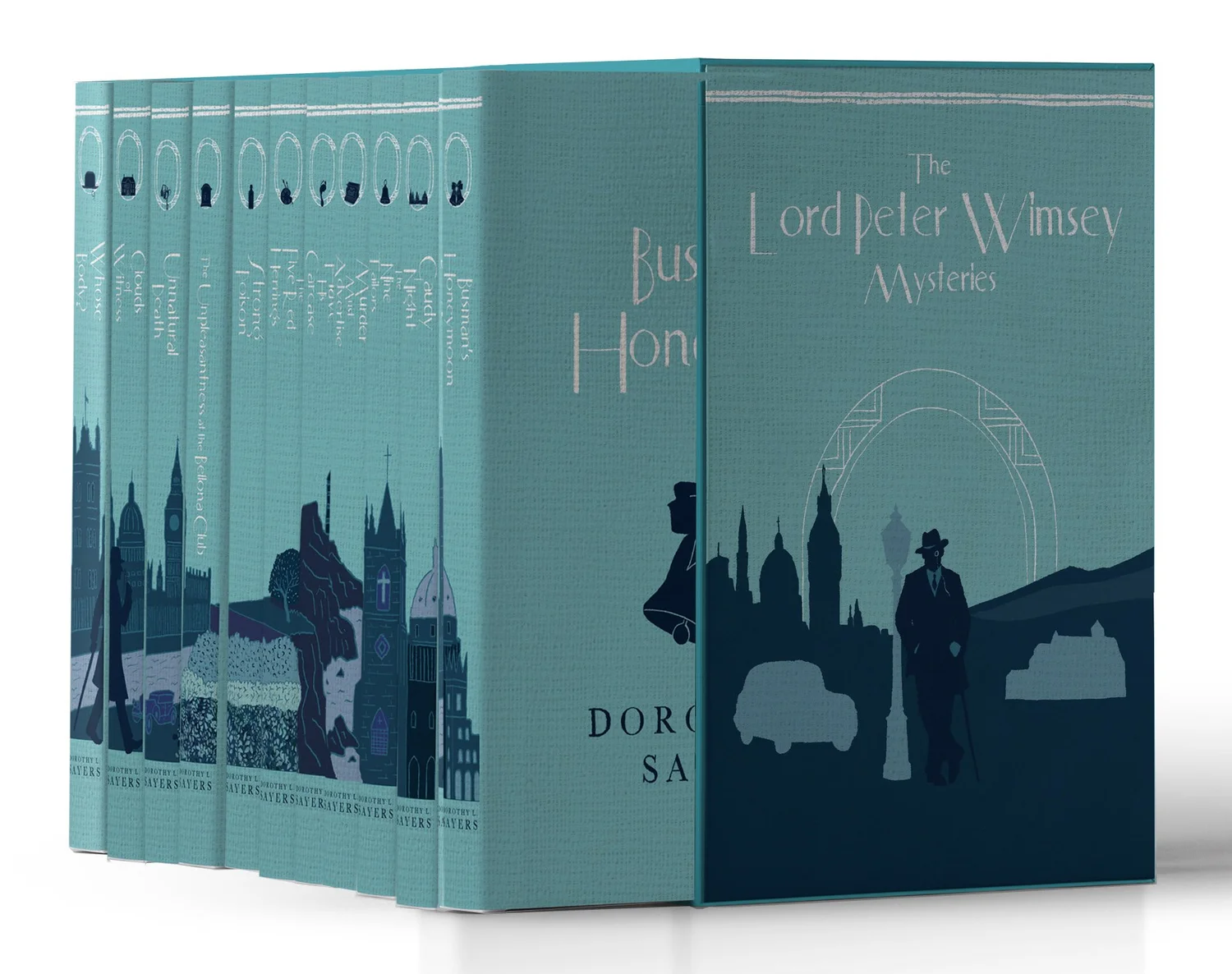
As readers, we emotionally experience a book cover before we consciously analyse it. Before we've read the blurb or discovered the plot, the cover has already begun shaping our expectations through atmosphere, tone and curiosity. That emotional first impression is what fascinates me most about book cover illustration. When I redesigned the Lord Peter Wimsey collection, I wanted to create a series…
Earlier this month I threw caution to the wind and did something which would strike fear into the heart of any self-respecting designer: I produced a book cover from scratch, entirely in public. The setup was simple: a standing desk and a laptop, hooked-up to two large monitors; one facing into Unity Books, New Zealand’s largest indie bookshop, and the other facing directly out of the window…
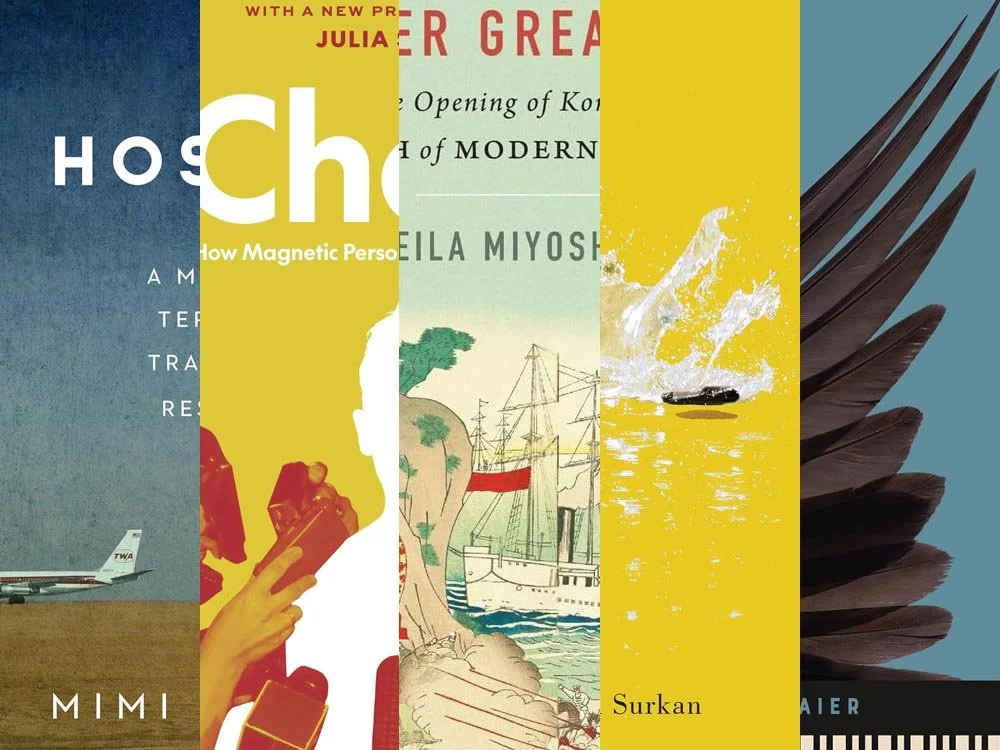
Welcome to our University Press Coverage — known as the Uni-Press Round-Up on the right side of the Pond — a ongoing feature in which we highlight, with commentary, a selection of university and academic cover designs published this month. Please enjoy this celebration of amazing work.
Welcome to our University Press Coverage — known as the Uni-Press Round-Up on the right side of the Pond — a ongoing feature in which we highlight, with commentary, a selection of university and academic cover designs published this month. Please enjoy this celebration of amazing work.
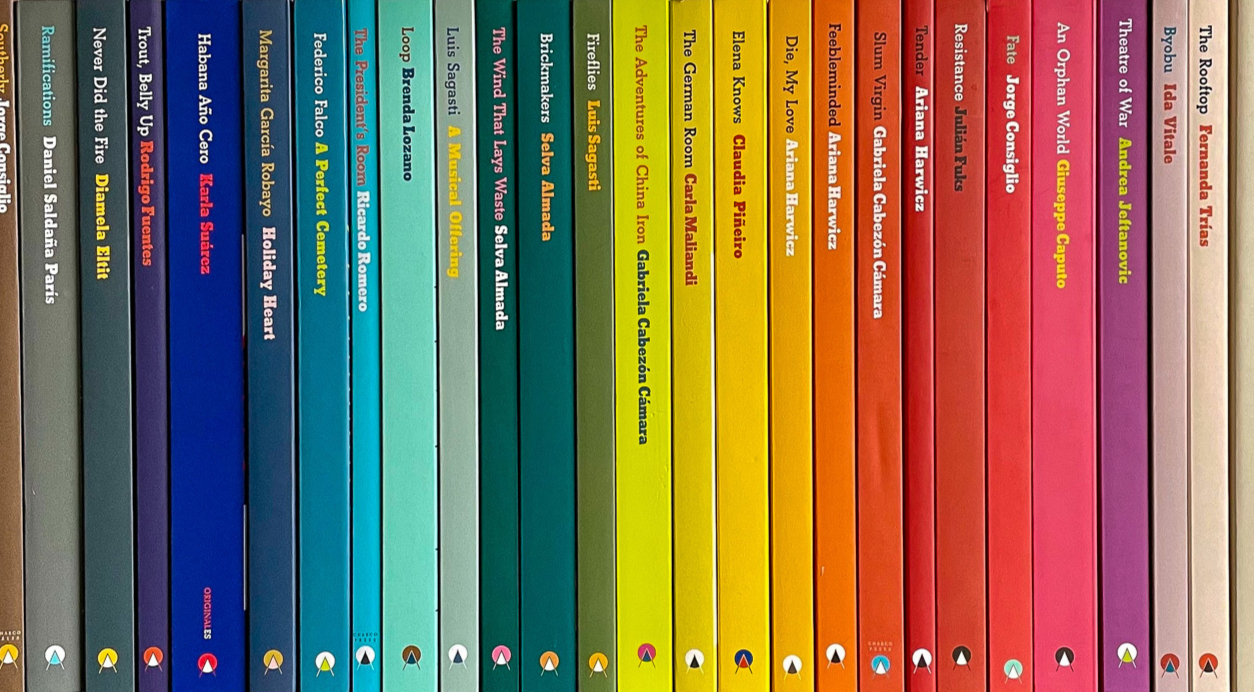
Walk into any lit-fic dominant bookshop — or browse your aesthetics-driven bookish social media of choice — and you’ll quickly notice a growing trend: minimalist, serialized cover design. This might come in the form of classic paintings across similar-looking covers. Or just a white serif font on the same block of royal blue. No real clues about the contents of the book, and yet the right reader…
Welcome to our University Press Coverage — known as the Uni-Press Round-Up on the right side of the Pond — a ongoing feature in which we highlight, with commentary, a selection of university and academic cover designs published this month. Please enjoy this celebration of amazing work.
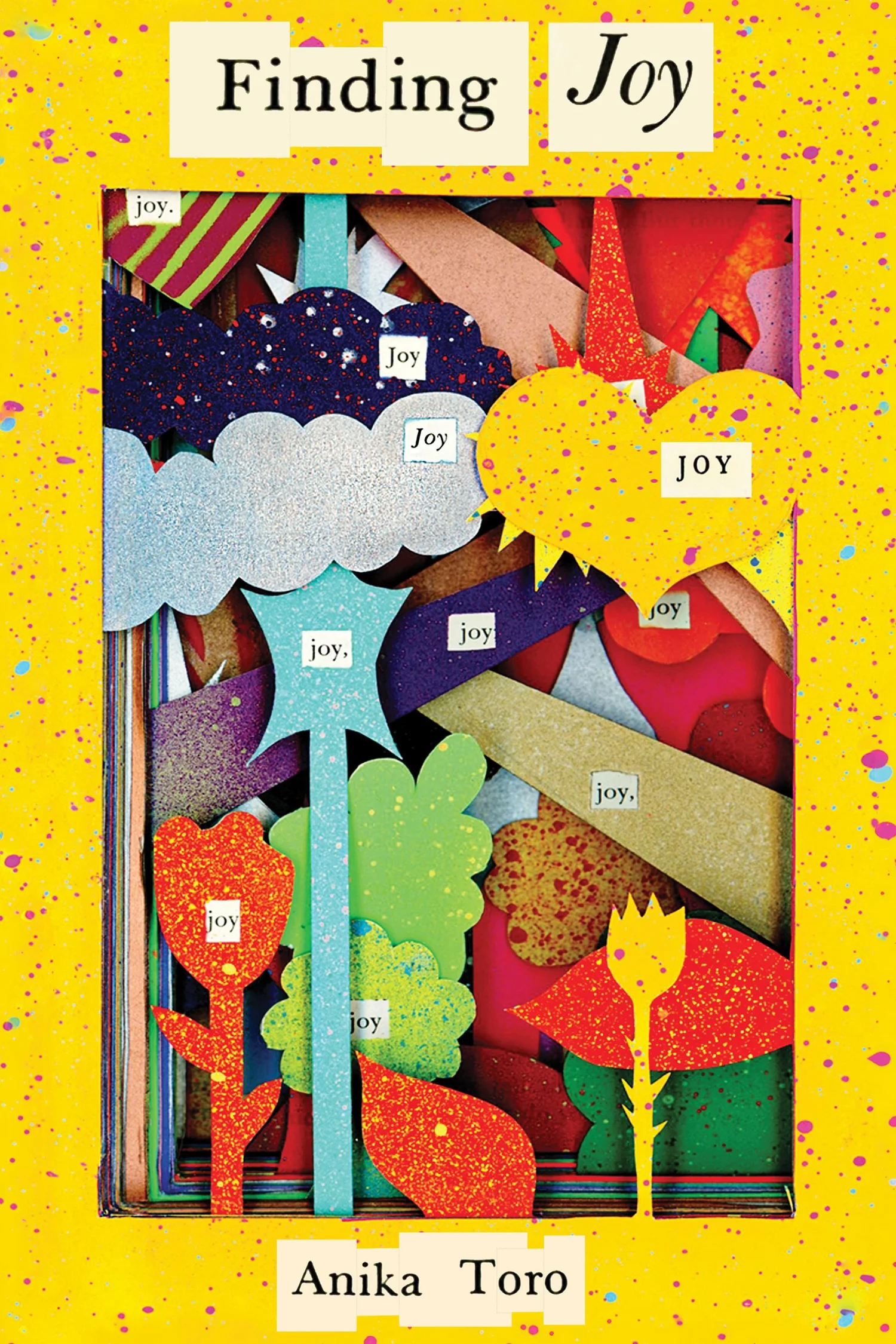
You’re about to publish a book of mixed media art and found poetry, but you’ve said you never intended to make a book at all. How did this project begin? It started as an attempt to make more freely. I was feeling like I put a lot of judgement and constraints onto my making practice. I wanted to change that as well as experiment with breaking rules I had learned from the art world and art school.