
Last week a group of indigenous youth embarked on a 310-mile kayaking trip that hasn’t been possible for over a hundred years. After the largest dam removal project in US history, the Klamath River is finally running free from source to sea. This group is paddling across its restored length to honor the river that has been the lifeblood of their tribes for thousands of years.
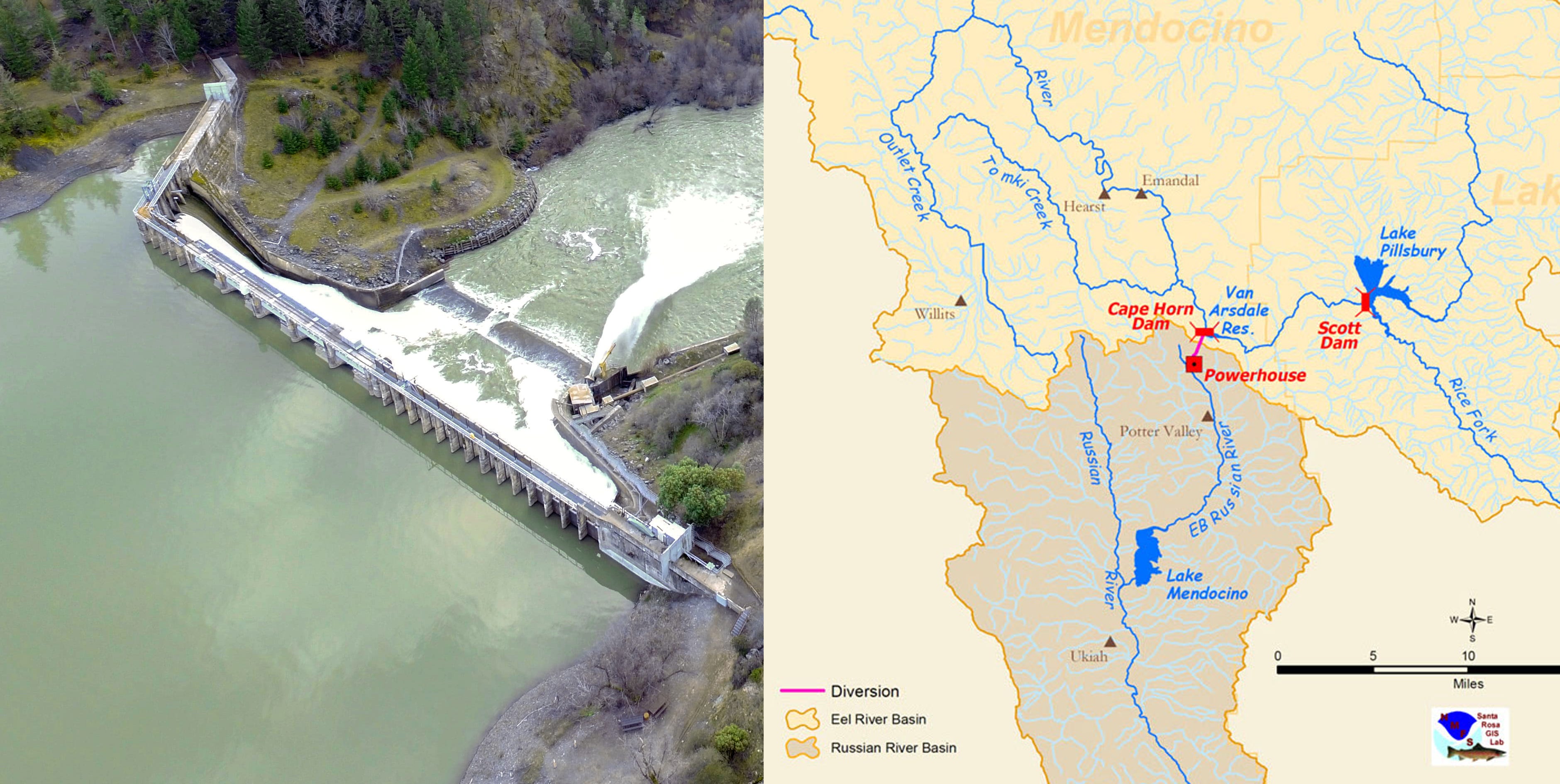
A few counties south, there is more good news. Two dams are being removed to restore the natural flow of the Eel river, allowing the rehabilitation of a salmon population that has suffered for over a century from blocked access to their spawning grounds. Echoing Klamath’s inspiring story of restoration and reparation, the Round Valley Indian Tribes who have ancestral ties with the Eel will regain sovereignty over the river and its water rights.
I wish I could say this was spurred by an intrinsic desire for indigenous rights and ecological restoration, but it ultimately came down to economics. The dams, which were constructed for hydroelectric purposes need frequent and expensive maintenance that adds up to users paying $20 for every $1 of electricity the dams are producing. PG&E came to the rather straightforward conclusion that these dams needed to be taken down. Even though the decommission will come with a price tag of $500 million (or over $2 billion), it’s still cheaper than keeping it running.
Here’s where it gets interesting. This power plant relies on water that flows through a diversion tunnel from the Eel River into the Russian River (where I live). The tunnel was built for the sole purpose of generating electricity, but had the unintended consequence of buffering river levels in the Russian River, unnaturally inflating its summer height for over a hundred years.
In those one hundred years, the local economy along the Russian River has adapted to this quirk of engineering, allowing wineries, farms, and tourism to thrive with more summer water than they would have otherwise. This decommission be a cultural, ecological, and economic boon for the Eel River watershed, and an existential crisis for the Russian River.
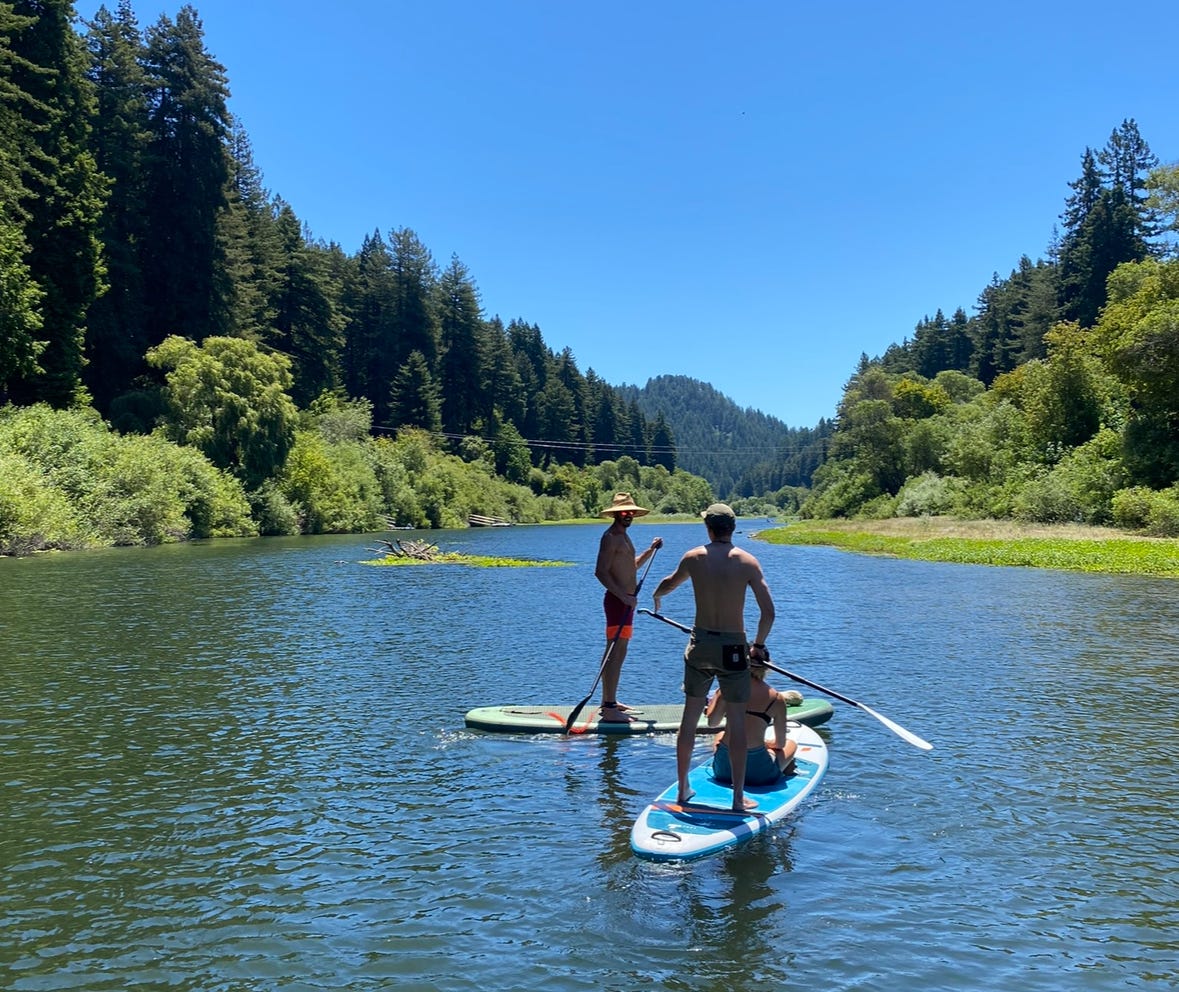
As the deal gets finalized this summer, local residents are rightfully concerned. Might the decrease in summer river levels endanger a local tourism industry that the low-income communities along the lower Russian River deeply rely on?
Negotiating on this dilemma, PG&E, the Round Valley Indian Tribes, and Sonoma County water authorities came up with a compromise they’re calling the “two-basin” solution. While they decommission the old dam and powerhouse infrastructure, PG&E will construct a new in-stream or run-of-the-river diversion (meaning a pumphouse on the side of the river that does not impede the flow of water and can not harm fish). Importantly, this diversion pipe will only divert water in the winter during high flows. Consistent with the reparative nature of this deal, Sonoma County water users will buy the diverted water from the Round Valley Indian Tribes for $1million a year, and pay an additional $1 million to kickstart restoration costs.
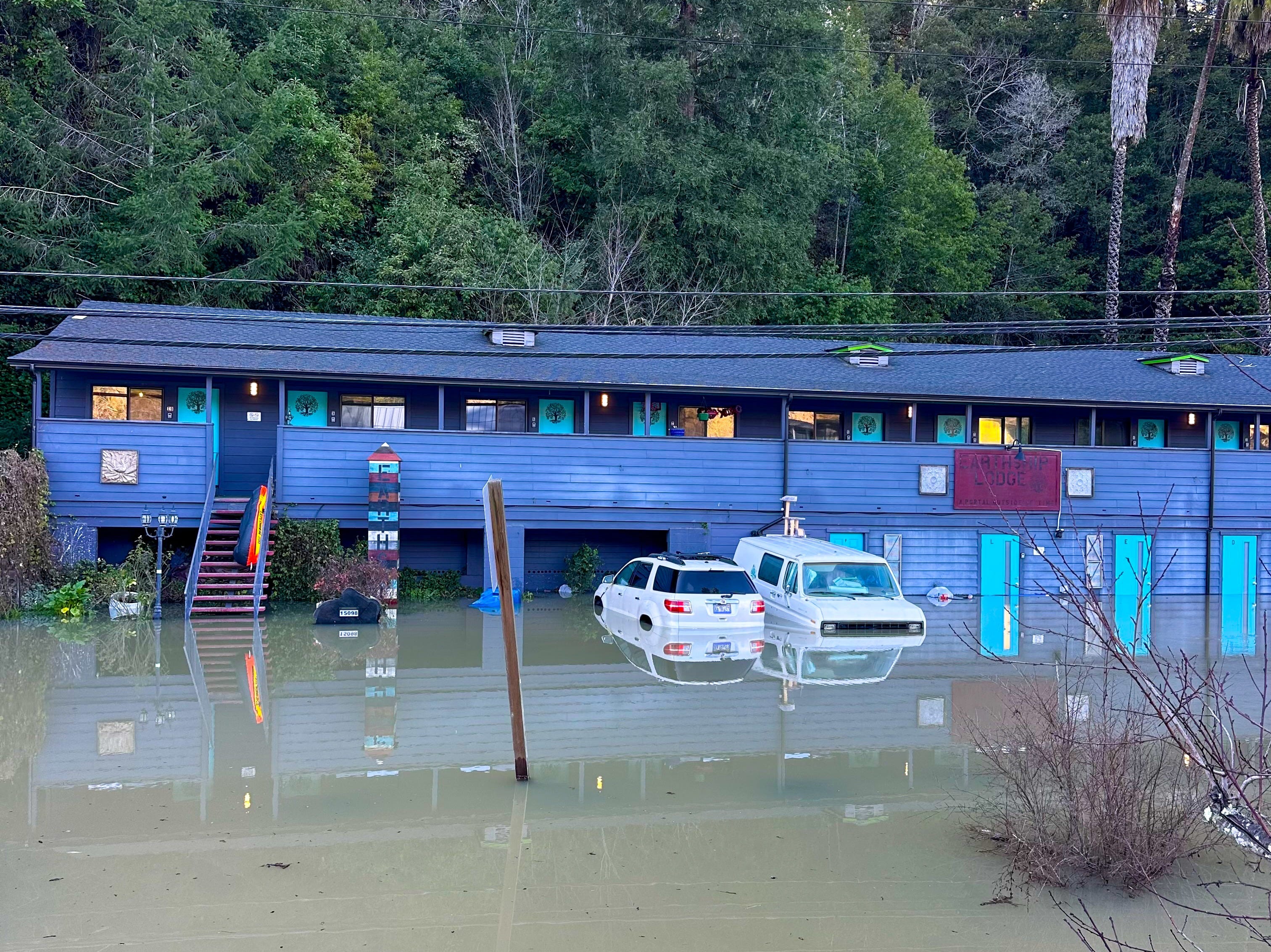
But residents are not appeased. Since the Russian River is usually already saturated and full during the winter —in fact, our little town of Guerneville is notorious for winter floods—this winter-only diversion is a small consolation to Sonoma County, even though it may accomplish its main purpose of recharging the upstream reservoir, Lake Mendocino.
The point being, despite the new diversion, the dam removal is likely to noticeably decrease the summer height of the Russian River. Ecologically speaking, this will have uncertain consequences for our salmon population, perhaps helping juveniles better navigate the slower summer waters, but may also create warmer and shallower conditions perfect for harmful algal blooms that deplete oxygen in the river and kill salmon. What is more certain, economically speaking, is that lower river levels will certainly have affects on tourism and agriculture (our two biggest industries). As someone who has navigated the river in a drought, it is markedly less fun to periodically get out and walk across rocky riverbed than it is to continuously float. Lower water levels are nearly certain to harm our local economy that is deeply reliant on tourism, and may reignite the water scarcity issues we had in previous droughts that put small farms out of business.
“PG&E admits tearing down the Potter Valley Project could rattle the Russian River watershed. In its draft plan, the utility warns of “unavoidable adverse impacts” to water reliability, farming and recreation once diversions stop flowing into the east branch.” -SFGATE
I want to be clear that no local consequences overpower the benefit of unblocking a river and restoring water rights to indigenous groups. The Eel River watershed and the communities of Mendocino will greatly benefit from this project. But as the Guerneville representative on our Municipal Advisory Council, and the husband of the President of the Lower Russian River Chamber of Commerce, we are now in the political position of having to have an opinion for understandably concerned locals.
My official opinion is that there is no point in fighting the decommissioning which is inevitable and also, the right thing to do. Instead, it is up to us to adapt.
Climate activism is largely focused on two buckets: mitigation and adaptation. Adaptation is the work of becoming more resilient to a warming world, and mitigation is stopping all the things that are contributing to making the world warmer in the first place (mainly, fossil fuels).
The decommissioning of this dam is not strictly climate adaptation—it’s an effect of crumbling infrastructure—but it may spur actual climate adaptation (re-hydrating the landscape, spurring on-farm water storage, reducing water demand, etc.), and is a prime example of how ecological restoration and building the infrastructure for resilience becomes more difficult in a warming world.
Our little local dam removal is one tiny story in a giant maelstrom of changes and adaptations that climate, failing infrastructure, and the gutting of social programs will bring about in the next decade. If this is the political project I want to focus on, it would likely take all my energy and attention to adapt to this one shock. What would happen if there is also a wildfire, on top of a recession, on top of global instability and supply chain shocks?
Earth systems professor James Dyke recently explored how adaptation gets harder the longer we wait and the warmer it gets. As scientists collectively admit breaching the 1.5˚C target is a forgone conclusion, the topic turns to how quickly we can stop and reverse “overshoot” above that temperature. In a time when we should be doing everything to limit overshoot, he noted, “instead we are going backwards when it comes to climate action.”
What he worries about in particular is a type of feedback loop he calls “derailment risks” where the effects of warming “impede our ability to deal with existing threats, and stops us from managing future risks”. As these impacts pile up, societies become less able to deal with them and become “are also less able to continue sustainability transitions - in fact such efforts [of adaptation] could become completely derailed.”
—
As a climate activist, people may think I’m most concerned about heat. But it wasn’t heat that inspired me to quit my job and dedicate myself to climate. It was the predicted knock-on effects that climate destabilization can have — how the complex ecological and human systems respond to an increase in heat and climate “weirding”.
What I glimpsed in the 2018 IPCC report and the reporting that followed was the growing possibility that a cascade of chaotic, destabilizing forces could create a world where our societies become incapable of sustained or coordinated response. If we become so mired in drought, heatwaves, famine, forced migration, reactionary totalitarianism, we may become fully paralyzed in our ability to transition to the earth-aligned future we want to live in. Climate change has long been considered (by our own government) a threat-multiplier that often exacerbates existing issues.
The window of stability within which to adapt is ever-closing, and I can feel already how we get mired down by politics and a never-ending deluge of disheartening news and real material demands we can’t seem to keep up with.
I’ll never believe it’s too late, but I am wary of our closing window to adapt to a warming world.
“Spencer, what in the hell are you depressing me for?” I imagine you asking.
Here is ultimately what I am trying to say: adapting to climate change—creating a more resilient future—will never be easier than it is today.
Which makes now a pretty good time to be thinking about all the ways you can make your local community safer and more resilient to a life in “overshoot”.
Our small, seasonal tourist town already lives on the edge of precarity which we witnessed when state road construction nearly put several friends on Main Street out of business. It may seem like a distant memory, but many of these businesses were still recovering from COVID, and now we have the dam decommission set to be completed in the next three to five years. A network that is resilient to one shock, is often tested by multiple shocks in succession.
Will our local businesses survive another shock? And if they don’t survive, our residents won’t survive, and then a death loop of the entire town and likely towns beyond Guerneville. If we want to avoid that future, we have to act now. Here are the ways in which we will think about adaptation to this shock:
Getting Serious about Ecological/Wetland Restoration.
Reducing agricultural run-off that degrades water quality and feeds algal blooms.
Relatedly, encouraging regenerative agriculture and viticulture to reduce fertilizers, pesticides, and increase water-smart farming techniques.
Increasing riparian shade by removing invasive plants and planting native plants along the river. Helps keep the river cool and reduces wildfire risk.
Restoring beavers to their natural habitat to slow winter flows, recharge groundwater, and create more aquatic habitat.
Incentivizing on-farm and residential water storage to buffer for lower summer water.
Reducing water needs year-round to keep reservoirs high
Fighting to allow composting toilets and greywater systems
Switching farms to drip irrigation
Educating and creating culture around water saving techniques (low flow shower heads, replacing lawns with native plants, encouraging pool covers etc.)
All of these adaptation efforts have co-benefits: increasing biodiversity, ecological resilience, reduce the impact of drought, decrease the likelihood of wildfire, and improve the health of our rivers and residents. These efforts are good in and of themselves and will keep summer river levels higher and help keep agriculture and tourism in our area strong.
Building Economic Resilience
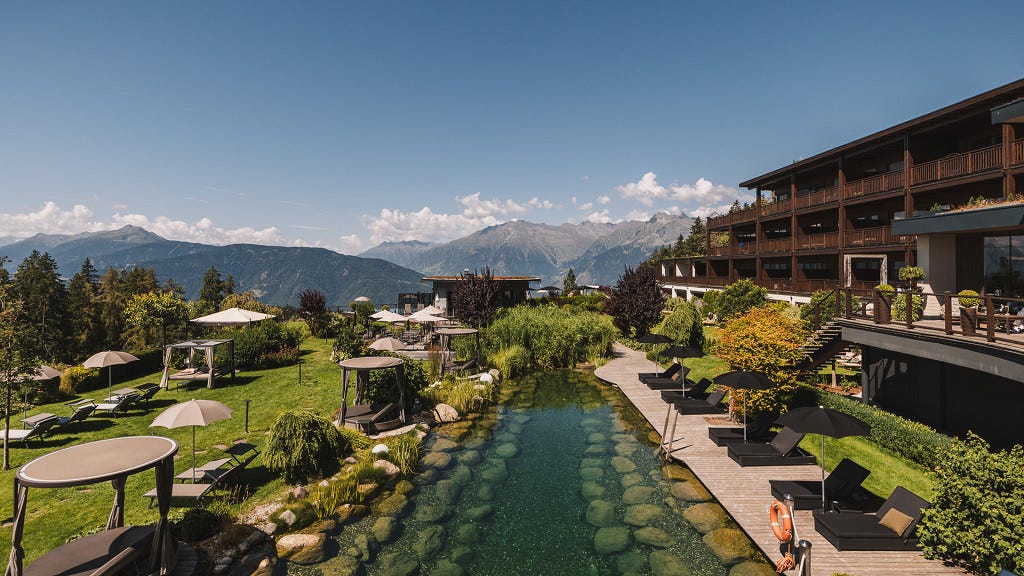
Most tourists split their time here between the river and hotel pools. Pools already offer a fun alternative to river days but the river remains a special and desirable activity. We may consider building natural pools along the river that can serve as a nice middle ground.
Diversifying our tourism by highlighting other activities like hiking in our numerous redwood parks, mountain biking, and numerous coastal activities.
Fostering old and new industries in the area, often highlighting our food and wine.
This is a much longer and larger conversation but: Increasing economic resilience through keeping more of our money local by transffering land from private equity to community land trusts and conventional businesses to worker owned cooperatives.
Many of the businesses almost closed because they were struggling to pay their high rents on buildings owned by absentee owners that don’t live locally. This drains money from our town and squeezes every bit of profit from our local businesses.
One of the things we learned from our permaculture mentors was the importance of “striking when the iron is hot” as far as politics goes. In our last section on “Legalizing Permaculture” we explored the myriad ways that laws stymie if not fully prohibit ecologically beneficial activities, e.g. the water-saving compost toilet.
There are numerous ways that we could be more resilient, ecologically restorative and resource-efficient but many of these are currently illegal or behind too much red tape to be realistically affordable.
Adaptation will not be free. Popular and political will are crucial but we will also need the real material, monetary support in transitioning. Ultimately, policy does matter, and public dollars have massive potential to subsidize and catalyze adaptation efforts. No matter how motivated you are, we’re not likely to solve the climate crisis without the help of policy.
Our mentors have been active in politics for decades, and have dealt with the futility of wasting energy running up against a wall of red tape. Learning from this process, and learning the importance of using our own personal energy efficiently, matching effort and impact, they counseled to wait for moments of leverage. For example, the best time to pass water-saving legislation is during a drought, or perhaps, the removal of a dam that has everyone concerned.
People are constantly overwhelmed by a million things, its rare to get attunement amongst a population where everyone’s attention is fixed on a singular topic. These fever pitches are what need to be captured.
That is what this dam removal will do: it will create a very specific incident to rally around and hopefully make it easier to pass legislation that we’ve always needed around water-conservation and more ecological farming.
—
In our town, a dam removal might become the focus point of our resilience (on top of wildfire) but I guarantee there is a local issue in your area that could use attention now before impacts pile on and make every movement more difficult.
Use the fact that there will never be an easier time to adapt and critical moments of opportunity to push on the many levers that need to change to create a resilient economy and livelihood built around well-being for all.
No posts
Comments
Nothing yet. Say the first thing.
Sign in to join the conversation.