
Cory Stearns is about to step into a strange new world—a world that does not revolve around American Ballet Theatre, his artistic home since he joined the ABT Studio Company in 2004. Since his promotion to principal in 2011, Stearns became a star dancer with an encyclopedic repertoire, from Le Corsaire, Don Quixote, Swan Lake, Sleeping Beauty and Giselle; to the English canon including Manon, The Dream and Pillar of Fire; to works by Balanchine, Ratmansky, Tharp, Kylían and Wheeldon.
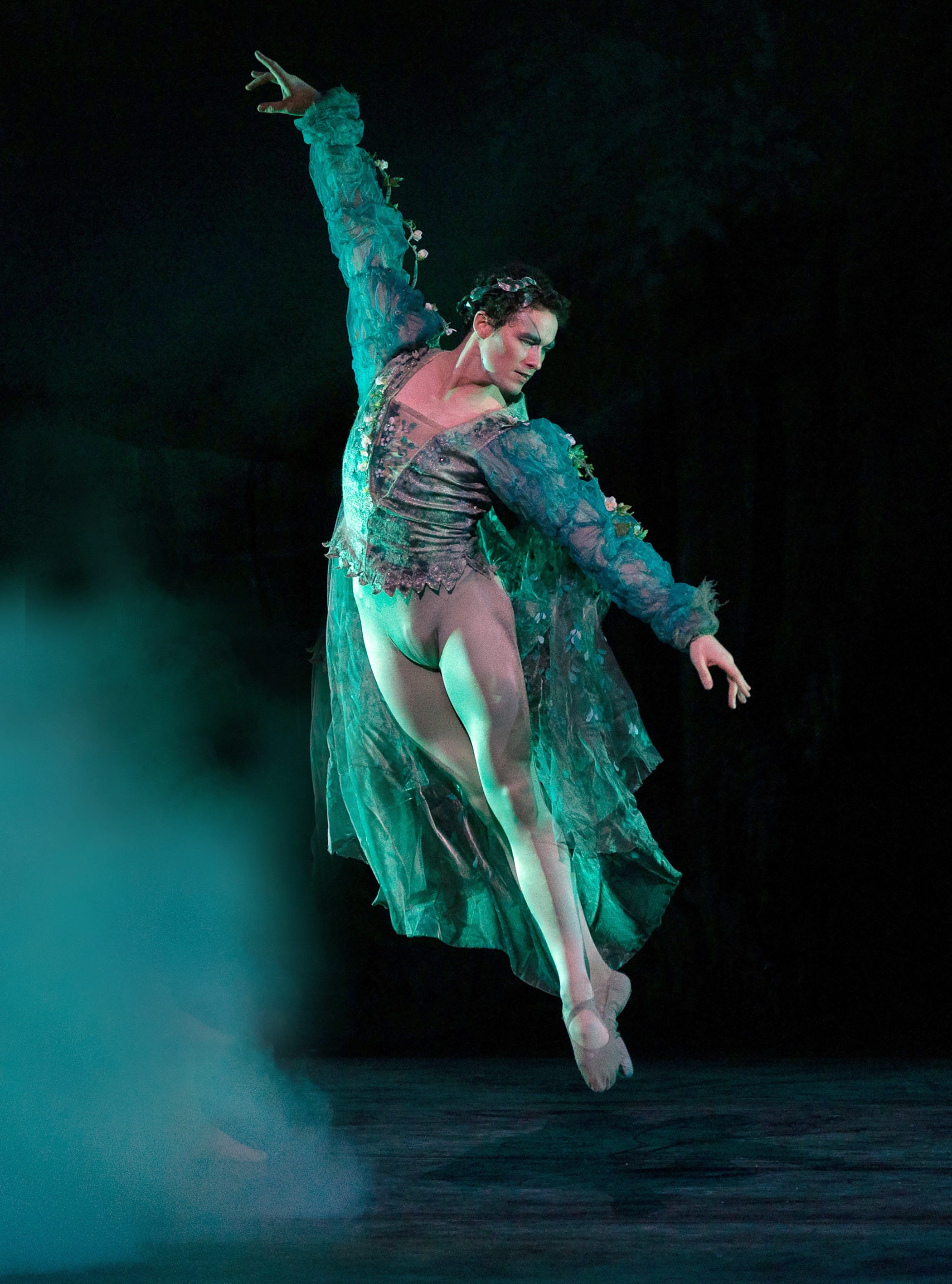
Classically trained since age five, Stearns competed in the Youth America Grand Prix at age 15 and earned a full scholarship to The Royal Ballet School, where he graduated with honors. While a soloist at ABT, he won the 2009 Erik Bruhn Prize (recently rebranded as the Erik Bruhn Festival for Emerging Artists) for best male dancer. Now, at age 40 and after 22 years on stage, Stearns will retire during ABT’s summer season at the Metropolitan Opera House. He will give his final performances on June 23 and 27 in John Cranko’s Onegin, dancing the title role opposite Christine Shevchenko as Tatiana. [UPDATE: Sadly, on June 17, ABT announced that Stearns will not be able to perform because of the knee injury and reparative surgery he discusses in this interview.]
Stearns debuted as Onegin in 2012, and over the years his interpretation has evolved as he has grown as a person. In this edited Zoom conversation, Stearns, who was recovering from knee surgery, talks about how his approach to art has matured over time and shares the wisdom he’s gained through coming to terms with this transition.
Follow @cory_stearns on Instagram. For tickets to ABT’s summer season, click here. Follow me on Instagram @claudiabauer101.
Claudia Bauer: How are you feeling as your final season is approaching?
Cory Stearns: I’m feeling better. It was a real grieving process, of initial denial and then frustration and then acceptance, all that kind of stuff. But I’ve made a real turn upwards in the last two months, and doing [ABT’s spring season at the David H. Koch theater] was very therapeutic. After my first performance of Othello, I was very emotional. You’re working hours per day with the same group of people, especially the four principals of Othello, Desdemona, Amelia and Iago. You see them every day. And when you get to your debut night, there’s a strong feeling of camaraderie and relief and excitement. Experiencing that, and then recognizing, oh my gosh, I have very few of these left—that was very hard for me to handle.
The counter to that for me was that over that weekend, I spent time with [ABT principal] Tom Forster, who is a good friend of mine, and his son. We went to the park, and it was one of the first 70-degree days after a very cold winter. Being outside of the theater and in this beautiful weather and seeing how Tom’s son really doesn’t care about Tom being a principal dancer at ABT, he just wants to spend time with his dad. We played a little football and Frisbee, and then we went to eat. And it settled me down a little bit in terms of feeling like this very niche endeavor that I pursued my entire life should not define my entire existence. I’ve loved it, and it’s hard to say goodbye. But also, it’s so easy to be immersed in that and not recognize how much beauty there is in the greater scope of the world. Once I got my head around that, as the season went on I started being more like, I’m glad I gave it my all. And I’ve been feeling some excitement moving towards this next step.
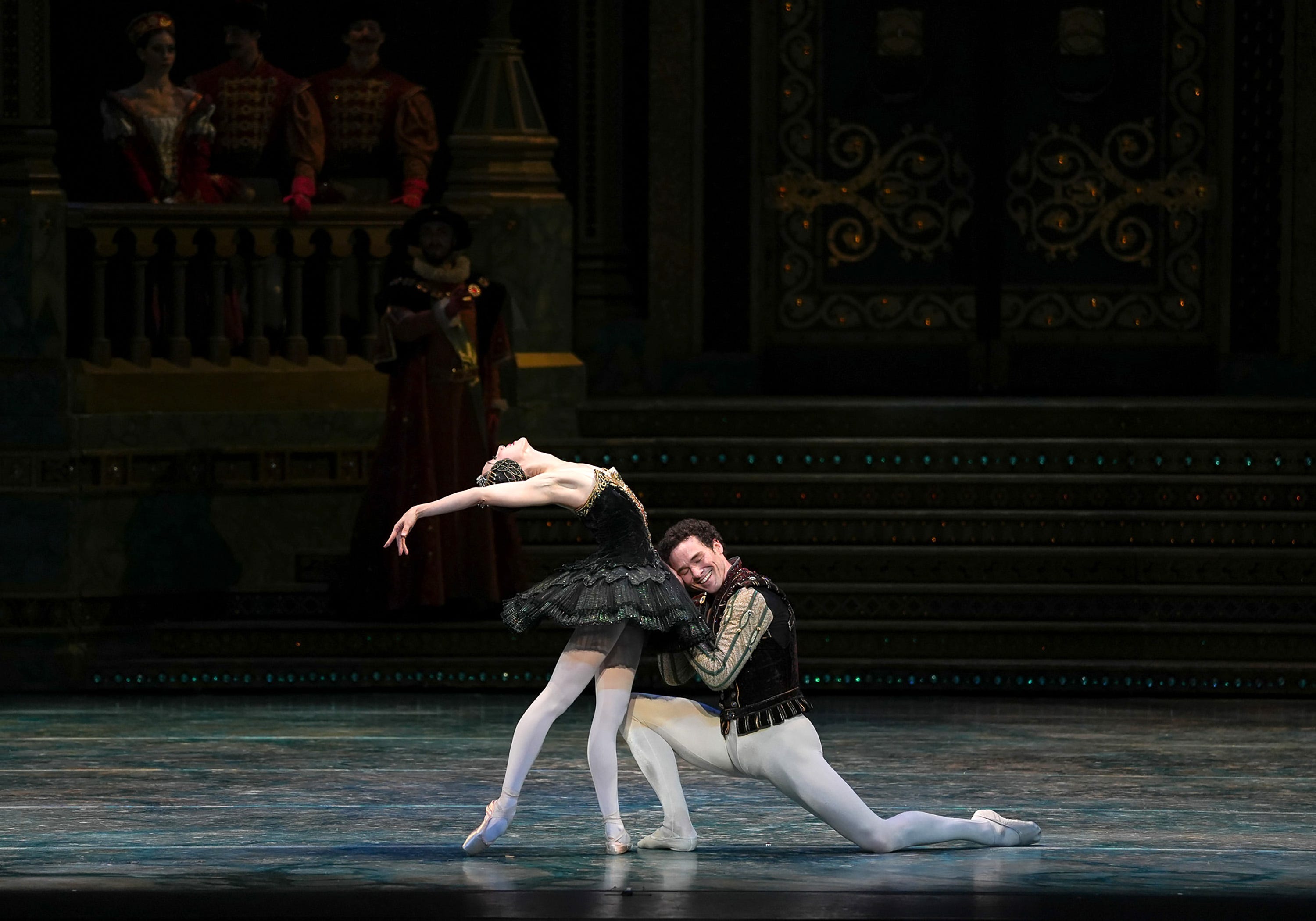
CB: All of us can get siloed in things that we think define us. When we lose those things, we need to know that there is so much more in the world and in life—but that can be so hard to do. So you get to take your final bows at the Met, in Onegin. How does that feel?
CS: I’m grateful that it’s with Onegin. That is one of my favorite ballets. Also, I just had surgery on my knee, so if I’m going to return from surgery, that’s probably the best ballet to do it with [because of the technical demands]. I’m supposed to do Swan Lake, but I’m really not sure. I can show you my knee here. [Stearns angles his phone toward his knee, with two sets of bruised stitches from arthroscopic surgery.]
CB: Oh, wow.
CS: Fortunately, it was a meniscus tear, so that was a best-case scenario. There was just a little floating piece, and another torn piece, and they were able to remove it. After this week of letting it rest, I’ll start my rebound.
CB: Your repertoire is extensive. Do you feel fulfilled artistically, or are there roles you feel like you’re leaving on the table?
CS: I do feel very fulfilled. One of the things that I had to recognize in growing towards acceptance was that I got along so well with Kevin McKenzie. We aligned on our artistic values and we communicated effortlessly. I understood his body language. I understood his general demeanor. I trusted him, and he trusted me. That is very special, and I don’t think that is very common. When I first saw ABT on video when I was 13 years old, I said to myself, that’s the company I want to dance with. So being in ABT for those 17 or 18 years with Kevin, I feel very fortunate that I had that time with somebody that I so respected.
I wanted to dance one more year. That really would have been ideal. My body is definitely not as strong as it used to be, but this is the first time in my career that I feel very comfortable on stage. It took me forever to find this balance of understanding how to trust myself. You gotta trust yourself. But it’s a whole psychological process that you have to go through. It’s such an insular environment, and we associate these performances with our self-worth, so there’s this fear before we go on stage—especially in ABT, because we work for six weeks and get one or two shows.
The Met is intimidating; there are all these critics, and it’s a very cultured city. You have this sense that if you go on stage and you don’t meet your standards, you could be really embarrassed, and you could remember it for the rest of your life. There are performances I’ve been embarrassed about, and I still hold them to this day. At the same time, in recent years I have been able to be a little bit more reasonable about performances in terms of their importance.
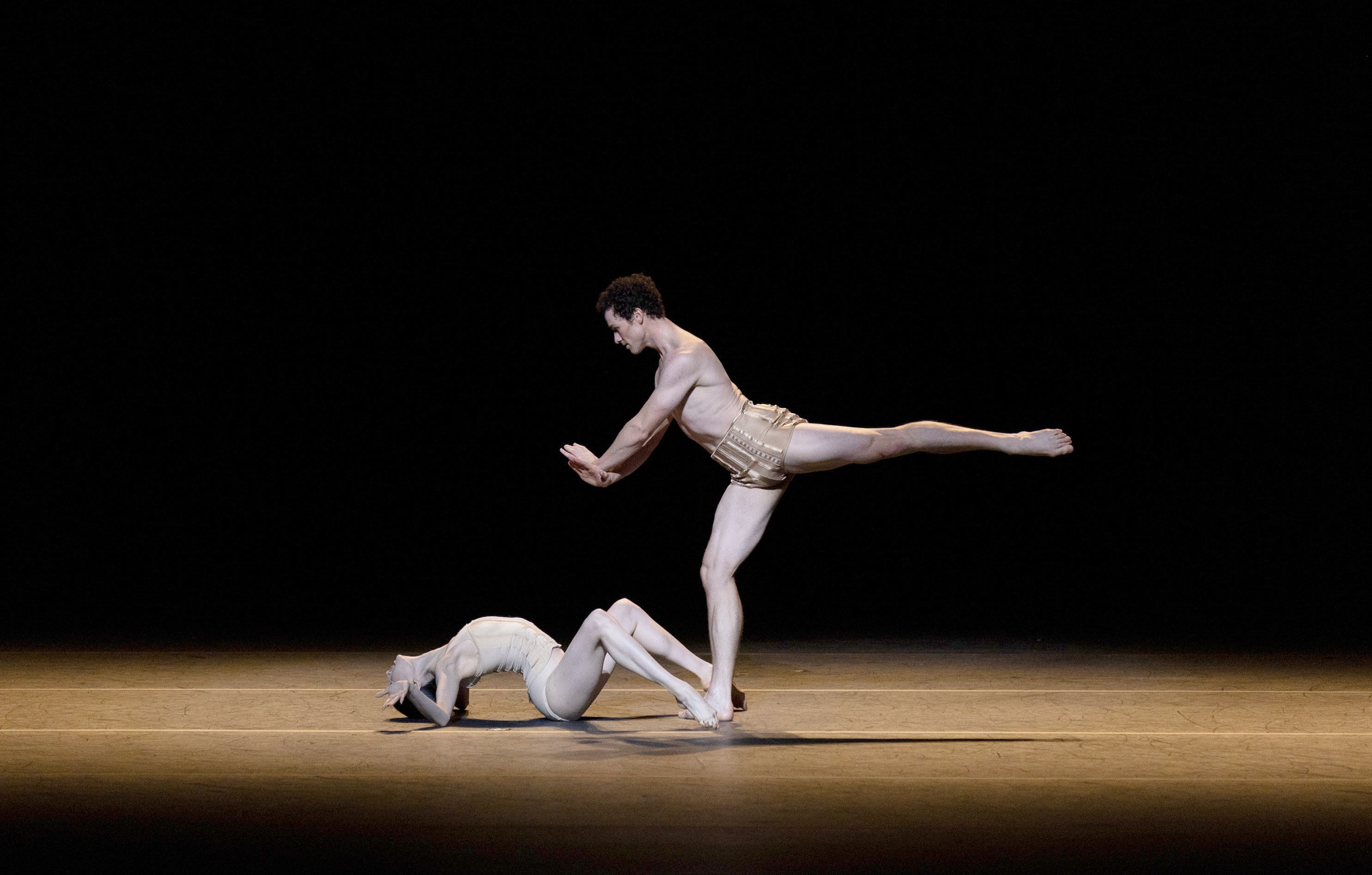
CB: Now that you literally have nothing left to lose, this season might be the most fulfilling of your career.
CS: I am free of the burden, like you just said, of these stakes that I was putting on myself. When you’re in that frame of mind where you’re just reacting, and it’s really moment by moment, it’s very rare that it’s going to go perfectly well, but it doesn’t matter. It shifts the whole priority to just you being immersed and allowing your artistry to come through naturally, instead of planning every single thing out. There’s less fear, you feel more present with your colleagues, and you’re listening to the music better. So, yes, you’re exactly right that emotionally, it’s much more rewarding.
It saddens me that I couldn’t arrive at this mentality sooner, when my body was a little stronger. But I am grateful that I reached this point before I retired. We have these expectations when we’re kids, when we’re teenagers, about what we’re going to be in terms of status. In the beginning, maybe it’s different for everybody, but there’s objective goals, like, I want to be the best, from the competitive background that I grew up with. And then you start to realize, wow, you can just relieve yourself of unreasonable goals. Because it’s an art form, so there’s no objectives in it. That’s such a beautiful thing about dance, and it’s so much more fulfilling. That led me to trusting myself in the moment on stage, instead of overthinking everything. Because when there’s comparative anxiety in your mind, thinking about how others are going to perceive you compared to other dancers, that’s a whole other unnecessary burden that you put on yourself.
CB: You debuted as Onegin in 2012, when you were 26. Now you’re 40. Over those years, how has your interpretation changed? One of the mysteries for those of us who aren’t professional dancers is how each artist brings their own interpretation to a character, and that interpretation changes as you evolve as a person.
CS: When you’re a young artist, and your life has been ballet, you don’t necessarily understand how a more worldly scope can really help you as an artist. The more emotional experience you have, the more you can bring to interpretive roles. In ballets like Manon and Lady of the Camellias, which are a little bit more modern and not fairy tales, that’s especially important—there’s an opportunity for the audience to really relate to these characters, so there needs to be real authenticity to get the power of the ballet across to the audience correctly. But as a 26-year-old, I would say I had not necessarily experienced the adversity, or just didn’t have the emotional experiences I do now, to be able to let every moment of that ballet just kind of course through me, without having to add some kind of cerebral choice to an action.
Where that’s really shifted now is that I feel like I can react on stage and be in the moment. I don’t have to pre-think—this is the mood I’m in, let me walk on stage in this mood. So in Act One [of Onegin], in my entrance, there’s the book pas de deux, and I have to kind of be disinterested in Tatiana. When I was 26, I knew how to be disinterested and aloof and show arrogance, but I didn’t know how to just do the choreography in that character. And now when I’m backstage, and Christine is backstage with me, 30 seconds before we even come on, I am in that character. I’m being Onegin as Cory. I think that’s very important. I think if you try and be somebody else completely, it’s not sincere anyway.
I guess as you get older, you have more wisdom and you recognize you’re more accountable. You look back at relationships, whether friendships or romantic relationships or familial relationships, and you start to understand how your actions have incurred certain reactions, and you’re so much more aware. And with that awareness comes the ability to then add nuance to your interpretations and feel certain things that when you’re younger, you don’t necessarily understand. So the dynamics between Onegin and Tatiana can come across so much more effortlessly.
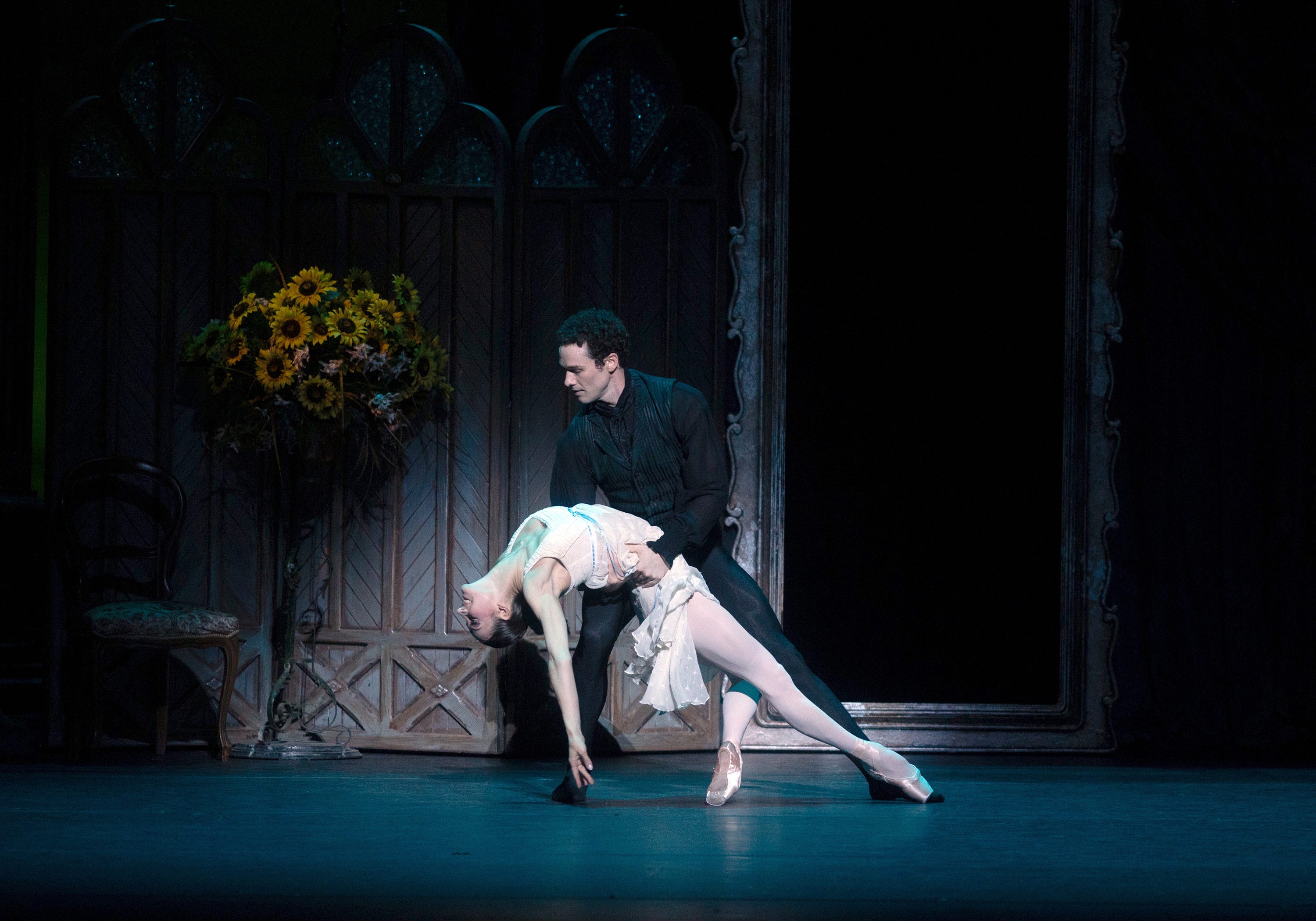
CB: There’s a maturity arc to the character of Onegin as well, where he grasps his own and others’ emotional pain, that parallels what you’re talking about. It’s such an irony of ballet that as you’re coming into peak maturity emotionally, your body is timing out. Which is the opposite of a stage actor.
CS: That’s right. Even an opera singer.
CB: Ballet could be even more resonant if dancers could dance longer. But it doesn’t work that way.
CS: Well, you know what, Claudia, I think there’s real potential in that awareness. Like I said, there’s some regret in that I didn’t peak sooner in my emotional maturity. But how many countless dancers go through the same thing? I think that there’s something to be really utilized in that awareness, in that when you have a generation of senior dancers who don’t necessarily have the same physical capabilities, they’re less dynamic, but there’s a beauty. Maybe it’s not as bravura, but there’s more ease. In the Royal Ballet, senior dancers have a lot of opportunities to do roles that are not so strenuous. Mayerling is one of those ballets. I think more companies could utilize their senior dancers, because it is so important.
When I think about coming up and learning, Kevin really gave me a heavy workload right from the beginning, a little too heavy—I don’t criticize him, because I’m so very grateful. Very fortunately, the senior principals helped me with those roles, like Angel [Corella]. He took me on this tour of Spain, and we worked with Corsaire and a few roles that way. And then Maxim Beloserkovsky, because I danced with his wife, Irina [Dvorovenko], a lot, he helped me. It’s such an invaluable tradition in dance. I don’t think there’s enough focus on how you can allow senior dancers to be mentors for younger dancers, and that’s something I wish happened more in this company.
CB: Is there any other resonance to your final season?
CS: One approach that I’ve taken in the last four months that’s really helped me is—I have a friend who calls it “being water.” Bruce Lee, I think, coined it, and it relates to a martial-arts perspective of being able to flow around and over and through adversity, versus being diminished by things. It applies to performing as much as it does to life.
Something that I’ve adopted in the last couple of years is, are the choices I am making day by day, minute by minute, second by second, with people—are they motivated by care, or are they self-interested? My goal has been, every single action I have with anybody, every word I say, let’s motivate it with care. I’m oversimplifying it, but my point is, what is so intimidating that we have to be so guarded, why do we have fear? And that’s the thing—fear is so detrimental to your day-to-day lifestyle, and for sure for performing, and I harbored a lot of fear for a long time about performing.
The reason I’m bringing this up in relation to my last performances is because when I left the Royal Ballet School, I didn’t understand how meaningful that experience was to me. The day after I graduated, I was a mess. I had never felt depression before. I went to dinner with my brother and my mother, and I couldn’t eat. I had never felt how your mentality can really affect you physically. I felt the gravity and this incredible sadness, and it was too late when I recognized how meaningful that environment was. I was done, and it was never going to be the same again. It kind of traumatized me. It got into this mode where I was very sentimental about things, and then suddenly I was not good with change. I spent many years where I was afraid of it, and I didn’t handle it well.
CB: How did you move past that?
CS: What’s shifted is this whole thing of being water, and being present and adapting. I think it’s just recognizing that time goes on, and there’s so much uncertainty ahead of you. It’s one of the most exciting things in life, and there’s growth in it, and there’s so many things to learn. So instead of being like, “Oh, I’m losing something,” my mindset is more like, “You’re going to your final show, and that’s really exciting. We’ve been working for six weeks, and your parents are gonna watch.”
That mindset has really helped me stray from the loss of everything and be like, this is another thing I get to do, this is another show. I’m 40 years old. I’ve had almost 22 years of performing. I get another one. That has really helped me. That hit me when I was talking about the Koch season. That opening night of Othello, I was really focused on loss. And then that weekend, spending time with Tom—I think it’s important to appreciate where you are. If you need to grieve, you need to grieve. But this is what life is, it’s transient, and there’s beauty in that. [To learn more about the philosophy and general awesomeness of Bruce Lee, visit the Bruce Lee Foundation.]
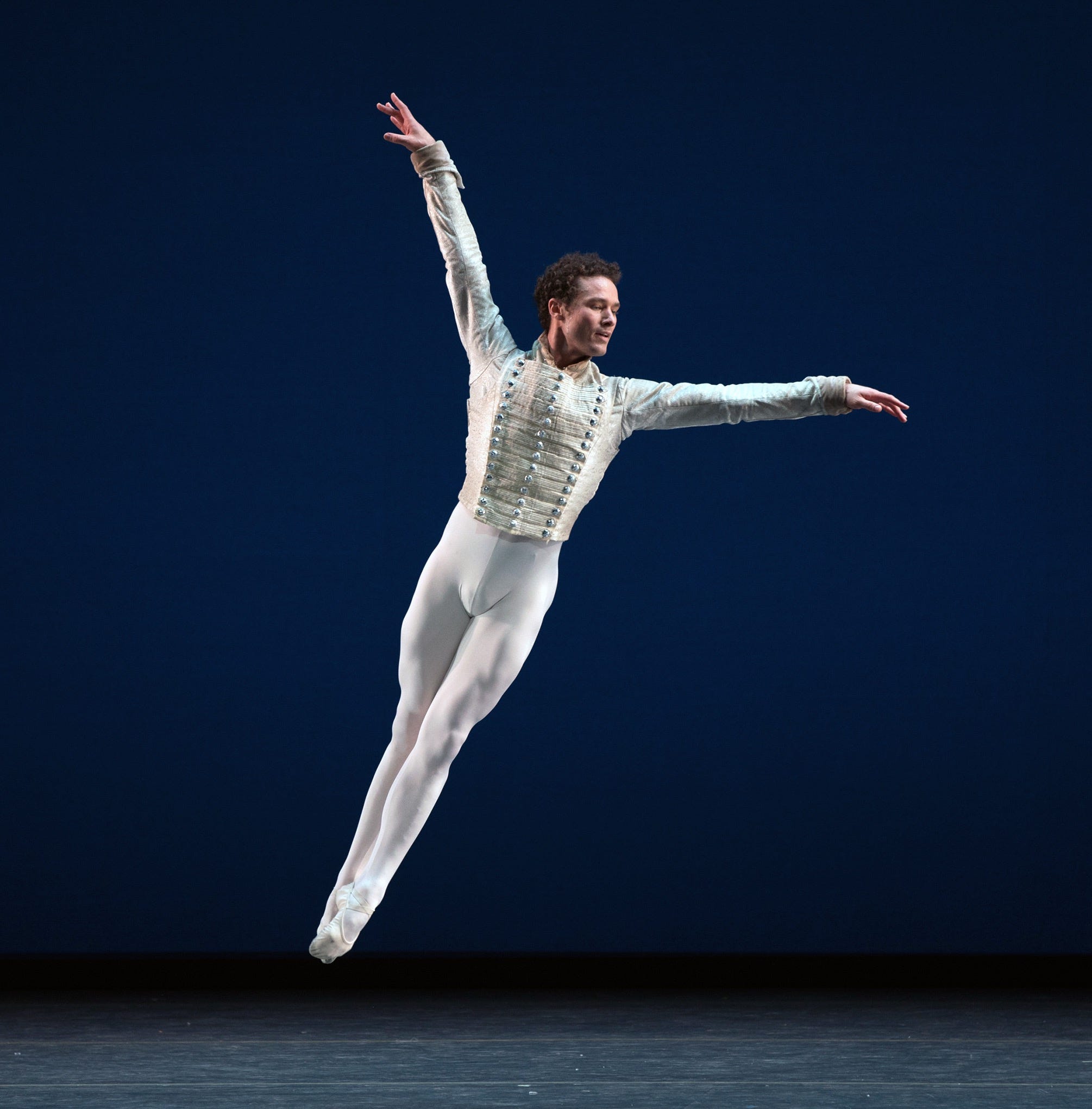
We were [at the Segerstrom Center] in Orange County [on tour last fall], and I was supposed to do Orion on opening night of Sylvia. And Orange County, I have to say, out of any tour that we go on, maybe even the Met, is a very nostalgic place for me. We travel there on average twice a year, sometimes three times a year. We’ve been doing Nutcracker there for 10 or 11 years, which is a very memorable experience. So I knew that saying goodbye to the Segerstrom was going to be really challenging.
Then I tear my meniscus, I can’t perform. I’m limping around. There’s a poker night that they do when we go to Orange County, where some of the crew invite some of the dancers. So I did that poker night. We played underneath the stage. I was leaving the next day to come back to New York to have an MRI. I was leaving early, on Saturday. I have friends I play golf with every time I go there, and so I was missing the golf, my friends, I was missing the shows. It could have been really, really depressing. We finished the poker game and I said, can we go on the stage? And I walked through the dressing rooms for my last time as a dancer. I went on stage. I went over some Nutcracker choreography, just revisiting these memories. And it was a beautiful thing, instead of it being like, oh my god, this is done. And I was quite proud of myself. Like, I’ve had so much, I’ve been so fortunate, and that’s—[he pauses to check his emotions].
CB: It’s okay.
CS: Sorry, okay. I get emotional because I recognize how much…it’s been such a good run. I’ve been very fortunate. An immature approach to having these amazing experiences is to want more. [When you’re younger] it’s hard to stay present and recognize these very valuable experiences you’re getting. I think a silver lining to this situation is taking time these past few months and recognizing that I really have had such an incredible experience. And I’m not even saying accomplishments, I’m just saying these opportunities to grow and the memories I’ve created. So I was able to adjust my mindset. This is just frosting. I’ve already had my cake. For these few months [before the Met season], I can have time to register—this is so cool, I get to do this.
The relationships I have with my colleagues that have taken years to build, and the mutual respect and harmony, and all this beauty that was created that maybe I took for granted, suddenly I can see it clearly for what it is and how meaningful it is. It’s not like, oh my god, it’s done, it’s all finished. It’s like, wow, I had this. And now it is time for something new. So I guess there’s that sense of bringing more gratitude to my day-to-day experiences and not holding on to something. Life is transient, and we were very fortunate to have this experience and process it. And now these younger dancers can have it too, and that’s a beautiful thing. I can bring all of this experience and growth to the next thing and find joy in that mindset.
CB: This understandably triggers incredibly complex emotions for you. It would for me too. But the beauty of staying present and working through it is that you get to live the rest of your life with this frame of mind.
CS: You’re exactly right. That mindset that has really helped take me out of this abyss that I was in for months, when it was hard for me to get out of the anger and frustration. And so, yeah, to your question—I think I’m in a good place going to my final performances. There’s going to be grief, for sure, as you can see. But I feel sincerely happy with my path and my perspective.
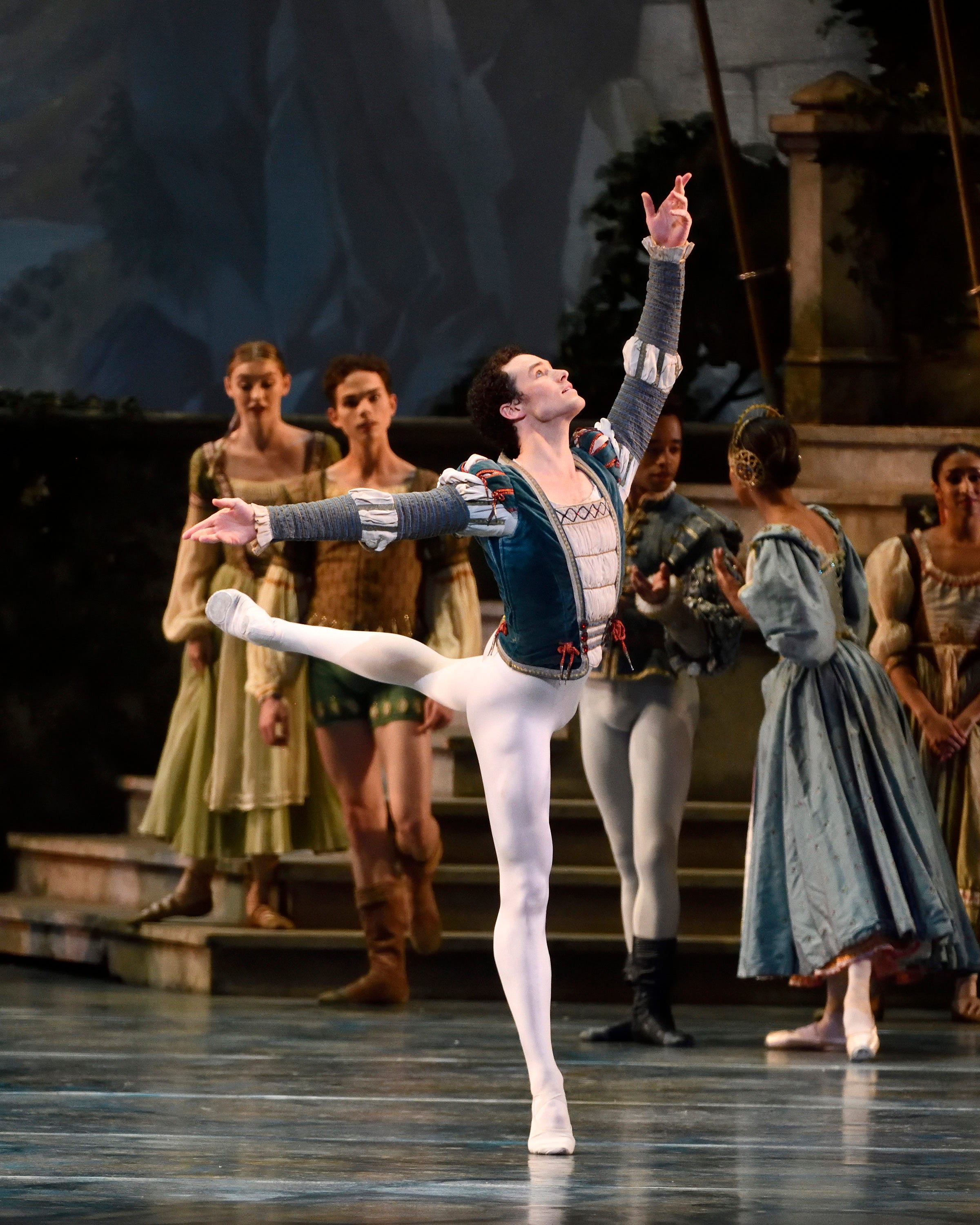
CB: The ultimate liberation is the willingness to be honest with your feelings and let go of resentments that hold you back from living your life. That seems like what you’ve been processing.
CS: Be water.
CB: Be water, amen. So what’s next for you?
CS: I don’t know. Kevin McKenzie and I have exchanged a few emails. He is such a mentor to me. He’s like, “You have to decide, are you finished dancing? That is the number-one question.” In the beginning, I was like, I’m done. And then, over time, when you start to feel better and your mindset changes, you start to think, if I take away the cynicism that’s kind of grown within me, I realize I do love dancing. I have a couple companies that I could potentially dance with, but I feel very satisfied. And this kind of goes along with what we just talked about. If I had the chance to do another year with ABT, with this maturity, this wisdom I’ve gained of how to perform and how to perceive my colleagues, and how to maintain this gratitude every day, I would love to do that.
But at the same time, there’s no question, the body hurts, you know? Forty years old and dancing—there’s so much management. In the mornings I have to have 20 minutes before class to just get myself to a place where I can avoid injury. And before every rehearsal, I need 20 minutes to prepare, and after I get home, I need to stretch. It’s tiring. So if it’s not going to be with this company, where I have this love for my colleagues, this familiarity, I’m good. That’s my sense. I’m not going to go somewhere new just to get on stage. I will probably take a few months and travel and just allow myself to absorb what has transpired, and let these emotions continue to process, and cry more. I’m almost certain I’ll stay in the field, because I do love it. I want to pass on these feelings that I’ve come to, this wisdom.
POSTSCRIPT
At the end of our conversation, I asked Cory if he had any guidance to offer other dancers—what advice he’d give to his early-career self. After thinking about it for a few days, he emailed these.
1. I wish I’d been able to perceive myself as a forever-student of dance right from the get-go. Meaning, I wish I could’ve delighted in the process of absorbing knowledge and advice as much as I do now. As a veteran dancer, I enthusiastically invite corrections, and I find fulfillment in applying them and recognizing progress through recording my rehearsals and performances. My ego as a young dancer inhibited my development process because I was overly concerned with status, and I couldn’t accept my deficiencies. The beauty of this career lies in embracing it as a journey of discovery and learning. It is an invaluable growth opportunity—learn as much as you can!
2. I wish I’d worked with a sports psychologist early on in my career. I eventually discovered a reliable method of dealing with the inherent stresses of performing after many years, but suffered much anxiety and self-doubt through most of my career due to the inability to process my emotions. The Olympics were validating to watch, because when interviewed about dealing with the pressures they faced, the athletes all answered similarly: Be cognizant of the routine that you use on a day-to-day basis when practicing, and stick to it on performance days.
Use rehearsals to practice not just the physical demands of performing, but the mentality too, and then trust the thousands of hours already under your belt to allow your subconscious to know what to do for showtime. Most of the stage fright I experienced stemmed from overthinking pre-show, because I wanted to control the outcome before even stepping onstage. I was fearful of failing. But eventually I realized I didn’t have to behave any differently the day of the show compared to rehearsal days, and began to mentally approach performing as I did rehearsing, which is to say that I embodied the appropriate mindset for the role offstage, and then walked onstage and reacted to the music instinctively. Allow yourself the opportunity to react in the moment by not overthinking pre-show. Be present-minded!
3. I wish I’d worked more thoroughly with ABT’s physical therapy early on in my career. When I was young, my mentality was to address issues after they’d arisen versus dealing with potential problems proactively. My youthful, athletic body could work through pain and heal quickly, and so I wasn’t forced to be responsible until an injury was serious. It wasn’t until later on in my career that I recognized PT as a support system, which can relieve stress from dancers’ workdays not only by alleviating pain, but also by strengthening weaknesses that lead to injuries. Therapists are a valuable resource that can greatly assist dancers in strength, endurance, and confidence. Establish a trusting, appreciative relationship with them early on, and reap the rewards of their care for many years of dancing.
For tickets to American Ballet Theatre’s summer season, visit ABT.org.
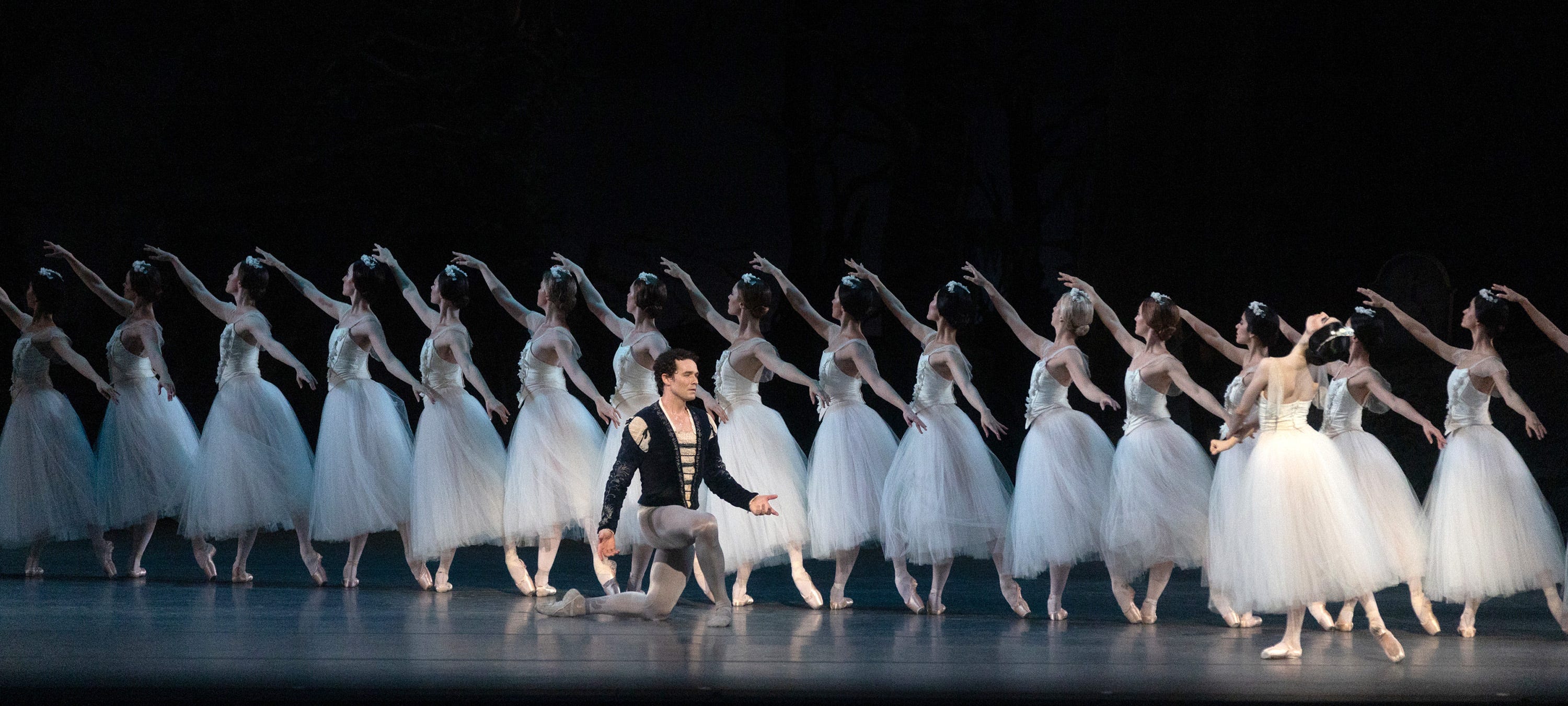
Comments
Nothing yet. Say the first thing.
Sign in to join the conversation.