
Originally posted on June 16, 2025
Iran/Israel: What’s Going On
Want to Learn More?
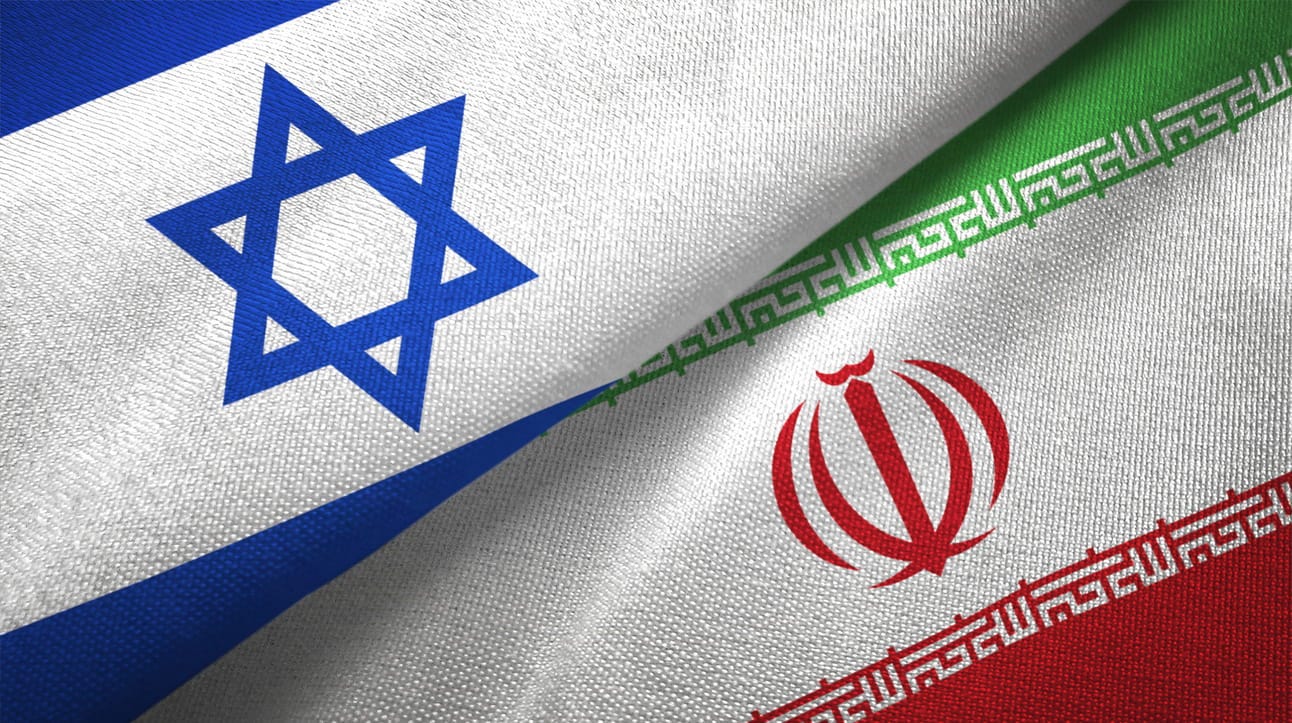
The conflict between Israel and Iran just escalated in a big way. Here’s what’s happening:
🔥 Massive Israeli strike: On June 13, Israel launched airstrikes and drone attacks on over 100 targets inside Iran, including suspected nuclear sites and military bases. Some senior Iranian figures were killed.
🚀 Iran fires back: In response, Iran (and its allies like the Houthis) launched hundreds of missiles toward Israel. Many hit civilian areas, killing dozens and damaging hospitals and schools.
👥 Civilians in crisis: Israel urged evacuations of Tehran; Iran’s capital is seeing mass panic, fuel shortages, and communication blackouts.
🛢️ Global ripple effects: Iran has threatened to block the Strait of Hormuz, a major oil shipping route, raising concerns about energy prices and global markets.
🕊️ Ceasefire talks?: At the G7 summit in Canada, world leaders are calling for diplomacy. France says a ceasefire offer is on the table. Iran is open to talks if attacks stop.
🤝 Friends at first: Iran and Israel had good relations before 1979, trading oil and intelligence quietly under Iran’s U.S.-backed Shah.
⚠️ 1979 changed everything: Iran’s Islamic Revolution overthrew the Shah and replaced him with a government that called Israel an enemy. Relations were cut off immediately.
🪖 Proxy warfare: Iran started funding groups like Hezbollah and Hamas—militant enemies of Israel. Israel sees this as indirect attacks.
💣 Nuclear tension: Israel believes Iran is secretly building nuclear weapons. Iran says its program is peaceful. The two have been locked in a “shadow war” for years: cyberattacks, sabotage, and assassinations.
🌍 Global stakes: The U.S. sides with Israel. Iran has backing from Russia and China. Any conflict between these two nations risks dragging in the rest of the world.
🕊️ Ceasefire (best case): The violence pauses and world powers bring both countries back to the table for talks on nuclear weapons and peace.
🧨 Full war (worst case): If attacks continue, it could spiral into a larger regional war involving Lebanon, Syria, and even U.S. forces.
🤝 Quiet negotiations: Backchannel diplomacy is always happening. China, Russia, or others may try to mediate behind the scenes.
📉 Global consequences: Oil prices could spike. Cyberattacks might affect infrastructure and economies far beyond the Middle East.
🧪 A new nuclear deal: A long shot, but the crisis might pressure both sides into creating new limits on Iran’s nuclear program in exchange for lifted sanctions.
🗳️ Political shake-ups: These events could change domestic politics in both Iran and Israel, boosting hardliners or leading to new elections.
This conflict isn’t just about two countries. It’s about:
Global energy prices
Nuclear risk
Cybersecurity
Regional stability
U.S. involvement abroad
Understanding this helps us connect the dots between foreign policy, economics, and peace.
🧩
Stay connected! Check out our podcast, Youtube page, Instagram, and previous newsletters.
No posts
Comments
Nothing yet. Say the first thing.
Sign in to join the conversation.