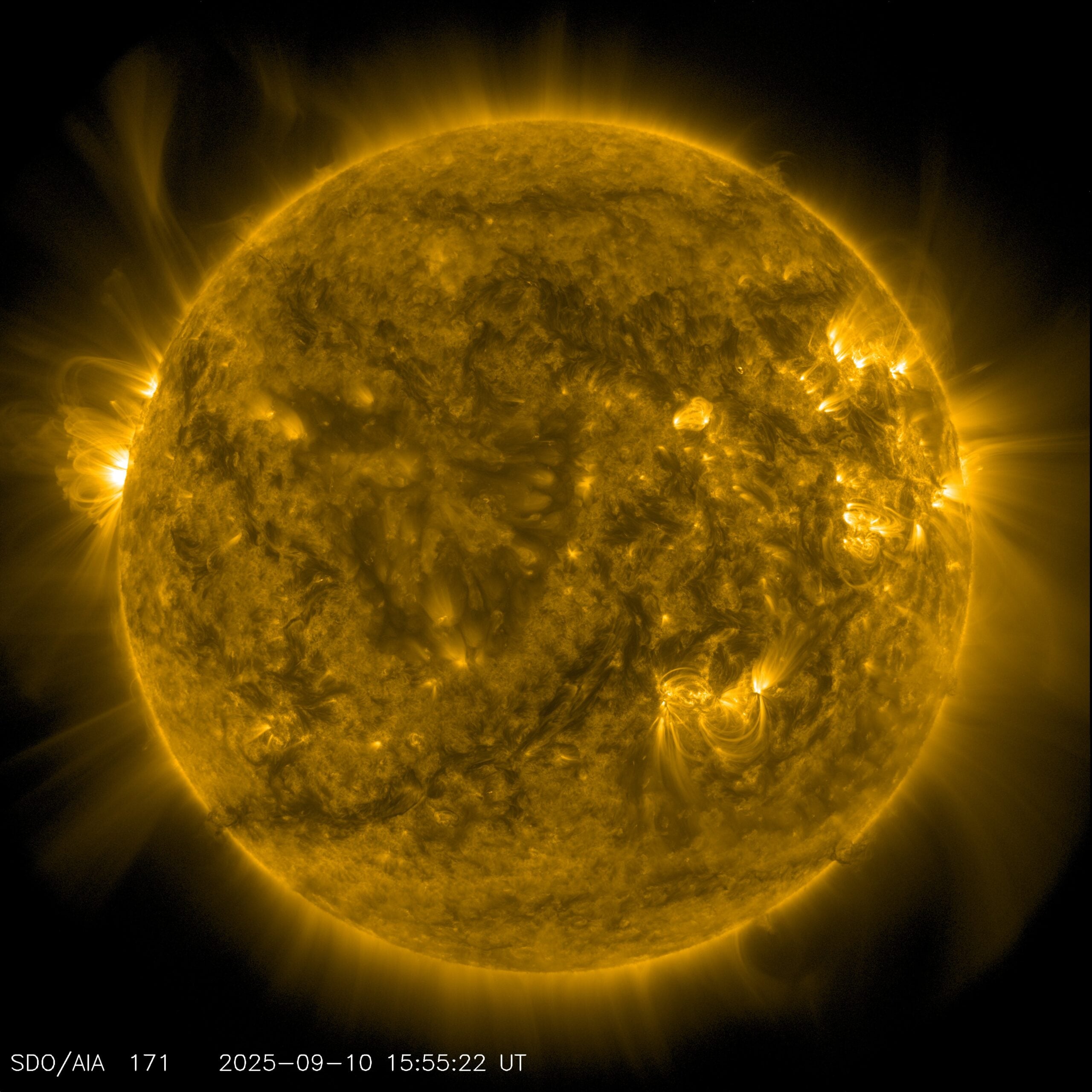
Solar-wind speed, density, temperature, pressure and magnetic-field strength all rose after the deep 2008 minimum, reversing a decline that had persisted since the 1980s. The post Scientists thought the exceptionally quiet Sun of 2008 might be slipping into a decades-long lull. Instead the trend reversed, and a NASA study published in September 2025 found that its underlying solar-wind activity…
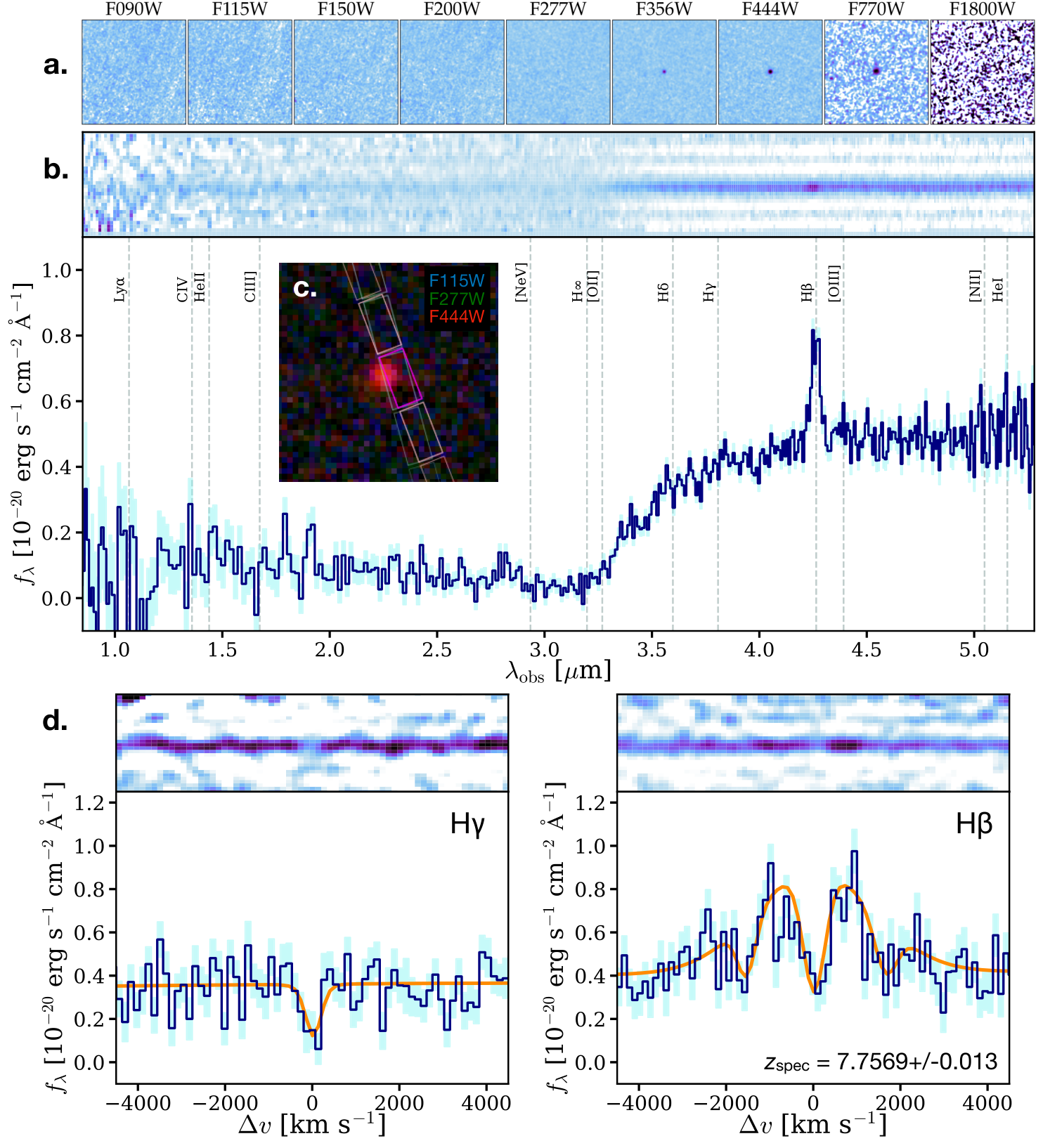
MoM-BH*-1's extreme Balmer break shows how dense hydrogen can reprocess an accreting black hole's light into a spectrum with the outward appearance of an enormous star. The post JWST found an object in the early universe whose dense hydrogen cocoon made it look eerily like an enormous star — until astronomers realized it was radiating roughly 100 billion times the Sun’s luminosity, with a growing…
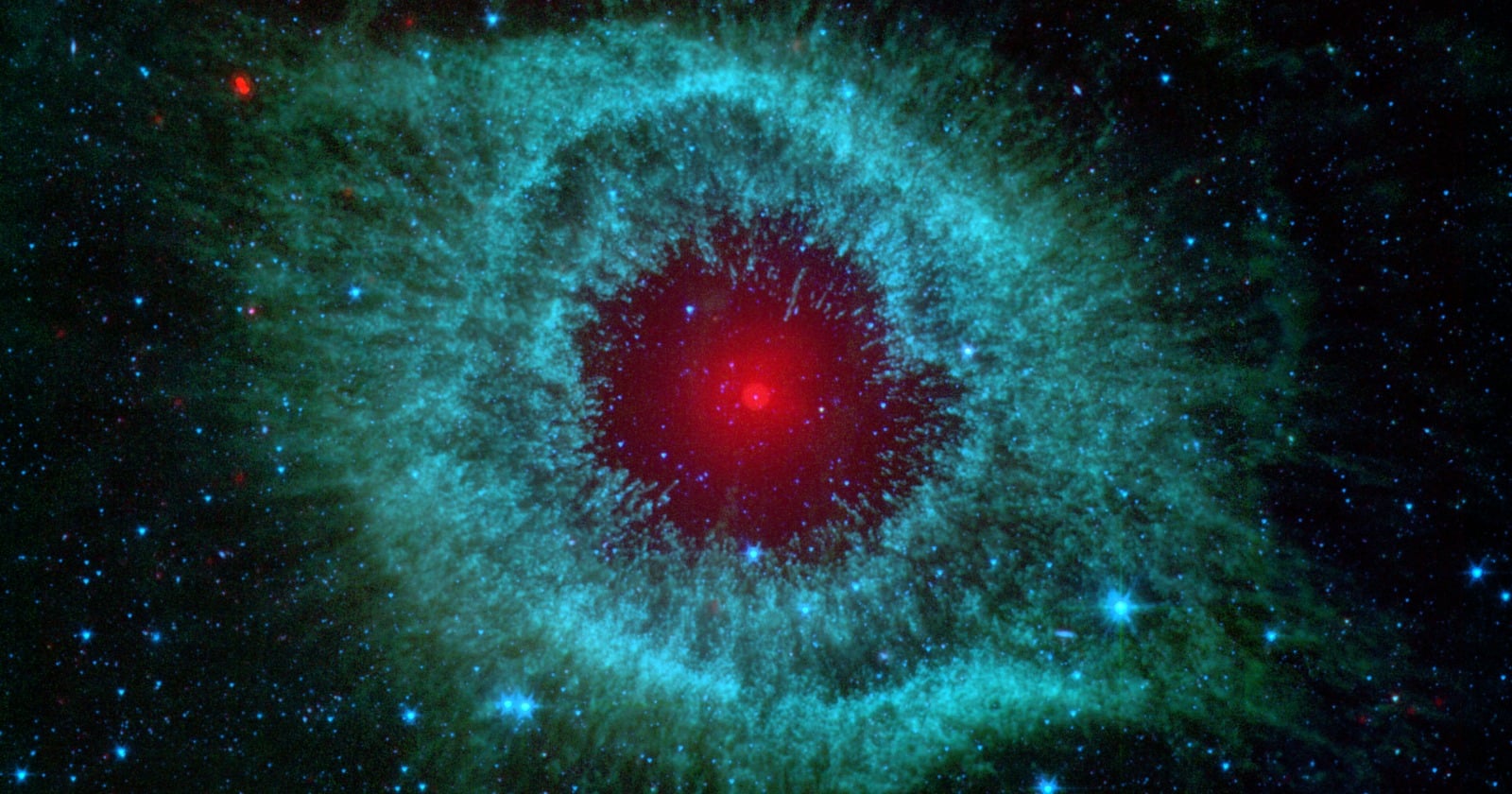
Five of MOTHRA's eventual 30 mounts were working when the array was aimed at the Helix as a commissioning target. Almost nothing is visible at the centre of any of the 22 bow shocks it found, and the way their size collapses with distance puts a rough number on how long a fragment of a dead star lasts once the interstellar medium gets hold of it. The post A telescope array still in early…
Webb's clay signature on Larissa and Galatea links today's small moons to warm, water-altered interiors inside a much larger satellite generation destroyed long ago. The post Two of Neptune’s tiny inner moons contain clay minerals that could not have formed on worlds so small and cold — suggesting they’re built from the exposed interiors of much larger moons shattered when the captured Kuiper Belt…
Anxiety about future troubles often arrives before the troubles themselves—and our minds may be the only place they ever exist. The post Thought of the day from Stoic philosopher Marcus Aurelius: “Let not future things disturb you, for you will come to them, if it shall be necessary, with the same reason which now you use for present things.” appeared first on Space Daily .
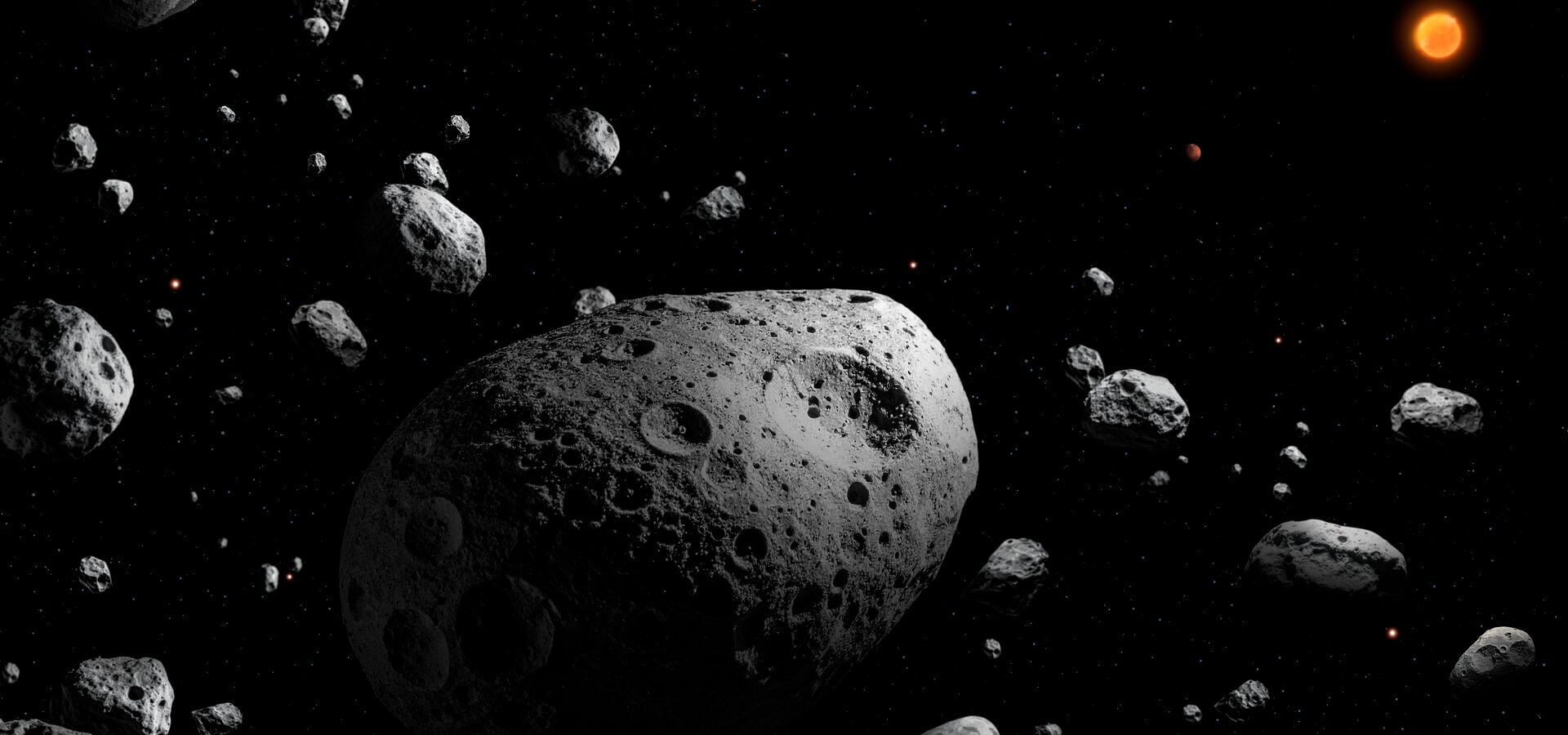
Rubin Observatory measured a 710-metre main-belt asteroid turning once every 1.88 minutes, implying cohesion comparable to rock under the study's model. The post Astronomers announced in January 2026 that they had found a 710-metre asteroid — nearly eight football fields across — spinning once every 1.88 minutes. A normal rubble-pile asteroid should tear itself apart at anything close to that…
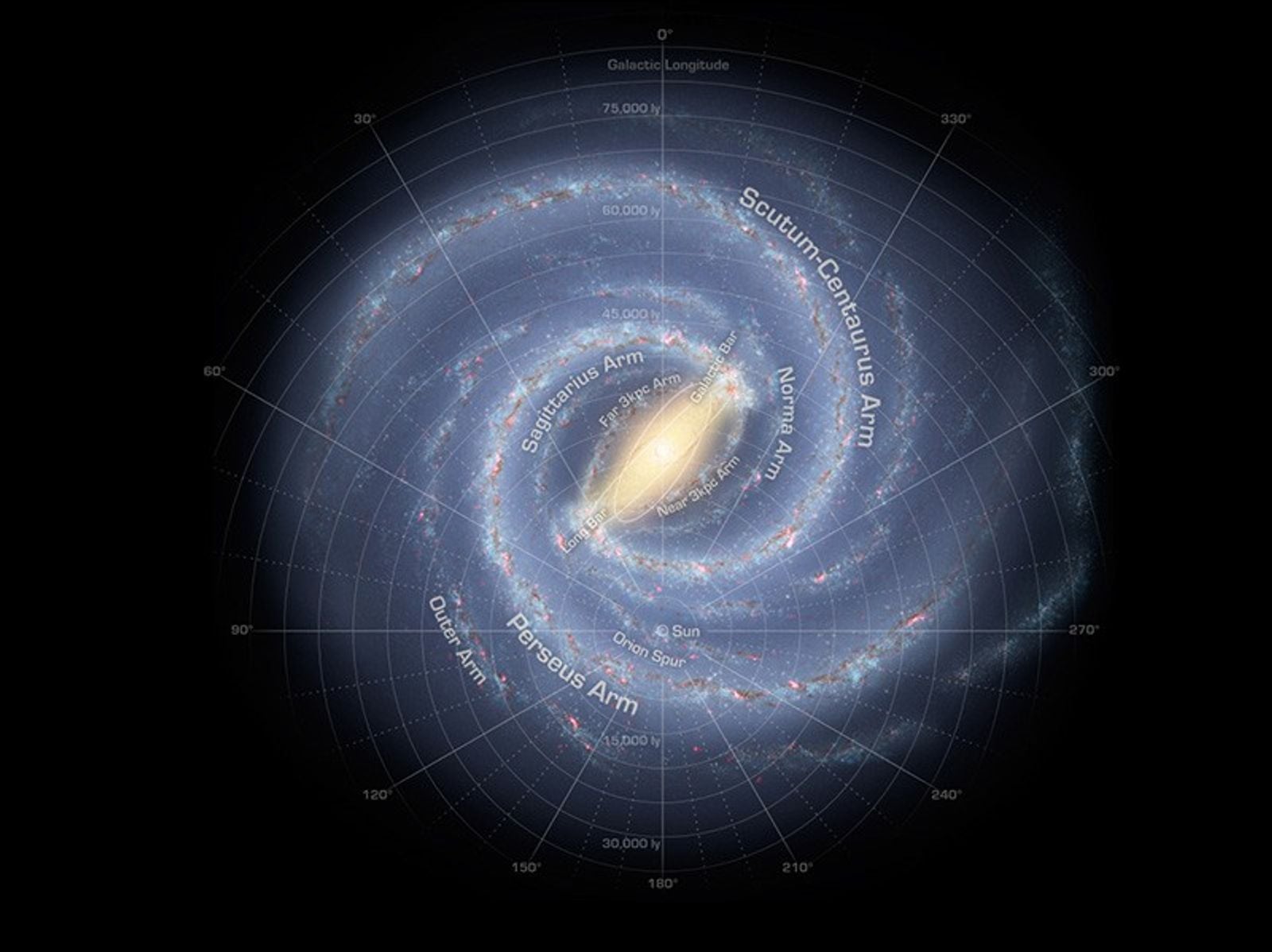
Earth's solar orbit, the Sun's galactic path and Andromeda's approach are real motions in different reference frames. They cannot be simply added, and constant shared motion is not something the body can feel. The post Right now, without moving a muscle, you are aboard a planet orbiting the Sun at 107,000 kilometres per hour, inside a solar system orbiting the galaxy at 720,000 kilometres per…
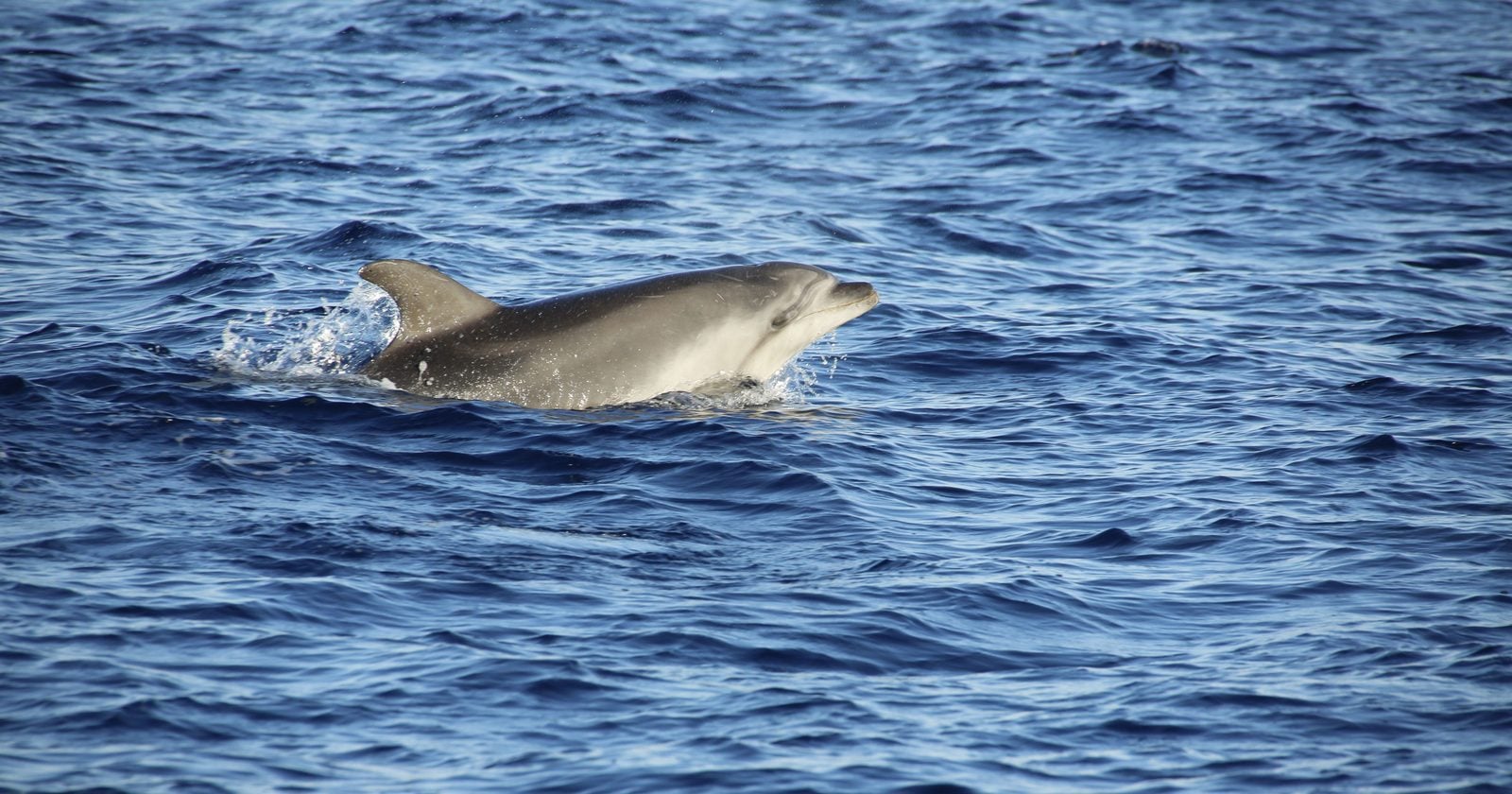
The moment a dolphin mother taught her calf to hunt with a shell suggests animals may pass down survival skills far more deliberately than science has recognized. The post A drone caught Maserati the dolphin lifting a football-sized shell to trap a fish, then her calf picking it up and trying the same appeared first on Space Daily .
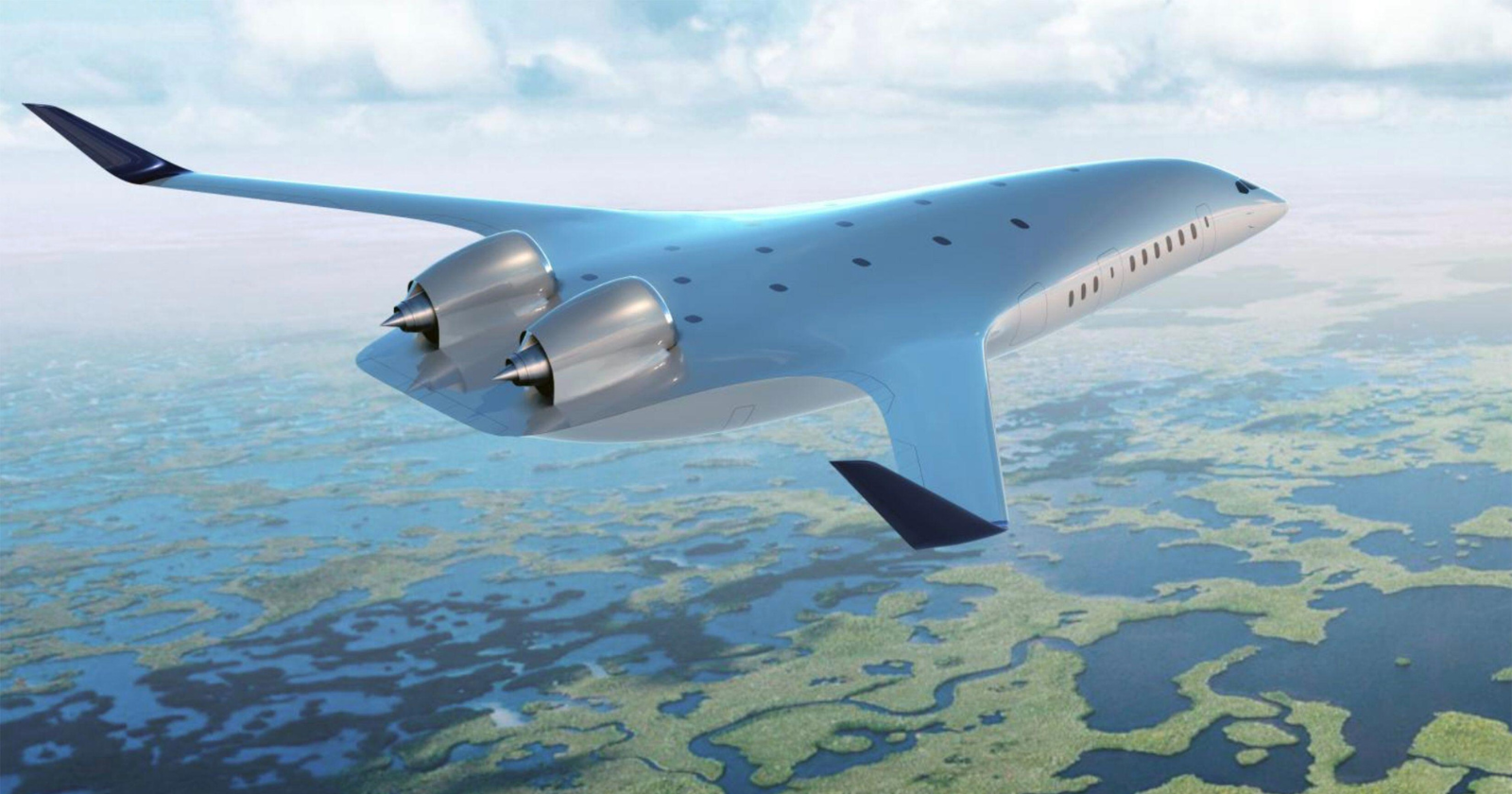
As aircraft bodies grow wider and flatter, the traditional single-aisle layout becomes a relic—forcing designers to reimagine what the inside of a plane should actually look like. The post A 250-seat jet is being built with four aisles instead of one. The reason is the shape: when you blend wings directly into a body wide enough to hold a small apartment, a single corridor down the middle no…
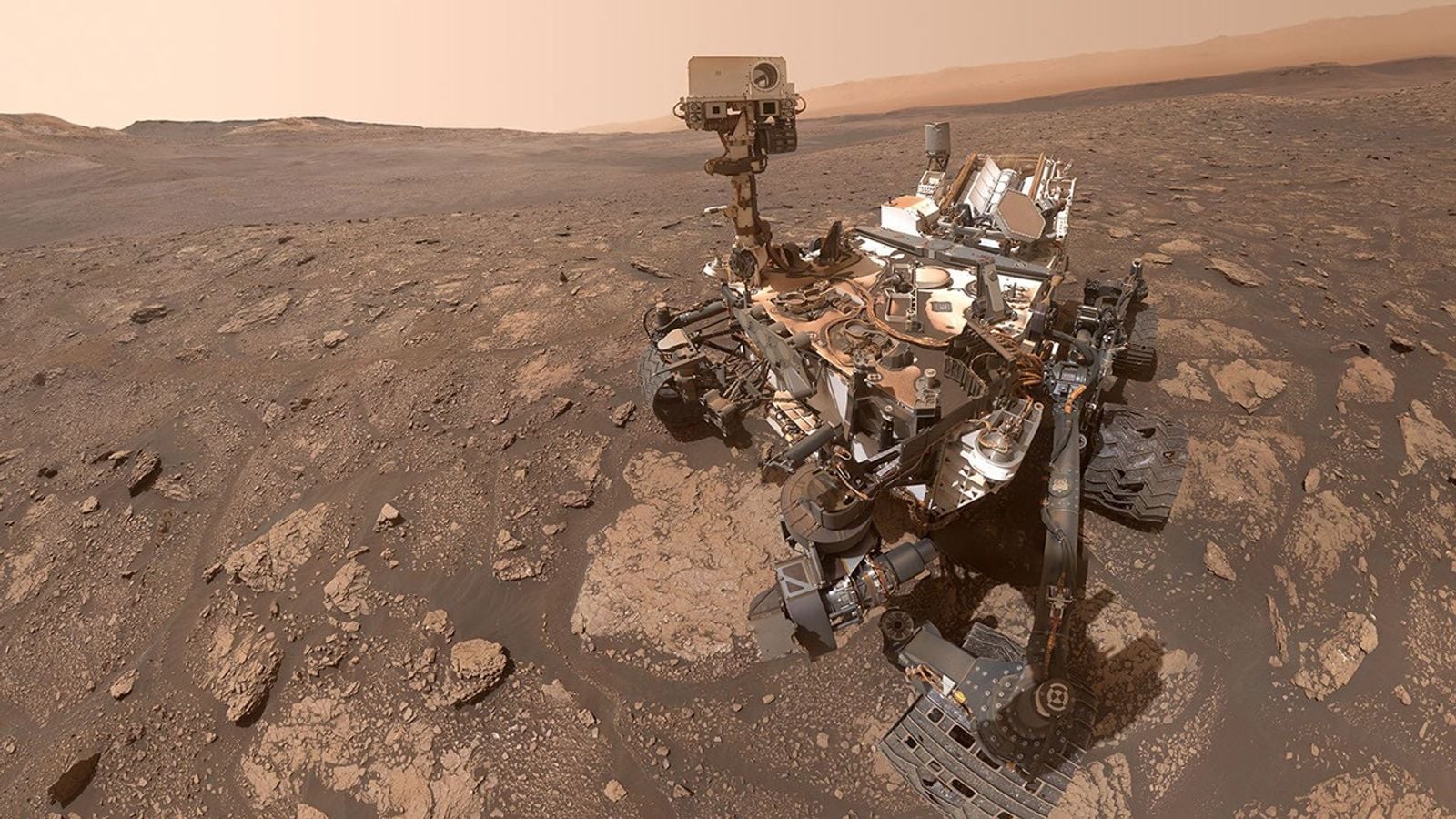
Curiosity's first possible nitrogen heterocycle is chemically relevant to pathways toward RNA and DNA, but the instrument's imperfect match and reactive reagent keep the result well short of evidence for life. The post In April 2026, scientists reported that Curiosity had detected the first nitrogen heterocycle on the Martian surface — a class of organic molecule that on Earth forms part of the…