

Sound Signal is Third Bridge Creative’s curated guide to the best music writing on the internet, published every Monday, Wednesday, and Friday at soundsignal.fm. Below is an excerpt of that content.
One of the more interesting parts of the great AI debates of the past few years is that it orients around some very basic questions that we’d taken for granted. What does it mean to be an author, and who gets to claim authorship? What is the relationship between humans and the tools we use? What does it mean to be human? At times, it feels like we’re back in an Intro to Theory or Philosophy 101 class, except the students are angry and revolting, and the use of em dashes is strictly prohibited.
This week’s articles circle around a lot of those same questions, though with very real financial and cultural consequences. The major labels floated warning stickers for AI tracks. A faceless metal singer lets listeners guess whether she’s real, because the doubt is doing the marketing. A hack pierced Suno’s training data and confirmed the model was built off the unlicensed memories of culture.
Under all of this sits the deal we keep coming back to: the same companies that call AI an existential threat have started selling fans the tools to remix the catalog. That is this week’s Storyline. Around it you will find pop stars turning anonymous, the analog revival talked out of its own myth, and the week’s usual fights over what music is worth.
Check out the highlights below, and then see the rest at Sound Signal.

Storyline is our weekly feature that brings together all the articles, essays, and interviews about this week’s biggest story, and presents them as a holistic narrative that captures its twists, turns and historical precedents behind the story.
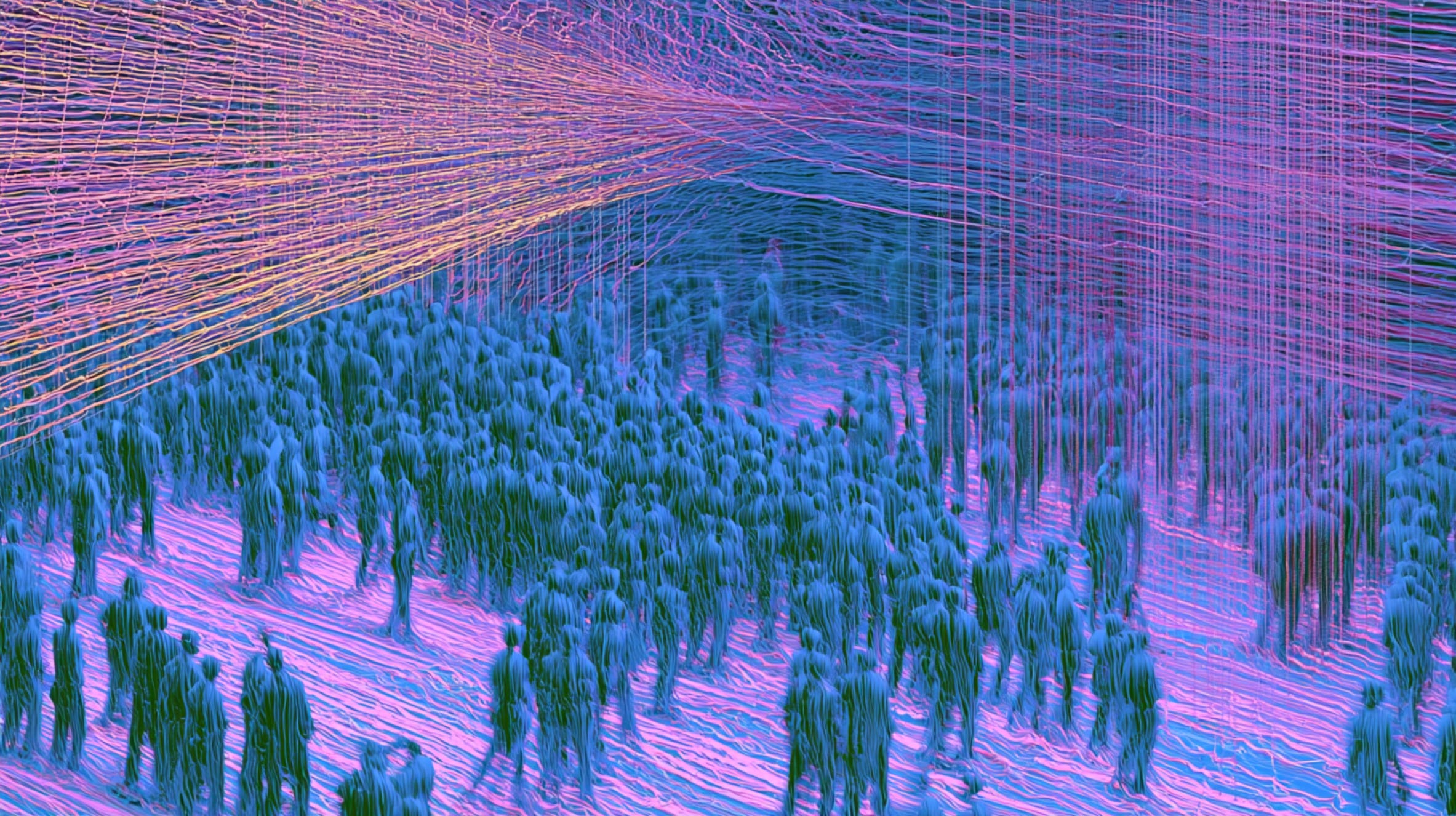
The industry spent two years suing to stop fans from making AI remixes of its songs. And then it signed the deals to sell them the tool to do just that. Spotify and Universal’s new agreement lets fans generate AI covers and remixes of participating artists’ catalogs, sold as a paid add-on, with artists sharing the revenue. It’s a modest product announcement that gives away the game: the same companies that call AI music an existential threat have decided it’s a revenue line, provided the checks clear.
For this Storyline, and try to understand what it means for the larger culture of music. We start with the deal itself, then follow the money, from the quiet billions behind the catalog boom to the lines platforms are drawing over what’s “real music.” We’ll present it through contemporaneous coverage, linked out and annotated, before reaching back into the archive for an essay that saw all of this coming twenty years ago.

Kelela’s most accomplished record yet, complementing her genre-splicing adventurism with a new sense of lightness and self-assurance. The opener “idea 1” leaps from downtempo meditation to space-age hymn on quicksilver guitars and skyscraping harmonies, while shoegaze textures from her D.C. indie years resurface across “linknb” and “crystalize.” “don’t piss me off” foregrounds UKG’s slippery low-end with new confidence, and guests like PinkPantheress and AK Paul open up space that suits her.
→ Read the full review on Paste

Can't Get Much Higher · Chris Dalla Riva
Riva, who spent years listening to every number one hit for his book, has clocked something you’ve probably felt: pop stars are becoming anonymous. You save a song off TikTok, shuffle it a hundred times, and still can’t name who made it. The context that album credits and MTV once forced on you is gone, and streaming profiles all look identical. He argues it’s a design choice, not destiny, and points to who’s fixing it.
404 Media · Jason Koebler
404 Media has made a beat of prying open AI companies’ training practices, and this hack drags Suno’s data sourcing into the light. If you’ve suspected the generator spitting out uncanny approximations of real records was trained on exactly what you think it was, here’s the receipt. The details matter for anyone weighing whether to touch these tools, or defending the catalog that got fed into them without asking.
Inigo Laguda
Laguda’s essay argues that Musk’s anti-trans policy crusade, including X’s ban on ‘cisgender’ and its amplification of far-right content, is a private grievance scaled into public infrastructure: a father’s estrangement from his daughter Vivian Jenna Wilson, weaponized at platform scale.
Pitchfork · Kieran Press-Reynolds
Pitchfork digs into Maphra, the faceless metal vocalist whose viral Bring Me The Horizon cover racked up 50 million plays while half the internet insists she’s AI. Here’s the twist worth sitting with: she isn’t denying it. The suspicion is the marketing. When your feed can’t tell a real screamer from a generated one, the ambiguity itself becomes a growth strategy, and artists have every reason to lean in rather than clear it up.
The New York Times · Ben Sisario
The Times reports the major labels’ trade groups want two new tags for streaming: capital “AI” for fully machine-made tracks, lowercase “ai” for human songs with AI touches. If you’ve watched Deezer’s stat that 75,000 slop tracks flood in daily, half its intake, you know why. But labels only work if platforms enforce them, and nobody’s said who audits the disclosure. A parental-advisory sticker for the generative era, minus the teeth.
Lavender Sound · Max Freedman
Freedman takes ‘Lizzo’s Pass,’ Sam Taggart’s name for the old fork between chasing Pitchfork acclaim or Target sales, and argues the binary has collapsed. Swift went commercial and watched her scores slide; Doja stumbled splitting the difference. But Charli’s BRAT, Rodrigo’s Best New Music run, and Chappell’s number-three ‘Subway’ now hit both at once. Plotting scores against first-week sales, Freedman finds acclaim and commercial success correlate.
NPR · Isabella Gomez Sarmiento
This piece follows the money into a system nobody’s regulating: the TikTok and Instagram creators who now function as VJs and radio hosts are quietly taking label cash to push songs, often without disclosure. The trust that made these personalities effective discovery engines is exactly what’s being sold off.
POW · Grace Byron
A critical essay examining Madonna’s sexuality and artistic expression across her career, particularly in relation to her new album Confessions II. The piece explores how Madonna has challenged sexual taboos and the male gaze, contrasting her legacy with contemporary controversies around female pop stars and their sexualization.
→ Read more of this week's best articles here

Machine Girl’s whole project is sensory overload as philosophy: breakcore, gabber, and noise punk fed through a blender until genre tags feel beside the point. This is a duo that’s spent a decade making abrasion feel joyful, their maximalism never quite tipping into parody. The title alone tells you they’re still in on the joke

Curating and designing content systems has been central to our work at Third Bridge Creative, and this new site is no different. If you want to learn more about the nuts & bolts of the system, follow us here. Any other questions, please reach out to us at info@thirdbridgecreative.com.
No posts
Comments
Nothing yet. Say the first thing.
Sign in to join the conversation.