
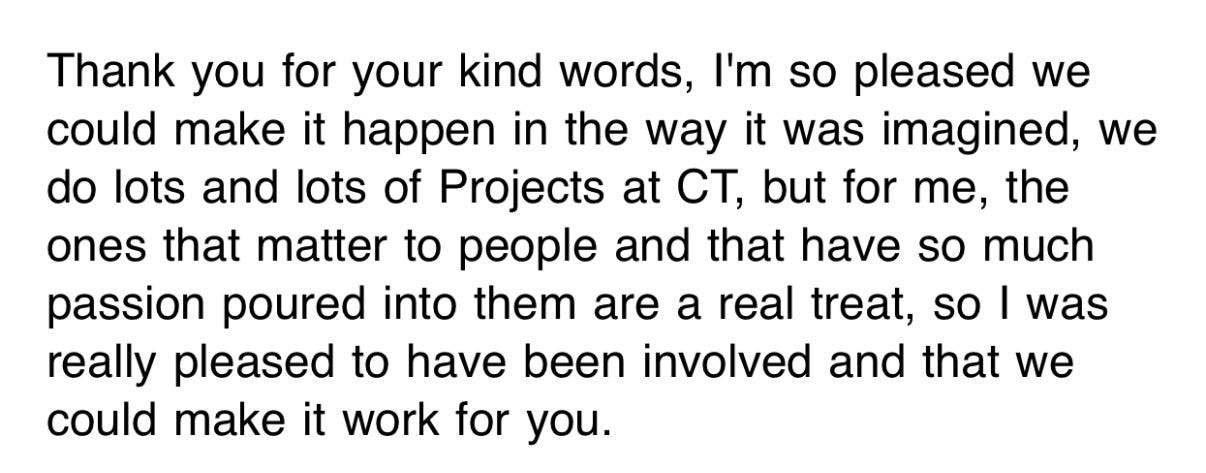
Today someone wrote some words about our creative relationship, and reading them I realised it was one of the clearest articulations of why patronage matters that I’ve ever seen. For me it was an emotional moment, because when you find people who genuinely believe in your work, there is nothing else like it.


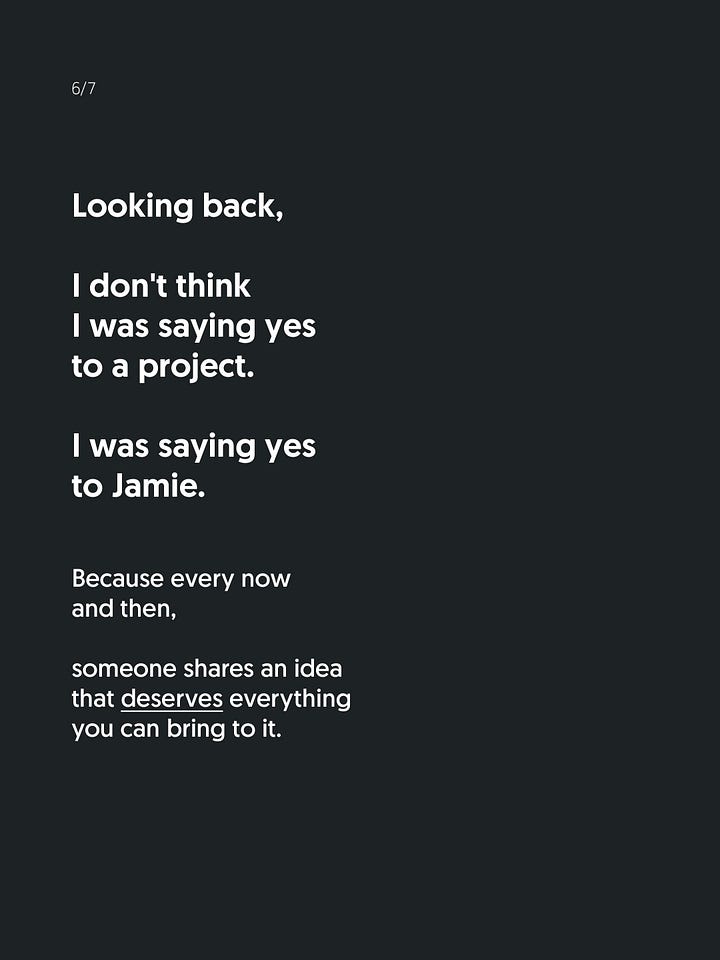
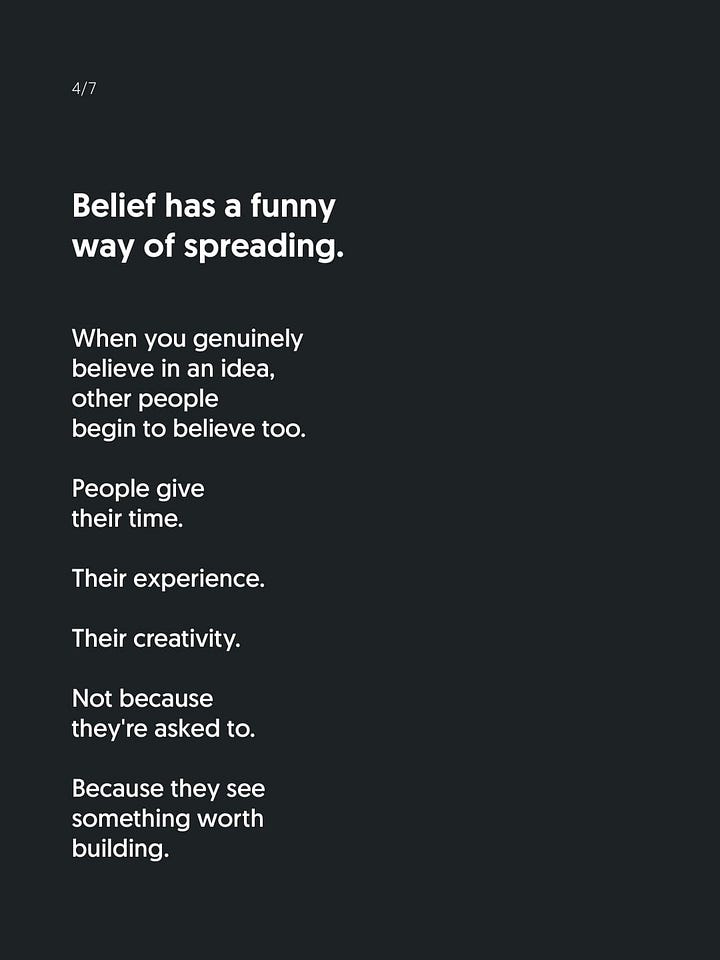
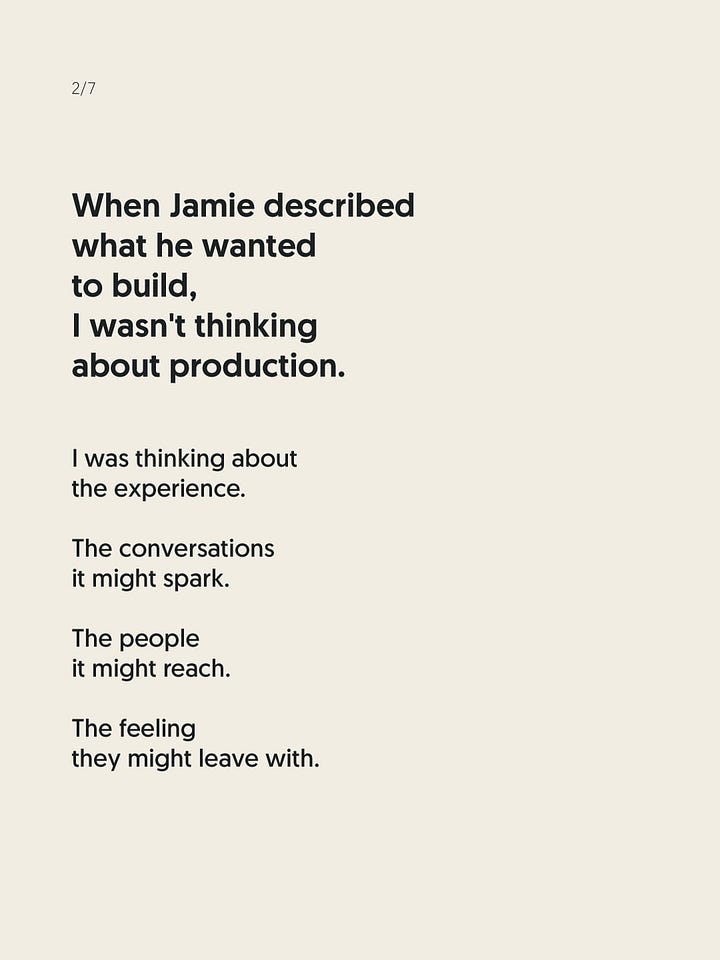
Patronage has been essential for me to create work on my terms. It’s a word that people in and around music don’t like to think about or use, and I’ve been trying to work out why. I think it’s because we’ve lost the ability to separate the emotional value music has always carried from its commercial value. Music has always been a reflective process, a way to tell stories, to teach, to preserve memory. Its commercialisation, and the flood of social media on top of that, have made us lose touch with what makes it special. The industry feeds a need for everything to be a success within its own model, and frames anything other than that as failure. A lot of my work is trying to deconstruct that, to comment on it, to remind people through participation what actually matters to them. And once you see music that way, as something emotional and cultural first, patronage stops being strange. It becomes obvious. It’s how this kind of work has always been made.
This week I’ve been reminded of how using patronage as a framework for building a life, one where you can make creative work on your own terms, can be life changing. I don’t mean winning-the-lottery life changing. I mean finding ways to create on your own terms life changing. We all have our patrons, and finding them, I think, should be more consciously built into how we plan. To get anywhere you need people around you. Collaborators, supporters, people to make introductions, people to talk about your work, to give their time, their creativity, their advice, to send a message of support when you need it most, to contribute financially. It takes many forms, but we all need to find our patrons. They come in and out of our lives in different ways and at different times, and for me they have been the foundation of being able to make work that focuses on emotional value. (If you are one of these people in my world then thank you x)
I had a conversation yesterday with Rae Isla, who spoke to me about how she’s developing a framework for finding her patrons, and I was inspired by the way she thinks and plans and connects with people. It got me thinking about my last few years and what comes next. All my recent work, and arguably my whole career, has been supported by patrons, and actively talking about that is something we need to do more of. Our parents are of course most of our first patrons. A guitar for a birthday, a roof over our heads, and if we’re lucky, the emotional support to chase the things we love. These days it comes in a different shape. The person willing to make an introduction, the person who gave their skills or time for free or for a discount, and yes, as I’ve got better at articulating the “why,” people who contribute financially. I never originally set out to ask for any of these things. I genuinely always set out for advice only, and never expected more. I have something I believe needs to exist, and I go out into the world and talk about it. But I’ve had to start thinking more purposefully about this, because creating costs money. Not just to physically make things happen, but to give me the time and mental space to make the work at all.
As I’ve grown as an artist I’ve become more ambitious about quality, reach and impact, but I want to keep the ethos of the ideas intact. That’s a real challenge.
It’s become even more important as what Sound of Fractures has become feels less and less like it fits a traditional music business model. I do get offers from labels and managers, and each time I have to seriously consider whether it’s the right time. But it’s hard to imagine how I could make projects like Alone Together and SCENES with traditional label teams and approaches.
So as I’ve sat with that question, I’ve had to learn to pitch and preach about why I believe in my work. And I’ve been lucky to find people who believe in that conviction and want to be part of the journey and help make things happen.
It started early, when I realised that brands and labels didn’t understand me when I said that creating meaningful moments for people was the goal. That my aim wasn’t purely to succeed in the traditional way and make them more money. I’ve come to believe that if you want to make work that’s about meaning, about resonating, then you have to look outside the system. I’m not afraid of success, and I’m at times ambitious to the point of working way too hard, but after so long in commercial music I had a set of ideals I wanted to hold onto.
This really hit home trying to make SCENES real. I needed it as a vehicle to learn, and for the first time in my life I took calls with anyone who’d listen, to explain the idea, ask for advice, and eventually to look for ways to fund it. In the end it was normal people who funded it. £5 here, £60 there, and three people over £500. There was no product at the end, nothing to receive, no return to capture. Which is exactly the thing a label couldn’t make sense of. In their model, money in has to mean money out. But these people weren’t investing. They were believing. And that’s the difference I’ve been chasing ever since.
Articulating this is difficult though. The why, and understanding who might be able to be a patron, and what that means for them, what it brings them. What I’m learning is that it’s a very individual thing. Each person is unique, and the relationship you build with them ends up unique too. That part you can’t plan. But I do think you can speak things into existence, that belief and hope are a muscle you have to practice, and that they’re infectious. I know now that to make the kind of music projects I want to make, I’m going to need patrons, and they might be friends, collaborators, fans, collectors, supporters, connectors, or people who contribute financially.
It’s got me thinking about how to build an intentional “finding my people” practice. Rae Isla is developing her own version of this, and her insight has made me realise I need to find mine. And for that I just need to go and do the work. Meet people, learn about them, understand what makes them feel connected and valued, listen, and slowly work out what this looks like for me. It should be a regular part of being a creative, something conscious, something that carries real value in the ecosystem of everything else we have to do.
Which brings me back to where I started. The words I read today were from Alex Watson, and they’re part of why I wanted to write this. The finance and the support help things happen, but they’re not why people get involved, and they’re not the return people are expecting at the end. I think it works because the projects themselves are the same thing the patronage is: they exist to create meaningful connection for other people. That’s the thread. So I want to end by thanking the people who’ve been that for me.
C.Y. Lee, for being the lead patron and executive producer of both SCENES and Alone Together and across Sound of Fractures.
Alex Watson ( and the whole My Perfect Cousin team), for being a champion of Alone Together long before you committed your professional skills and reputation. You made introductions, sent the work to people you barely knew, and then went on to deliver the most beautiful visuals and projection to capture the event.
Tesni Keiran, for being another champion and believer in the project, getting your team on board, and being so supportive throughout.
Maarten Walraven, for being a friend, a patron, a sounding board, and executive producer of SCENES and other creative projects ive created as Sound of Fractures.
Casper Louis, for being the manager who got me started in this. My sounding board, co-creator and co-conspirator for such an important time.
Nick Smith, for being the third executive producer on SCENES.
Anna D who let me sample her voice note to me for lead single from Alone Together
All my paid subscribers: Brian Flanagan, Yuri, Circul & Eas, Jim Coursel, Tommy D, Lew Gray.
Everyone in the instagram chat or Real Friends chat groups and anyone who as bought merch, a song, listened messages or anything. x
If you are interested in becoming a patron of the project or just want to connect and talk shop you can reach out to me on socials or hello@soundoffractures.com
No posts
Comments
Nothing yet. Say the first thing.
Sign in to join the conversation.