
Some critics judge $XRP entirely by its short-term price. But Ripple’s institutional strategy is much bigger than a chart.
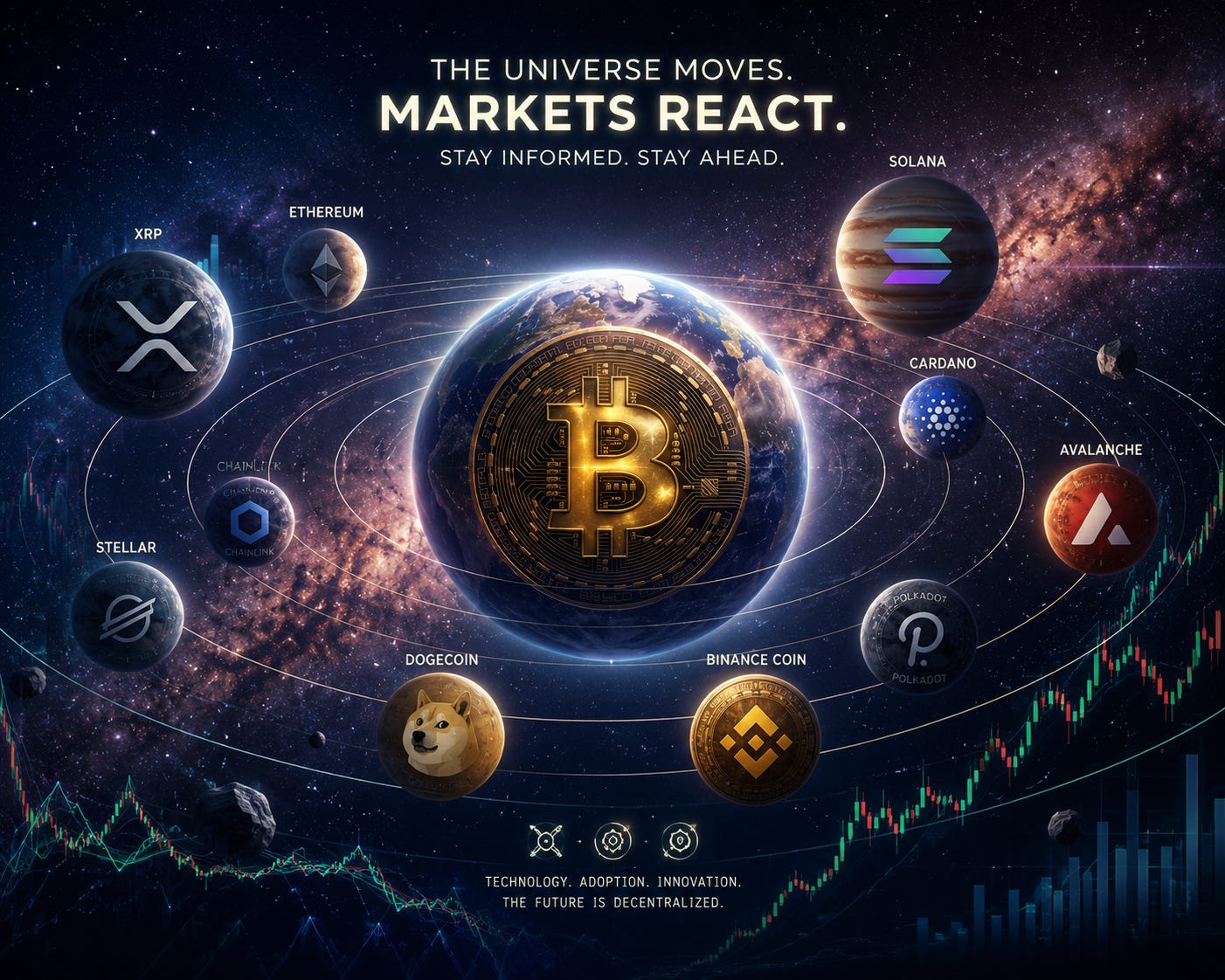
Ripple has spent years building relationships across banking, payments, custody, tokenization and institutional trading.
🏦 Banking & payments
Ripple has worked with major financial institutions including Santander, Standard Chartered, SBI and American Express through various Ripple payment initiatives. However, these relationships should not be interpreted as proof that each institution currently uses XRP for settlement.
One important confirmed example is SBI Remit, which has used XRP as a bridge asset for certain international remittance corridors.
🏛️ Institutional infrastructure
Ripple has also aggressively expanded its own capabilities:
🟢 Metaco — institutional digital-asset custody
🟢 Standard Custody — regulated U.S. custody infrastructure
🟢 Hidden Road → Ripple Prime — institutional prime brokerage
🟢 Rail — stablecoin payment infrastructure
🟢 GTreasury → Ripple Treasury — corporate treasury-management technology
Ripple says these acquisitions form part of a broader strategy to build institutional financial infrastructure.
🌎 Tokenization & public-sector projects
Ripple has also participated in institutional and government-related blockchain initiatives.
A notable example is the Dubai Land Department, where Ripple partnered with Ctrl Alt to support the department’s real-estate tokenization initiative.
And on the XRP Ledger, institutional capabilities are expanding.
The XRPL now has infrastructure for tokenized assets, permissioned trading environments and lending/credit applications designed with institutional use cases in mind.
Most importantly, XRP remains the native asset of the XRP Ledger and can serve as a bridge/settlement asset within Ripple’s payment ecosystem.
But here’s the key distinction:
Ripple adoption ≠ XRP adoption.
Not every Ripple customer uses XRP, and a Ripple partnership alone should never be presented as proof of XRP usage.
That distinction actually makes the real XRP thesis stronger because we can focus on the confirmed use cases instead of exaggerated claims.
Ripple is building infrastructure around payments, custody, treasury, prime brokerage and tokenized finance.
And XRP sits at the center of the XRP Ledger.
The question isn’t simply:
“What is XRP doing today?”
“What happens if institutional use of the infrastructure Ripple and the XRPL ecosystem are building continues to scale?”
That’s the thesis I’m watching.
No posts
Comments
Nothing yet. Say the first thing.
Sign in to join the conversation.