
Hello dear reader, happy Sunday!
I’ve resumed my church hopping this summer (it really feels like research more than anything at this point!), and something caught my eye at the Episcopal service a few weeks ago.
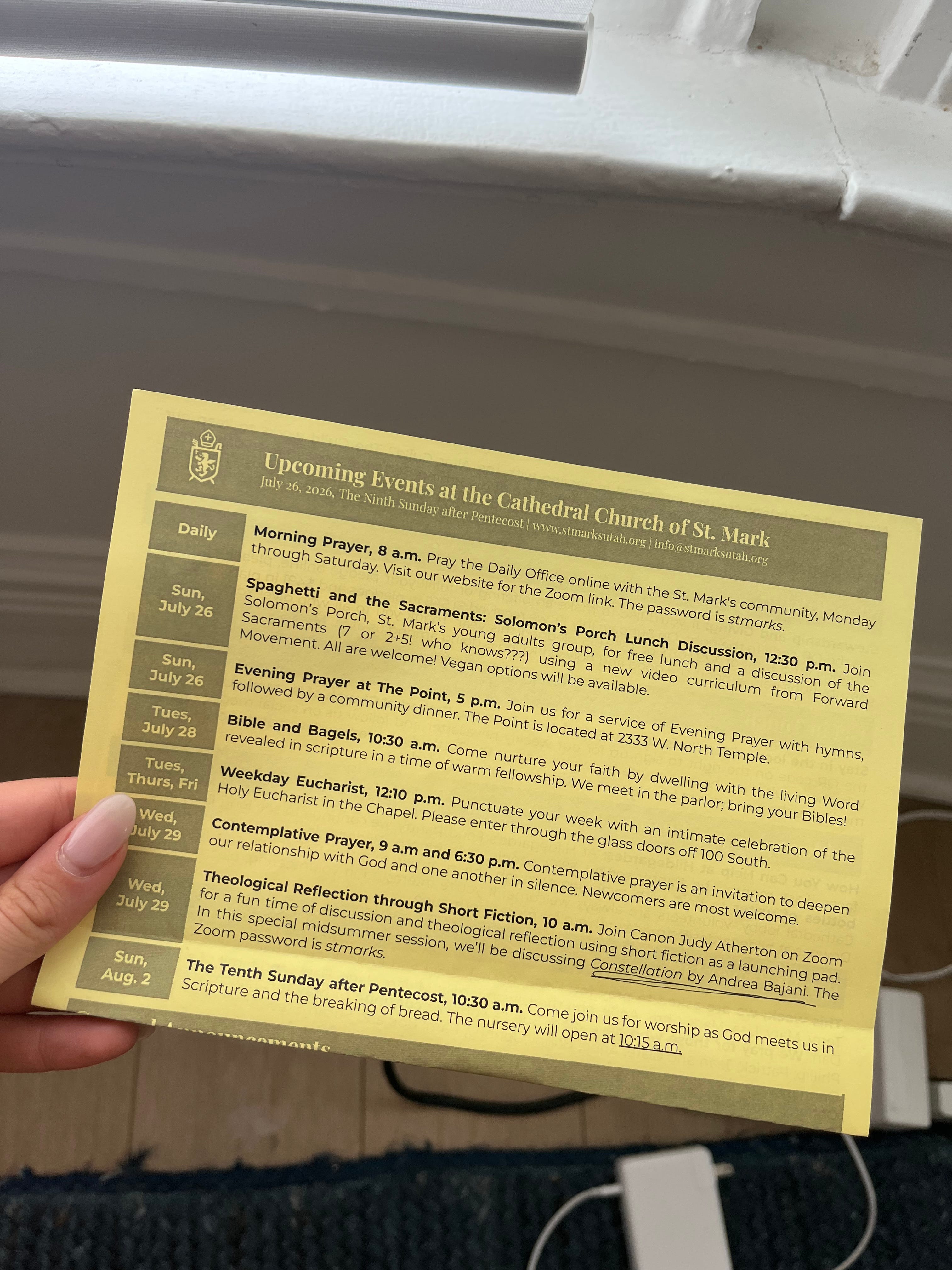
On the flyer they handed out at the door, there was an event called “Theological Reflection through Short Fiction” — where they discuss short stories through a theological lens (!!!)
As you may know, I was a high school English teacher until a few years ago, and I’ve really been missing talking about words, discussing themes, and analyzing an author’s decisions in tone, word choice, and structure. There’s something so beautiful about learning how to decipher the “hidden messages” of literature and find connection to stories that were written sometimes decades or centuries ago!
Unfortunately I couldn’t make it to that discussion, but I’m on the lookout for when they host another one!
But it got me thinking about what we consider sacred. When something is sacred, it means it is holy, set apart for a special religious purpose, and treated with deep respect and care. But was it always inherently sacred? Or is it something that the community made to be sacred through storytelling and ritual?
I recently came across the podcast Harry Potter and the Sacred Text. They actually just concluded the podcast this year — it has been going on for a decade! The premise of the show is that they read Harry Potter using ancient scriptural reading rituals to extract life lessons, empathy, and values from the books. They read and discuss one chapter each episode with different themes in mind: grief, loss, love, time, commitment, etc.
The idea is that something secular and popular (like Harry Potter) can still teach valuable life lesson when it is regarded as sacred. It’s a work of fiction that has reached cultures throughout the entire world, and it can become a sort of common story that people from various faith traditions can relate to! (Similar to how the biblical stories become infused into everyday conversation — like the sayings “the blind leading the blind” or “wolf in sheep’s clothing”)
Admittedly, I am not a massive Harry Potter fan. It’s not that I don’t like Harry Potter, I just haven’t read Harry Potter since I was 12 years old. But, despite my unfamiliarity, I have found the podcast to be really enlightening! And I’ve started slowly reading the Harry Potter books along with the podcast. It’s inspired me to read more literature and stories closely, like I would with scripture.
In Harry Potter and the Sacred Text episodes that I’ve listened to so far, they’ve used “Lectio Divina” — it’s a long-held practice in the Christian tradition for reading scripture.
It can be surprising what you can learn from a passage when you slow down and dissect every word. When you regard the secular as sacred and treat it with the same gravity and respect as scripture, it can reveal lessons and blessings.
Here’s how to do it:
Basically, you pick a passage from your reading, and read it four times.
Lectio: The first time, you look at the narrative. What is the context surrounding this passage? What is actually, literally happening?
Meditatio: The second time, you reflect on what you’re reading. What words or phrases nudge you a little bit?
Oratio: The third time, you respond to the reading. What connections do you see to human nature, your personal life, or current events? What lessons are you learning?
Contemplatio: The fourth time, is contemplation or rest. Let it marinate a bit and see what comes. Some versions of Lectio Divina suggest a call to action — what action will you take in your life because of what you’ve discovered from the reading?
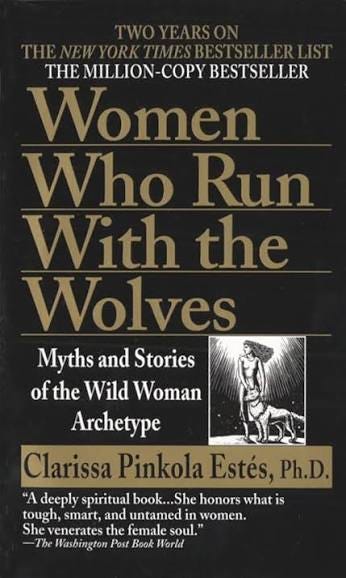
This is a collection of myths and stories that explore “the wild woman” archetype. Each chapter shares the myth or story, then spends a lot of time analyzing it and applying it to the current cultural landscape for women. It has a lot of great insights and looks into the inner natures of the wild woman in each of us. It’s a book I have slowly waded through — like scripture, I find it best to read a little bit consistently rather than sit down and digest at once.
“Sometimes there are no words to help one’s courage. Sometimes you just have to jump.”
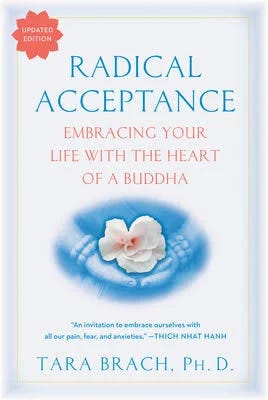
This book changed my life. It helped give me language to inner anxieties and guilt I was feeling, and gave me a step by step in how to work through them. It’s a book I’ve recommended and gifted to others! She blends psychology and buddhist teachings to give practical ways to work through feelings of inadequacy. It’s one I keep coming back to.
“The belief that we are deficient and unworthy makes it difficult to trust that we are truly loved.”
“Our desire for happiness is, most fundamentally, the desire to exist.”
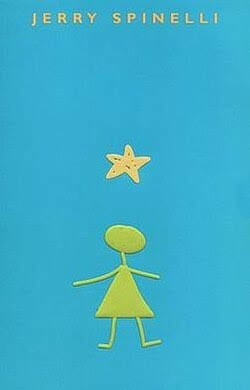
A book that I read over and over in my tweenage years. Stargirl is a character I loved and learned from in how to be yourself even when it brings a cost.
“She was elusive. She was today. She was tomorrow. She was the faintest scent of a cactus flower, the flitting shadow of an elf owl. We did not know what to make of her. In our minds we tried to pin her to a corkboard like a butterfly, but the pin merely went through and away she flew.”
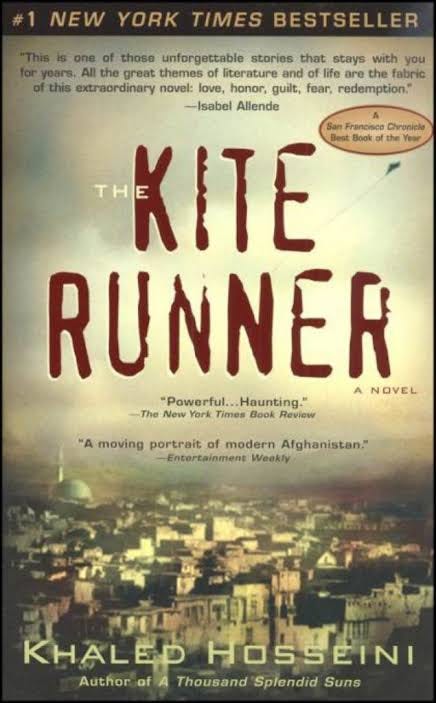
A story of loss, redemption, and friendship based in Afghanistan. A beautifully written and heartbreaking read that I think about often.
“I wondered if that was how forgiveness budded, not with the fanfare of epiphany, but with pain gathering its things, packing up, and slipping away unannounced in the middle of the night.”
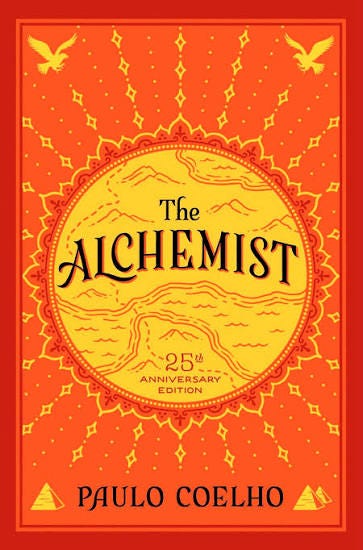
An allegorical, mystical, philosophical novel orginially written in Portuguese that follows Santiago, a shepherd boy who journeys from Spain to the Egyptian pyramids to find a hidden treasure. It is a book about searching for the treasure of your life, following your dreams, and learning the language of the world and of your heart.
“Tell your heart that the fear of suffering is worse than the suffering itself. And that no heart has ever suffered when it goes in search of its dreams, because every second of the search is a second's encounter with God and with eternity.”
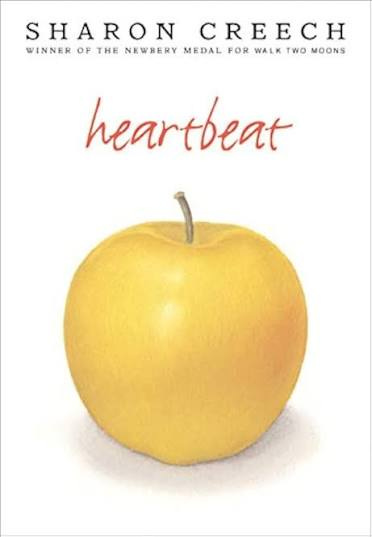
This is a story of a 12 year old girl written in verse. This book had a big impact on me as a child, and even though I haven’t read it for a long time, when I thought about what books I consider sacred, this one kept coming up for me. Sharon Creech introduced me to experimental writing in novels. In the story, Annie draws an apple everyday and as the apple changes with time, it eventually becomes a metaphor for her life.

I like the idea of regarding literature or stories that exist today as sacred. It opens up the possibility that light can come to you from anywhere if you open your eyes to it.
As I was compiling my list of sacred texts, I realized that these books often arrived at exactly the right moment in my life — they were not chosen for spiritual reasons, but that did spiritual work anyway.
I encourage you to think about the books and stories who have made you who you are. What books have functioned as scripture in your life, even if no one called it that?
May we regard the world with openness,

Below, you will find this week’s Sunday Somethings. This is where I share my recommendations, insights, and favorites for the week. Have something you’d like to share, too? I’d love to hear from you in the comments and in the community chat!


Text within this block will maintain its original spacing when published
excerpt from East Coker
by T.S. Eliot
Shall I say it again? In order to arrive there,
To arrive where you are, to get from where you are not,
   You must go by a way wherein there is no ecstasy.
In order to arrive at what you do not know
   You must go by a way which is the way of ignorance.
In order to possess what you do not possess
   You must go by the way of dispossession.
In order to arrive at what you are not
   You must go through the way in which you are not.

I have been a big fan of Sierra Ferrell this month. Her voice is so beautiful and feels rustic and healing. When I learned her backstory of playing (and living) on the streets for years before she secured a record label, I liked her music even more!
She is a popular artist right now that I think deserved the hype. Here are some of my favorite songs of hers:
And here’s a video that explains her backstory:

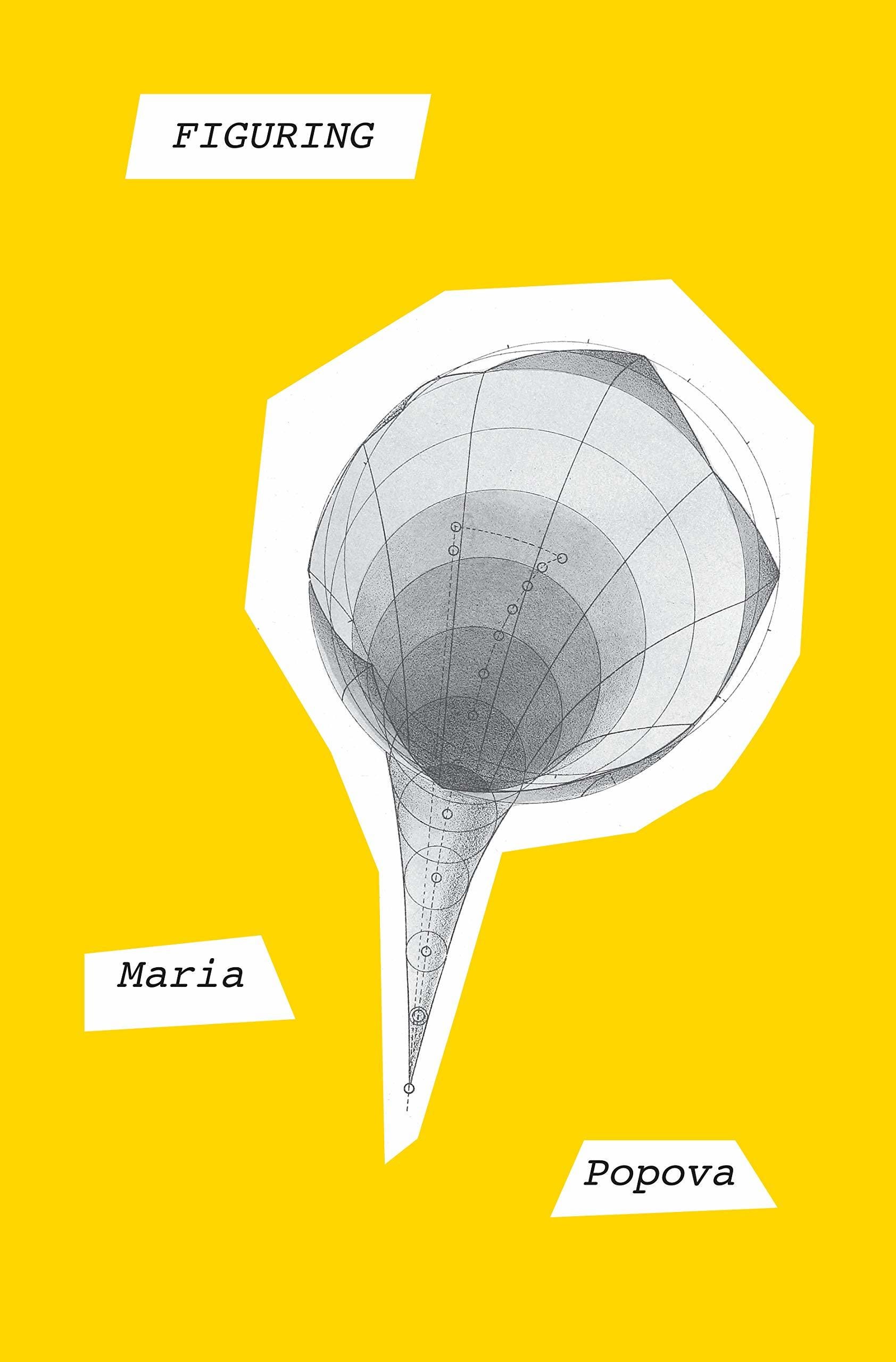
I recently came upon Maria Popova’s work — she is extraordinary! Her writing draws on science, poetry, art, philosophy, and literature focused on finding patterns of meaning in human history. She was born in communist Bulgaria and then immigrated to the U.S. alone at age 19. She is truly a genius and has said in interviews that she spends almost every waking moment reading or writing. Her blog, the Marginalian, started as an email newsletter to seven friends, and eventually grew to be so culturally significant that her writings were officially selected for inclusion in the Library of Congress permanent web archive (!!!)
I signed up for her weekly newsletter, and I’m excited to begin reading more of her work! Her writing is very dense, so I take it slow. I have been making my way through this book of her’s and really like it so far:

When I was learning more about Lectio Divina, I came across Guigo II’s paper “Ladder of Monks” — which is one of the first (if not the first) descriptions of Lectio Divina.
Guigo II explains how he created this practice. He wrote: “One day when I was busy working with my hands, I began to think about our spiritual work, and all at once the four stages in spiritual exercise came to mind” (source)
I got to thinking about sometimes we have all of this input, and we really need to give ourselves time to digest away from screens, audio, etc. There’s theories about why the best ideas come in the shower, but the secret isn’t a secret at all — we need time to process, to make connections, to breathe. Then the ideas come.
Something to try this week is to unplug and do something with your hands, just like Guigo II did back in 1150… the Carthusian monks were onto something. :)
Thank you, thank you for reading Something for Sundays! If you enjoyed this post, please share with someone you know who might enjoy it too! ♥
My thoughts about cults
Different ways of praying
Seeing the sacred in the ordinary
No posts
Comments
Nothing yet. Say the first thing.
Sign in to join the conversation.