
Caroline Hallemann, the digital director of Town & Country magazine, was in the early stages of researching a book on Jackie Kennedy when Prince William announced his Earthshot prize was headed to Boston. The legacy-defining environmental initiative from the heir to the British throne was inspired by President John F. Kennedy’s Moonshot, the ambitious goal to put a man on the moon and bring him back home.
“This idea that Prince William was leaning on the Kennedy name to launch this project, to bring it to America, to make it, in my opinion, more interesting to Americans, I found that really interesting,” Hallemann tells me. In December 2022, she was on the ground in Massachusetts reporting on a joint engagement with William and Kennedy’s daughter, Caroline Kennedy. A short time later, Hallemann was writing about Prince Harry and Meghan receiving the Ripple of Hope Award from the Robert and Ethel Kennedy Human Rights organization.
The back-to-back events got Hallemann thinking about the British royals, the Kennedys and their high-profile shared circumstances. From the women marrying into these families to the expectation of grieving in public, the intrigue and fascination is seemingly endless, the pressures myriad. “I thought, ’There must be a book about this’ — and there wasn’t,” Hallemann says. She took the concept to her agent, who told her to shelve the other idea and get to work: “That’s the book.”
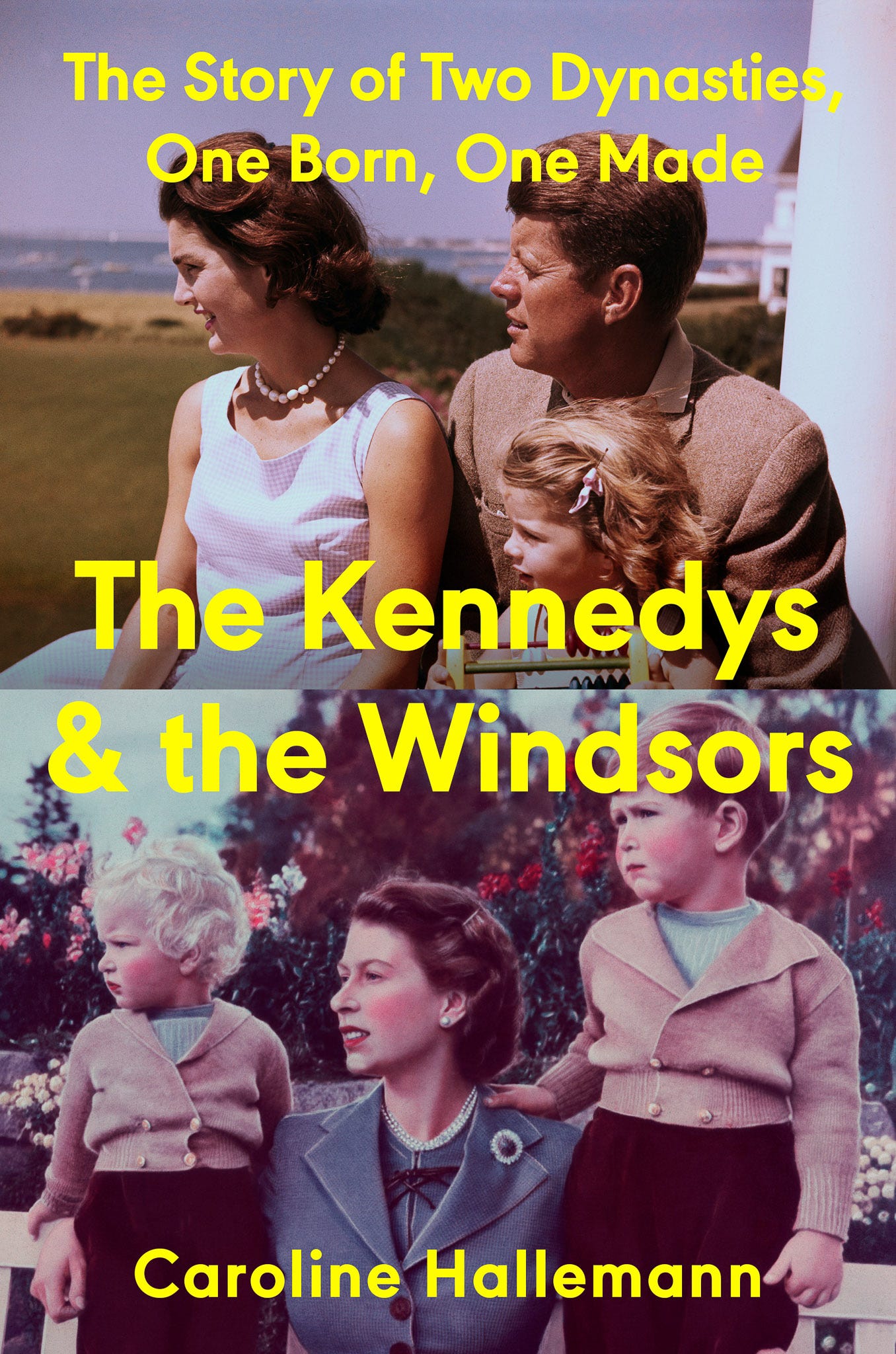
New this week, The Kennedys and The Windsors: The Story of Two Dynasties, One Born, One Made is a must-read on either side of the pond. Hallemann has put together a dual biography, telling these intertwining stories in fascinating detail. I have known (and worked with!) Hallemann on many occasions. I was thrilled to read the book early and had the chance recently to chat with her about it.
Below, our conversation on why the Kennedys hold such a grip on American culture today and where their story first collided with the Windsors. Hallemann also debunks the famous 1961 dinner at Buckingham Palace (and gives her thoughts on the Crown portrayal of Elizabeth II and Jackie as rivals) and reflects how Jackie inspired Princess Diana and Diana inspired JFK Jr. Lots here! And more in the book — pick up your copy of The Kennedys and the Windsors at your local indie or wherever you shop.

***Giveaway closed***
The team at Putnam has generously offered to give away THREE copies of The Kennedys and the Windsors to our SMT community. There are two steps to enter: 1) Tap the heart button at the top of this email, which will help others find the newsletter and 2) click below to leave a comment (it can be something as simple as an emoji or a thought on one — or both — of these families). Best of luck!
Comments are open to paid subscribers, thank you for your support! You make this work possible. If you haven’t already, please consider upgrading your subscription today for $5/month.
Giveaway closes Sunday, June 7 at noon PT. Open to US addresses only. Winners will be chosen at random and notified via email.

Please note: This conversation has been edited and condensed.
Caroline Hallemann: I started at Town & Country as a news writer 10 years ago and we were trying to figure out what “news” meant for T&C on a daily basis. A big part of that was covering the royals. I have seen a lot come from the royal family over the last 10 years; right in the middle there was all-things Harry and Meghan, from their courtship through their engagement and their wedding.
One of the reasons why I like covering the royals is there could be a story every single day — whether it’s analysis of how they’re handling how things exist in the modern world or they have an engagement or an appearance where something interesting happens or there is an anniversary that you might reflect on.
I still currently work at Town & Country, so that is my day job. But I have also written a book called The Kennedys and The Windsors that is a dual biography of these two families and the ways in which they have interacted over the last hundred years. It’s also a bit of a comparison, drawing on the parallels between them but also the differences, not just between these two families but American culture and culture in the UK.

I really wanted to explore the idea of dynasty and why, in particular, the Kennedys still occupy this role in modern life? Why are they still part of the conversation? When I started writing this book, they were less in the conversation. Now I feel like it’s a really interesting time, on the heels of Love Story, on Jack Schlossberg running for Congress, on RFK Junior with his position in the Trump administration.
There is also an inherent drama to both of these families that makes for a good story. There is romance and heartache and tragedy and enormous success and wealth and privilege. And at the same time, there’s still family drama. No one can escape illness.
I think the reason why the Kennedys and the royal family occupy such a place in popular culture is actually the same, which is they’re both tied to history. The Kennedy assassination was a quintessential event in American history that we, as a collective, are still grappling with. That act of political violence is still something that is impacting America.
I also find popular culture is a part of why the Kennedys continue to be in the public eye. Look at any number of films, books, whether they’re fictional or not — the History Channel could be the Kennedy Channel plus World War II, do you know what I mean? There’s a very particular kind of person who is so interested in that. The American interest in conspiracy theories, I think, dates back a bit to JFK. The drama, in the cover-of-People-magazine-type narrative, has also kept them in the public eye.
It’s a political dynasty, but it’s a pop culture dynasty in that they continue to be part of America’s media obsession.
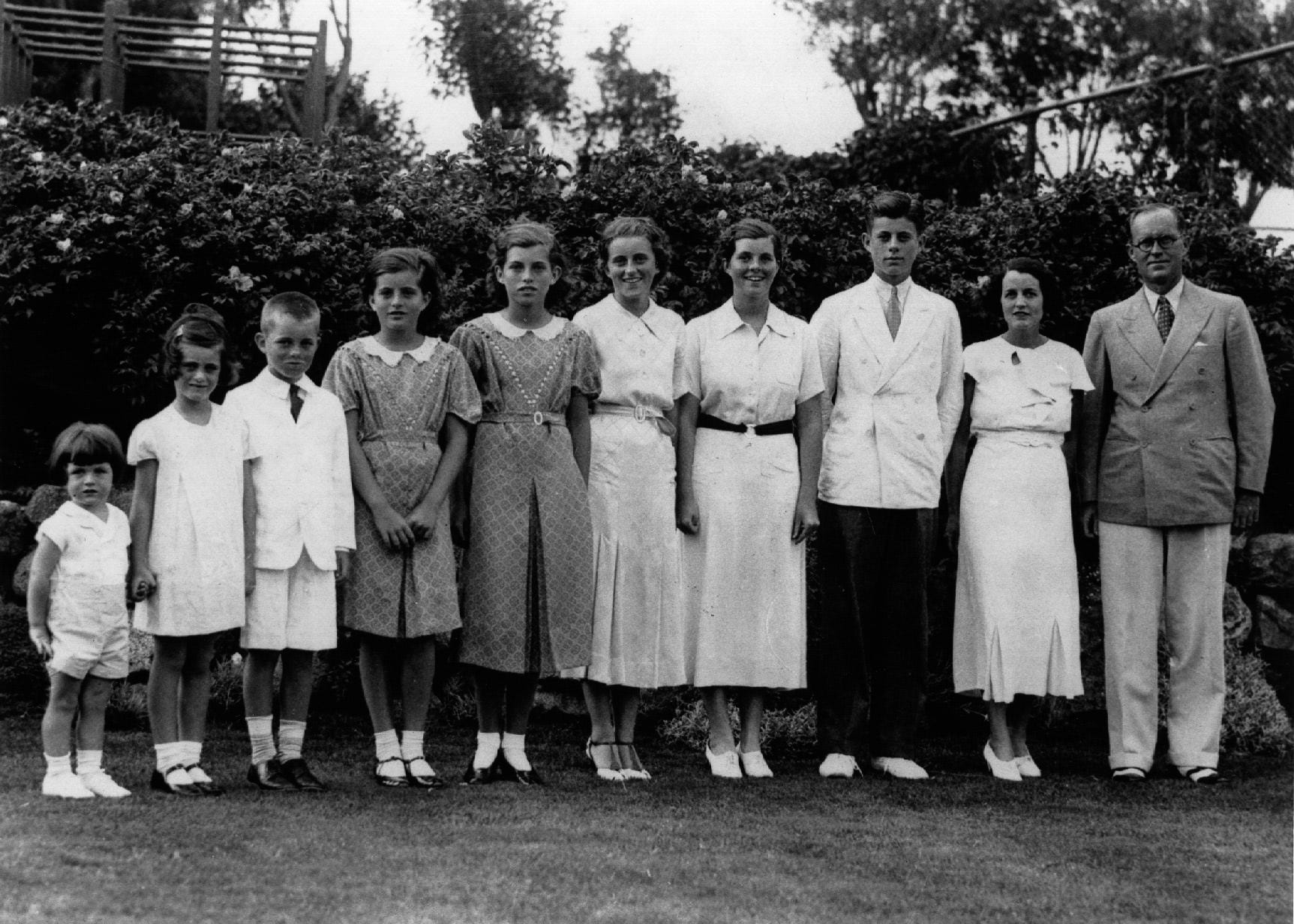
He was the father of John F. Kennedy and married to Rose, who was the daughter of an Irish politician in Boston. I think that’s important to know. In Boston at that time, as Rose described it, there were two entirely separate societies. There were those known as the Boston Brahmin, who were essentially descendants of the original American colonists. These were Anglican, these were Protestant, that was one portion of society. And then there were the Irish Catholics, a separate society.
The way you moved up through society was through politics. Joe Kennedy was a larger-than-life personality and enormously ambitious. I see him as kind of the quintessential American dream, in contrast to the British class system and the royals occupying their position by birth. That was the exact opposite of what Joe Kennedy’s ambition was: I am going to push my family as far up the social status ladder to the presidency. That is what he wanted and that’s what happened.
Joe Kennedy was not necessarily a great guy. He had different associations with the mob. He worked in Hollywood. He made his money there. But, he worked to get FDR elected. And, as today, many primo ambassadorships go toward people who help to get you elected.
He wanted to be the Secretary of the Treasury and FDR was like, “That’s not gonna happen.” But he was also interested in the position of ambassador to St. James, which is basically the ambassador to the UK. The fact that he was an Irish American, that’s a funny position to put him in; FDR allegedly saw the humor in that. He also thought: Let’s get Joe over to the UK. He is willing to spend his own money to wine and dine people, that’s great. And also, we won’t have to deal with him here.
Kennedy saw his time in the UK as another opportunity to push his children up the social ladder, for them to meet members of the British aristocracy, for his daughters to be presented in court. He wanted that for his children. [EH note: He and Rose had nine kids — NINE!]
At the same time, this was on the eve of World War II. The British government and King George VI and Queen Elizabeth, the future Queen Mother, recognized that they needed help from America: If we’re about to be in a war, we want America to like us.
He didn’t come in with all the social graces. There’s an anecdote about how he didn’t wanna wear his pants short as was custom. He didn’t do the things that you’re supposed to do. At the same time, the British were very much like: We need him around. We need the Americans.
In contrast, his daughter, [Kathleen, known as] Kick, came in and was frequently described as “very American,” cracking jokes and being very vivacious. She just charmed British society. They loved her. You know, maybe one generation removed, they had a little bit more acceptance there?
Joe Kennedy was a difficult person. I don’t want to leave this topic without saying that during World War II, he was aligned with [Prime Minister] Neville Chamberlain. He wanted to keep America out of the war. He was seen as a defeatist. He thought that the UK was going to fall to Hitler, so then that is his legacy as well.
There’s a great scene that Rose Kennedy wrote about in her diary when they went to Windsor Castle. Rose essentially said: Can you believe a girl from Boston is here? Her eyes are wide, which I love.
I can’t quite recall exactly what Rose’s quotes were, but just thought that a young Princess Elizabeth and a young Princess Margaret had to spend a lot of time with adults, which is probably an unusual element of growing up as a royal — spending a lot of time with all of these people who are not really paying attention to you. But I know that many years later, Queen Elizabeth recalled that Rose paid attention to her when she was young.
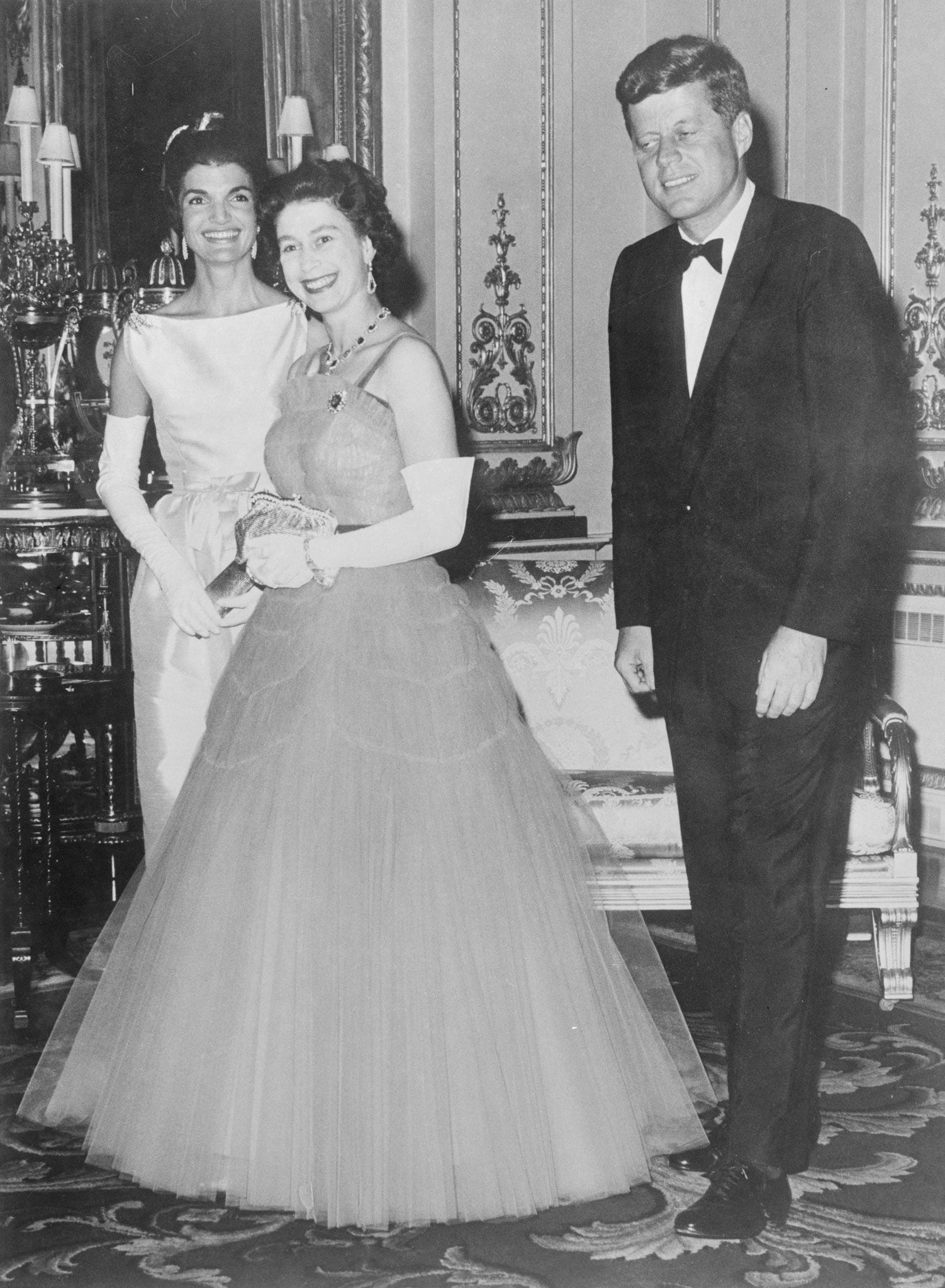
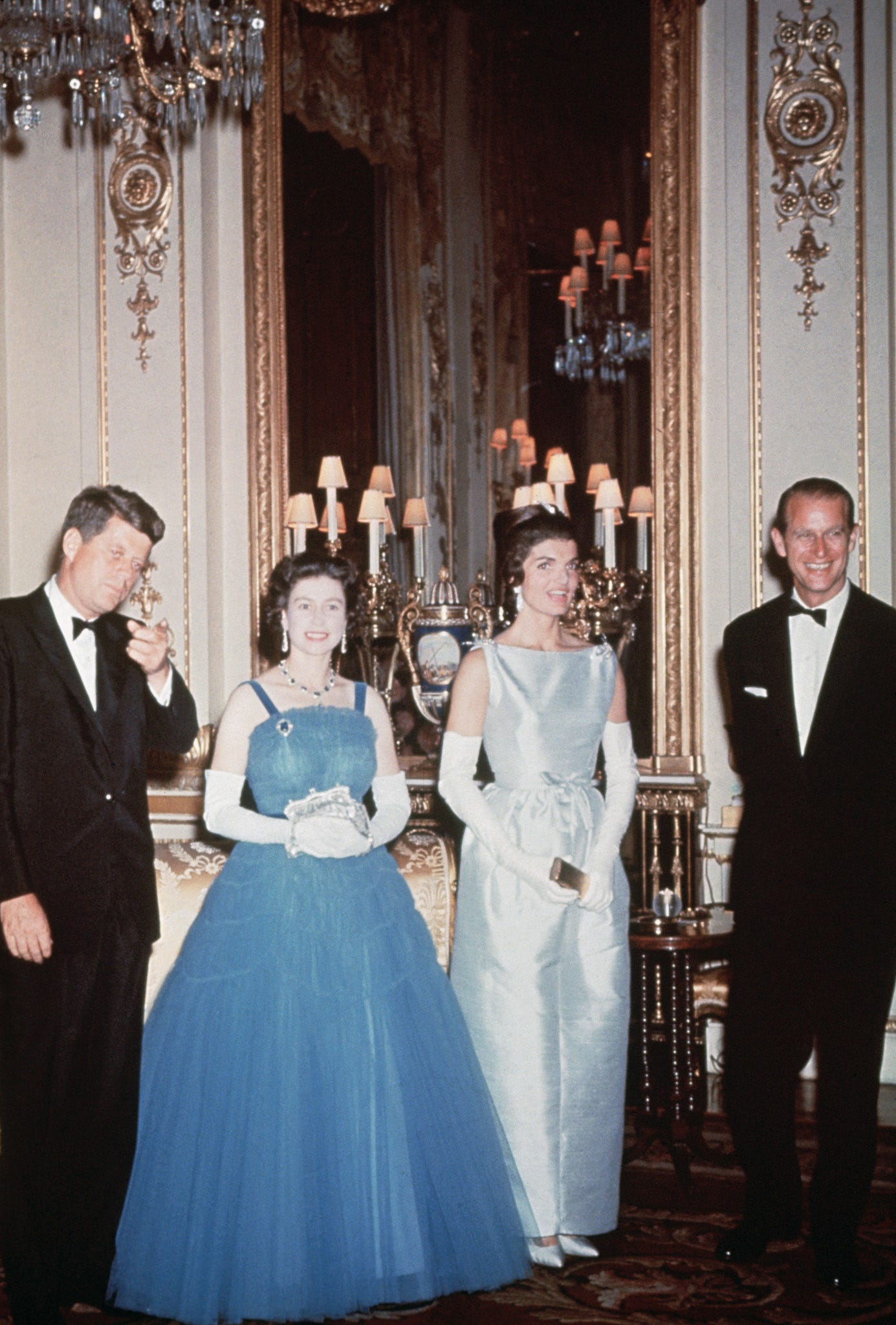
Queen Elizabeth was so excited. She was like, This is the first big invitation to a president to come to Buckingham Palace. I would love for them to come stay with me. They didn’t end up staying with her, but I just found that detail to be really interesting.
That visit is coming off of two enormous pieces of Kennedy history. One, it’s coming off of JFK’s meeting with Khrushchev in Vienna. I don’t want to get into all the Cold War nitty gritty, however it did not go well for Kennedy. He thought he was going to kind of go in and meet Khrushchev, who was the leader of the USSR at that time, and that they were going to go toe-to-toe and have conversations about world issues. That’s not what happened. He wanted to come to the UK to do a debrief with the prime minister; this was a little trip so that NATO wouldn’t get mad.
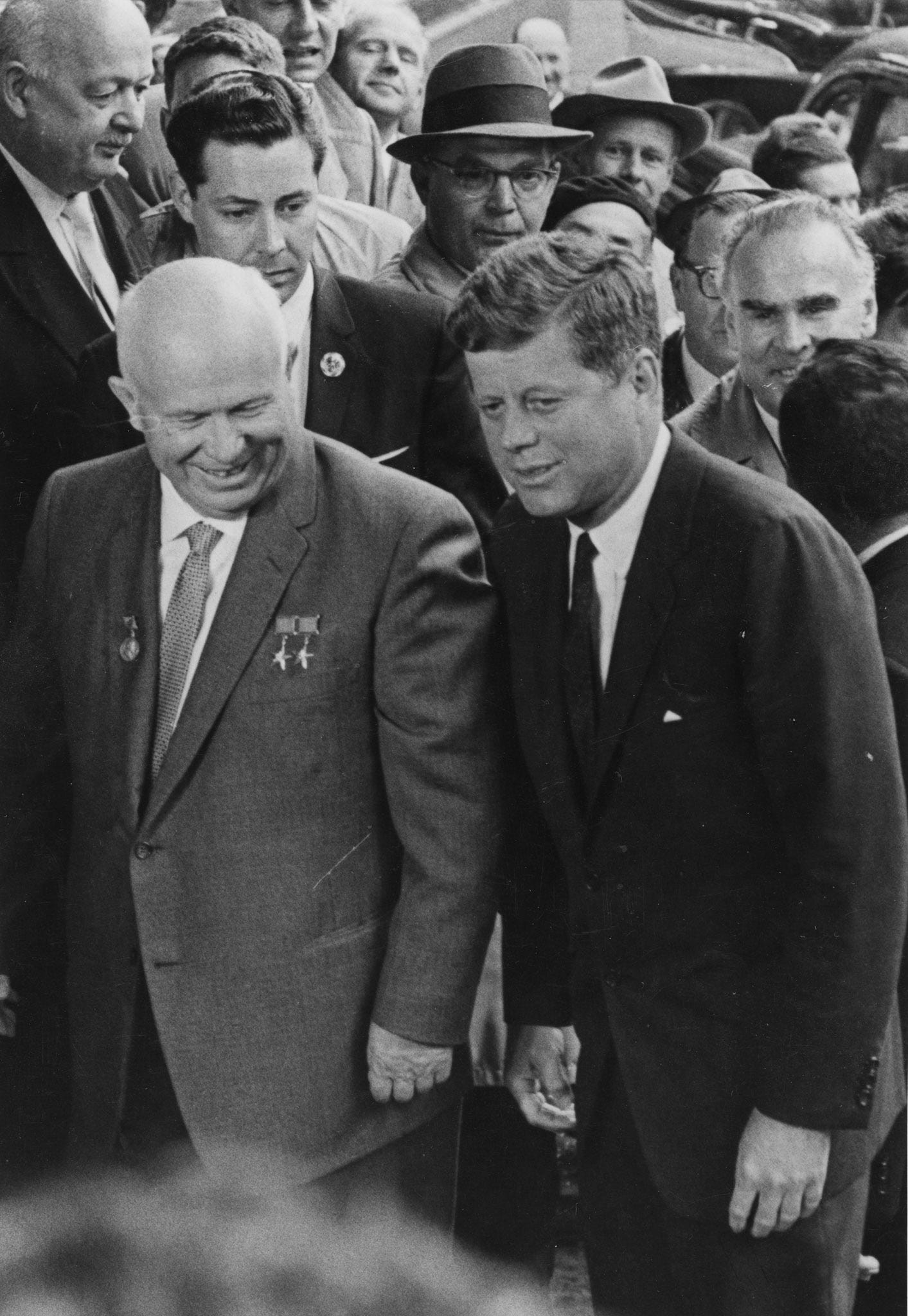
Kennedy is nursing his wounds. His back is killing him. He is in pain, physically and ego-wise. It’s also coming off of this enormous success from Jackie. President Kennedy gave a speech where he said, essentially, “I’m the man who accompanied Jackie to Paris.” She is becoming a global icon.
And then of course, the queen wants to have them to dinner. Of what we know from the meeting, it was fine. Dinner was fine. Several people who were there said it was delightful. Jackie did say, to a number of people, some unkind things. Basically, she didn’t like what the queen was wearing. She was unimpressed with the state of things there.
But it was not a huge rivalry. And it also was not a drug fest, which The Crown seems to suggest. One part of The Crown that gets me every time is she calls Prince Philip “Your Grace.” And I’m like, that would have never happened. Jackie was very in tuned with the protocol. That was so important to her.
On her first trip to Europe, after college, she said, “One of the most exciting moments of my whole life” was when she met King George VI and Queen Elizabeth, the future Queen Mother. She was enraptured by this idea of monarchy. She was not a monarchist, but she found it fascinating. So she would have taken this very seriously and I would imagine she would have had very high expectations that were just like not quite met.
Jackie wanted the history of the White House to be present for anyone who came to visit. And I can just imagine her going to Buckingham Palace with that same expectation, because it is such a historic building, and just being like, “Hmm, this doesn’t quite live up to my expectation.”
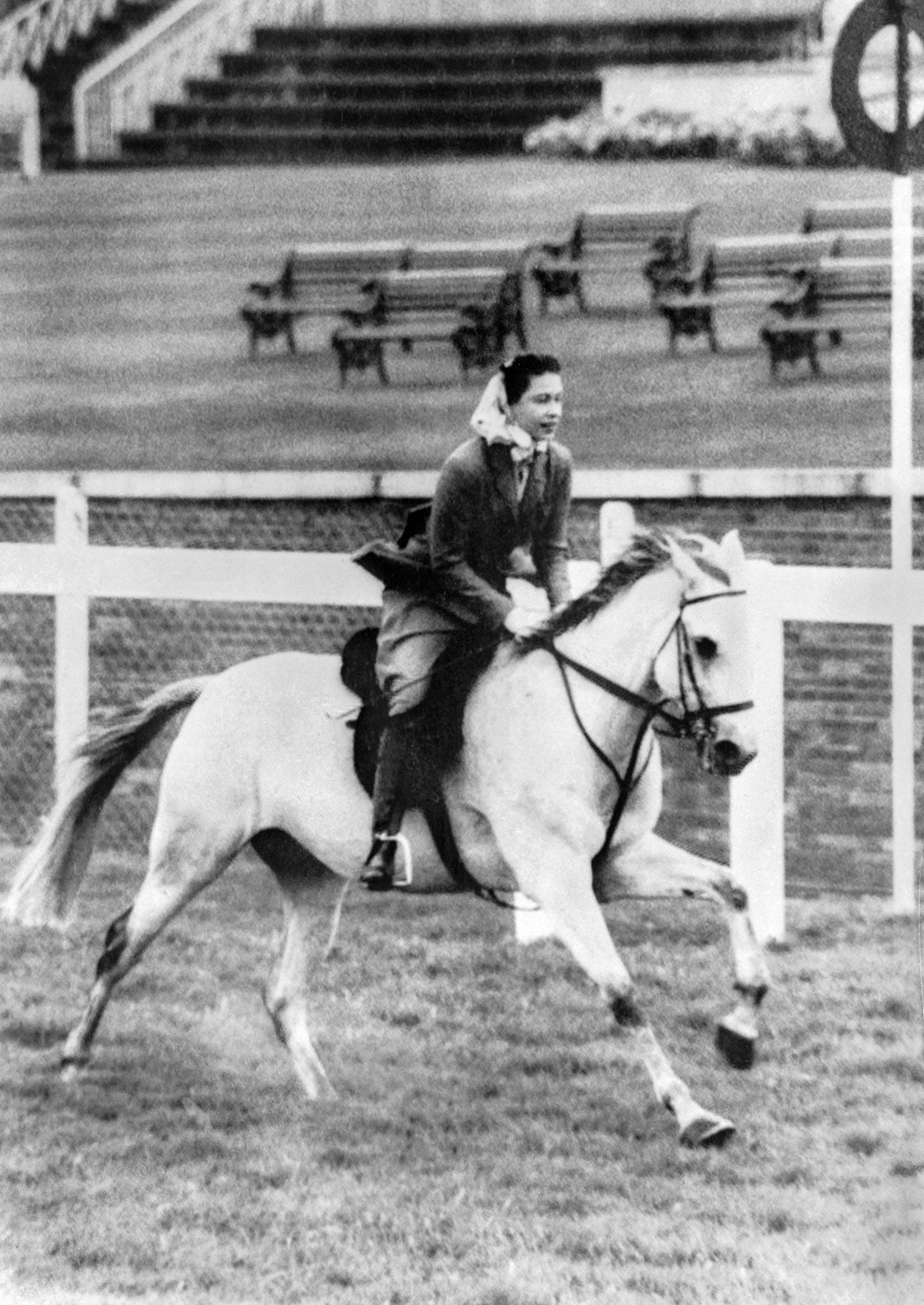
Jackie came back [to the UK] the following year after her historic diplomatic visit to India and Pakistan. And they had a lovely lunch and they talked a lot about horses — which, when you think about horse girls, there’s no bigger horse girls in history than Queen Elizabeth and Jackie Kennedy! At least from what I’ve gathered, their true self was when they were with horses and not these kinds of icons on the world stage.
These two women, there was not a rivalry there. They were friendly. They actually had quite a lot in common.
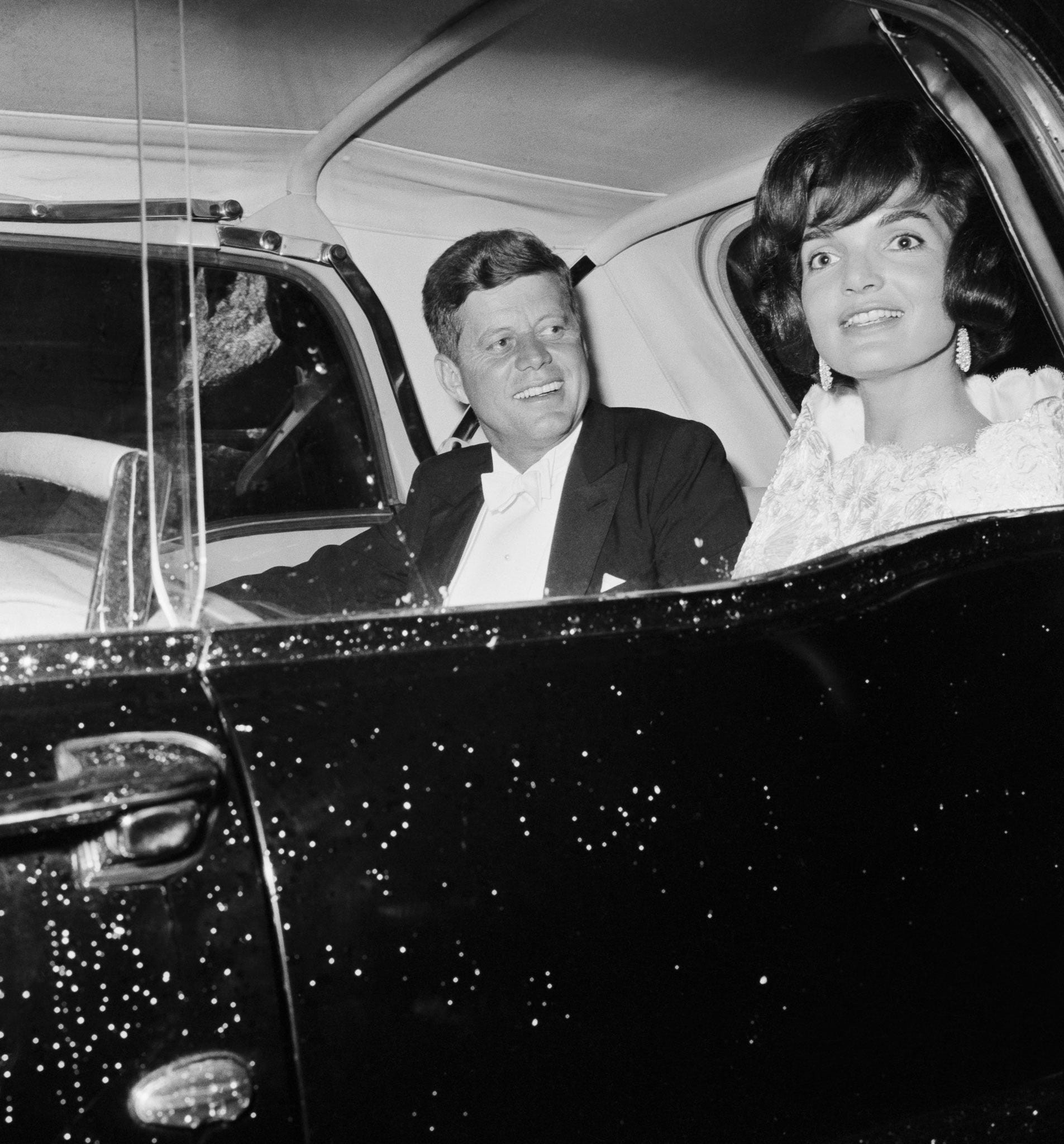
Yes, of course, I think she would have heard the rumors, absolutely. What the Kennedys represented during that time was youth and vitality — having a young, World War II veteran family in the White House. Jackie gave birth to John F. Kennedy Jr. and then, three months later, was at the inauguration, which is insane to me.
That idea of youth and vitality, I think, was something that Queen Elizabeth needed to look at. Frankly, I think it’s something that the royal family needs to look at today and think about what they can do there.
Do you mind if I take a step back a little bit? My favorite chapter is the chapter about Jackie covering Queen Elizabeth’s coronation as a journalist. She went over on a boat that was dubbed “The Coronation Crossing,” which is full of Americans who are interested in going to the UK for the Coronation. The Duke and Duchess of Windsor are on board, which is just also wild to me.
She has this position at the Washington Times Herald writing a column called “Inquiring Camera Girl,” which is a man-on-the-street photojournalism, Q&A sort of thing. When I was reading these columns, it was such an interesting portrait of both a young woman during this time period, post-war America — but also someone right before they get enormously famous. She is observant. She’s a great writer. She’s curious. She’s snarky and funny. She’s a young woman, coming into her ideas, writing about what she sees, and listening to gossip and documenting it.
In a similar way, it’s interesting as a parallel to Queen Elizabeth becoming the queen. These are two women on the brink of exceptionalism. I think you think of Jackie as similar to the queen: calm, glamorous, never putting a foot out of line, an icon in the true sense of the word. You look at an image of Jackie and you know who she is.
[With these columns], you can see her before she was in the public eye — and then she joins the Kennedy family.
Their wedding was not a royal wedding, but it was an event. For Joe Kennedy, again, [it was] a PR moment. His son is a senator and he is marrying this young woman who is beautiful, well-spoken, speaks a number of languages, and who is Catholic but has ties to WASP-y society through her stepfather. Jackie, in Joe’s mind, was a lovely match for his son, but also a real political asset.
Certainly going into the White House, she was still that woman. There was a lot of writing about her during the campaign: She’s a clothes horse, she spends so much money on clothes. And almost the second she got into the White House, that was seen as an asset. She was a fashion icon putting forth this idea of American youth, vitality, exceptionalism, and style on the world stage.
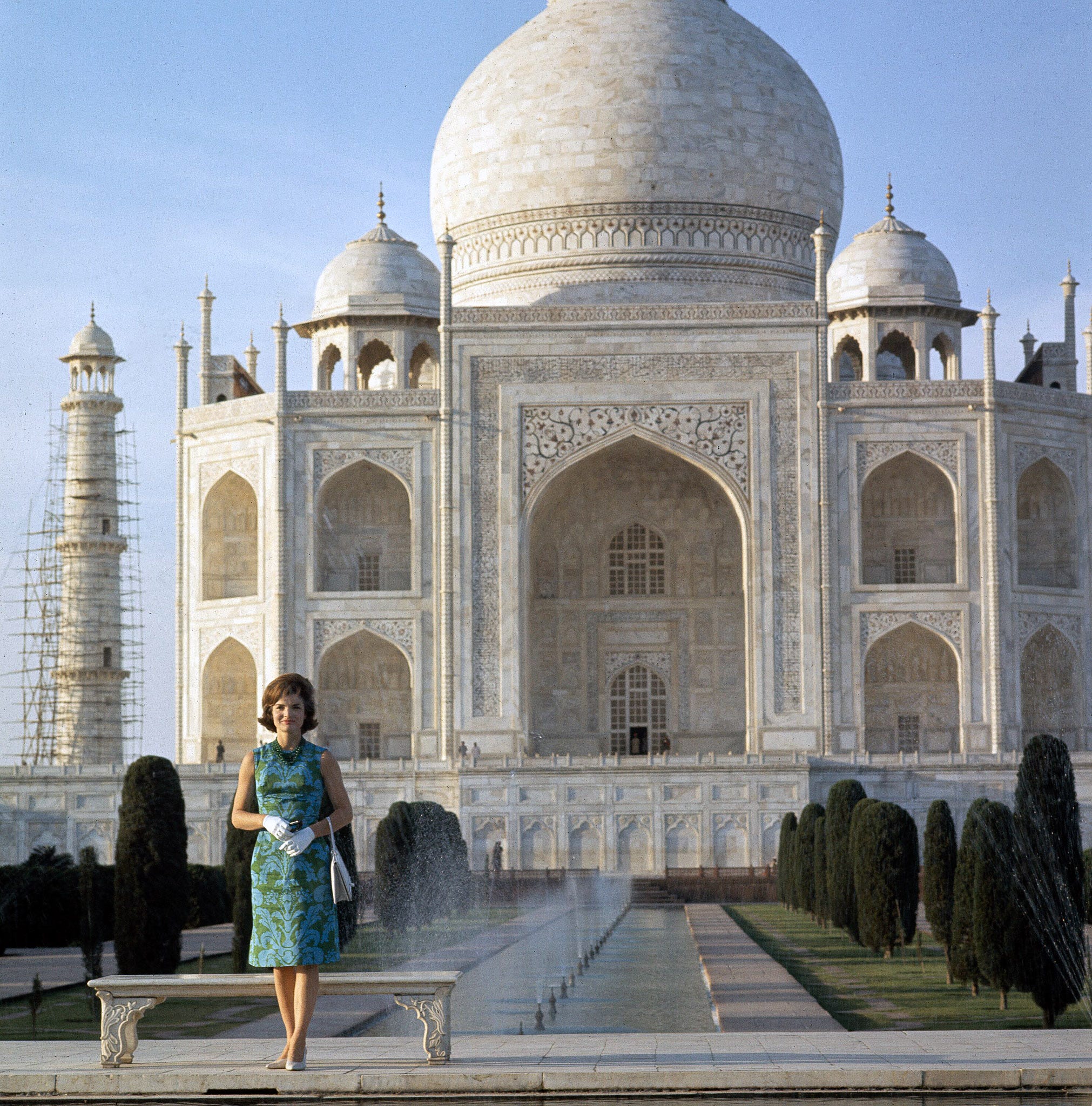
On the international stage, Jackie transfixed people She was able to communicate — communicate literally in the fact that she knew multiple languages. What an asset for a political spouse.
And her fashion, you think about like the Meghan Effect or the Kate Effect in terms of how they can move the needle of the economy with their clothing. There was the Jackie Effect before there was any of that! She went places and inspired women to get that look. People would bring in pictures of her to their hairstylist and they would say, “I want to look like this.”
It’s that soft power diplomacy: This is what an American woman is and this is what America has — this is the culture and the youth and vitality. And it should be mentioned, her appreciation for and her support of the arts. That is really part of the Kennedy legacy.
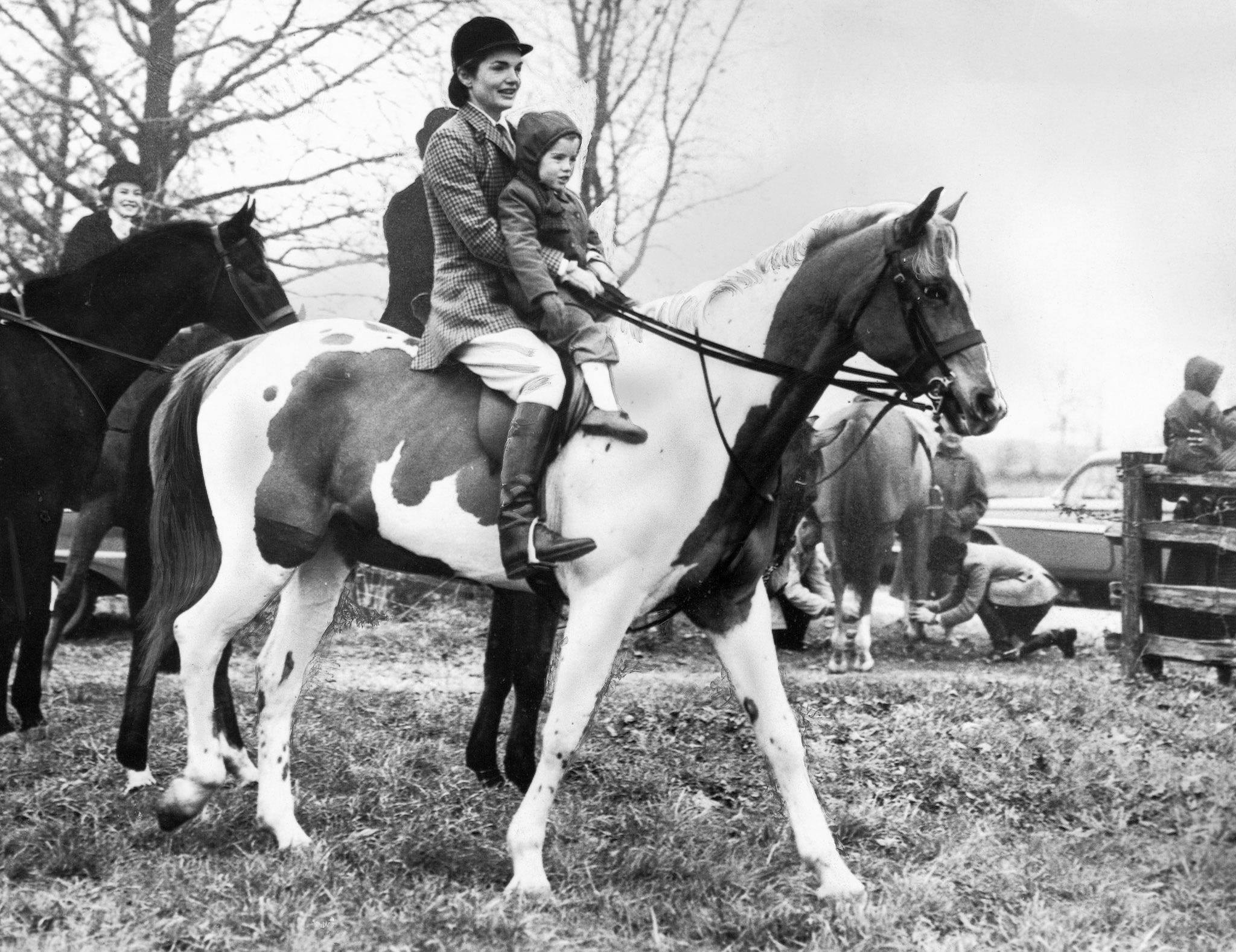
Diana saw Jackie as a role model in terms of how she could raise her children in the public eye said, “I would like that for William and Harry.”
This concept of being a style icon and what does that mean? If you think of the 60s, you think of a Jackie Kennedy-esque person. You think of what that looks like. I think similarly for the late 80s, you think of Diana and her look. I don’t know necessarily if Meghan and Kate are quite there, in terms of their impact, but I would say Jackie and Diana were setting trends.
They were beloved. They had crowds of people wherever they went. I’m not talking about paparazzi or the press. I’m talking about regular people who are wanting to be close to them, wanting to see them. This was not now, where everybody needs a picture. No. This was: I just want to be close to this person because the aura and their ability to connect with people is so strong.
Another reason why interest in the Kennedys persists is because Jackie Kennedy set a myth and walked away. In the immediate aftermath of President Kennedy’s assassination, Jackie gives one interview with LIFE Magazine. That is when Jackie Kennedy, in essence, invents the myth of Camelot. That is her tying her family, and the Kennedy administration, to the myth of King Arthur and his knights. She’s talking about how there will never be another Camelot. And then she doesn’t write a memoir, she doesn’t participate in biographies, she gives a handful of very select very small interviews that are not about this time.
Jackie chose a life out of the public eye. She was hounded by paparazzi. Ron Galella was a very famous paparazzo in New York City who she sued and won a lawsuit against, seeking out privacy. And it really helped establish what privacy means in terms of photographers.
There are parallels between Jackie and Diana, certainly, but I think there’s also one between John F. Kennedy Jr. and Diana. They both were able to manipulate their own story and shine a spotlight on what they wanted or make the media work for them in certain instances. I’m not saying they weren’t pursued — that was a part of their narrative, too.
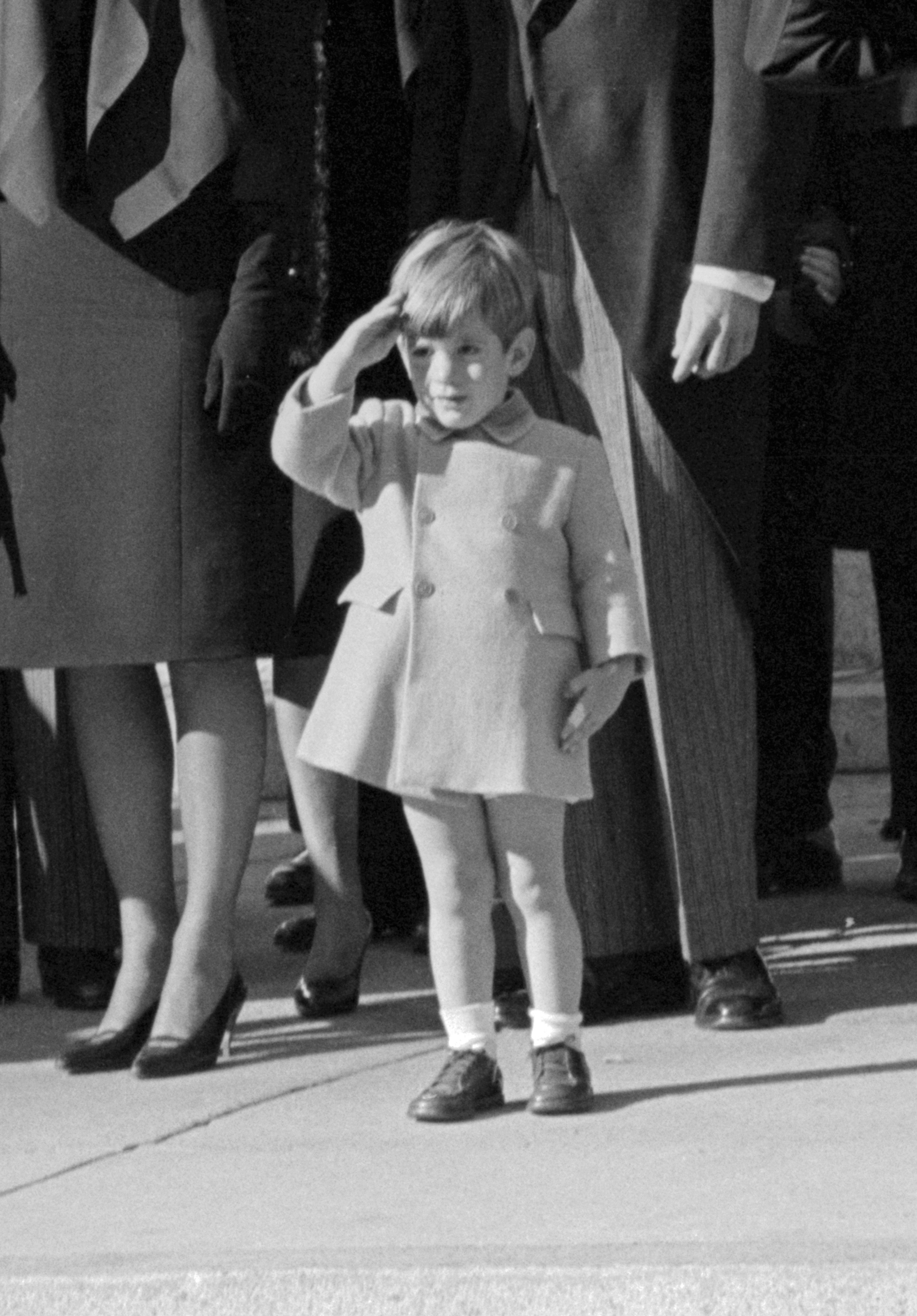
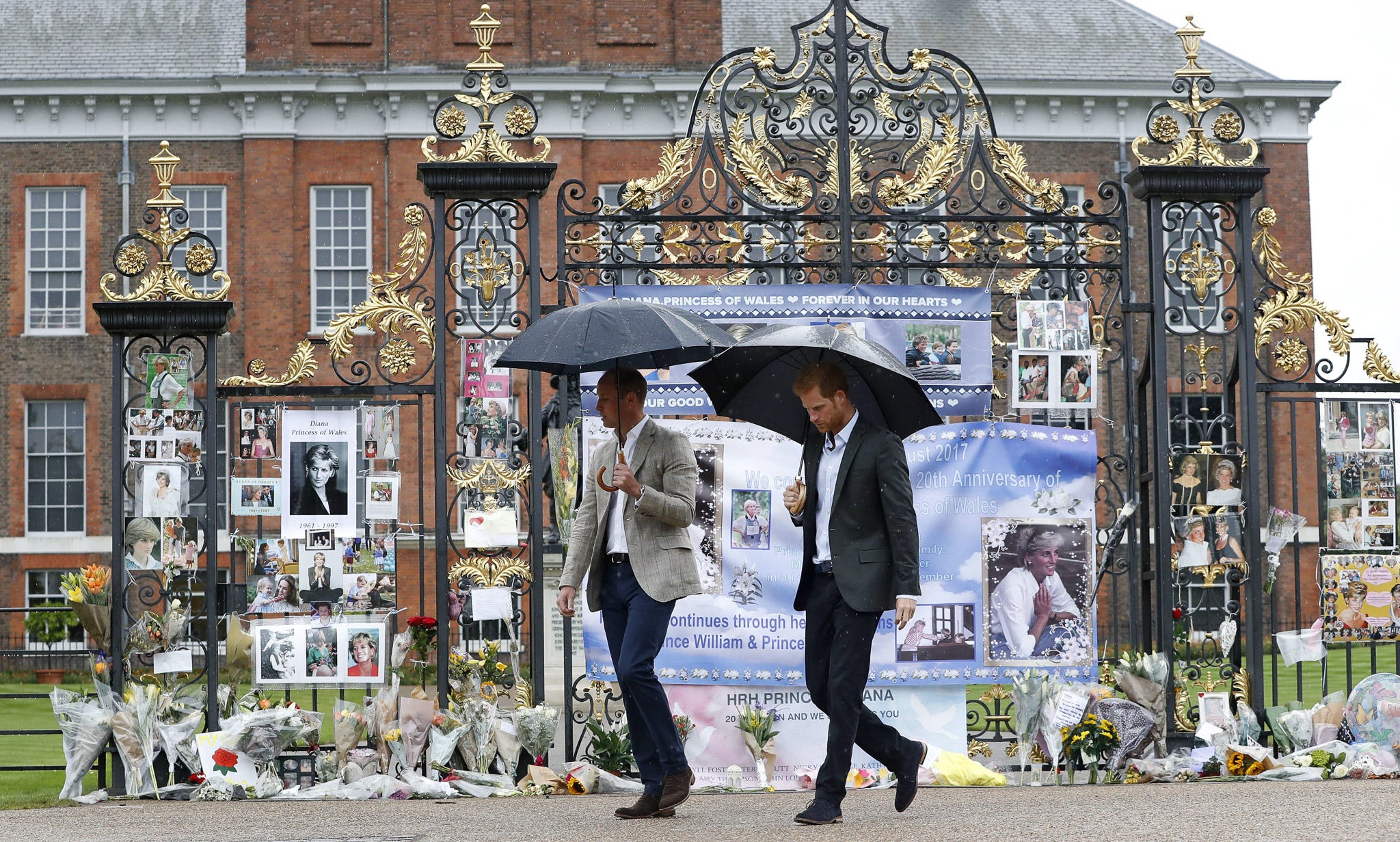
The idea of grieving in public keeps coming up in my mind. That was one of the first images when I was thinking, Can this actually be a book? And the idea of John F. Kennedy Jr.’s salute when he was three years old at his father’s funeral — that he doesn’t even remember — and Harry and William walking in the cortege of Princess Diana’s funeral procession. That was cemented in my mind.
And more recently, many photographs were taken of Caroline Kennedy leaving her daughter Tatiana Schlossberg’s funeral. And similarly, seeing, it’s not the same at all, but seeing Charlotte and George front and center in front of cameras at Queen Elizabeth’s funeral.
That is something that is expected from the parasocial relationship with these two families. And I cannot imagine what that experience is like because grief is so challenging. Having to do that in front of a camera, and having people judge the way in which you’re reacting? I can’t even imagine what that would be like.
I think it sets up another interesting psychological thing — again, that parasocial relationship. It certainly played out for Harry when he married Meghan. There was all of this: “OK, this is finally his happily ever after!” We have so many expectations on this relationship. And the same was absolutely true for John F. Kennedy Jr. and Carolyn Bessette. And I think it sets up these women to have a really difficult time.
There should be expectations put upon people in positions of power and privilege, I say that across the board – I think that’s true. But also, these are just people who are going through really challenging things.
I am of two minds about the Love Story show. It keeps the Kennedy family name in the public eye, which absolutely is advantageous to them in certain ways. But I also think, Gosh, you got to feel for someone who just lost their sister and then is watching their uncle die on television. I think two things absolutely can be true.
This is slightly smaller, but often people think of the US and the UK as being one, a monoculture because we share a language and because so much of our popular culture is the same. It’s two very different cultures, and I think people forget that. Maybe this book, because it’s two very extreme examples of that, might help illustrate that in a way.

My thanks to Caroline! You can find her work at Town & Country here and follow her on Instagram here. I highly recommend picking up a copy of The Kennedys and the Windsors at your local indie bookstore or wherever you get your books. It would make a great gift for all the royal enthusiasts (or Camelot fans) in your life.
PS: Remember to enter our giveaway. Like + comment for your chance to win. 👑
Comments
Nothing yet. Say the first thing.
Sign in to join the conversation.