
When I was 11, there was no Young Adult genre at the bookstore, so I skipped from reading Tuck Everlasting and The Wizard of Oz, straight into Interview with a Vampire and Michael Crichton.
My mother was aware that I was reading way above what was appropriate — I brought home Presumed Innocent at 13 and started reading a bit too much of Anne Rice’s pen-named back catalog — but she knew the truth about books. That a young reader’s imagination limited what they could understand. If they were not ready for certain material, they simply glazed past. And if they were ready, then it awakened things inside them or watered seeds that would soon come to bloom.
Then came Harry Potter and Twilight and a golden age of YA and children’s literature that lasted more than 20 years. For the first time at scale, teenagers had their own dedicated book world that spoke to their anxieties and made them the center of the universe. YA was so popular that adults started reading down to participate in the cultural zeitgeist: Divergent, Maze Runner, Hunger Games, The Fault in Our Stars… Teenage-driven books became the core of pop culture.
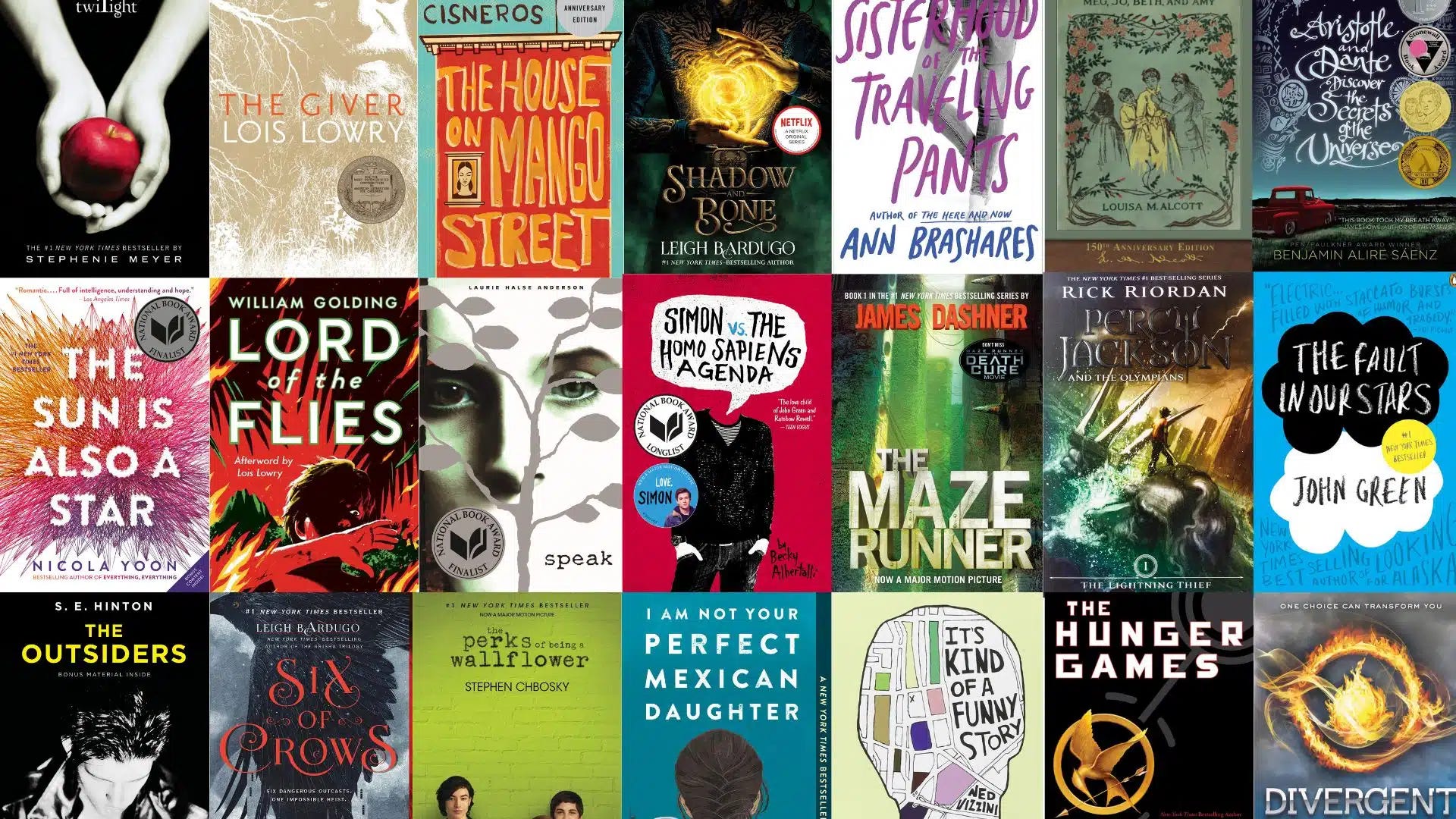
But since about five years ago, something changed in YA. For one thing, teenagers are less literate. COVID has stunted them. Screens have whittled attentions. Social media has given endless ways to passively consume versus actively imagine. Books are simply harder for young people to start, let alone finish.
Yet, something else happened that is less talked about.
The reason YA was so alluring is that it gave teenagers a safe place for authentic romantic fantasy. Not just in their imaginations, but in book clubs and fan fiction and message boards. The heroes and heroines of YA became “book boyfriends” and “book girlfriends” and a way for readers to self-insert into fictional realms and envision future partners. In the same way that the old fairy tales once served as survival guides to life, YA became a fantasy lab for romantic relationships.
TikTok dropped in on all that like a nuclear bomb.
In addictive short-form bursts, it presented real teenagers either as the subject or object of desire, with the viewer as the implied first-person protagonist. Who needed a 300+ page novel when you could ‘follow’ your crush, day after day, and literally skip to only the scenes that excited you?
Any wonder, then, that this particular generation has started to skip YA books altogether and move towards a new kind of book — the adult spicy romance, often a cobbled together pastiche of hardcore sex, with just the thinnest thread of plot between scenes? TikTok had made the slow-burn, PG-13 YA narrative seem painfully tame and immature compared to both what they were seeing on their screens and what the feed forced their desires to adapt to.
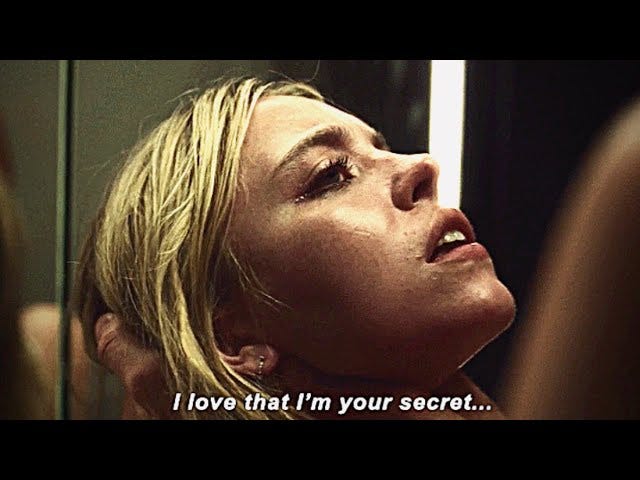
In a darkly ironic way, QAnon was right. There was a conspiracy to push young people into an adult sexual world. But it was a human-less one, driven by robot algorithms. No shadowy cabal needed — just machine‑learning engines optimizing for engagement. Suddenly, without any control, and without anyone realizing it, the protected walls of teenage romance had been blasted down. It’s why the TV show Euphoria hit such a nerve. It was an X-rated show about teenagers… for adults… that was watched religiously by teenagers. Because that is exactly how they felt in their own lives. Young, old, young at the same time.
Not that teenagers were having more sex in real life! Between the 1990s and the 2020s, there was a plummet in sexual activity amongst adolescents. By 2021, more than 70% of high schoolers said they’d never had sex, versus only 46% in 1991. In other words, the rampant adultification of the content they were seeing on their phones was instead dissuading teenagers from making similar moves into that adult world in real life.
It’s all very psychologically complex. But the end result is the golden age of commercial YA is over. As long as teenagers keep being adultified by their screens and algorithms, then teenage-only spaces will feel too young to them.
YOUNG WORLD’s been an interesting test case. The book is about the forced adultification of youth and the way this adultification at once motivates them and also deeply confuses them. It’s also created contradictions in the reactions to the novel. On the one hand, I’ve had some concerns from adults over the content, claiming it’s too mature for 14+ teenagers. On the other hand, I’ve had booksellers confide that the book will find its sweet spot in middle-grade, amongst 12-13 year olds. These booksellers encourage me to do school visits at as many junior highs as I can manage — because that’s where the book truly needs to be read.
So which is it, then? Is YOUNG WORLD an R-rated, 17+ illicit adult novel? Or is it a book that should have seventh graders clamoring?
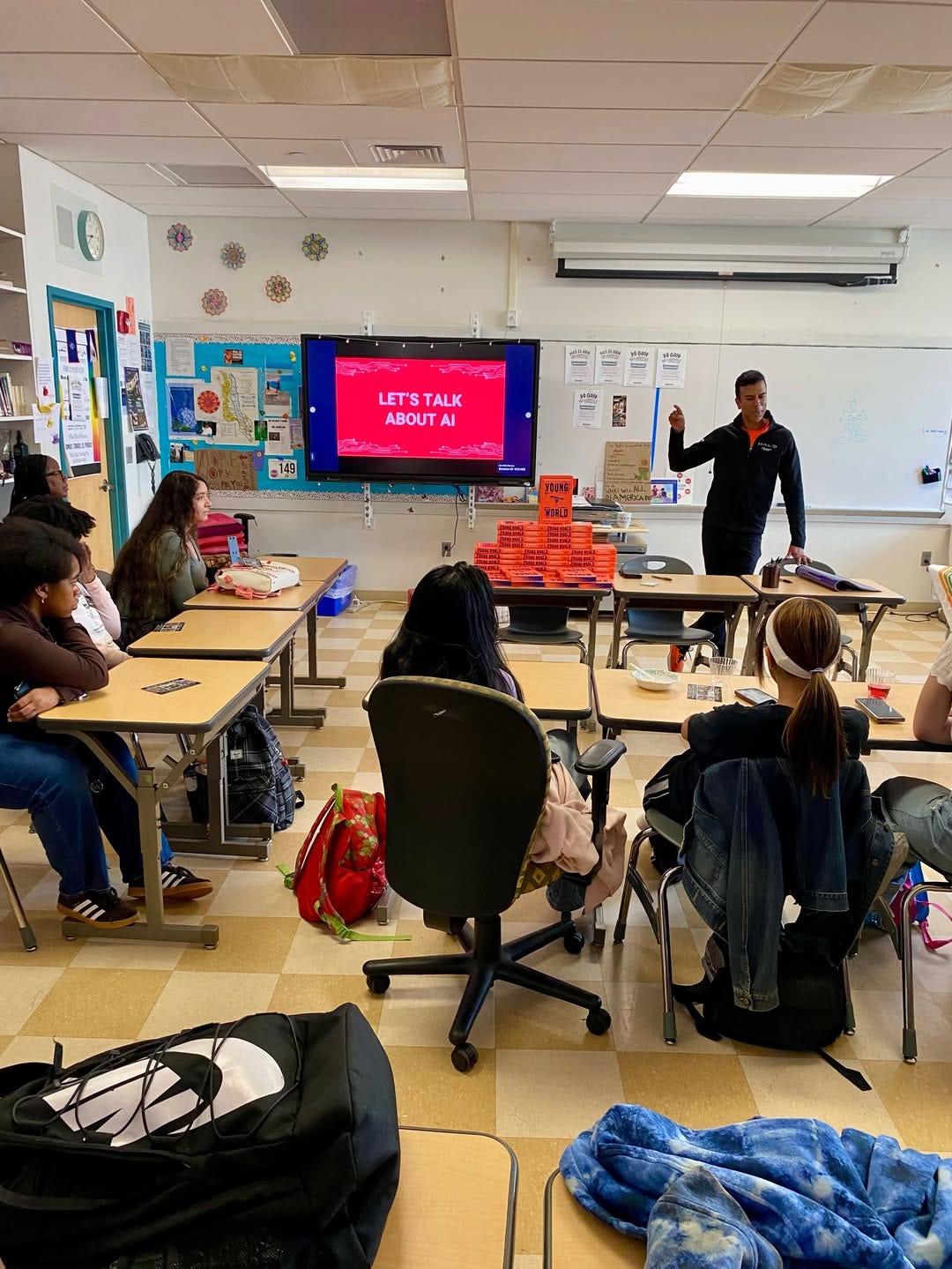
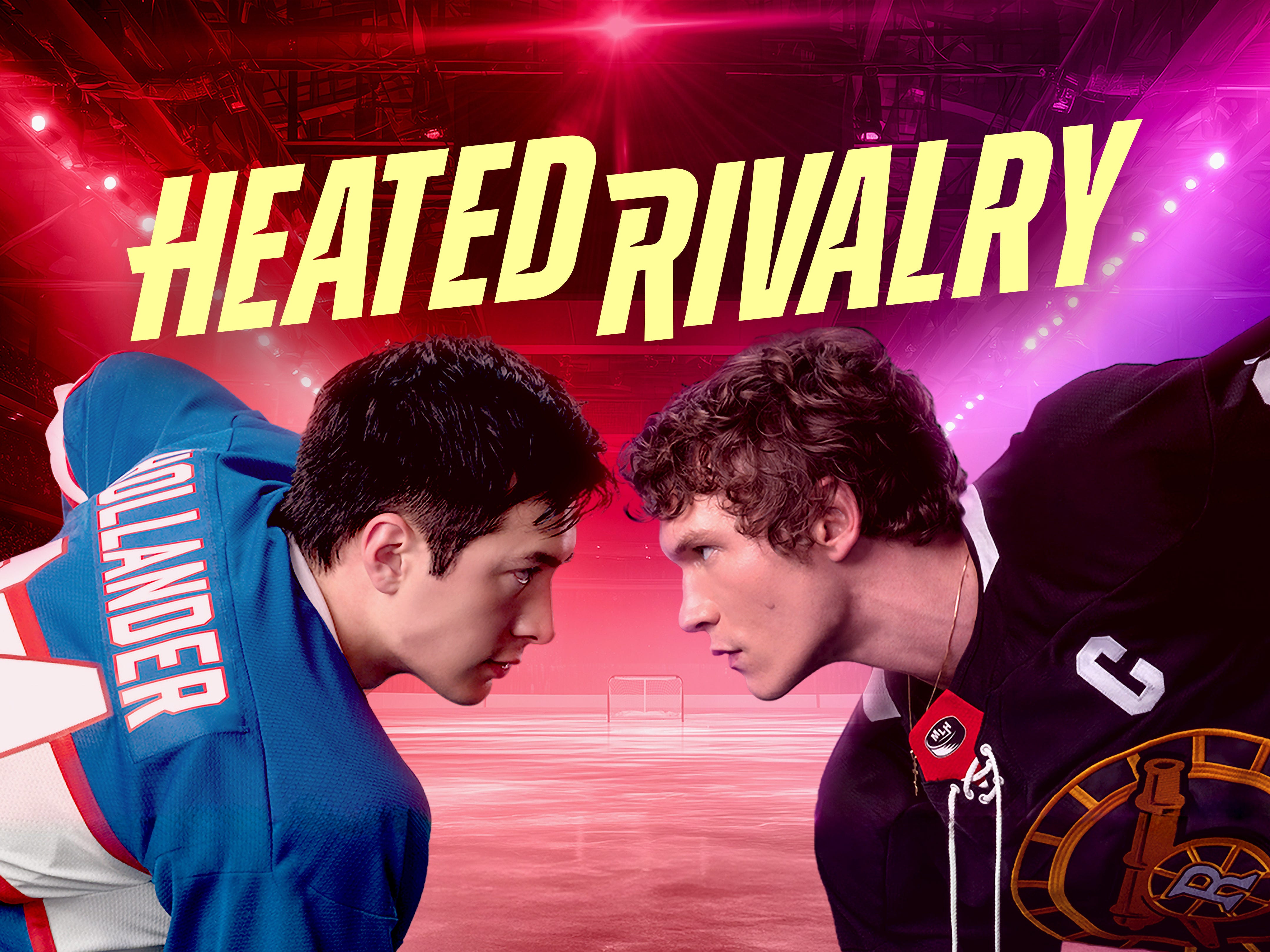
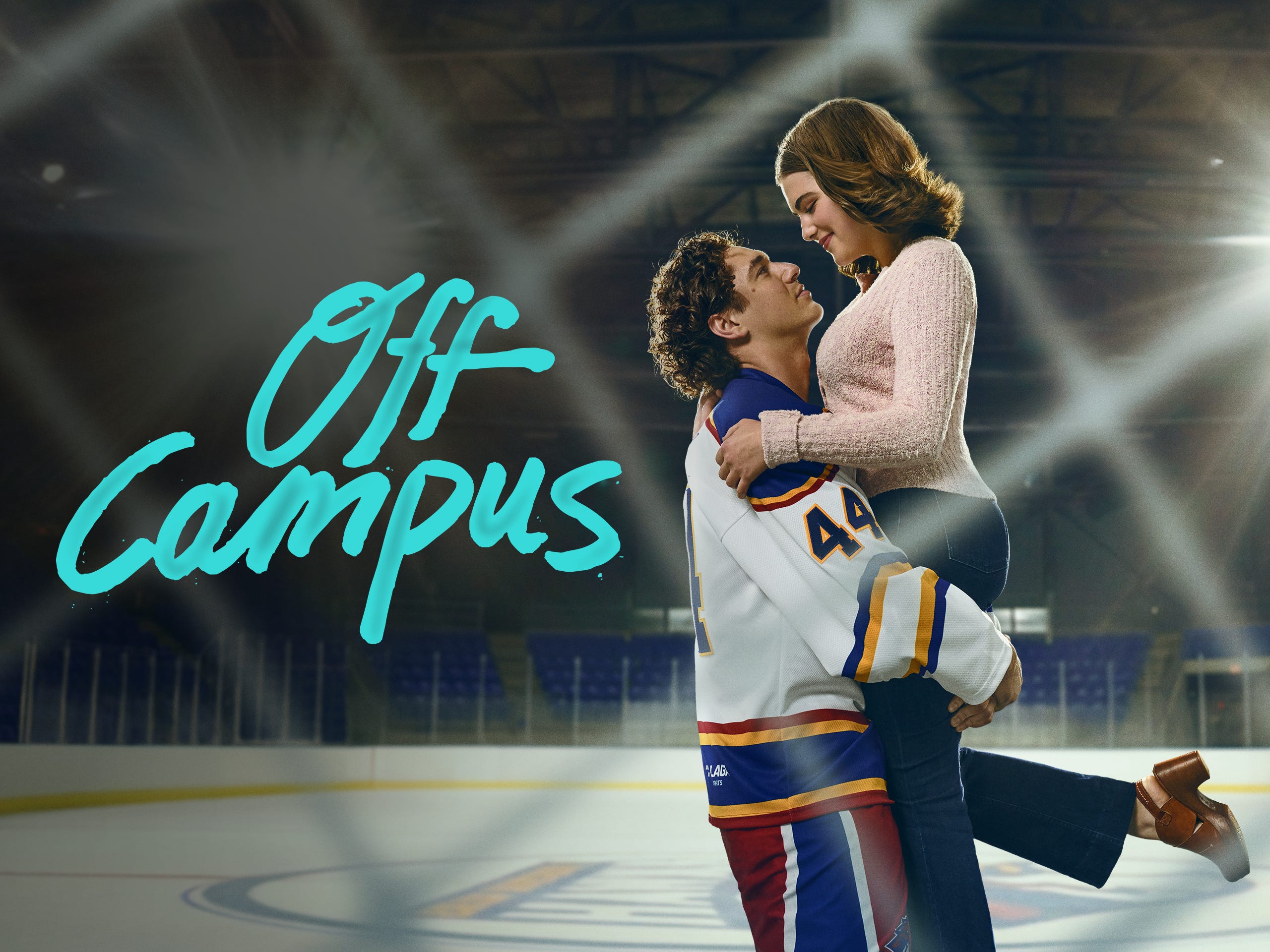
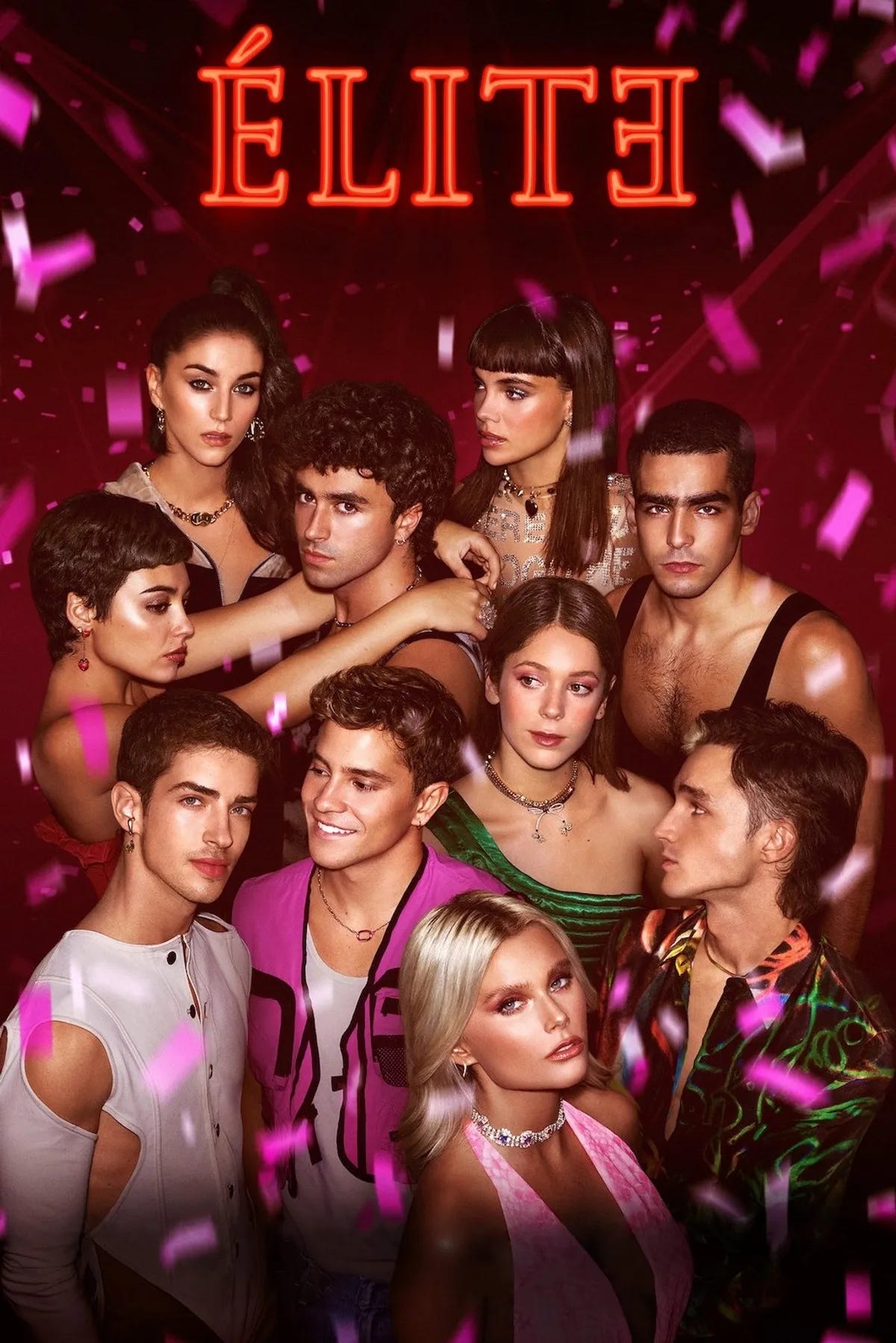
That is the question that isn’t just hanging over the book, but all of adolescent culture right now. Because I think we know deep down, the answer is likely the latter. Teenagers are the ones propping up Heated Rivalry and Off-Campus and Elite and other shows that are so sexually forward that I can’t imagine having been allowed to watch them at 13 or 14. But that’s where online culture and algorithmic pressure has driven them. Which is why middle-schoolers, seeing their older siblings reading and watching ‘up’, will want to do the same.
Something like YOUNG WORLD will get caught in the crossfire. But unlike a TV show, which is literal and explicit and can push a child past what they’re ready for, I still believe what my mother did about books — that they are the safest, sturdiest place for exploration. For the longest time, books succeeded as an essential ingredient in helping kids grow into empathetic, worldly adults… before algorithms usurped the right to teach them everything.
It’s why book banning is so tempting for those adults who feel like their kid’s world is out of control. Deep down, they know books aren’t the problem. No book is going to harm a kid the way TikTok or an inappropriately mature TV show can. But these crusaders need to do something to protect the kids from the adultified world and stamping a book’s name on a list is easy and makes them feel better about themselves.
In the end, though, as YOUNG WORLD puts forth, lasting protection and sanity isn’t going to come from the adults.
It’s going to come from youth stepping up and remaking the world into one they want to live in. To restore the one right that they all deserve and has been taken away from them: the right to be young.
Until next week,
No posts
Comments
Nothing yet. Say the first thing.
Sign in to join the conversation.