
Why are peaches, blueberries, cherries, and all the other great pie fruits of this world at their best when the weather is the least cooperative for making a pie crust? Because the universe runs on irony. It’s one of the rules, like how you get hurt right when your health insurance runs out, DOH inspects your restaurant the moment your walk-in breaks down, or every verse in that Alanis Morissette song.
My solutions: Chill the flour, bowl, and all your tools in the freezer. Make the dough at night, then form and bake in the morning. Or don’t make pie crust at all. That last option was almost unimaginable to me in the past—summer is for pie! (And all the heirloom tomatoes.) But I have a toddler now who quite literally drains me of every last drop of my patience. I’m not making too many pies in 90-degree heat (or padding emails with banter, starting Zoom calls with small talk, or following a skincare routine with more than 3 steps).
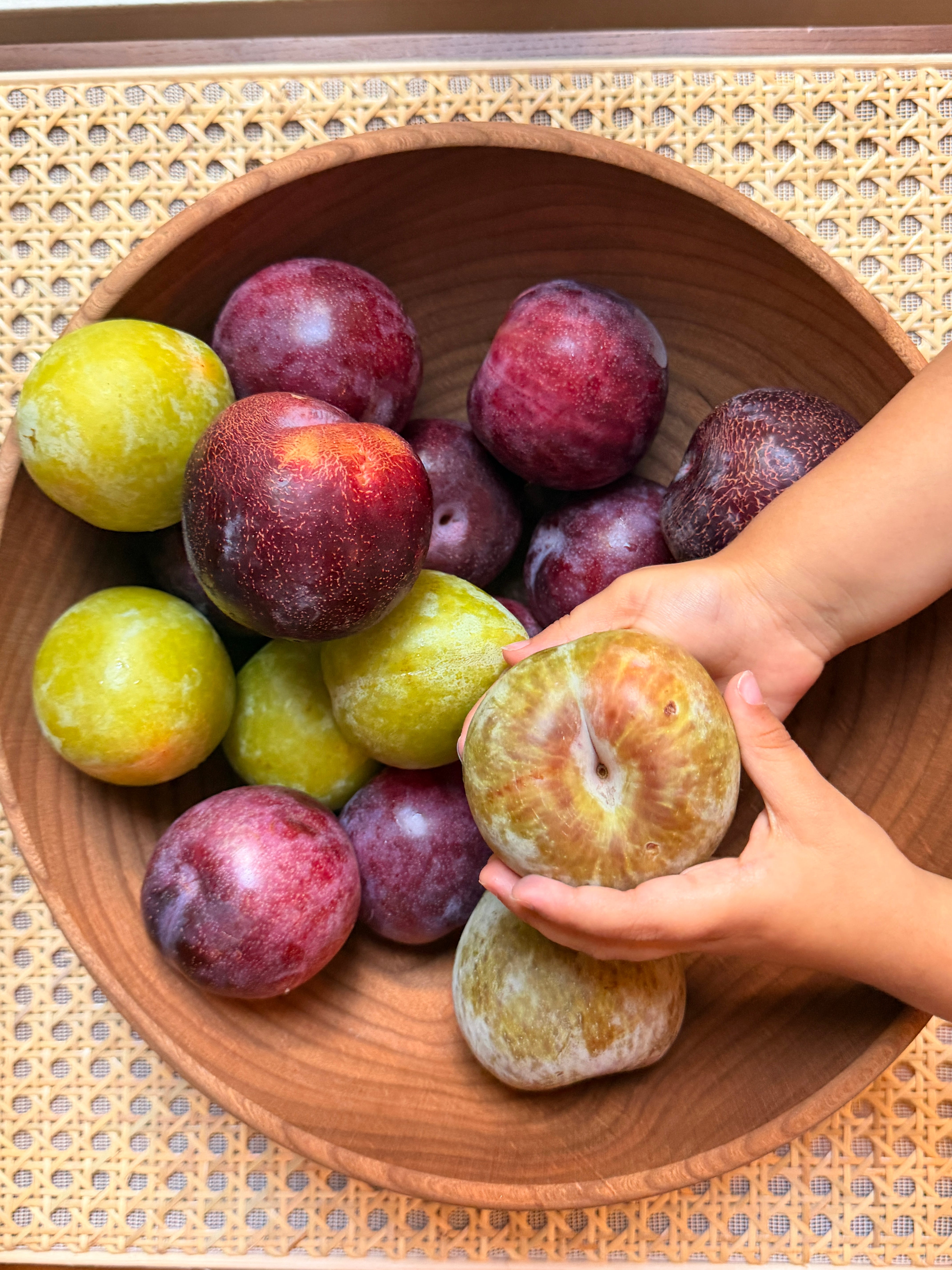
Luckily, peak fruit does all the heavy lifting. A perfect peach doesn’t need much more than a crumbly topping and a scoop of ice cream melting into its floral sweet juices. This is the season for crumbles, cobblers, galettes, granitas, and macerated fruit spooned over anything creamy and cold. The kind of desserts where the recipe is mostly just picking the fruit.
Best fruit in a Northeast summer
Right now we’re in the thick of the good stuff. June’s strawberries are gone (pour one out), but July through August is the main event. Melons, cherries, blueberries, and a whole stone fruit parade of apricots, peaches, nectarines, and plums. Blackberries and raspberries coming in strong, with figs signaling the end of summer. Besides cherries, all stone fruit (if allowed to fully mature on the tree) will continue to ripen after harvest, so don’t be alarmed by rock-hard specimens. And the best way to know if they’ll be sweet is by their aroma. Don’t be shy. I make a loop at the farmer’s market, sniffing everything at each stand before circling back to purchase.
Best fruit for dessert
Not all ripe fruit performs well with heat. Blueberries and sour cherries are born for baking. Their high ratio of skin to flesh means they’re full of pectin and readily thicken their own juices, making them classic pie fruit and quick to set into jam. Peaches and nectarines can be juicy to a fault, so they need a thickener or a dessert that welcomes the flood (famously great for cobblers for a reason). The texture of plums is almost fleshlike (complimentary) and grows jammy while staying intact once cooked (my favorite fruit for a galette). Strawberries and raspberries mostly melt in the oven, so I like to keep them fresh, simply macerated with sugar until they make their own syrup. Melon is dessert already. Add a scoop of vanilla ice cream to the cavity, drizzle with the best olive oil you have, and sprinkle with a crunchy salt. Few things better to eat in the summer.
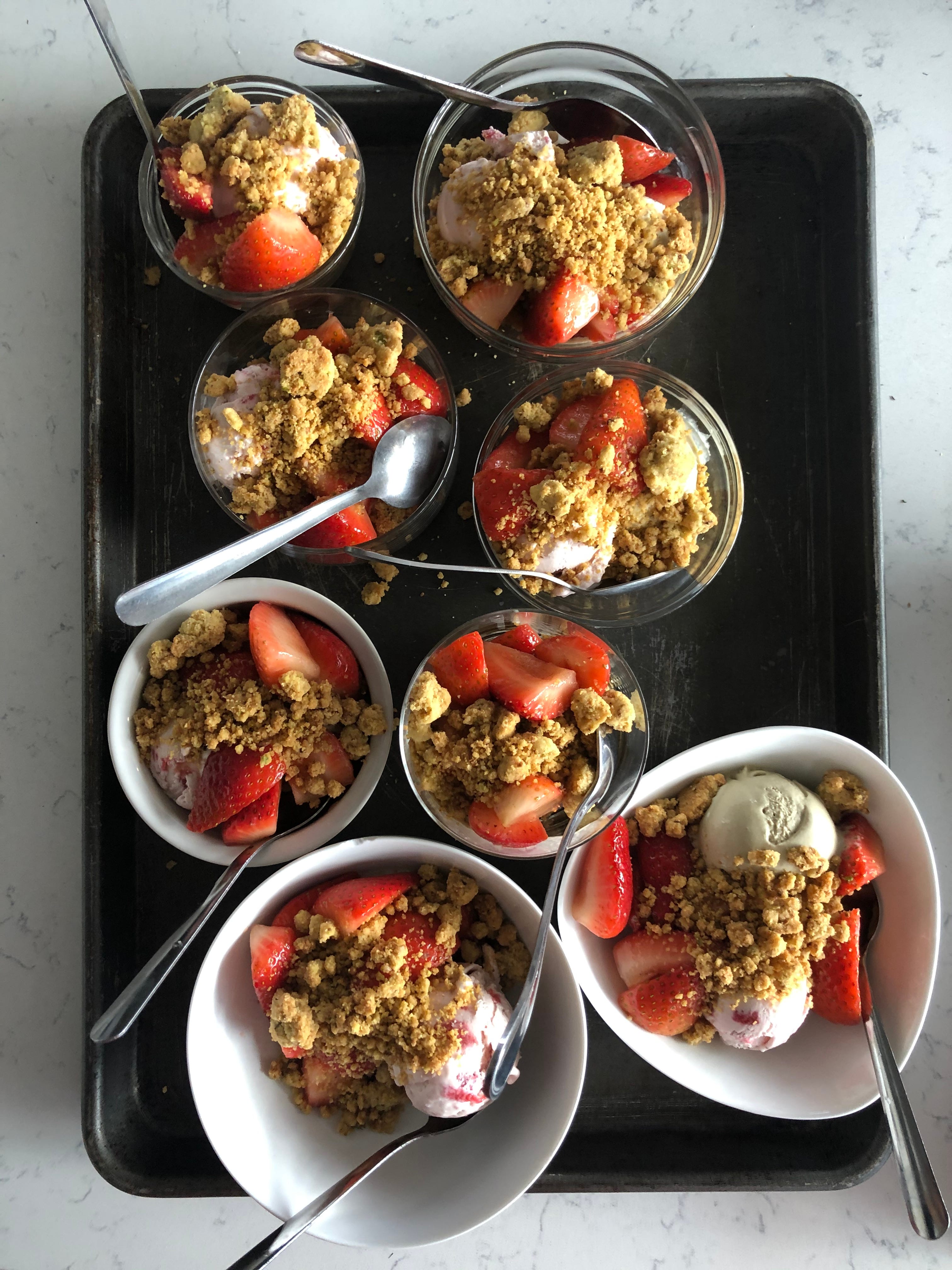
For fruit so ripe it’s about to collapse onto itself, and weather so hot I might also keel over, I make a kind-of crumble that requires no oven at all. Stir together ¾ cup flour, ⅓ cup brown sugar, ⅓ cup oats (or finely chopped nuts), ¼ teaspoon salt, and 5 tablespoons melted butter until it forms clumps. Skip the oven and microwave in a bowl, stirring every 30 seconds, until toasty. Then heap the warm crumble over ripe fruit and ice cream.
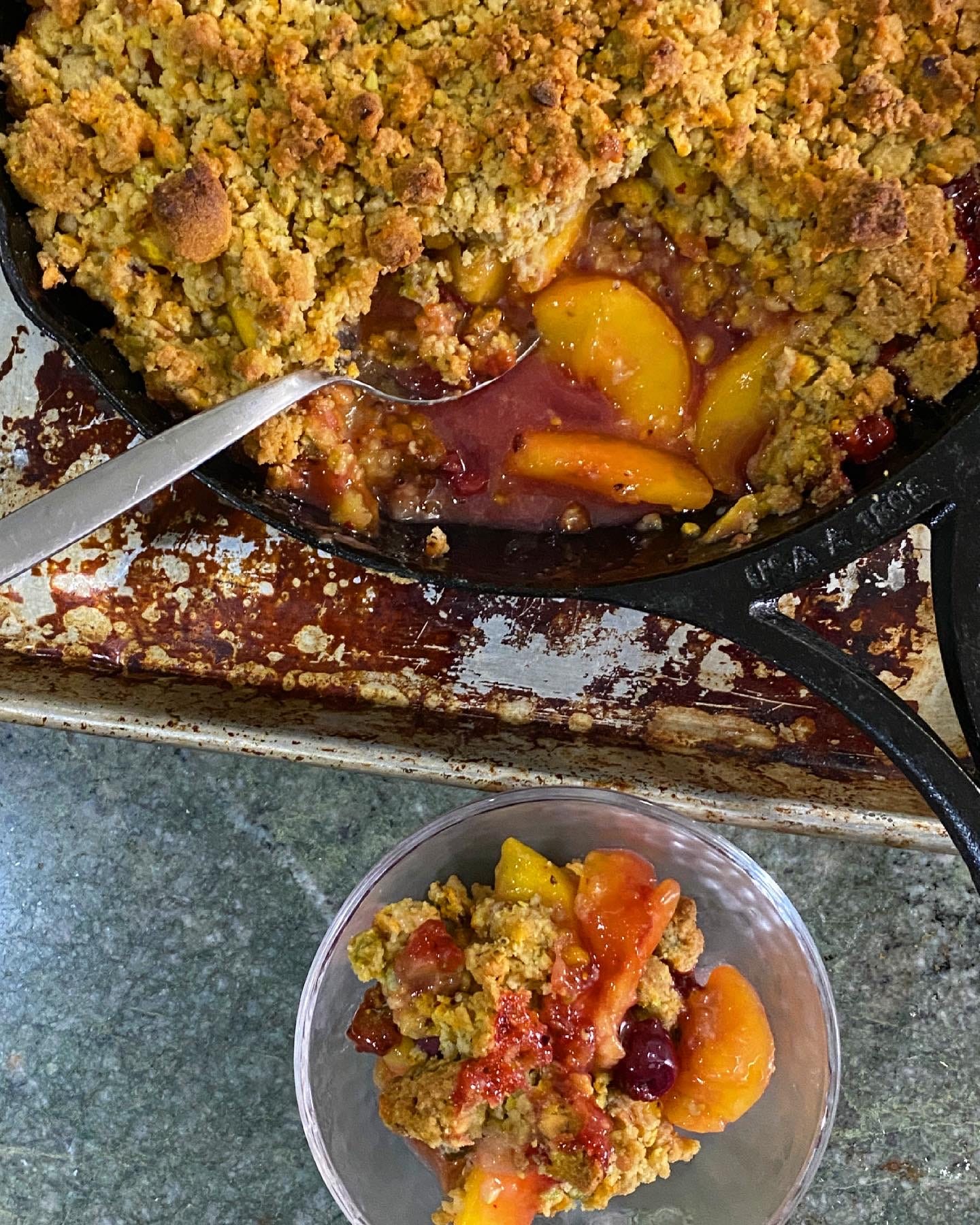
Pie needs to be sliceable, which requires a unique ratio of sugar and starch for each variety of fruit, but crumble is best a bit sloppy and loose, allowing for a forgiving recipe. I follow the same ratio regardless of fruit: 1kg (6 cups) fruit, 100 grams (½ cup) sugar, and 20 grams (2 tablespoons) starch. This will result in a lightly sweetened and barely thickened filling bubbling under a buttery crumble top. Mix it all up in a casserole dish or large skillet with optional additions like lemon juice, cinnamon, or vanilla. Double the crumble recipe above, pile on top, and bake at 375F until bubbly, about 45 minutes. Or try one of these variations:
Nectarine & Pistachio Crumble
Blueberry Cocoa Crumble
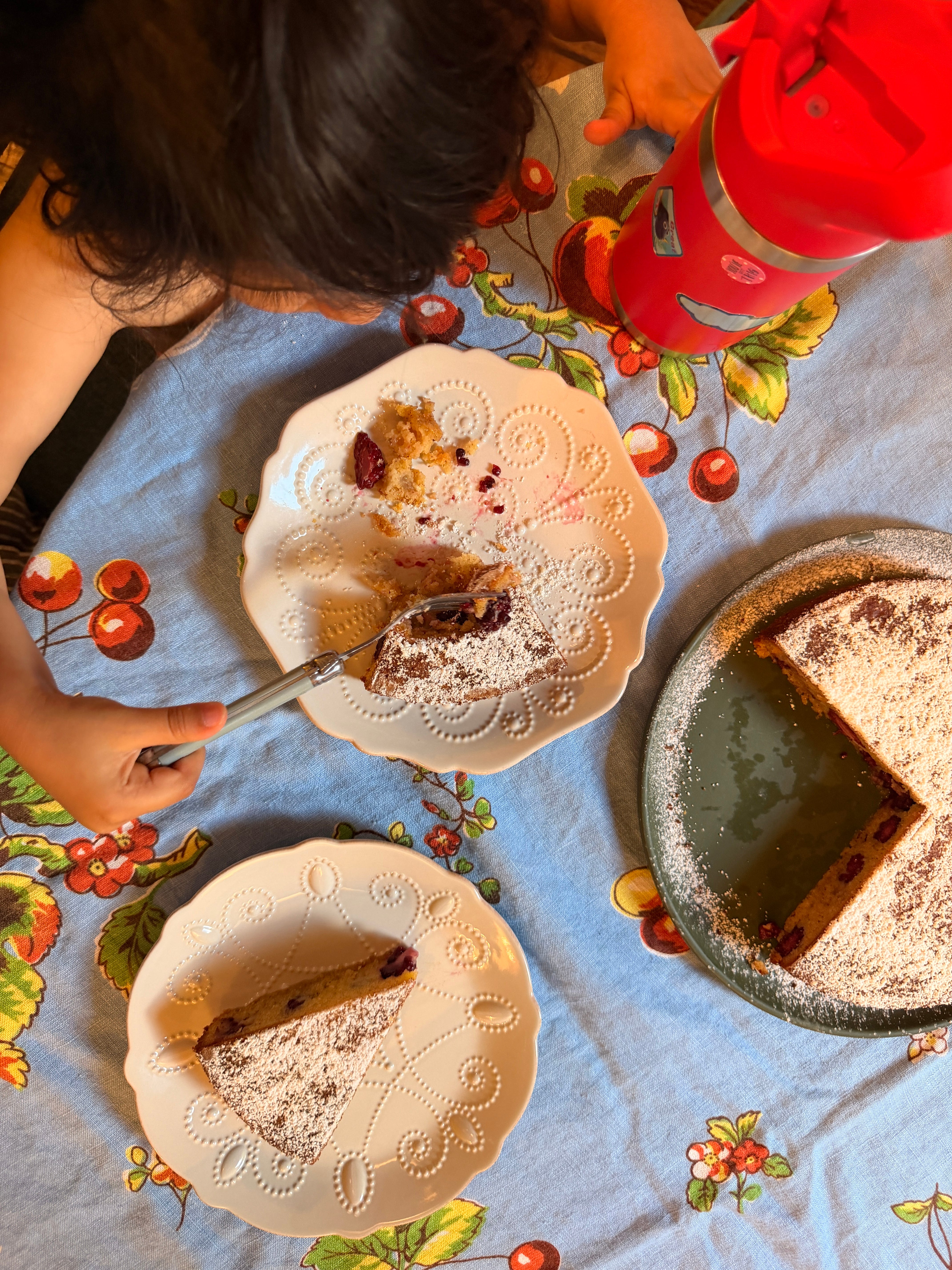
This cake is a lazy person’s financier, the fudgy French almond cake that’s traditionally made with egg whites and clarified butter in a batter that needs to rest overnight. Although I love the cake in its original form, this one is equally delicious, still dense with a crackly exterior, but with none of the fuss. The hardest part is browning butter. Almond and cherry is classic, but this batter bakes well with virtually any fruit. Try it with halved figs or plums arranged on top, stir plump blackberries into the mix, or pour it into a tin lined with butter, brown sugar, and pineapple for a new take on the classic upside-down cake.
Brown Butter Cake with Any Fruit
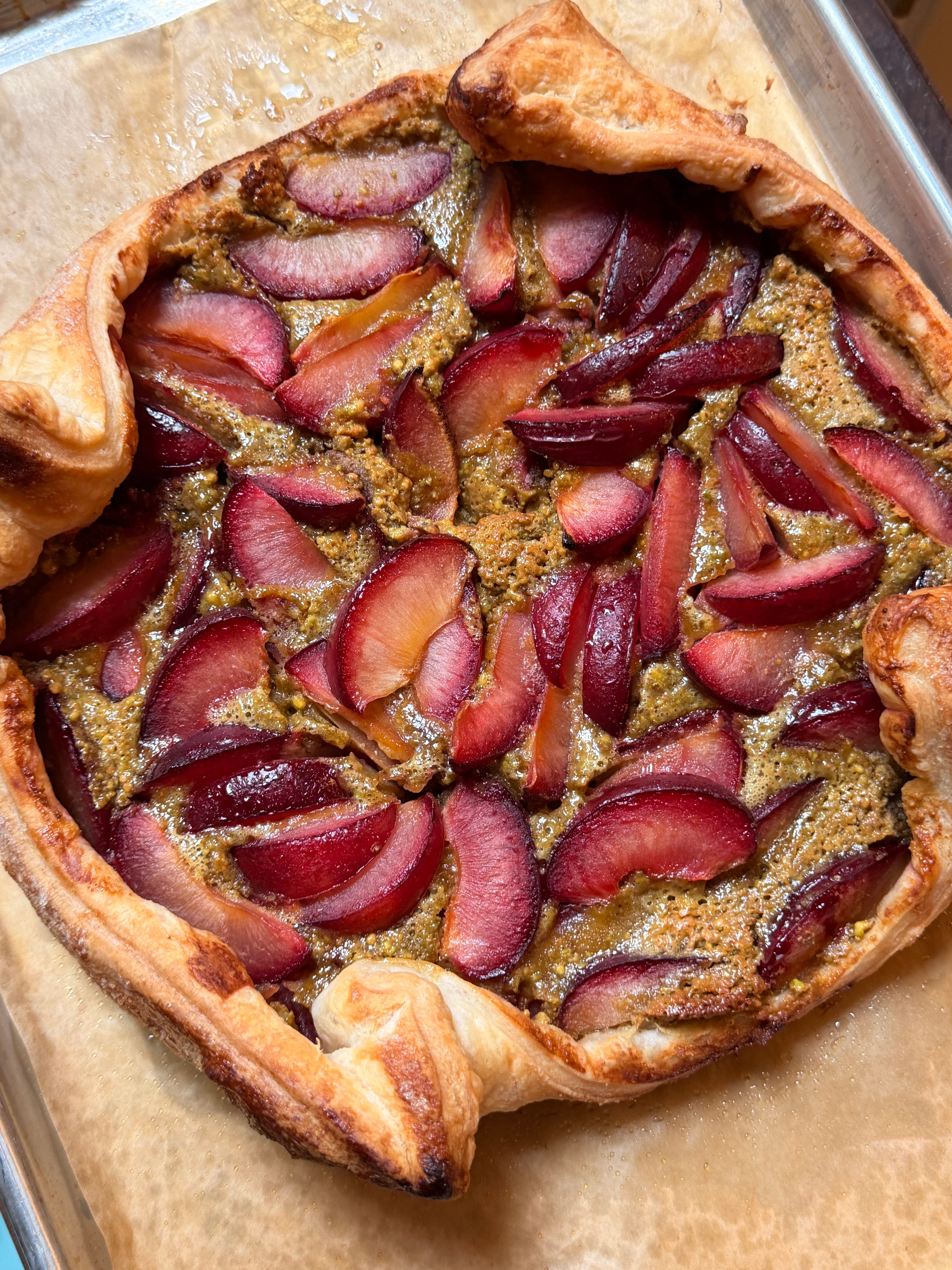
You can riff on this in every way: Start with frozen puff or toil away and make the crust from scratch (because it’s fun to toil sometimes). Top it with any fruit; the frangipane below will soak up the excess juices and keep the crust crisp. Frangipane is traditionally made with almond flour, but here I encourage you to swap it for any finely ground nut (Blitz any nuts or seeds into a flour in a spice grinder). Precision doesn’t matter here, so anything goes. Play around with various combinations, like black sesame and cherry, pistachio and peach, or pecan and blackberry.
I love galettes because the more impersise you are building it, the more beautiful. Don’t stress about the shape of the dough after rolling it, those imperfect folds will elegantly curl once baked. The center may puff in the oven, like the big bubbles on a neopolitan pie, but they will soon deflate.
Keep scrolling for the recipe!
A little housekeeping
A reminder from last week—paid subscriptions are back! ICYMI: I hit pause after my kid was born, partly because keeping a small human alive used up all available brainpower, and partly because my brain kept whispering fun things like “who would pay for this?” I’ve since decided that two decades of professional food overthinking is, in fact, worth something.
Most of this newsletter stays free. Don’t think of a paid subscription as a paywall. It’s more like a tip jar with benefits, like subscriber-only issues, plus first crack at merch and events.
Upgrade or don’t, either way, you’re here, and that’s the part I care about. Thank you!
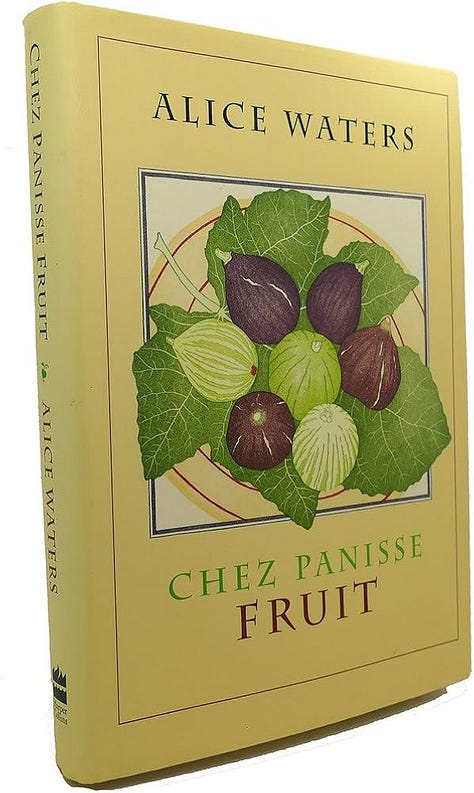
Chez Panisse Fruit by Alice Waters The bible of leaving perfect fruit alone. It’s organized by fruit, not recipe, so when you come home with too many apricots, Alice will tell you what to do (usually shockingly little).
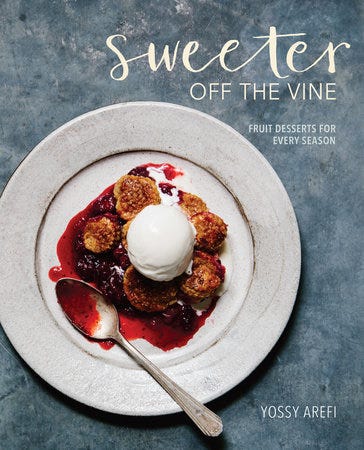
Sweeter off the Vine by Yossy Arefi Fruit desserts arranged by season and photographed beautifully. Fruit is treated like the main character instead of a mix-in, and the best part, everything is doable on a weeknight.
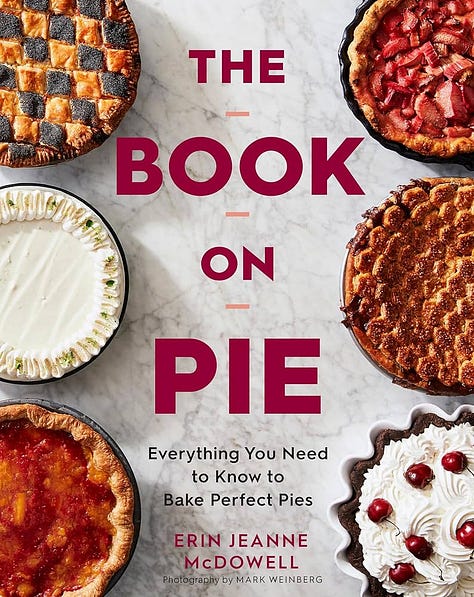
The Book on Pie by Erin Jeanne McDowell Okay yes, this whole newsletter is about not making pie. But when you’re ready, you want Erin in your corner. Every crust, every filling ratio, and every “why is my bottom soggy” question answered before you ask.
3/4 cup (100 grams) almond flour (or any nut/seed, finely ground)
1/2 cup (100 grams) brown or granulated sugar, plus more
½ stick (56 grams) butter, melted
2 tablespoons (18 grams) all-purpose flour, plus more for dusting
1 teaspoon vanilla extract
½ teaspoon kosher salt
Optional additions: 1 tablespoon dark rum and/or ½ teaspoon almond extract
1 large egg
1 sheet puff pastry, thawed (or make the pastry, recipe below)
1 ½ pounds fruit
To serve: Whipped cream, Crème fraîche, or ice cream
Heat the oven to 375F. In a medium bowl, stir together the almond flour, sugar, butter, flour, extract, salt (and any optional additions) until evenly combined. Add the egg and mix until combined.
Unfold the puff onto a sheet of parchment paper, lightly dust with flour, and roll out until ⅛-inch thick. (It’ll be wonky; don't worry about it.) Slide the whole thing (puff and parchment) onto a sheet pan. (It’s okay if it hangs over the sheet tray; those edges will be folded over.)
Evenly spread the butter/almond flour paste onto the puff, forming a circle, leaving a 1 - to 2-inch border all around. Top with fruit. (Cut the fruit as needed to arrange in a flat-ish layer: Pile on whole blueberries or blackberries, halved strawberries or small plums, sliced peaches or nectarines, etc.) Fold the edges up and over the filling, pinching closed any cracks along the edges to keep the fruit juices from flowing out. (Brush the edges with butter or egg wash if you want to be extra.)
Sprinkle lightly with sugar (use turbinado if you have it) and bake until the crust is deep golden brown and the nut filling feels set, about 50 minutes. Serve warm or room temperature with whipped cream, Crème fraîche, or ice cream.
Best eaten the same day; store leftovers at room temperature for 1 day or in the fridge for 3 days.
1 ½ cups (188 grams) all-purpose flour
1 tablespoon sugar
½ teaspoon kosher salt
1 ½ sticks (170 grams) cold butter, cut into ½-inch cubes
⅓ cup cold water
NOTE: If at any point (while tossing the flour with butter, mixing the dough, folding the dough, rolling the dough) the butter is feeling soft, stop and pop everything into the fridge to chill. If it’s very warm in your kitchen, freeze the bowl, flour, and all tools before beginning, but not the butter. Fridge-cold butter is what this method needs.
In a large bowl, whisk together flour, sugar, and salt. Add butter and toss to coat. Using your hands and working quickly, rub and smash butter into flat irregular pieces. Drizzle water over and mix with a rubber spatula, smashing in butter, until dough mostly comes together—it will be dry and shaggy.
Dump the dough onto a lightly floured surface. Press together to form a mass. (Work quickly; use a rolling pin and bench scraper. It will seem like a dry mess at first, but will come together as you fold and roll. Believe.)
Roll the dough into a rough square about ½” thick. Fold it in half into a rectangle, then once again to make a small square. Press down on the dough with a rolling pin to make it hold together. Roll dough out once more to make a rough square about ½” thick. Repeat the folding process again.
After the second fold, examine:
Is most of the butter incorporated with a few butter patches left? You’re done.
Still big pats of butter in the dough? Give it one more fold.
If the dough is very soft at this point, wrap well and chill before refrigerating. (Dough will keep 3 days in the fridge and 3 months, double wrapped, in the freezer.)
Dust the surface generously with flour and roll the dough into a rough circle ⅛-inch thick. Brush off any excess flour with a pastry brush. Fold dough in half, then in half again to make a rough triangle (this just makes it easier to move). Transfer to a parchment-lined baking sheet and unfold (it’s okay if the dough is a bit larger than the baking sheet). Chill while you make the filling.
Comments
Nothing yet. Say the first thing.
Sign in to join the conversation.