
My mom never used a recipe in her life. She’d taste something at an auntie’s house and, after repeatedly being denied the “secret” recipe, would reconstruct it at home from memory. She’d always make sure said aunty had a taste at the next house party. I grew up eating her cooking, which was deeply spiced, completely intuitive, and tinged with a touch of spite (like mother, like daughter). Then, I somehow concluded that the correct career move was to study economics at UC Irvine (for my parents) while picking up line-cook shifts at an Irish pub on Ventura Boulevard (for myself).
That pub was the first place that let me actually cook. Before then, whenever I stepped into a restaurant, I’d be immediately placed behind the host stand or sent to the salad station. But here I microwaved nachos and deep-fried mozzarella sticks, and deep-fried onion rings, and deep-fried bangers, and even deep-fried steaks. I was cooking—technically.
What I wasn’t doing was learning anything. Real cooking knowledge, the kind that lets you taste someone’s sacred family recipe and reverse engineer it in an afternoon, only came way later. After culinary school, after years in Michelin-starred kitchens, and finally, when I started developing recipes for home cooks, where I had the luxury of slowing down and actually thinking about why things work the way they do.
That’s what my mom has, and what took me twenty years to develop: intuition. Not the mysterious kind you’re either born with or not, but the earned kind. The kind that comes from understanding technique deeply enough that you stop needing recipes as a crutch and start using them as a jumping-off point. The kind where you can walk into a kitchen with whatever’s in the fridge and figure it out.
The good news is you can build it faster than I did. You just need to practice the right things first.
If learning more about the whys of cooking sounds like a good time to you, check out my behemoth of a cookbook, START HERE (see what I did there?). It’s literally got all the info, savory and pastry, over 6 pounds of book’s worth.
Here’s how I think about the foundation of cooking, and the order in which the skills actually build on each other:
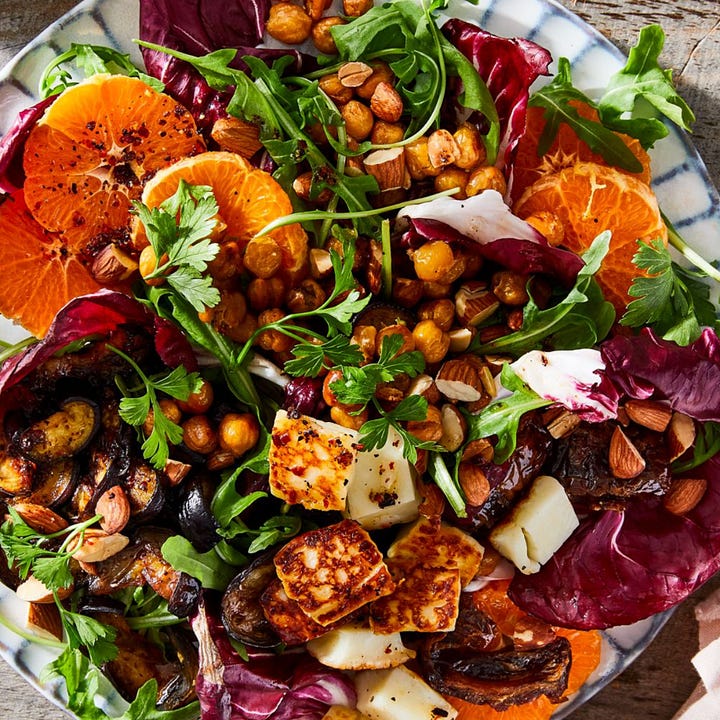
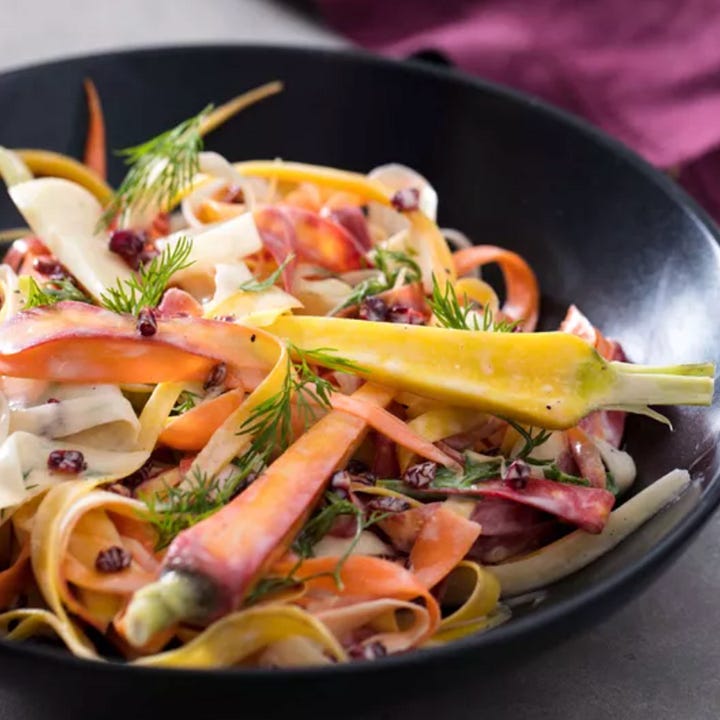
Salads sound boring, but that’s cause people aren’t making them with the respect they deserve. Through salads, you learn how an ingredient can change simply by how you prep it. Ribbons of carrots shaved on a peeler are light and fresh, while julienned, they are extra crisp. (Get those carrot coins out of here.) Because nothing is cooked, you have time to season, taste, and re-season, getting a deeper understanding of how salt, acid, sugar, fat, and spices affect flavors. When you’re cooking with heat, things move much faster, and there’s a lot going on. With a cold salad, you can take your time and get everything just right.
→ Start here: Carrot Salad with Yogurt, Ghee, and Barberry, My Big Fat Halloumi Salad
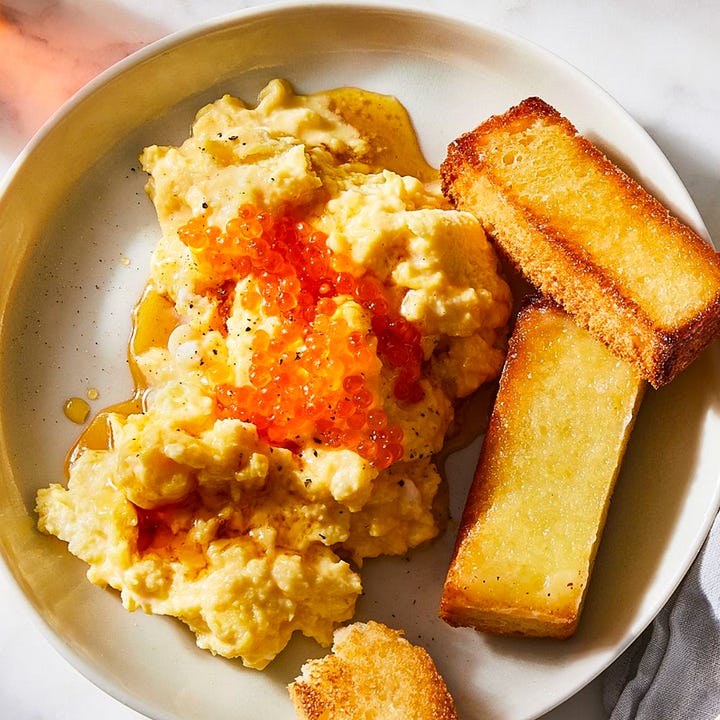
Eggs are unforgiving in the most instructive way. They’ll show you the exact moment you lost control of your heat. Scrambled eggs that turn rubbery, a fried egg with a broken yolk, an overcooked soft-boil: these are all heat failures, and learning to fix them teaches you something that applies to everything else you’ll ever cook.
→ Start here: Weekend Scrambled Eggs, Spanish Tortilla
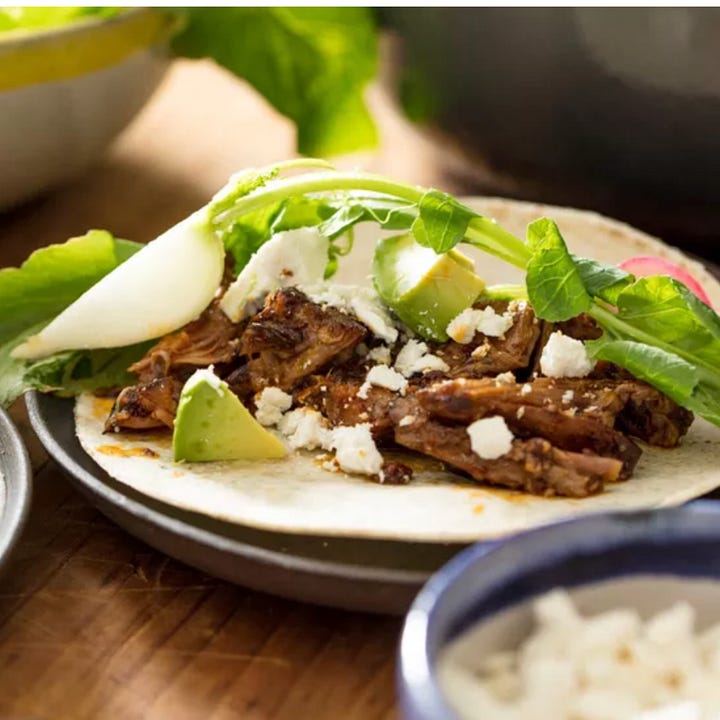
Indirect heat is forgiving, which makes it a great place to practice building flavor over time. Braising especially teaches you to layer both flavors and techniques: the sear, the sweat, the deglaze, and the long simmer. You start to understand what “developing flavor” actually means because you can taste it at every stage.
→ Start here: Cashew Milk Braised Cabbage with Crunchy Chile Oil, Braised Lamb Shoulder with Chilies and Dates
This is where you learn what a hot pan actually means, what proper contact sounds like, and why patience before you flip something is one of the most important skills in the kitchen. The fond you build and the crust you develop are all about flavor, and they don’t happen if you rush it or crowd the pan.
→ Start here: Pan Seared Flank Steak with Peaches and Dandelion Greens, Crispy Chicken with Crunchy Salad
None of the above matters much if your equipment is working against you. I’m not talking about a fully loaded professional kitchen. I’m talking about tools that give you real feedback and don’t make the job harder than it needs to be. The single thing that changed how I cooked more than anything else was my first good knife. When I picked up that Misono UX10 and brunoised an onion with it (you know, that precise ⅛ inch by ⅛ inch by ⅛ inch dice), the clouds parted and the sun finally shone down on me. It just worked. That’s what good tools do. They get out of the way and let the skills skill.
These are the tools that will carry most of your cooking
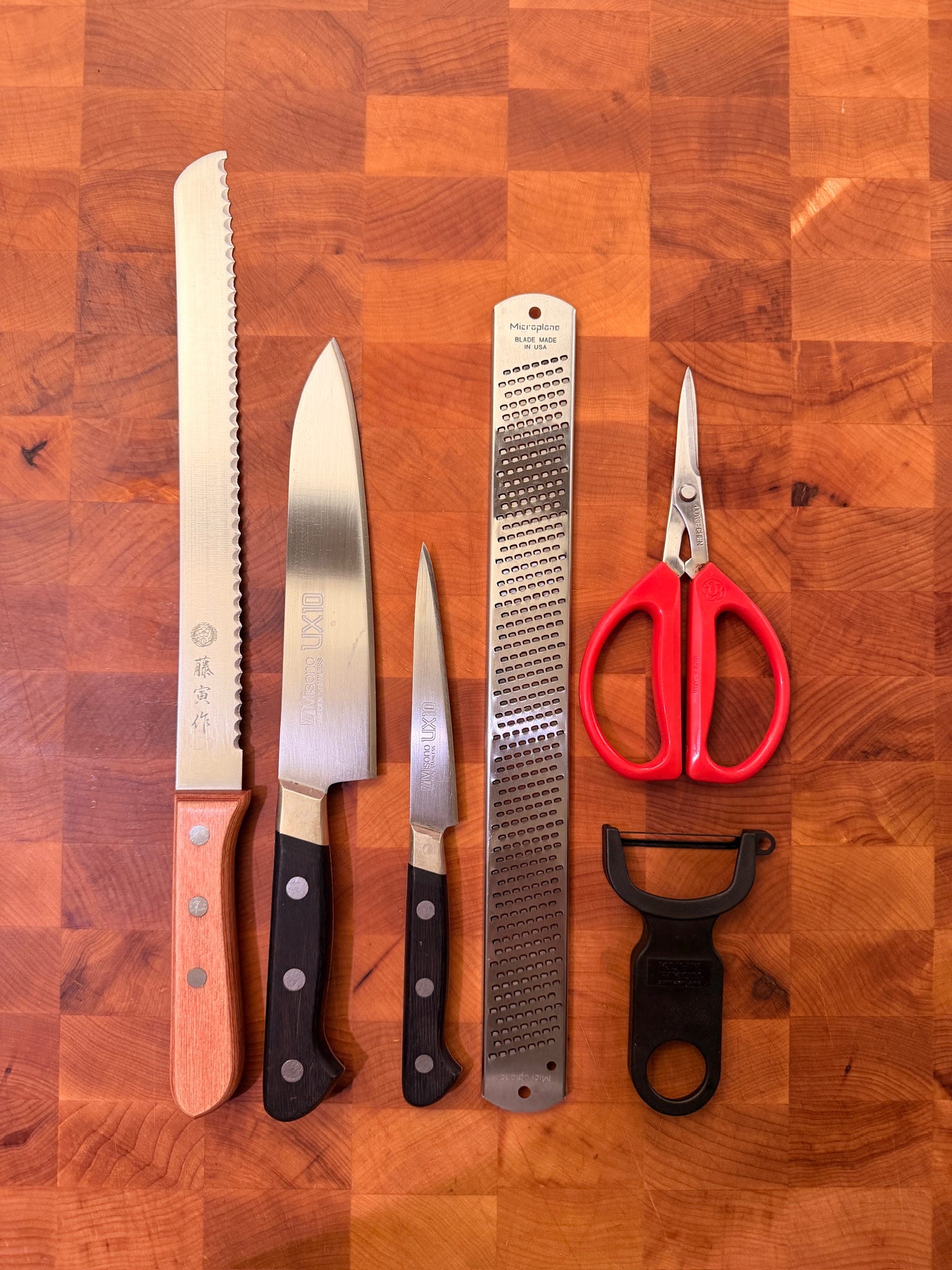
You only need three knives. Anything more is just for funsies, and don’t get me wrong, I’ve got lots of fun time knives, but you should start here. A basic Chef’s Knife (learn to sharpen it well before you even think about upgrading) plus a Paring and Serrated knife.
Rubber Spatula The most useful $30 you will ever spend in a kitchen, full stop.
Fish Spatula Thin and flexible yet sturdy enough to firmly press down proteins for even browning. The slots make it easy to drain off fat, and the angled head allows for precise flipping, no flopping.
Mini Offset Spatula Frosting, plating, flipping teeny tiny things, getting things off sheet pans without destroying them.
Y Peeler This is the good one
Kitchen Shears Herbs, spatchcocking, cutting up ingredients when your too lazy to dirty a bowl.
Microplane Grater Zest, hard cheese, garlic, ginger, nutmeg; this thing earns its drawer space every single day. But remember, they cannot be sharpened and must be replaced once dull!
The Spoon This is the “it” spoon in the culinary industry. Get one and before you know it you’ll have 20 and never leave home without one.
Tweezer Tongs Does everything tongs can do, but with better precision
Big Pot Pasta, stock, blanching, boiling; get one that’s actually big.
Large Skillet The pan you’ll use every day; buy the best one you can afford at this stage.
Big Ass Cutting Board Bigger than you think you need, because you always need more space than you think.
You’ve got the basics down. These are the tools that open up new techniques and make everything you’re already cooking noticeably better.
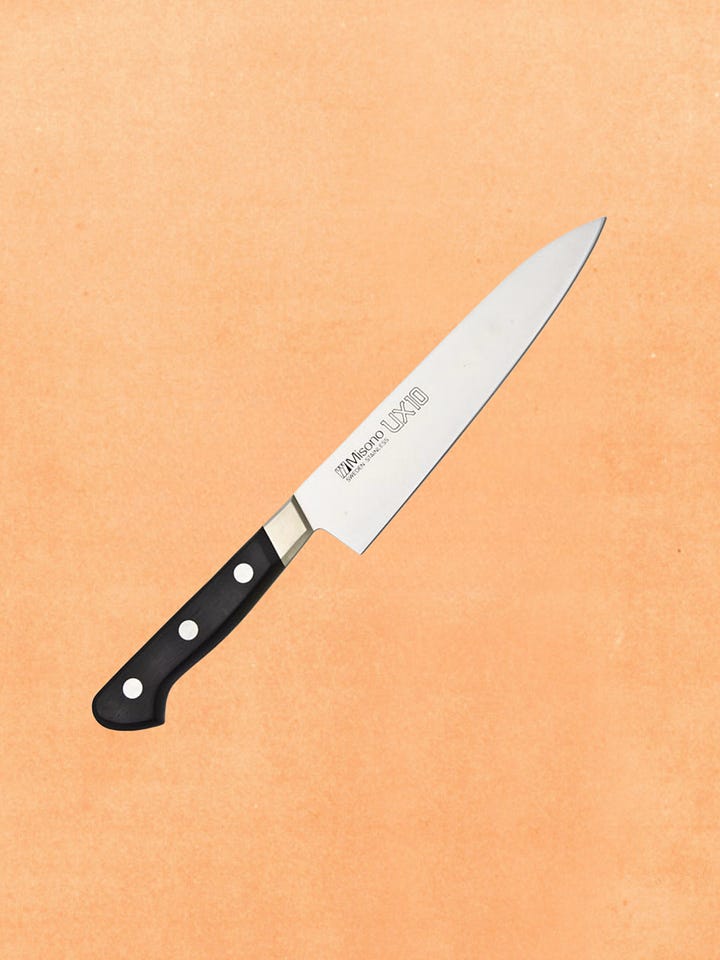
A Fancy Pants Knife will make your dreams come true, but don’t commit until you learn how to sharpen it. It doesn’t matter how expensive a knife it is, they all eventually get dull, and you’ve got to be able to sharpen them back to life.
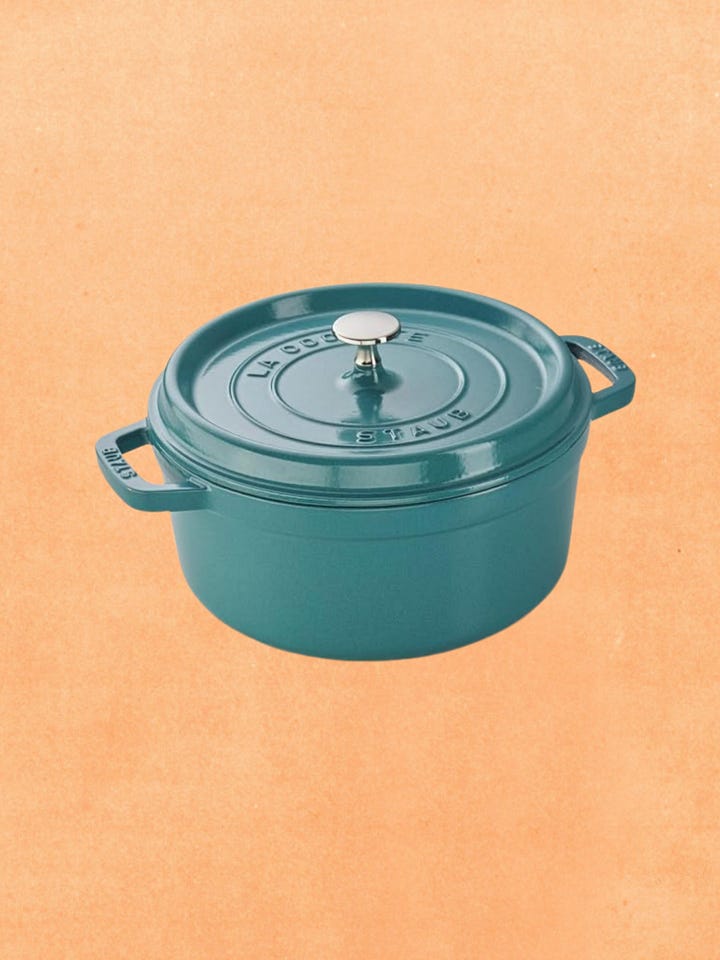
Dutch Oven Braises, soups, bread; one pot that does the work of several and lasts basically forever.
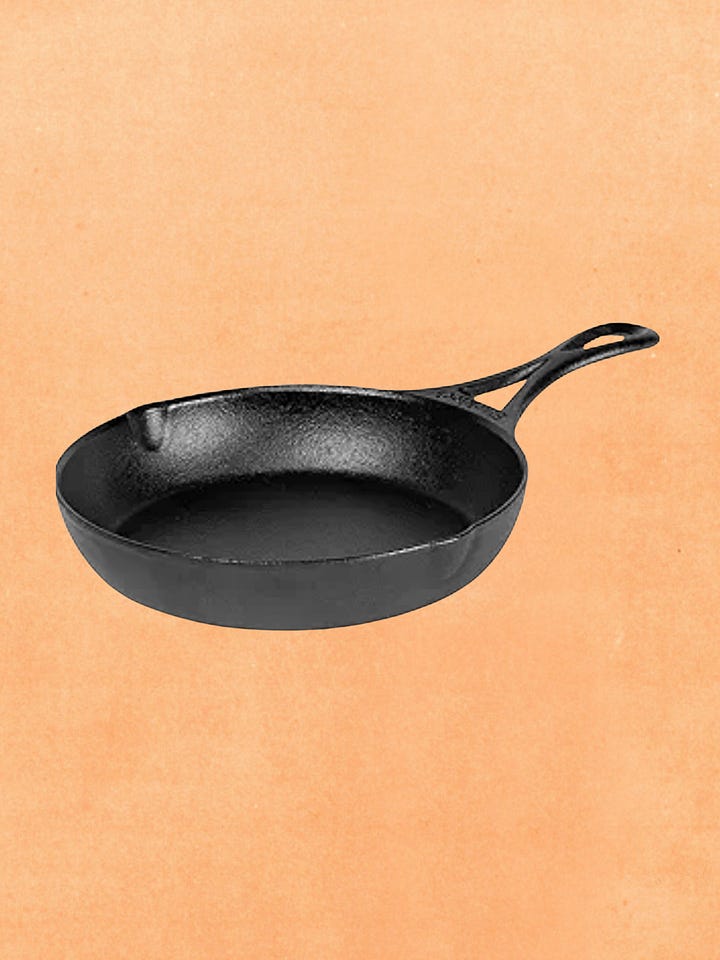
Cast Iron or Carbon Steel Skillet They retain heat better than stainless, allowing you to get restaurant-quality sears with home kitchen burners.
Vita-Prep The blender professional kitchens use for silky-smooth everything.
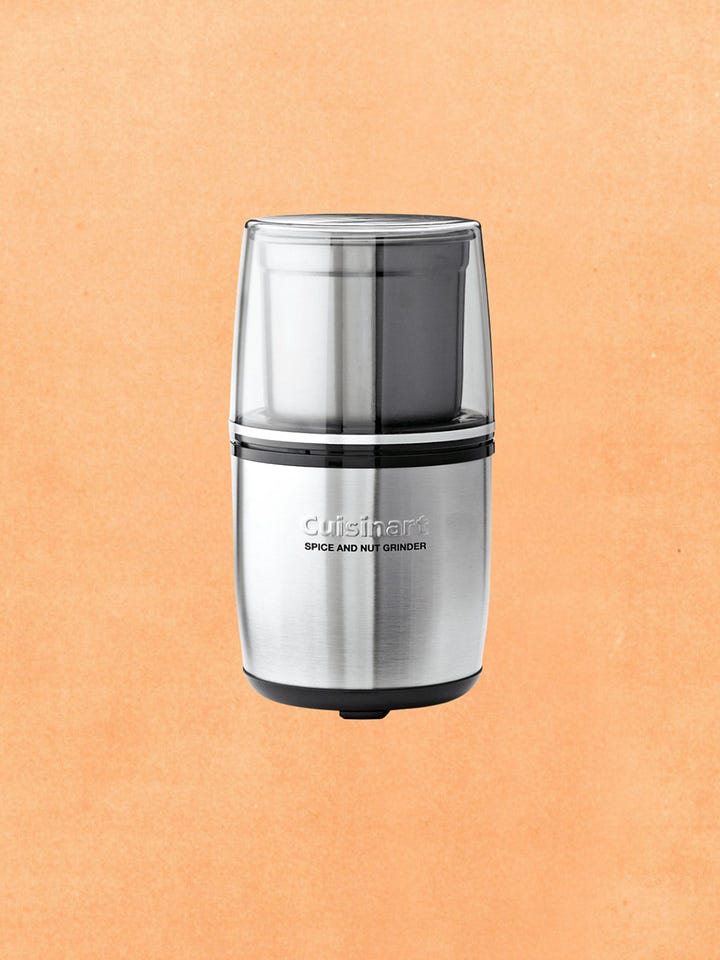
Spice Grinder Nothing beats freshly ground spices. I love this one for its removable base that you can just pop in the dishwasher when you’re done.
3 qt Saucier The rounded sides make it perfect for sauces, curries, and anything you’re stirring constantly.
A Really Small Pot (.75 quart) For the jobs that don’t need the big pot: boiling two eggs, a single portion of pasta, a quick sauce, melting butter without losing half of it when it explodes in the microwave.
If you really want to learn how to cook and not just cook out of a recipe, these are the books that’ll help you build that mom-level intuition:
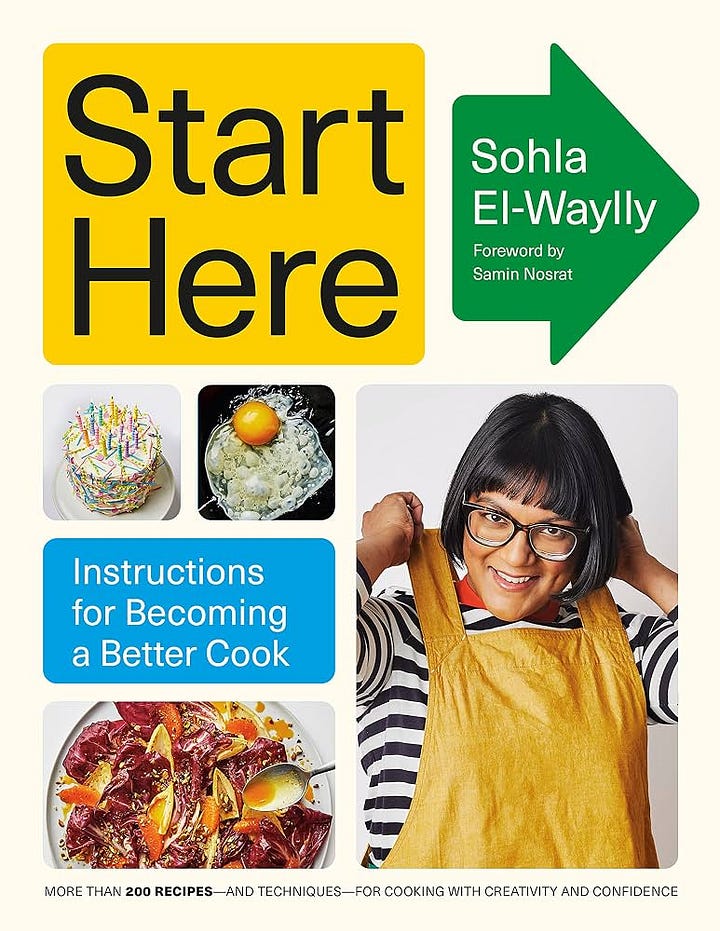
Start Here: Instructions for Becoming a Better Cook My book, so take this with whatever grain of salt you’d like, but I wrote it specifically for this moment: when you want to stop following recipes blindly and start actually understanding what you’re doing. It’s organized around technique rather than ingredients, which means every recipe is also teaching you something.
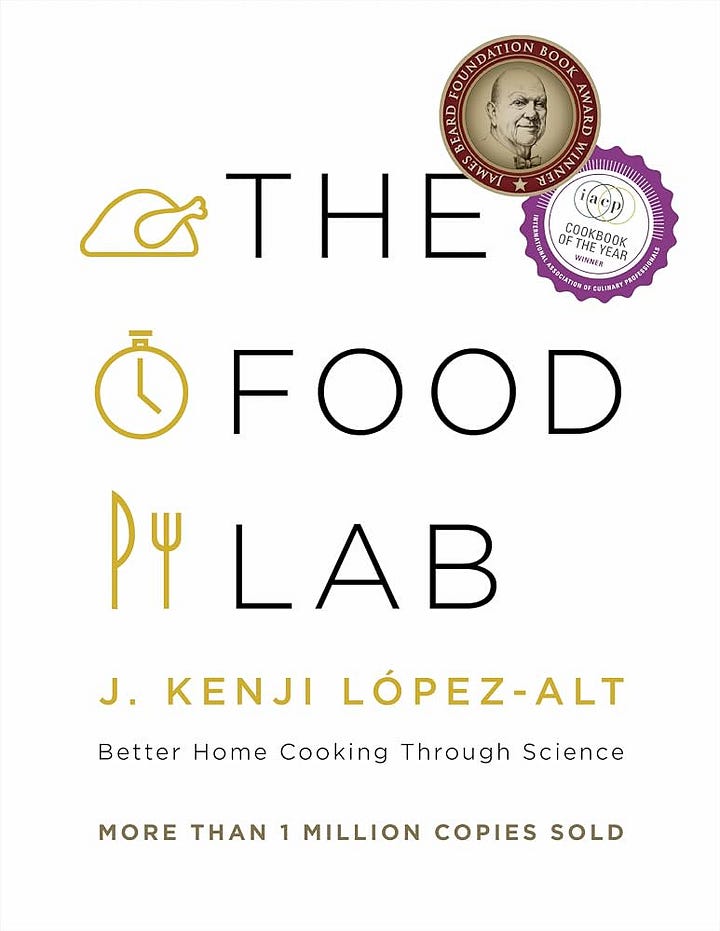
The Food Lab: Better Home Cooking Through Science Kenji Lopez-Alt is the original why instead of just how guy. It’s dense, it’s thorough, and it will permanently change how you think about cooking. Read it the way you’d read a very delicious science textbook.
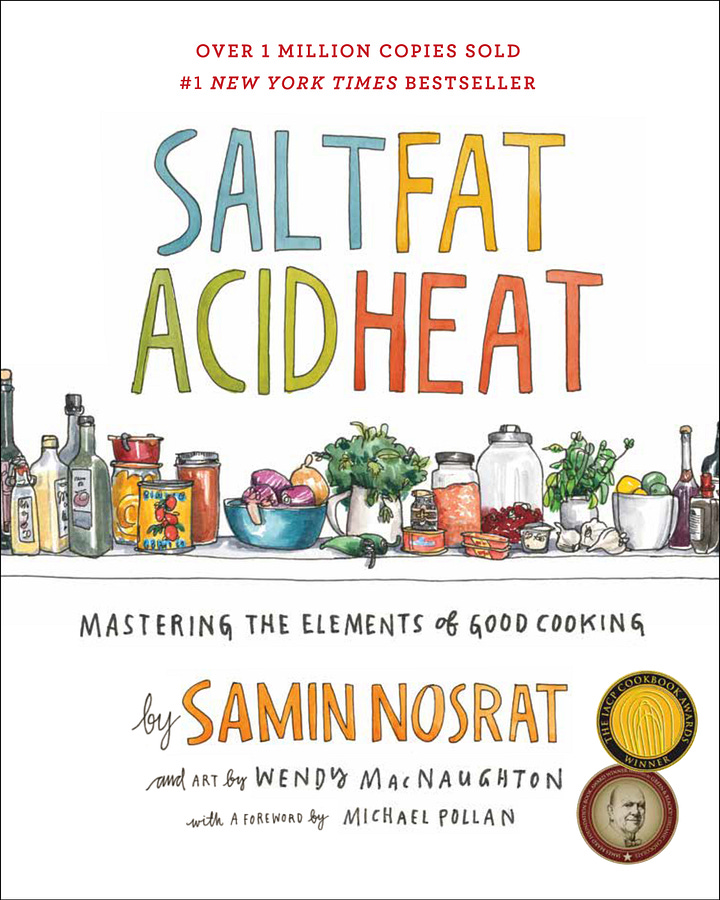
Salt, Fat, Acid, Heat Samin Nosrat distills all of cooking down to four elements and somehow makes it feel obvious once she explains it. This is the book that teaches you to taste and adjust rather than measure and hope.
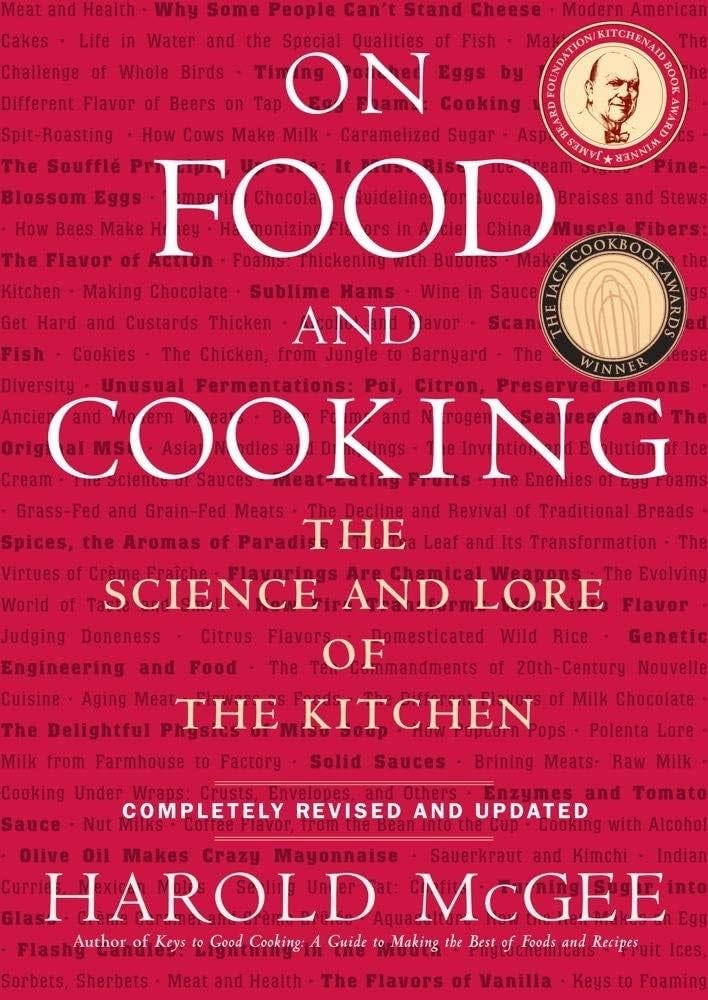
On Food and Cooking: The Science and Lore of the Kitchen Harold McGee’s book is not a cookbook. There are no recipes. It is, however, the book that explains everything that’s happening at a molecular level every time you turn on a burner, and once you’ve read it, you’ll never look at an egg or a sauce or a piece of meat the same way again. It’s the book I read over and over again. I refer to it anytime I get stuck on a dish. It’s my food bible and should be yours too.
Comments
Nothing yet. Say the first thing.
Sign in to join the conversation.