
Sometimes, I act like it’s my life’s mission to keep cinemas alive. I take any excuse to go to the movies, added bonus if I can successfully coerce one of my friends to tag along. At the risk of sounding like a film snob (making sure everyone knows I’ve just graduated film school), nothing beats the crackle of a cold diet coke in the sigh-sprinkled darkness of a movie theatre. The big screen, the engulfing surround sound, the collective experience, it adds if not creates, the cinematic experience.
Ode aside, a few weeks ago A24 released the trailer to their new feature film Backrooms, directed by 20-year-old Kane Parsons. An initial dreadful pang of personal unaccomplishment was overridden by excitement, as I darted to my local cinema’s website and booked two tickets for the opening night screening. The average age of a working film director is around 47, and most don’t make their first feature until after the age of 30. To go head first into directing an A24 feature from never having stepped foot on a movie set surely only happens to nepo babies. Except, one quick lookup of his name will debunk this assumption, as Kane Parsons has worked for a quarter of his life to get this career-making deal. In 2022, Parsons uploaded the first installment of a series of enigmatic Blender animations over on YouTube. The video explodes, leading to close to two dozen videos, 77 million views, a dedicated fanbase, and now a movie deal.
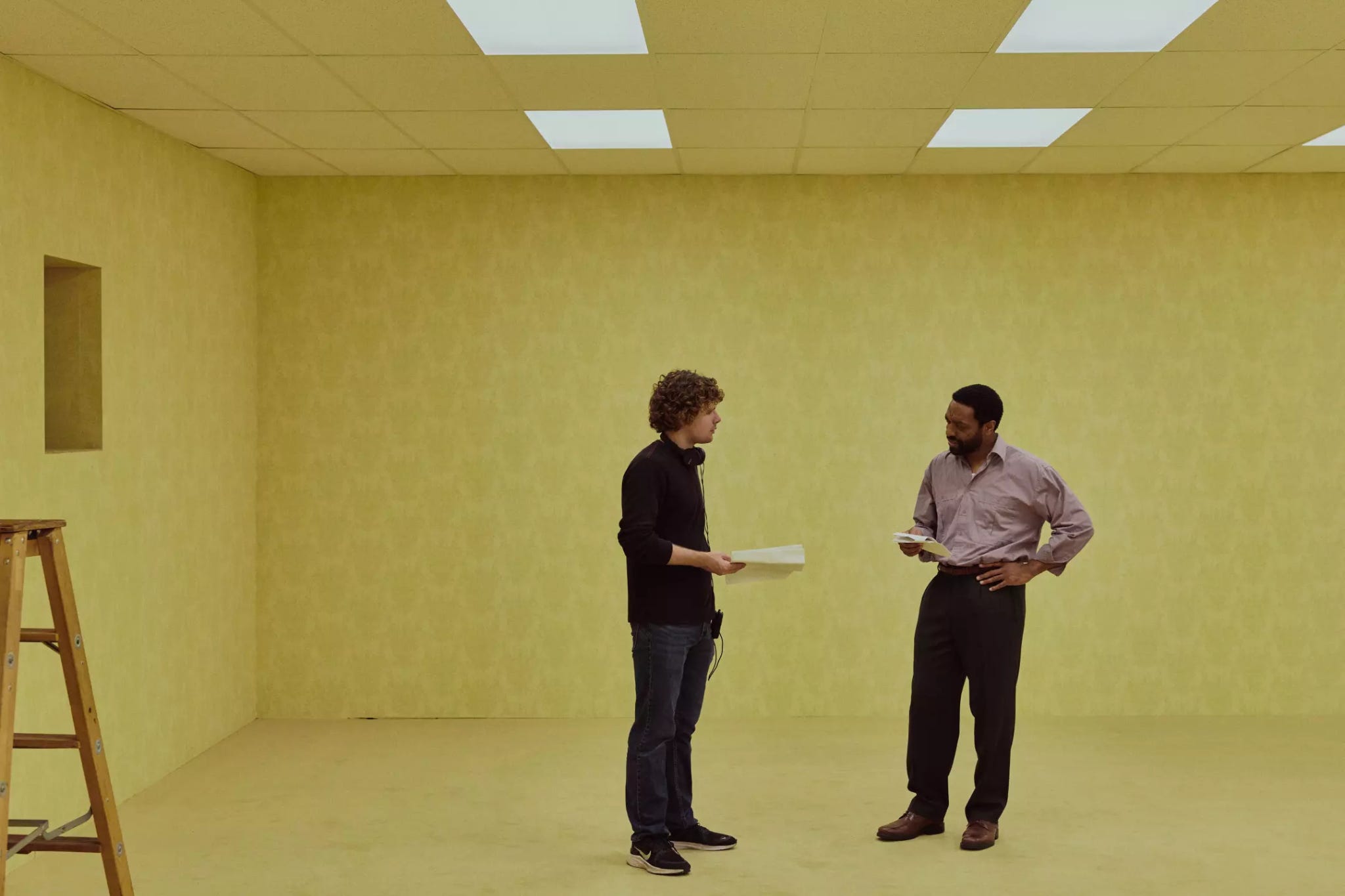
The development producers behind this deal have assumed an industry-defining risk. Because I believe Kane Parsons is only the first of many filmmakers that will emerge as an outcome of their strong internet presence. For producers, this new way of finding fresh voices is exceptionally lucrative. They not only have access to a creator’s entire portfolio of work, but also have proof that there is an audience that resonates with the content, and hence, existing viewers for the future movie.
This article is inspired by Kyle McCarthy’s (@kylemakesshortfilms) 20/05/2026 instagram reel about ‘internet filmmakers’. He presents a photo he took in 2024 at Creator Camp (Catskills), depicting five young people.
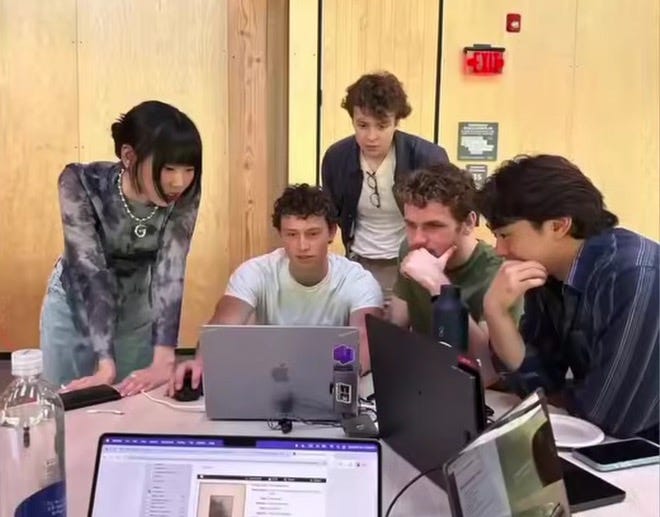
In the centre, wearing a white shirt is Zach Schy (@schyguyy), showing his editing to none other than Kane Parsons (@kanepixels) to his left. Schy Guy is behind a lot of surreal experimental clips that have amassed him hundreds of thousands of followers across platforms. To camera left is Gracie Koh (@gkohfilms), another social media creator, who has recently directed an untitled project for Noah Kahan. In the striped shirt to camera right is Jeffrey Sun (@byjeffreysun), author of countless cinematic long form and short form pieces of content. Behind Schy and Parsons is graphic designer Max Kolo (@cool_looking_bug), responsible for a video series of redesigning posters across New York City. What all of these creators have in common is that they show up on the internet with the goal of making something cool without having to ask for permission. They position themselves in a light where the right people can find them and give them the resources to continue doing what they love, but on a larger scale.
Low budget, ‘internet filmmaker’ feature films like Curry Baker’s Obsession (2025) and Baron Ryan’s Two Sleepy People (2025) go against Hollywood’s IP recycling and prove that there is an appetite for original storytelling. If anyone with a camera and an idea can make an impactful film that resonates with wide audiences; if YouTubers and TikTokers are becoming the new directors, what even is the point of traditional filmmaking?
The film industry, from its conception, has been in a perpetual state of change. What started as a method of capturing theatre, developed a language of its own through the implementation of montage and shot varieties. The invention of sync sound challenged what filmmaking was in the late 1920s. Later, the addition of colored film, followed by the industry switch to digital recording acted as pivotal points in the evolution of film as an art form. Every innovation tested what it meant to make a movie, ultimately redefining both the process and the outcome. I believe that social media is a tool that, when used right, can become career defining. If anything, this rise in internet filmmakers, creators who are able to transition to a more traditional manner of making films, creates a more meritocratic process in an industry run by nepotism and classism. So the next time you are scrolling and you stumble across a well made piece of storytelling, remember the name, because you might see it on a bigger screen in a few years.
No posts
Comments
Nothing yet. Say the first thing.
Sign in to join the conversation.