
Auteur theory states that ‘Directors are the authors of the film and should create their own signature style and not be totally influenced by the script given’ (Truffaut, 1954). In the current filmmaking landscape, it feels as though the selling point of the film is shifting from the actor to the director. I have found myself referring to films by who directed them instead of who’s in it. The argument of this essay is that there is a growing appetite for showcasing the creator behind the camera in the marketing of a film, but before delving into this, there are two disclaimers.
First, I have just finished film school and most of (if not all) of my friend are cinephiles or work in the industry. As such, my observation of this ‘widespread phenomenon’ is based on observations made within a very film-literate group. Additionally, I understand that directors - especially auteurs - have always been a point of profit since Charlie Chaplin and Alfred Hitchcock. Their authorship allowed them otherwise unwarranted freedom to create whatever they pleased, as the project was guaranteed success due to the director tied to it. Even presently, people will colloquially refer to films as: ‘the new Scorsese, watching a Wes Anderson, gonna see one of Nolan’s later’. The concept explored in this essay isn’t groundbreaking. However, I have noticed auteurship being valorized more in recent film marketing campaigns. Acknowledging the bias, as well as the industry formula, I want to now explore the current attitude.
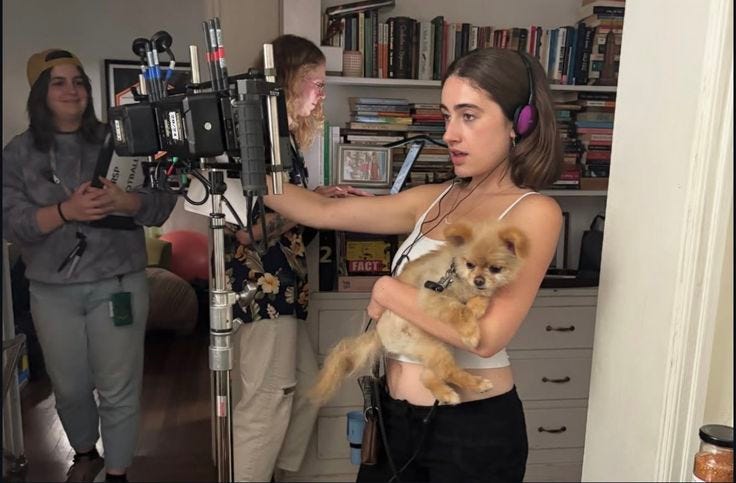
New wave independent films have given us a masterclass in capitalizing on the creative team behind the project when developing a marketing campaign. Prime examples of this include fore fronting Curry Barker as the face of Obsession (2026), centering the Backrooms (2026) marketing around Kane Parsons, and giving Rachel Sennott a one woman HBO show that employs her as writer, director, producer, and actor in I Love LA (2025). You’d think HBO would have the budget to give this girl a crew. This method of promoting the creator first works in these cases (of Barker and Parsons, perhaps less for Sennott), as all of the directors come with a pre-existing social media presence. As a development producer, you’re instantly able to see their portfolio of work and also the audience response to the media. Within a risk-averse mindset, it feels less of a gamble to invest into such young voices because the figures forecast a profitable outcome. Furthermore, with Obsession, there are no big names attached to the project, unlike Academy Award nominees Renate Reinsve and Chiwetel Ejiofor in Backrooms, and Odessa A’zion, Quenlin Blackwell, Leighton Meester, Elijah Wood etc. etc. in I Love LA. Casting a well-know actor in your directorial debut incentives audiences to come and watch. So, Obsession’s success, despite employing first-time actors, can be attributed to Curry Barker’s existing following
Looking at the case of I Love LA, having Sennott be the principal voice of the project was the marketable feature. Her humor, delivery, and direction is enhanced by casting her cool, up-and-coming LA friends. The essence of the show, the target demographic, and market positioning, are all inseparable from Sennott’s voice. Thus, even though there are marketable traits of the show outside of Sennott’s implication, through allowing her to get involved as more than a show runner or actress, HBO was granted irreplaceable capital.
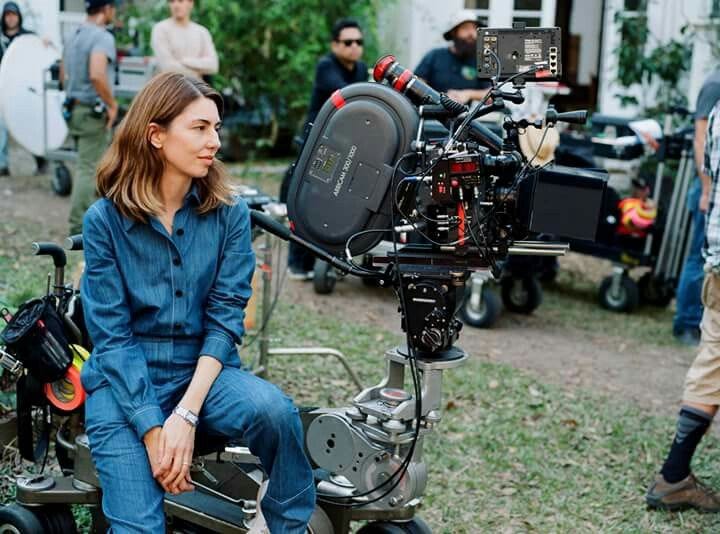
The circling of the filmmaker and creator Venn diagram transitions social media habits into Hollywood’s approach. On social media, the creator is the product. They generally star in their own content while also managing the off-screen creative process. Social media audiences, when approaching a film, expect and respond to the rules of the creator economy. Hence, the industry’s pivot to selling a film’s director more than its cast taps into what Gen Z values - authenticity. For actors, especially the ones at the top of the game, film press is a routine they fall into a few times a year with every project they have to promote. Media training is progressively homogenized and predictable, which is understandable when cycling through multiple films and TV shows each year. This is obviously not the case for directors. On the battery side of the camera, a film takes years to bring to life. So, by the time they’ve got to the press tour, that production has consumed the director’s life, making their contribution to the promo feel fresh, passionate, and authentic. This paragraph risks generalizing a rather multifaceted situation, however the point still stands: modern audiences respond better to promotion coming from the creator, as this is what they’ve become accustomed to consuming on a day-to-day basis.
There is also the aspirational nature to new age filmmaking, due to its inherent accessibility. If you can be discovered and become a filmmaker by posting content, and anyone can post content, then anyone can become a filmmaker. I attended Pete Ohs’s Erupcja (2026) premiere and Q&A earlier this week. What struck me the most was the production context of the film, characteristic to Ohs’s workflow. The crew shot the feature in two weeks in Poland, co-writing the script as they went. The thought I left the screening with was ‘my friends and I could have literally shot that’, which perhaps plays into Gen Z’s responsiveness to director-first marketing. We are the same age as these creators, we also use social media. It creates a parasocial bond where I or my friends could as well be Kane Parsons. I do believe film is undergoing a revolution with how accessible filmmaking is becoming in the digital age. There is an argument to be made about AI ‘filmmaking’, but that opens a massive can of worms that we can discuss at a later date.
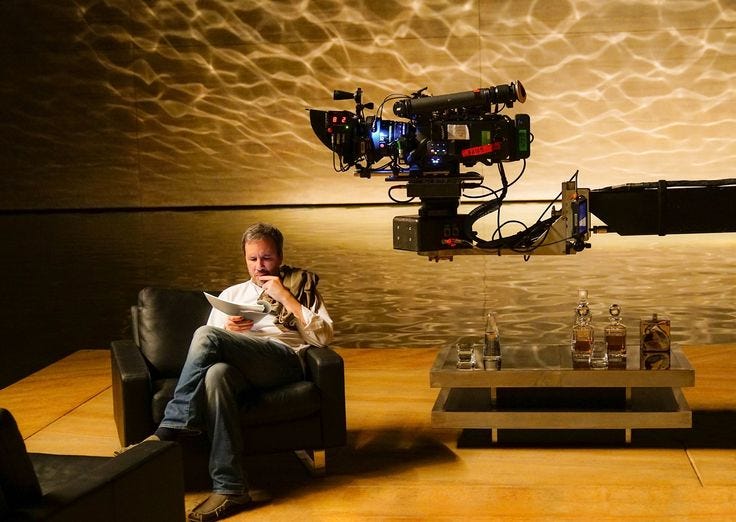
This growing connectivity between an audience and an off-camera creator is great for the industry. Similar to the marketability of genre, auteurship is fantastic way for investors to make profit. Where for specific genres there will always be a public, so can be said about specific directors, as audiences love knowing what to expect when going into a film. For film marketing (from someone with superficial knowledge on the matter, so please enlighten / correct me in the comments), this opens a door where director interviews aren’t reserved for the blu-ray rerelease of an indie film. On the contrary, spotlighting a film’s director can incentivize a mainstream audience to partake in the experience of the movie.
Bibliography:
Truffaut, F. (1954). A Certain Tendency of French Cinema (Une Certaine Tendance of Cinema Francaise).
No posts
Comments
Nothing yet. Say the first thing.
Sign in to join the conversation.