
Editorial by Angela Matusik, editor in chief.
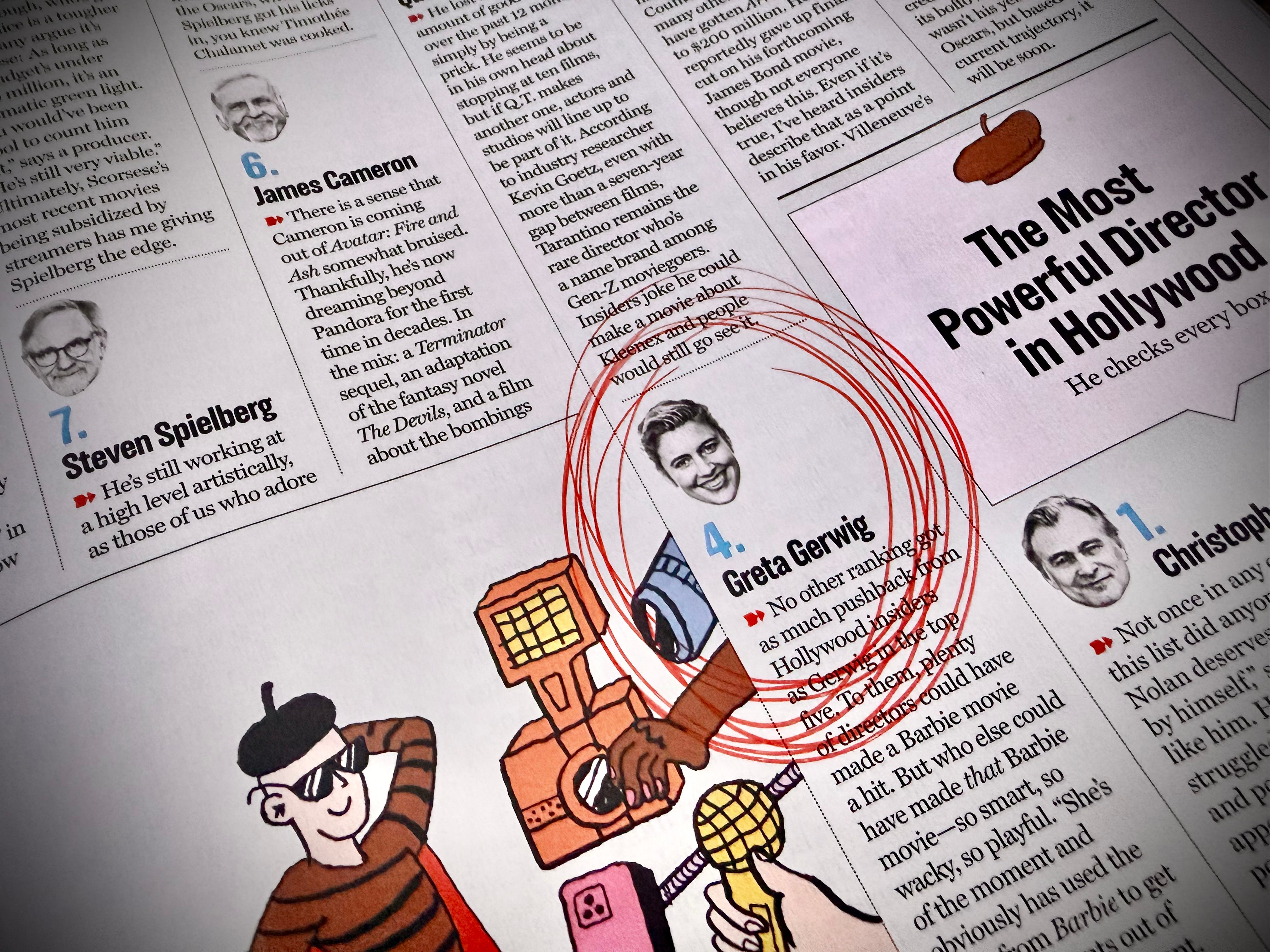
Last week New York magazine’s Vulture published a well researched, thoroughly sourced hit list of The 100 Most Powerful Directors in Hollywood. In the feature’s intro, writer Nate Jones explains the methodology behind the list – why it was needed, what the rankings were judged by, and who was consulted. There are two important caveats.
One: As Jones explains, only directors who have had at least one major project “in the Hollywood system” were eligible for consideration. In other words, success in Asia or Europe was not enough. And secondly, he acknowledges that representation in this list is terrible. “This list is a reflection of the Hollywood Power Structure, which remains very white and very male.”
How male, exactly? There are only NINE women on the whole list. It is 91 percent male. And yes, the year is 2026. What is almost as shocking as this statistic is how NOT shocking it is. We all know that DEI has been decimated these past two years. In many circles you can’t even say the acronym out loud. Equality for all under represented groups has declined, but there’s something about this one that is the biggest slap in the face. Because if the storytellers don’t represent who we are, then the stories don’t represent who we are. Then the dreams aren’t sparked. The goals aren’t set. The feeling that you matter doesn’t exist.
We live in a time of societal dementia. By that I mean our collective short term memory is abysmal. By short term I mean anything that happened over a year or two ago. It’s just gone. Poof.
That was the year that a comprehensive, seven year study called “Gender Inequality in Popular Films: Examining On Screen Portrayals and Behind-the-Scenes Employment Patterns in Motion Pictures Released between 2007-2013” was published by the University of Southern California. It was the first time that someone put data behind what we already knew. In the top grossing films, the speaking, named characters were less than 30% female. The same year the Celluloid Ceiling Report by Dr Martha Lauzen revealed that only 7% of top grossing directors were female - lower than it was in 1998 (9%).
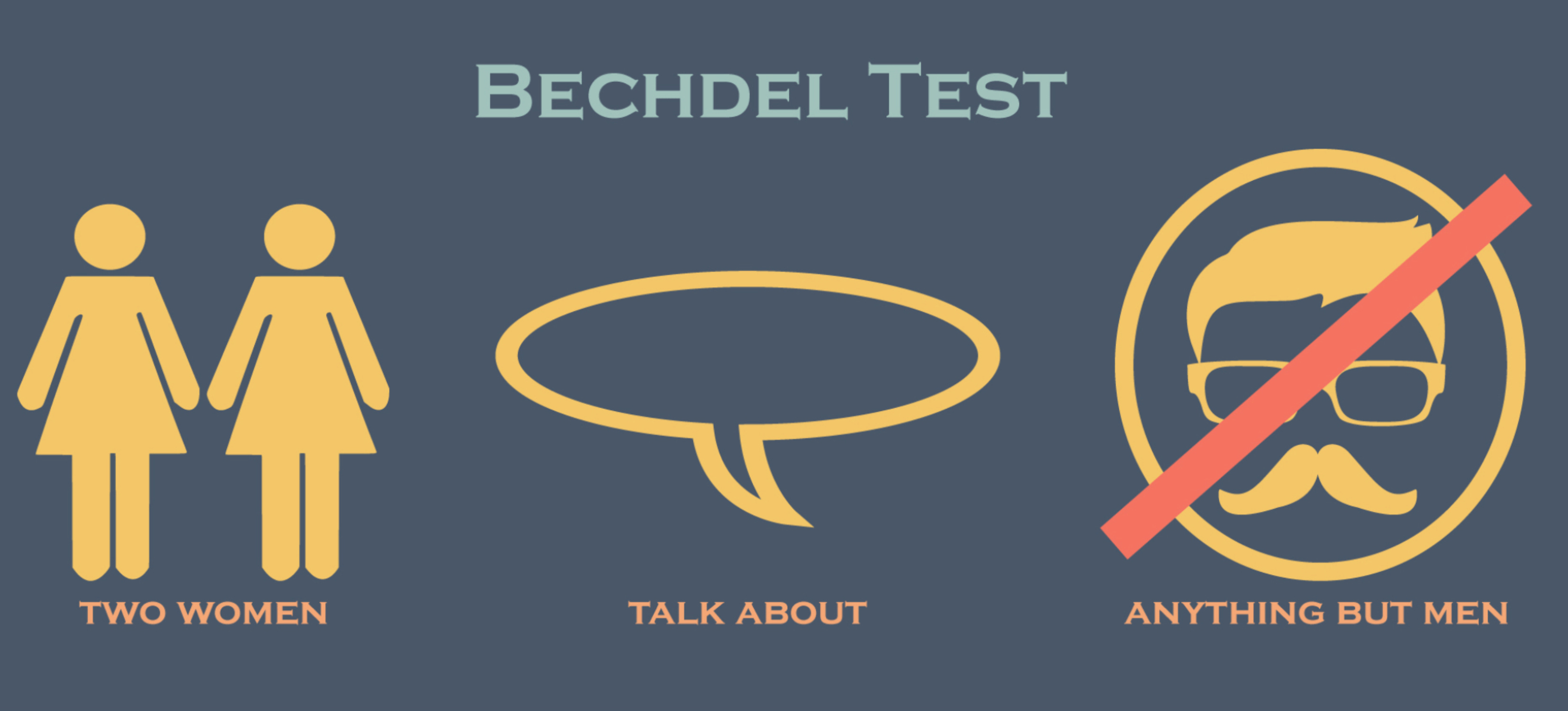
People were outraged. They started paying attention to the Geena Davis Institute, founded in 2004 by the great actress, which was sparked by the imbalance of male and female characters her daughter was exposed to on television. We all started talking about the Bechdel Test as a necessary litmus for new productions. Does the film have at least two women in it, talking to each other, about something other than a man? So, so, so many did not.
There was a wave of attention and you could feel the shift finally happening. In 2017 I was working with Focus Features and remember that three of their slate of seven films were helmed by female directors (Sofia Coppola, Niki Caro and Julia Ducournau). It was on the heels of #MeToo and Hollywood was having a reckoning. The Golden Globes had an all black dress code in a sign of solidarity. At the 2018 Oscars ceremony, a brave and beautiful Frances MacDormand won an Academy Award for Nomadland and uttered the words “inclusion rider” in her speech. It is a clause that talent can demand, that legally binds a production to meet diversity benchmarks. The reasonable goal was 50% and included women, minorities, LGBTQ+ and people with disabilities. There was hope it could work. In 2019 the data moved in the right direction: over 10% of the top grossing films were made by women, including our 2026 beacon of hope, Greta Gerwig.
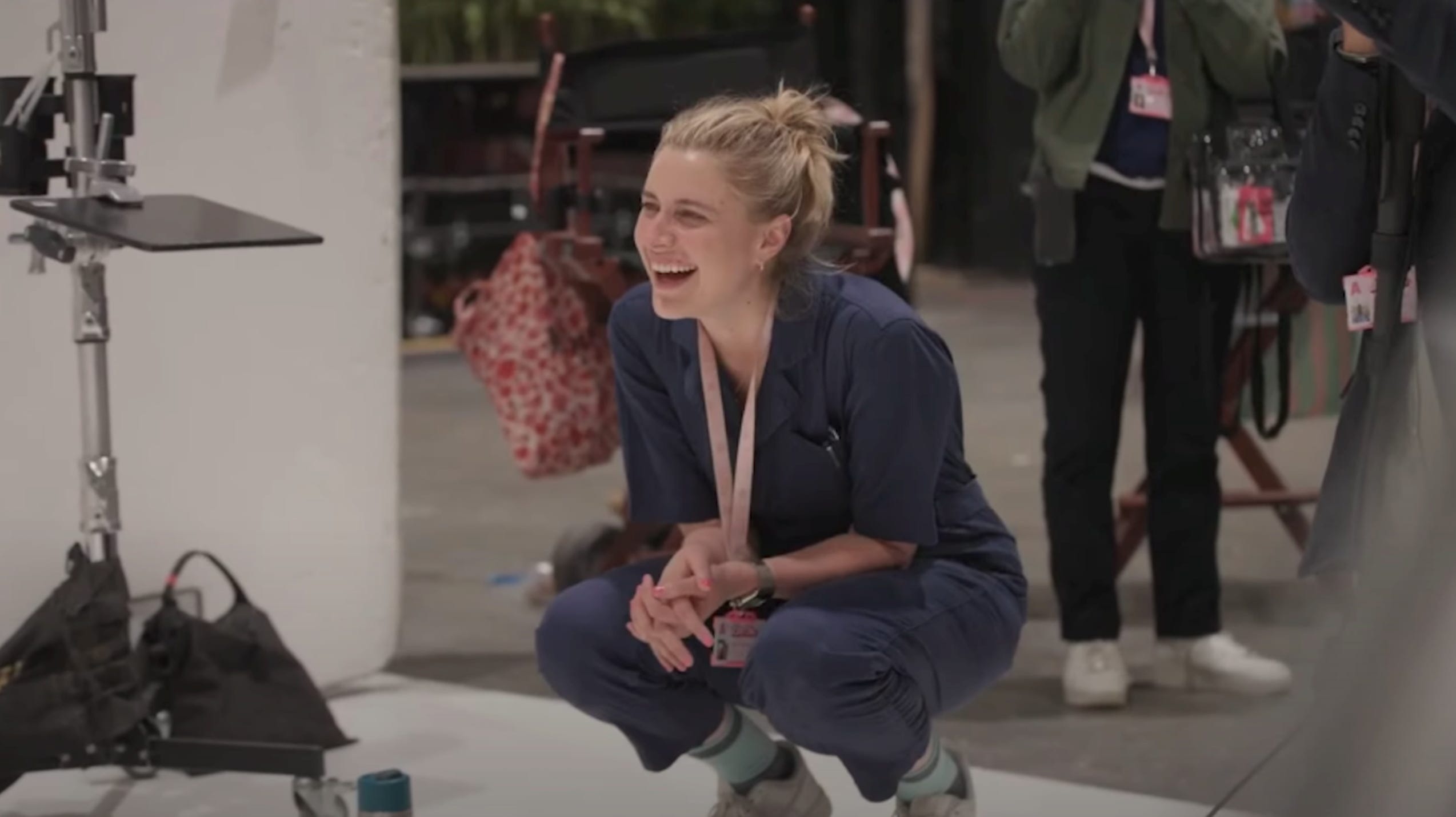
When Gerwig’s Barbie shattered all box office records in 2023 it also shattered a few of those age old boys’ club myths. A film directed by a woman FOR women and ABOUT women grossed over one billion worldwide. Surely that would be a game changer. There would be no going back.
Greta is the ONLY woman in the Vulture 100 power list top ten. Not only that, she’s in the top five at number four! But the writers at New York admit she is included with reluctance. Her peers in the industry STILL think that she lucked into that success. The next woman to appear in the ranking (18) is the genius Emerald Fennell, whose Wuthering Heights attracted plenty of debate, but even more buzz. (If you want to know how genius she truly is, watch this conversation with number 39 on the list, Anthony and Joe Russo, as she explains her creative process. The woman has a method of hyper visualizing an entire film in her HEAD before she writes a word.) Up next up is Chloe Zhao, MacDormand’s Nomadland director way down at 46, followed by Gina Prince-Bythwood (Old Guard) at 60, Kathryn Bigelow at 80, Celine Song at 87, Olivia Wilde at 92, and Nia DaCosta at 94. Maggie Gyllenhaal squeezes in at 99. All incredible talents.
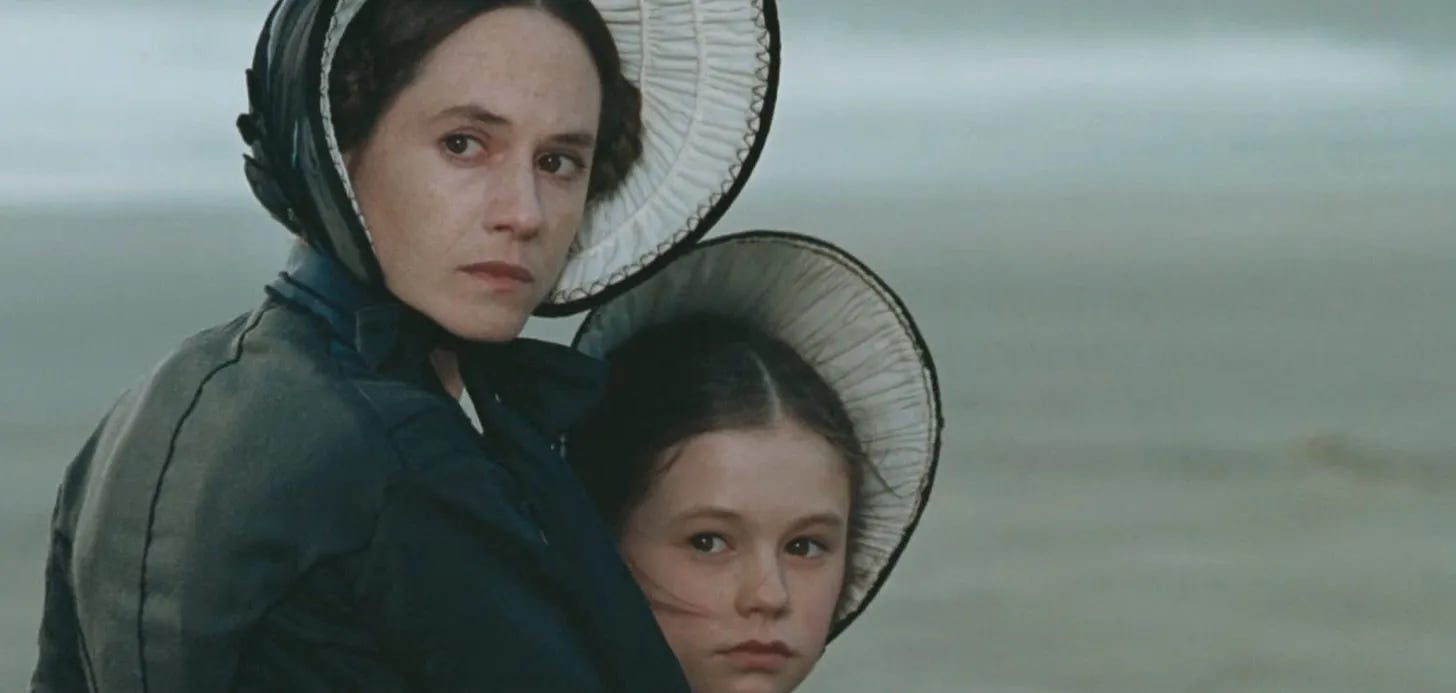
I hope they all have new projects in the pipeline, and then some – Greta is working on a highly anticipated Narnia film. Last night I was reminded of how hard it is for a female director to retain her power, even when a film breaks through. I went to see The Piano by Jane Campion at Lincoln Center. I hadn’t seen it since it came out in 1993, when it was both a box office and award season darling. I remember my young adult self being blown away by the revolutionary, feminist period drama. I can tell you confidently that it holds up beautifully. The delicate way the camera lingers on the back of Holly Hunter’s neck; the empathy given to the film’s antagonist, played by the late, great Sam Neill. The way mother nature herself takes on a starring role. You can see its influence in Zhou’s Hamnet, and even Mister Number One, Nolan’s Odyssey (which incidentally has been skewered for its watered down Greek goddesses). But, as Kate Muir wrote in The Guardian, despite the success of The Piano, “There was no great bursting of the financial and cultural dam that held back women film-makers.”
Almost an even split but females have a slight edge. In New Jersey there are 100 females to every 96 males. Which means as we talk about the rising workforce that will be needed to fuel the burgeoning film industry here in the state – nearly 2000 industry jobs added last year – we need to stop for a moment and ask WHO are those jobs going to? Because if at least 30% aren’t filled by women, we are no better than those Hollywood old timers sitting by their kidney-shaped pools. Our goal should be parity, 50%, and we can push to make that happen.
The good news is there is plenty of female directing talent ready to be given a chance. You can start by looking at those helming the biggest streaming hits, like Salli Richardson-Whitfield of Task, Clare Kilner of House of Dragon, Julie Anne Robinson of Bridgerton, or MJ Delaney from the new season of Ted Lasso. About 32% of television directors are women, a much more robust number than their big screen counterparts. One can hope that studio executives at our growing New Jersey facilities including Netflix, Lionsgate and Paramount reach into their series talent pool and give them a shot at a full length film. And there’s more we can do:
Encourage our elected leaders to pay attention to who is getting hired and to reward those whose teams reflect the demographics of our state with financial incentives.
If you’re a boss the buck stops and starts with you. Take some time and recruit new talent that looks like all of us.
If you’re a parent or a teacher, tell all the kids who love telling stories that they should become filmmakers.
Go see The Invite by Olivia Wilde. It’s hysterical, a little bit sad.
And always, stay for the credits. It’s time to count again.
Angela Matusik is the co-founder and editor in chief of Socko! magazine. She has led teams and publications at InStyle, People, and NBCUniversal, as well as in the corporate world at HP, Inc. In addition to her editorial work, Matusik is a brand marketing and communications consultant, film producer, and the co-founder the non-profit, Maplewood Film Society.
No posts
Comments
Nothing yet. Say the first thing.
Sign in to join the conversation.