
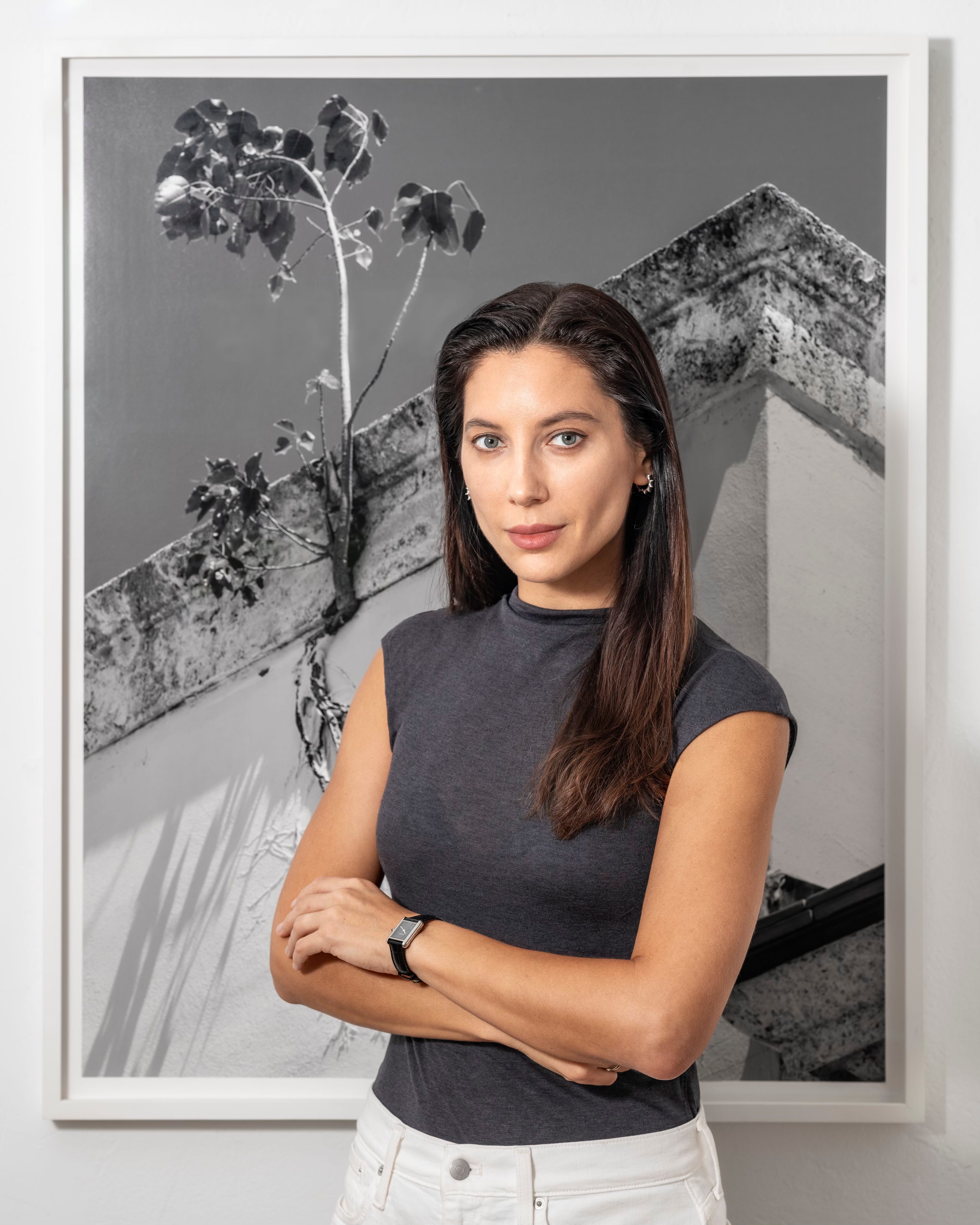
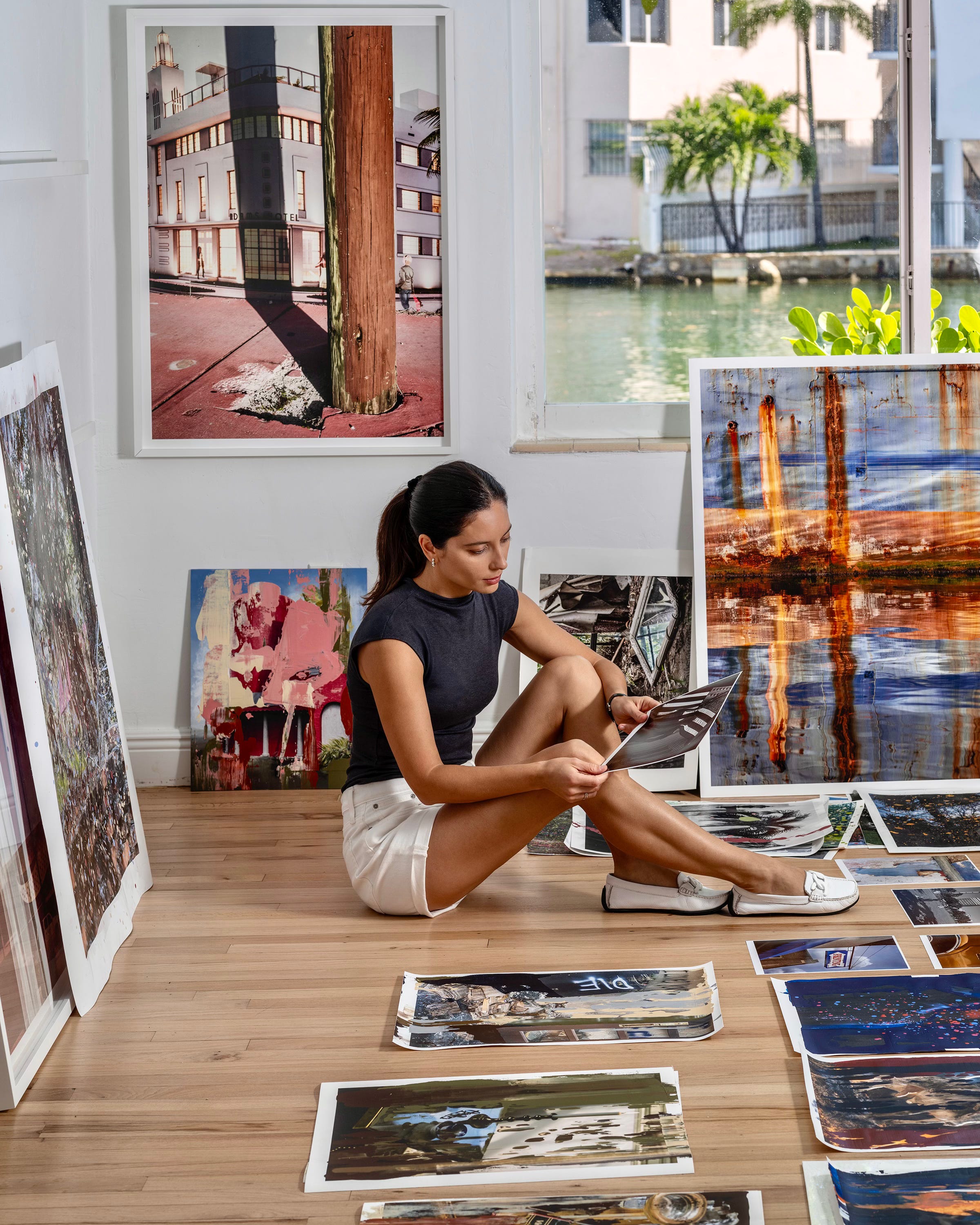
Anastasia Samoylova’s practice moves fluidly between observation and construction. Trained initially in environmental design, her work carries an architectural sensitivity—an acute awareness of how space is shaped, staged, and lived. That perspective threads through her photography, where façades, reflections, billboards, and fragments of daily life form what she describes as the ‘visual debris of contemporary life.’
From the saturated, almost disarming palette of her FloodZone series—where climate precarity is filtered through the seductive aesthetics of a lifestyle image—to her reflections on the ‘Floridification’ of America, her work resists fixed interpretation. Miami appears as a life-scale collage: sensory, performative, and often verging on the surreal. It is a place, as we both noted, that can feel easier to grasp through fiction than through fact.
There is a familiarity in ‘being an alien,’ a position that sharpens observation rather than dulling it.
In between exhibitions, residencies, book signings, and two major new projects, I had the chance to speak to Ana, tracing her journey from Russia to the United States and discussing the evolution of her photographic language alongside her distinctive way of seeing the world we inhabit. What emerged was a shared recognition of displacement—of what it means to look at a place from both within and without. As she puts it, there is a familiarity in ‘being an alien,’ a position that sharpens observation rather than dulling it.
Join me in this interview which unfolds as a conversation about attention—what it means to look closely in a world of excess, and how images can hold contradiction without resolving it.
Can you tell me a little about your journey—your move to the USA from Russia, your transition from environmental design to photography and whether being an artist was always something you wanted to do?
My path into photography wasn’t linear. I grew up in Russia and trained in environmental design, which gave me a way of thinking about space as something constructed, ideological, and lived in. When I moved to the United States, I found myself increasingly drawn to the image as a more fluid and immediate medium.
Photography allowed me to observe and respond in real time, while still carrying that architectural awareness of how environments shape behavior.
Becoming an artist wasn’t a fixed plan from the beginning, but it was always there as a kind of underlying instinct that gradually took form.
Your work feels like a 21st-century evolution of the Russian avant-garde. Do you find yourself referencing the Constructivist principle of ‘truth to materials’—even when those materials are commercial billboards and peeling vinyl?
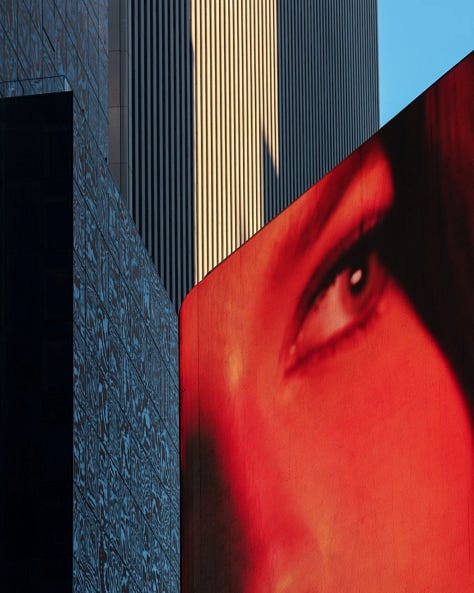
I do feel a kinship with the Russian avant-garde, especially in the attention to structure and surface. But instead of traditional materials, I’m working with the visual debris of contemporary life, advertising, screens, façades. The idea of ‘truth to materials’ becomes complicated when the material itself is already mediated or constructed. I’m interested in revealing that instability rather than resolving it.
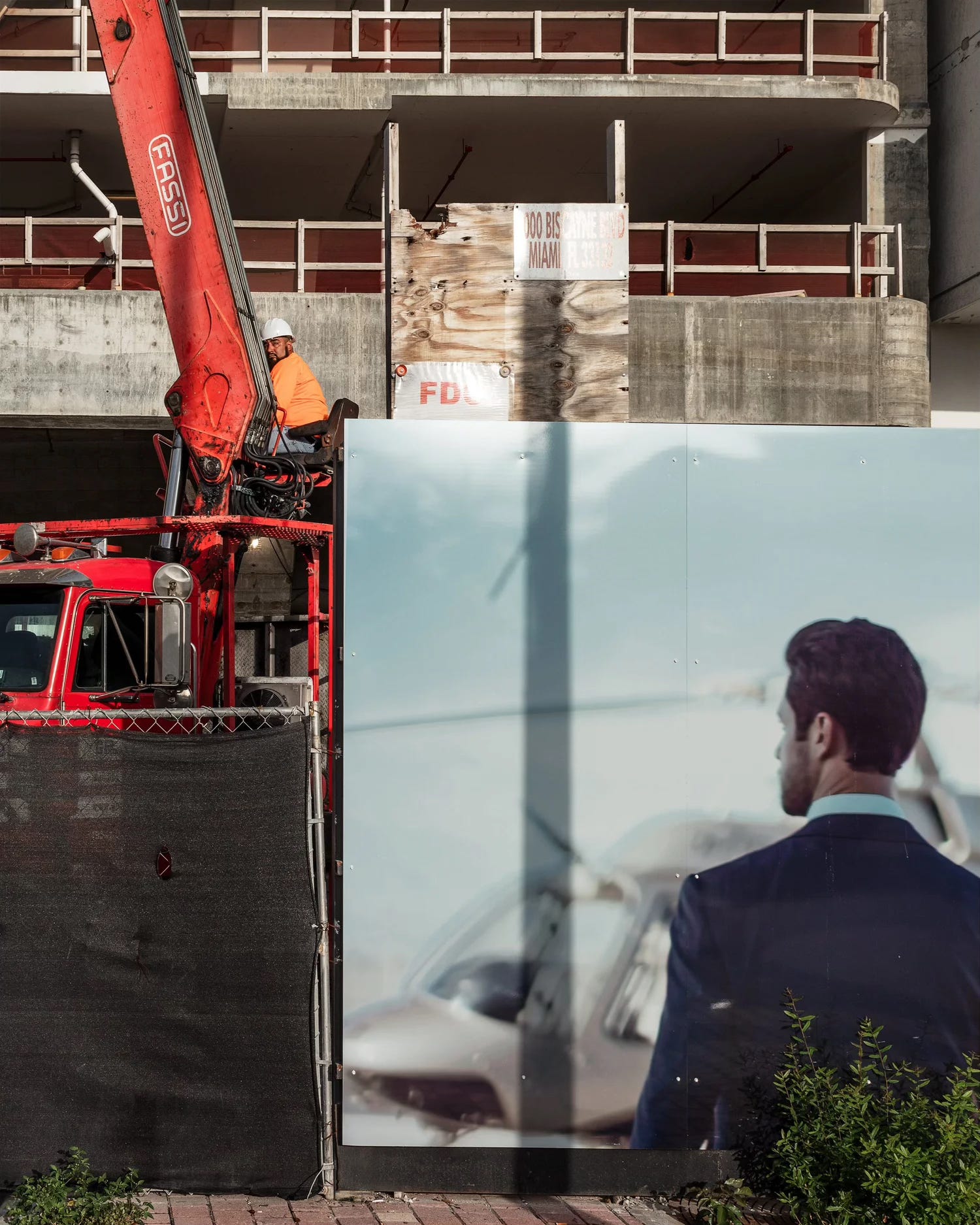
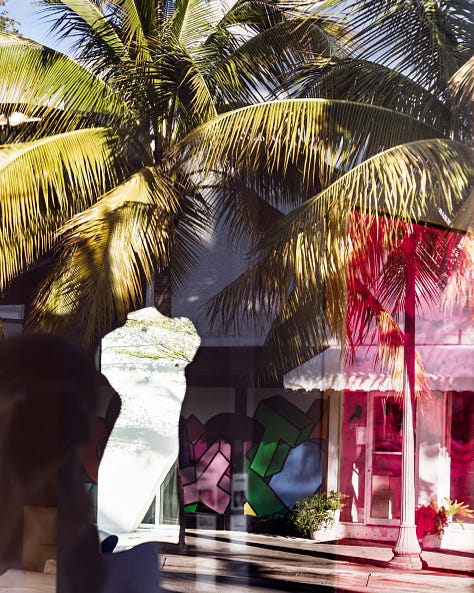
You’ve described Miami as a life-scale collage. Does the city’s ‘performative’ nature—the Art Deco facades and the tropical branding—feel like an invitation, or a challenge to find something ‘real’ beneath all the pastel?
Miami feels both like an invitation and a challenge. Its theatricality is so explicit that it almost demands a certain kind of attention. At the same time, what interests me is not uncovering something ‘real’ beneath the surface but understanding how the surface itself operates as a form of reality.
‘The performance is the condition.’
There is a certain irony in your work—like an iguana climbing a luxury shop window or a ‘Space Mural’ on a crumbling wall. How do you balance themes of environmental decay with this sense of visual playfulness?
The balance between irony and seriousness comes from how the world presents itself. The juxtapositions are already there, sometimes absurd, sometimes unsettling—I’m not adding humor so much as recognizing it as part of the visual language of contemporary life. That tension allows the work to hold complexity without becoming didactic.
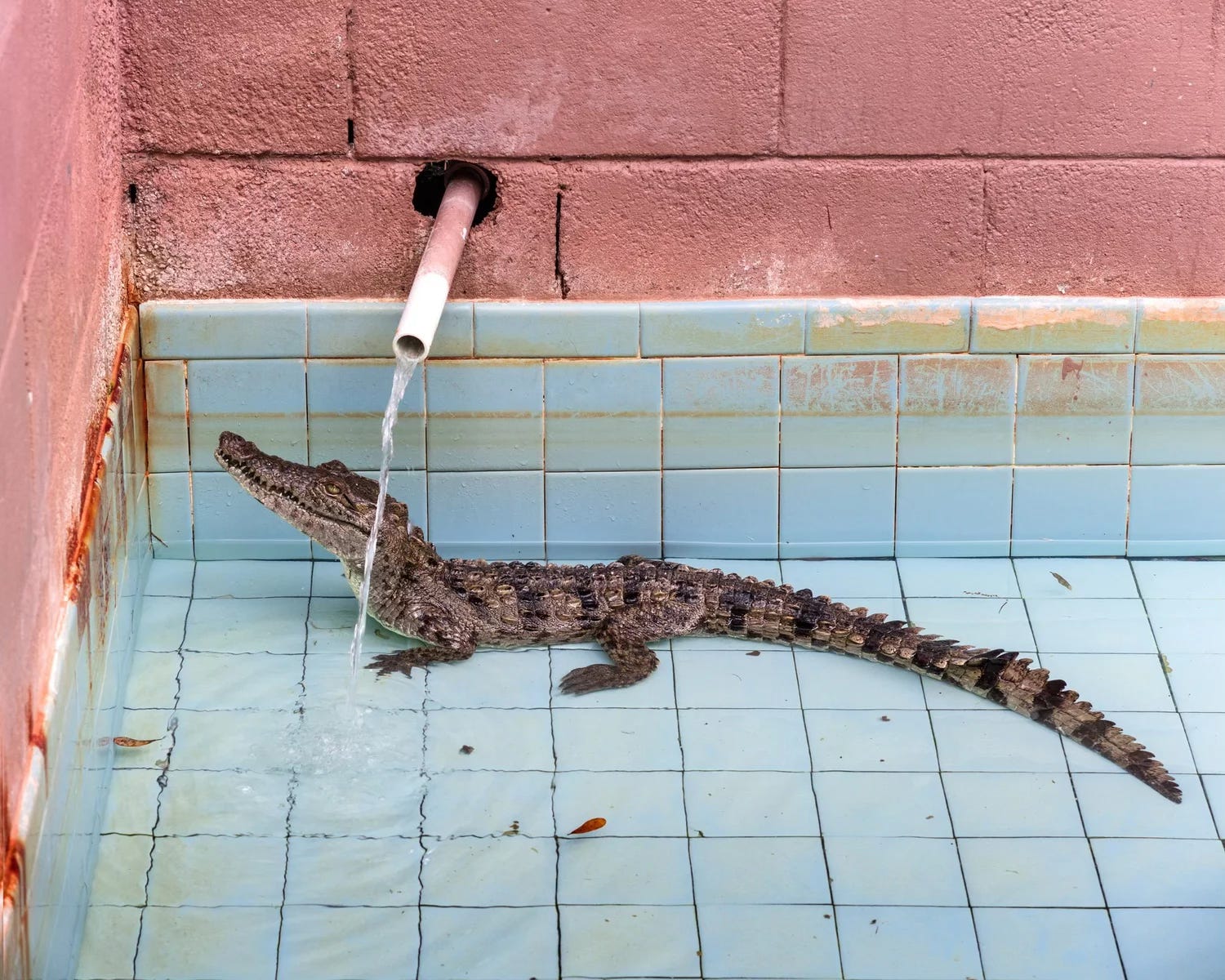
You move between highly controlled studio collages and observational street photography. At what point does an ‘observational’ moment in Miami start to feel like a ‘studio’ construction that you just happened to find in the wild?
The line between observation and construction is often very thin. In Miami especially, reality can feel staged. When I encounter a scene that already has a heightened, almost artificial quality, it starts to function like a studio composition, even though it’s entirely found. That ambiguity is something I’m very interested in.
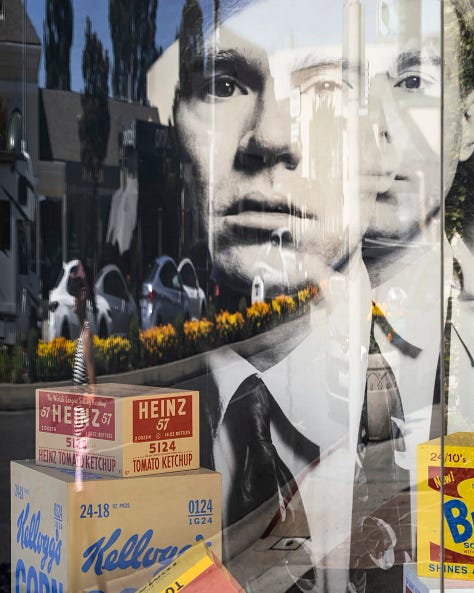
In your images, humans are often obscured, reflected, or acting as ‘stand-ins’ for a community. Do you see the human figure as just another layer of the ‘image field’?
The human figure in my work is part of the image field but not reduced to it. I’m interested in how people navigate these environments, often appearing fragmented or mediated through reflections and screens. There is still a human presence at the core, but it’s filtered through the visual systems we inhabit.
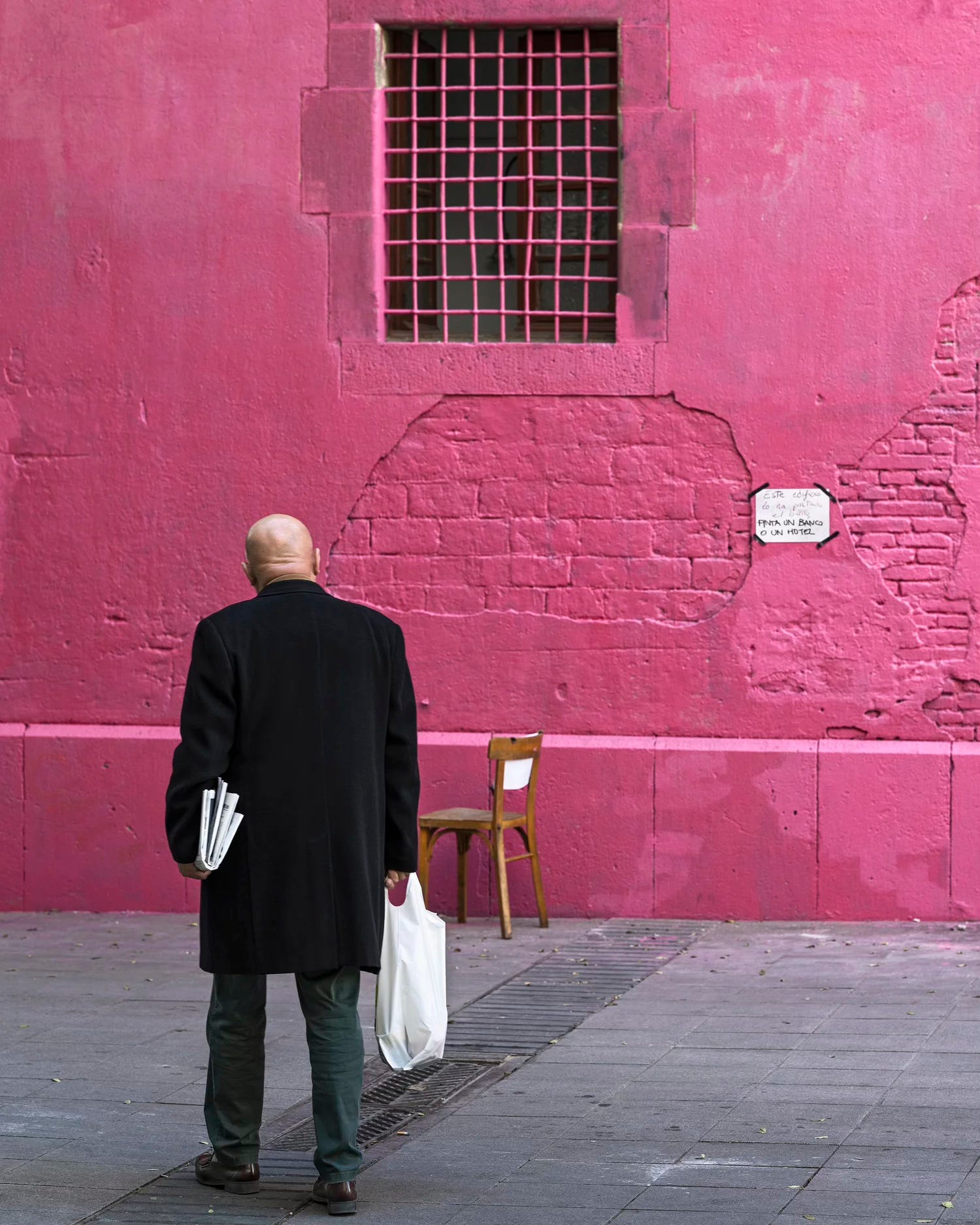
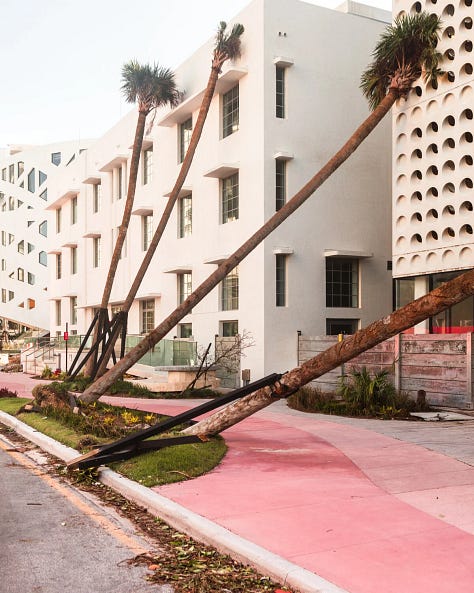
You’ve spoken about the ‘Floridification of the nation.’ How has your time here shaped your belief that Florida isn’t just a place, but a ‘condition’ that is slowly spreading across the rest of the American landscape?
This idea comes from seeing how certain aesthetics and ideologies extend beyond a specific geography. Florida becomes a kind of prototype, where environmental vulnerability, speculative development, and image-driven culture intersect. Increasingly, those conditions are visible across the country.
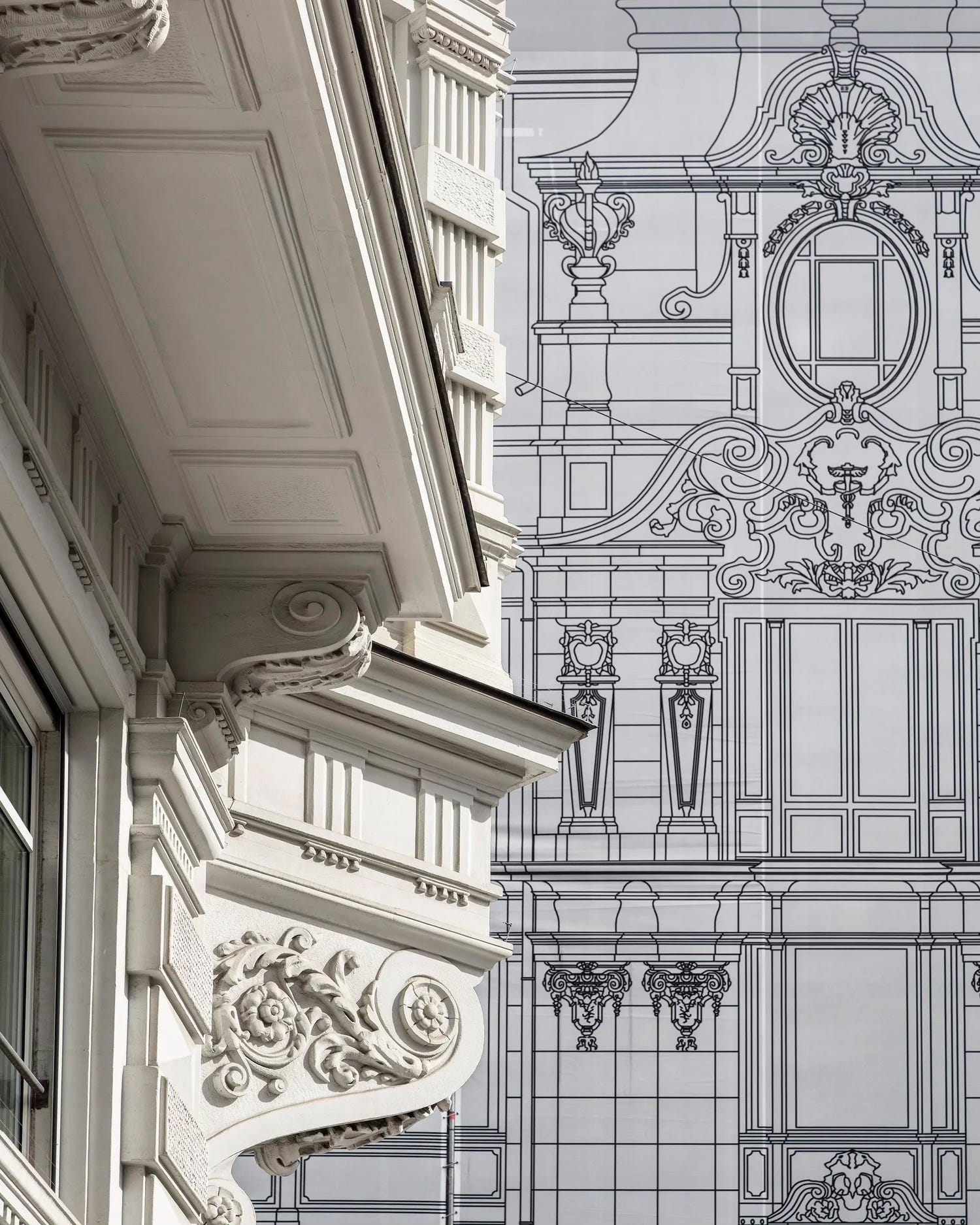
You often use a telephoto lens to compress space. Do you see this flattening as a critique of global capitalism, where every city eventually looks like a generic rendering?
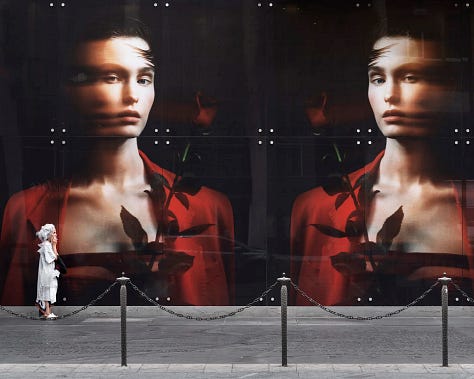
It reflects how the contemporary world collapses distance. Using a telephoto lens allows different layers of the city to merge into a single plane, almost like a collage made in camera. It speaks to a kind of visual homogenization, but also to the density of images that defines global urban life. What happens in the street now feels inseparable from what happens on our screens, as if the logic of the digital image has spilled into physical space itself.
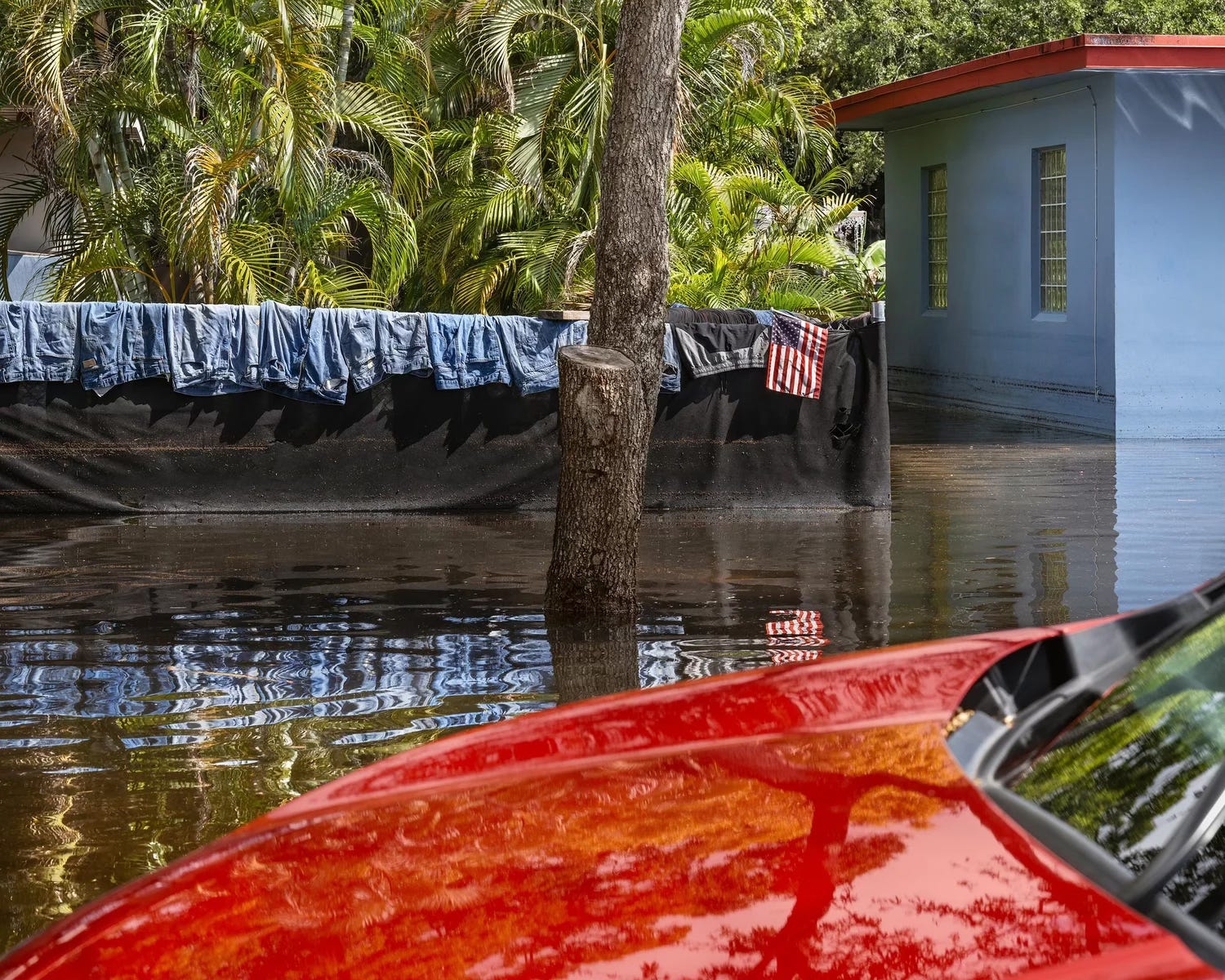
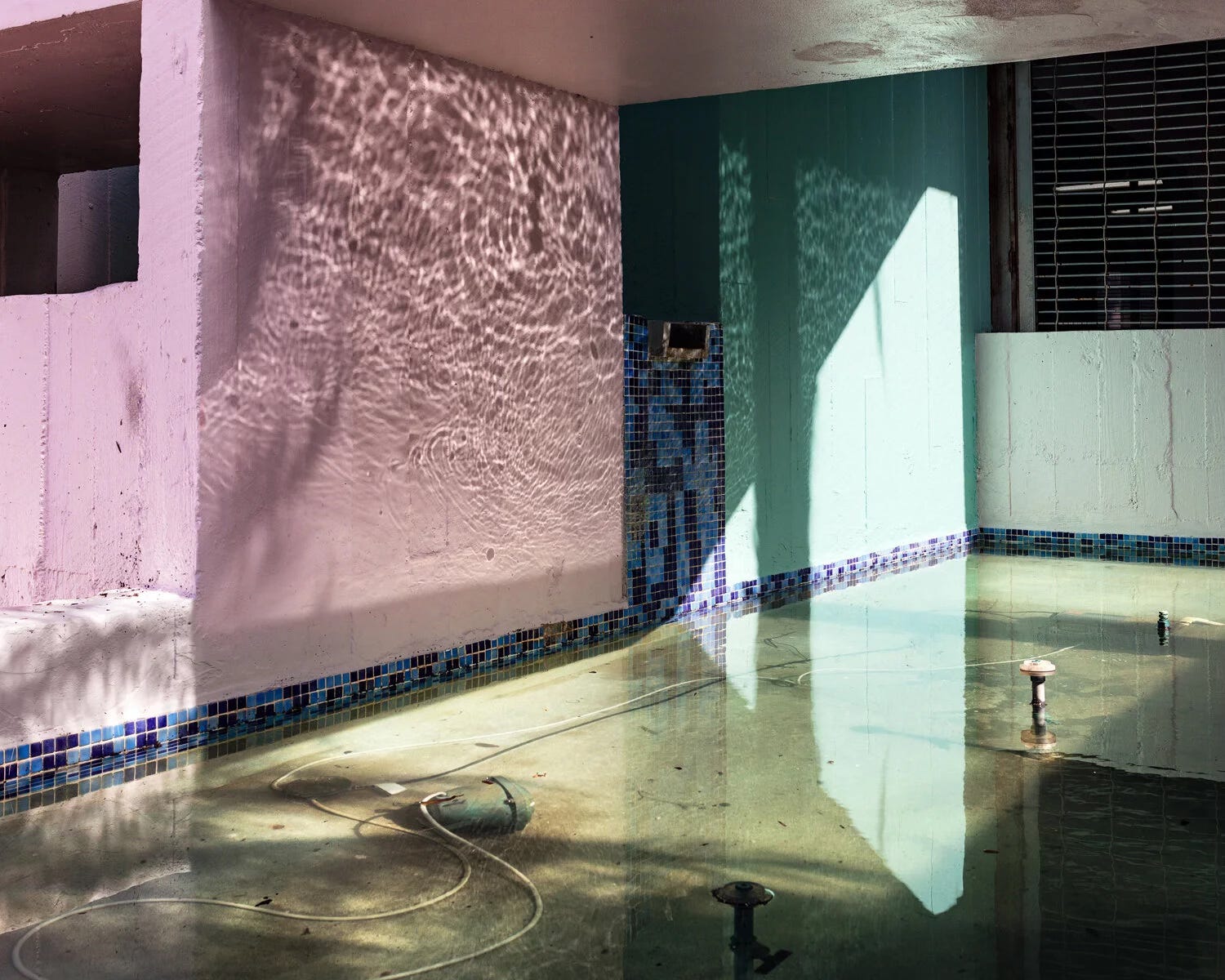
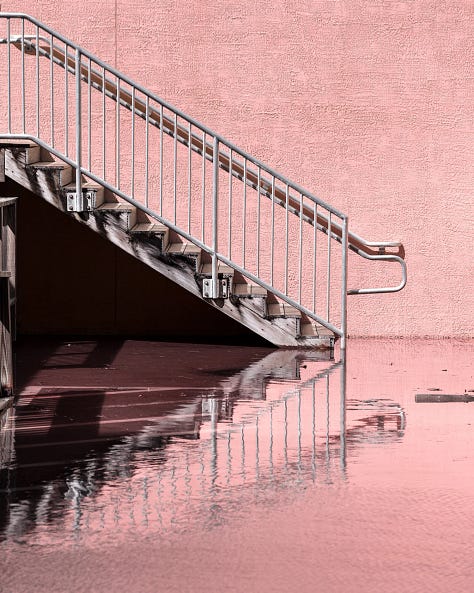
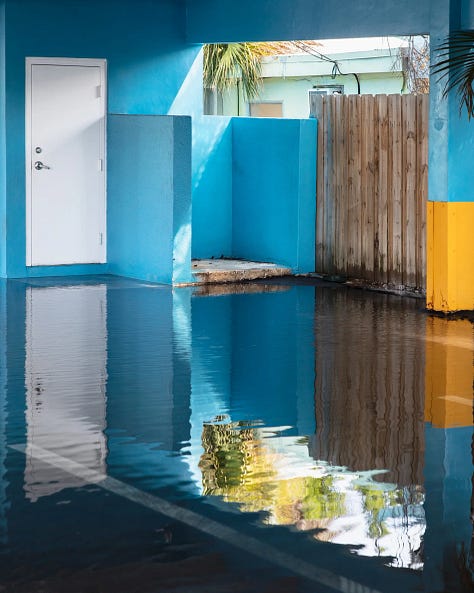
In your FloodZone series, you use a highly saturated, almost ‘candy-coated’ palette to document climate precarity. Is this use of color a form of visual humor—a way of ‘trolling’ the viewer into looking at disaster through the lens of a lifestyle magazine?
The saturated color is very intentional. It mirrors the language of desire that defines places like Florida, where catastrophe and fantasy coexist. There is a kind of visual seduction that draws you in before you realize what you’re actually looking at. If there’s humor in it, it’s a slightly uneasy one, where the aesthetic pleasure becomes part of the critique.
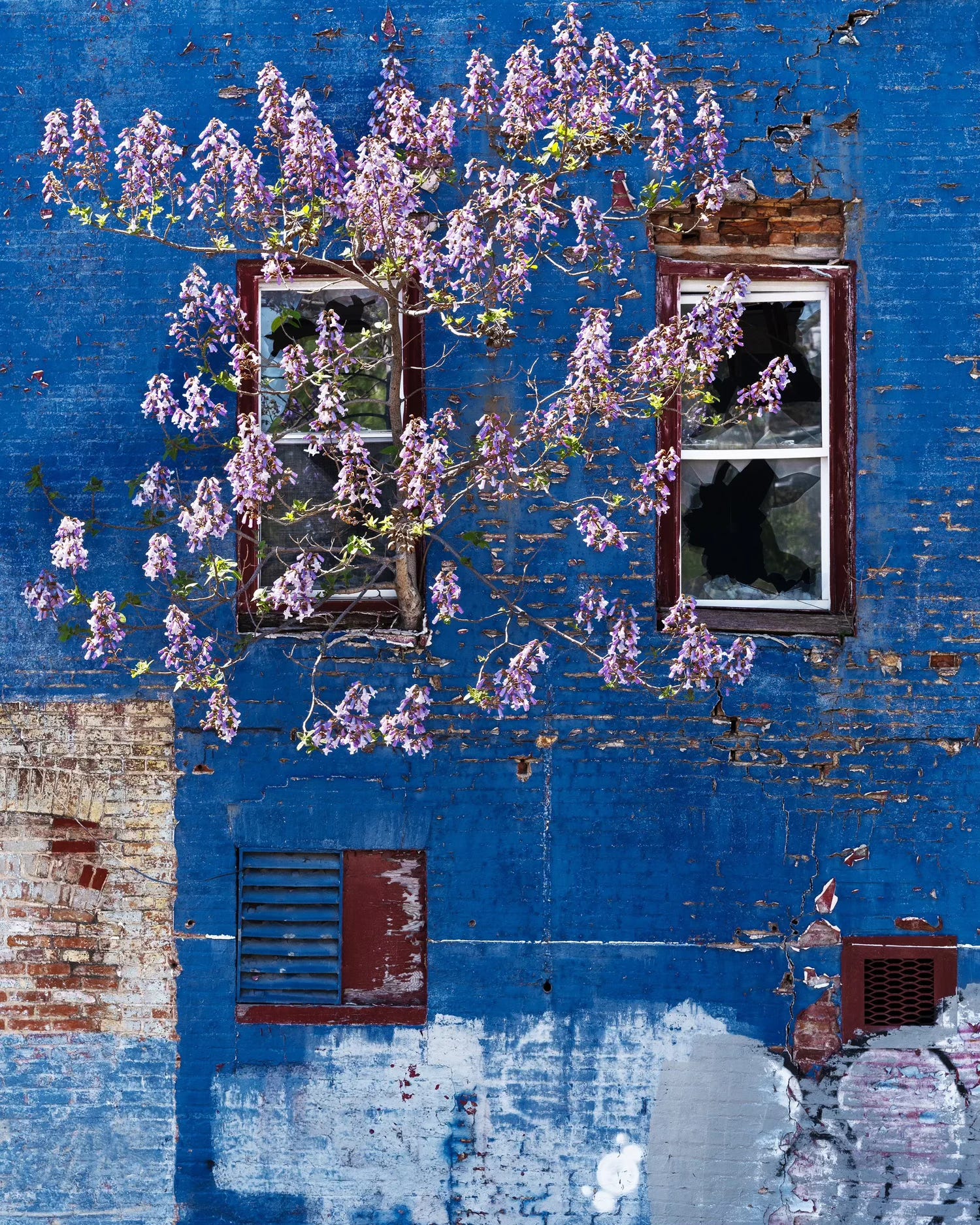
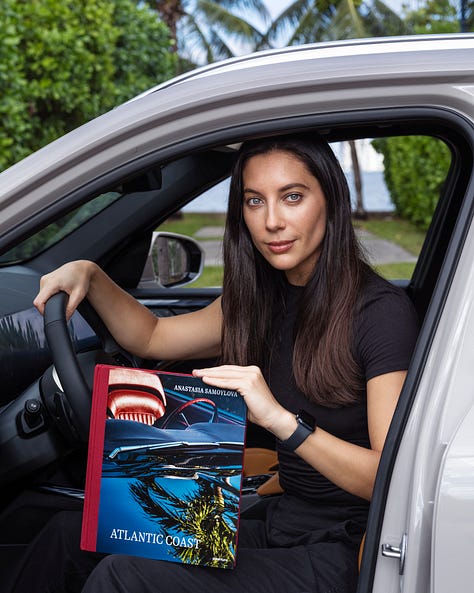
Your Atlantic Coast images retrace photographer Berenice Abbott’s Route 1 journey, but in reverse—from Florida to Maine. Why was it important to move ‘against the current’, and did it change the nature of the project?
With Atlantic Coast, moving in reverse was a way to rethink the narrative embedded in Berenice Abbott’s original journey. Instead of following the logic of American expansionism, I was tracing something more cyclical, more reflective. The reverse route shifts the emphasis from progress to accumulation, from forward motion to a kind of looking back at what has been built, and at what cost.
If you could ask Abbott one question about what she missed during her 1954 journey, what would it be?
It would be about what she chose not to photograph. What fell outside her frame, either consciously or unconsciously, and how that absence shapes our understanding of that moment in time.
As our world becomes more saturated with AI-generated imagery, how do you see the role of the ‘observational artist’ shifting?
As AI-generated imagery becomes more pervasive, I think the role of the observational photographer becomes even more vital. The act of looking closely, of attending to the nuances of the real world, acquires a different kind of urgency. Photography becomes a record of our time through visual documentation: neighborhoods before they are transformed by development, streets before they are overtaken by floodwater. I think of this as akin to the code of ethics in nonfiction writing.
Documentary photography carries its own ethical responsibility, and I feel strongly committed to that tradition.
Any upcoming projects you’d like to talk about?
I’m currently working on several projects. Transformations looks at tangible examples of climate adaptation and resilience.
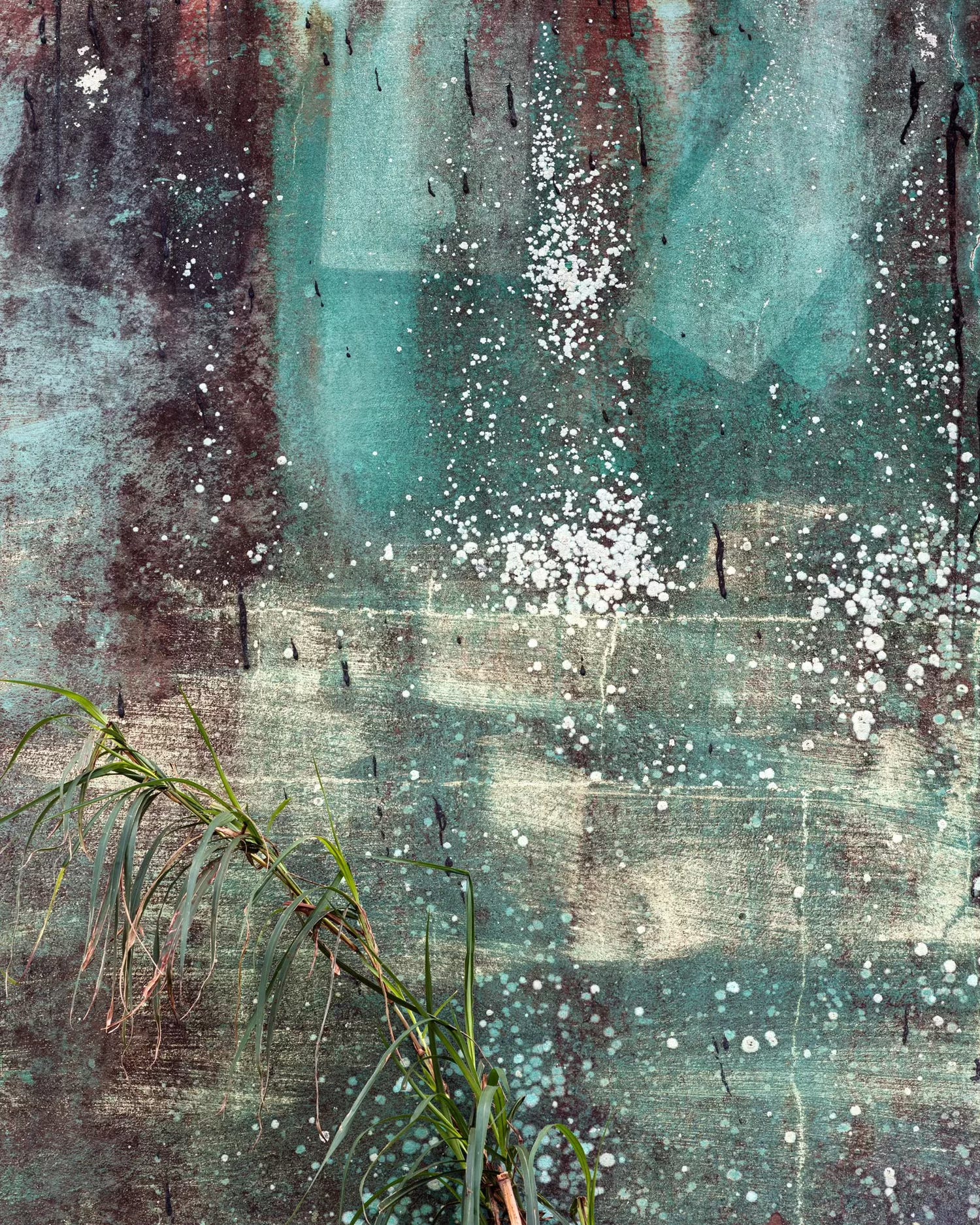
This year, I’m also preparing Harbor, a new body of work on European port cities that will take the form of both a book and an exhibition. The project is informed in part by Germaine Krull’s Metal and its powerful attention to the poetry of industry, infrastructure, and mechanical form. In Harbor, I’m interested in the port as both image and metaphor: a place of movement, exchange, instability, and projection, where the forces of global trade, tourism, migration, and environmental change become newly visible.
At the same time, I’m expanding my hybrid practice with overpainted photographs, where the documentary image and painterly gesture intersect in new ways. Each project builds on the same underlying questions about how we construct, imagine, and inhabit our world.
CONTACT
Email: studio@anasamoylova.com
Instagram: @anasamoylova
Website: anasamoylova.com
No posts
Comments
Nothing yet. Say the first thing.
Sign in to join the conversation.