
Why are kindness, composure, and discernment more powerful than force?

There is a version of ambition that tells us we must become harder to become more powerful.
It sounds like: Be less emotional. More ruthless. Less trusting. Less accommodating. Dominate the room. Make sure everyone knows how intelligent, successful, or important you are.
I understand why this version exists. If you have ever been underestimated, overlooked, manipulated, or mistaken for being naïve, hardness can begin to feel like protection.
But I don’t think becoming cold is the answer. In fact, I think those of us that had tougher upbringings can become both hardened and softened by those times. And thats an impactful cadence.
Some of the most powerful people I know are also incredibly warm. They are thoughtful, generous, emotionally aware, and kind. They don’t abandon their softness; they simply pair it with discernment.
They understand people without being controlled by them. They can make someone feel important without making themselves smaller.
They are kind, but not endlessly accommodating. Open, but not immediately accessible. Warm, but highly strategic.
That combination is powerful because most people don’t expect it.We tend to associate power with force: the loudest person in the room, the most aggressive negotiator, the leader willing to bulldoze everyone else to get what they want. And while that character arc does make for great TV. In real life, that only works temporarily.
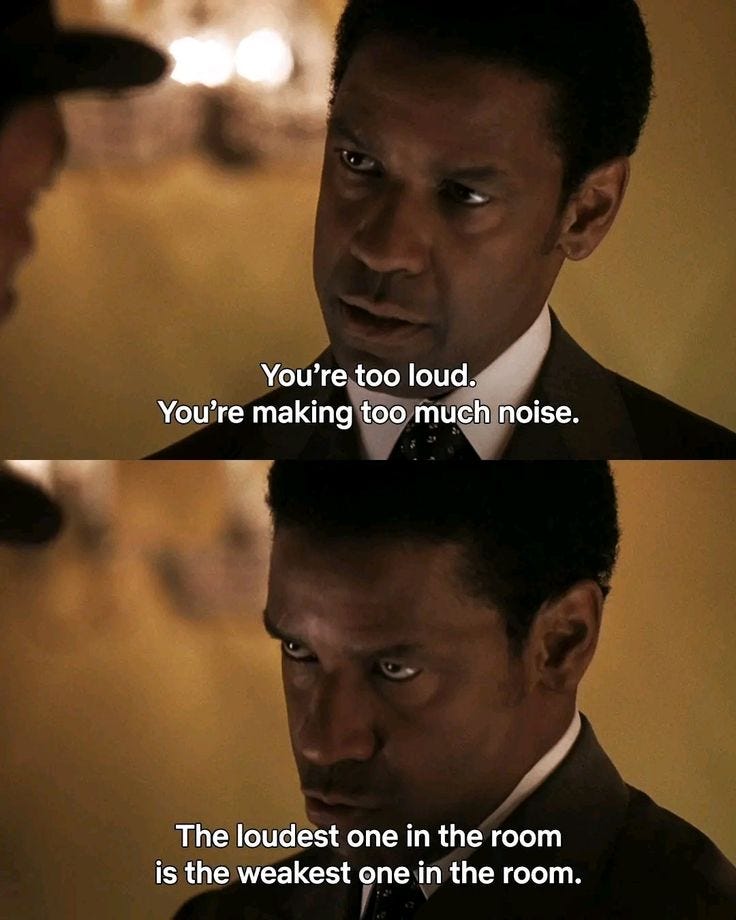
Fear can produce compliance, and pressure can force an outcome. Intimidation can make people fall in line while you are standing in front of them. Sure
But none of those things create loyalty. They don’t make people want to protect your name in rooms you aren’t in, bring you opportunities, forgive your mistakes, or help you win over the long term.
Kindness does.
You know the saying… you catch more flies with honey than vinegar. It isn’t particularly seductive, but the principle holds: people are more receptive to those who make them feel respected.
This doesnt mean becoming a pushover or being phony to manipulate people. It means understanding that how you make people feel becomes part of your operational reputation, and your operational reputation often enters rooms before you do.
Real power lies in becoming the kind of person people genuinely want to work with, support, trust, and see succeed.
You don’t have to bulldoze people to become impossible to underestimate.
You can just move differently.

My bookshelf: fiction, business, psychology, strategy + everything currently making me think.
Being soft does not mean saying yes to everything or becoming a door mat.
It does not mean allowing people unlimited access to you, tolerating disrespect, or ignoring your own needs to keep everyone else comfortable. Thats self-abandonment.
Real softness comes from security. You can remain warm because you trust yourself to respond when something crosses a line.
You don’t need to enter every interaction guarded, suspicious, or prepared for battle. But you do need to know what you will and will not accept.
There is enormous power in being able to say no without becoming cruel.
There is power in disappointing someone without immediately trying to repair their perception of you. (A tough one one for my people pleasers)
There is power in allowing another person to have feelings about your decision without turning those feelings into evidence that your decision was wrong.
Your standards should not disappear simply because you are kind enough to understand someone else’s perspective.
You can have empathy for why someone behaves the way they do and still decide that the behavior does not belong in your life.
Understanding is not the same thing as permission.
Softness determines how you move through the world. Standards determine what gets to remain in it. You need both.

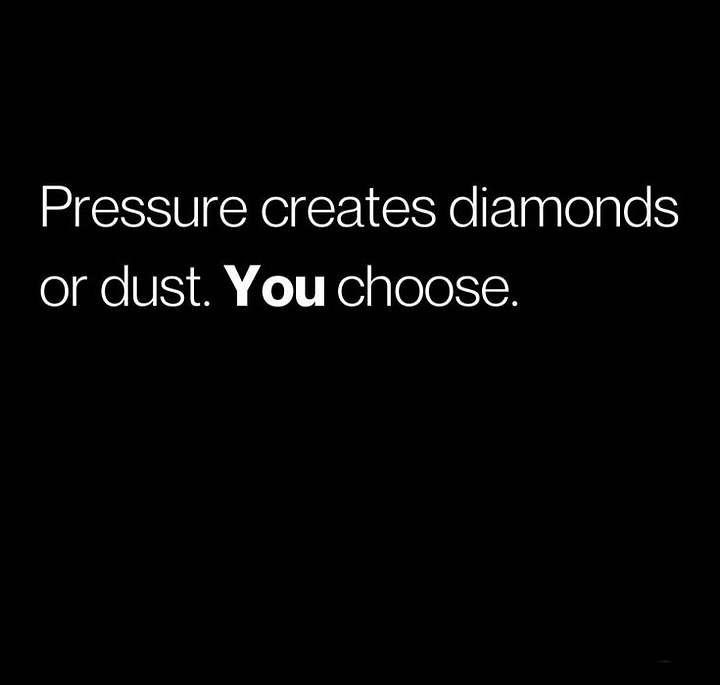
The philosophy of soft power is simple. Practicing it when your emotions, relationships, reputation, or business are on the line is much harder.
For paid subscribers, I’m breaking down the five remaining principles that have changed how I move through rooms, relationships, and business: how to observe without immediately revealing, let competence speak for you, understand people without becoming controlled by them, respond instead of react, and use being underestimated to your advantage.
These are not theories I learned from a book. They are lessons I earned while building a self-funded company, navigating rooms where I was often the youngest or only woman, and learning how to hold power without becoming hardened by it.
Comments
Nothing yet. Say the first thing.
Sign in to join the conversation.