
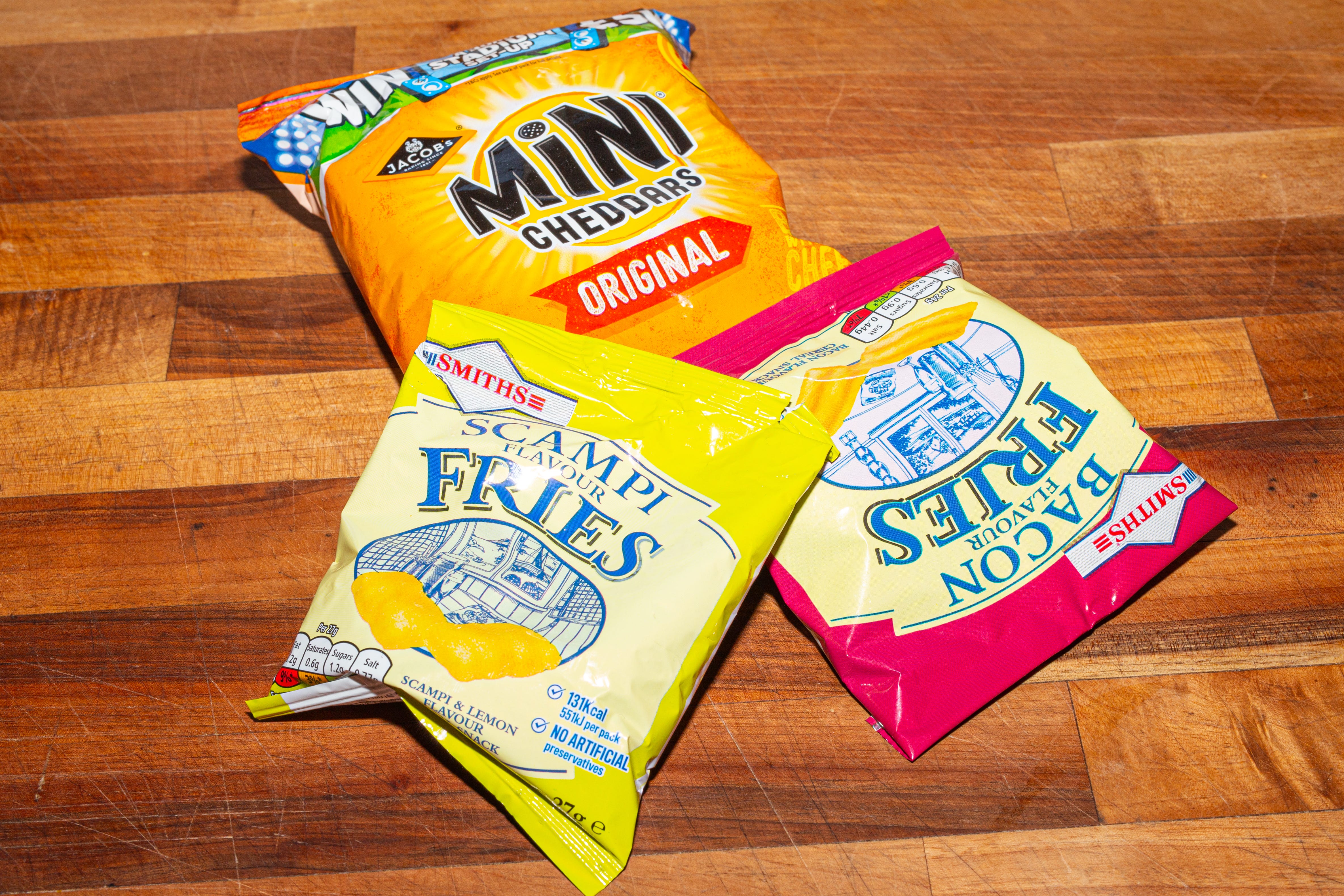
Hey! Just dropping back on to share a few more recipes for home-made pub snacks I developed for a video last week. Scroll down for perfect scratchings, a seasoning inspired by Scampi Fries, and my spin on Mini Cheddars using a cheese I love.
If you want to eat my food IRL, I will be on the pans at Elsa on the 11th and 12th of September cooking a special collaboration menu. Come through! Bookings still available.
To access the full newsletter, recipes and my archive, please consider upgrading, claiming a free post or starting a seven day trial.
I found myself on Wilton Way in Hackney a couple of weeks ago. The street was busy, hot and filled with people who couldn’t fit into the Spurstowe Arms around the corner.
I had spent the day working out how to make my favourite pub snack, Scampi Fries, at home. I had the seasoning powder down - it’s easy enough when most of what you need to know can be found on the back of the packet. But emulating the texture at home is no mean feat. Most crunchy snacks you find in pubs are extruded under insanely high pressures and temperatures, using machinery that cost as much as a small flat - I did check. And while I love investing in a project, it felt like a step too far.
We swerved the ten deep vermouth bar queue, and went to a corner shop to buy cans of premium lager. At the counter they sold Scampi Fries and pork scratchings - naturally it occurred to me that the next day I should try and combine the two to make a mashup. I made the note “scratchings, dusted scampi”.
On a molecular level, scratchings have a lot in common with puffed corn snacks. Both rely on trapping steam inside a matrix, and letting it expand before the structure sets solid. Scampi fries reply on that pressure being created by a machine, but in the case of scratchings, that pressure is created through steam pushing out into the surrounding collagen, which is tough enough to stretch around it rather than tear, leaving you with thousands of little crunchy air pockets once it sets.
When making scratchings, as with pork belly, the only variable worth worrying about is the dryness of the skin. That’s because water has to fully evaporate off the surface before the skin can heat past 100°C, and it’s only above that point that the collagen network can blister, puff, and brown. Wet skin gets stuck boiling off moisture rather than climbing in temperature, so it wastes valuable time steaming instead of crisping. Properly dried skin has next to nothing left to evaporate, so it shoots straight through to the higher heat needed for puffing, giving you a far more reliable, repeatable result.
You might get lucky with recipes that call for oil, or worse still, vinegar, on the skin, but results vary massively because neither reliably shifts moisture out of the skin. Some recipes go for a thick layer of salt instead, which works to a point since salt pulls water out of the skin’s surface through osmosis. Leave it on too long, though, and that draw happens faster at the surface than moisture can migrate up from deeper in the skin, so you end up with a dried, toughened top layer sitting over a still-chewy band before you’ve even started cooking. I dry my pork belly out for at least two days in the fridge, then tend to dry pork skin for scratchings for at least a day before even thinking about cooking it.
Let me know how you get on with the recipes below. I have also added a recipe for my some delicious Mini Cheddar-inspired biscuits made with my favourite cheese, comté.
Comments
Nothing yet. Say the first thing.
Sign in to join the conversation.