
Thank you for opening this week’s newsletter. So excited to have you all here, and I’m so glad to have a space where I can interrogate a recipe - without ever having to say “geek out”. Long may it continue.
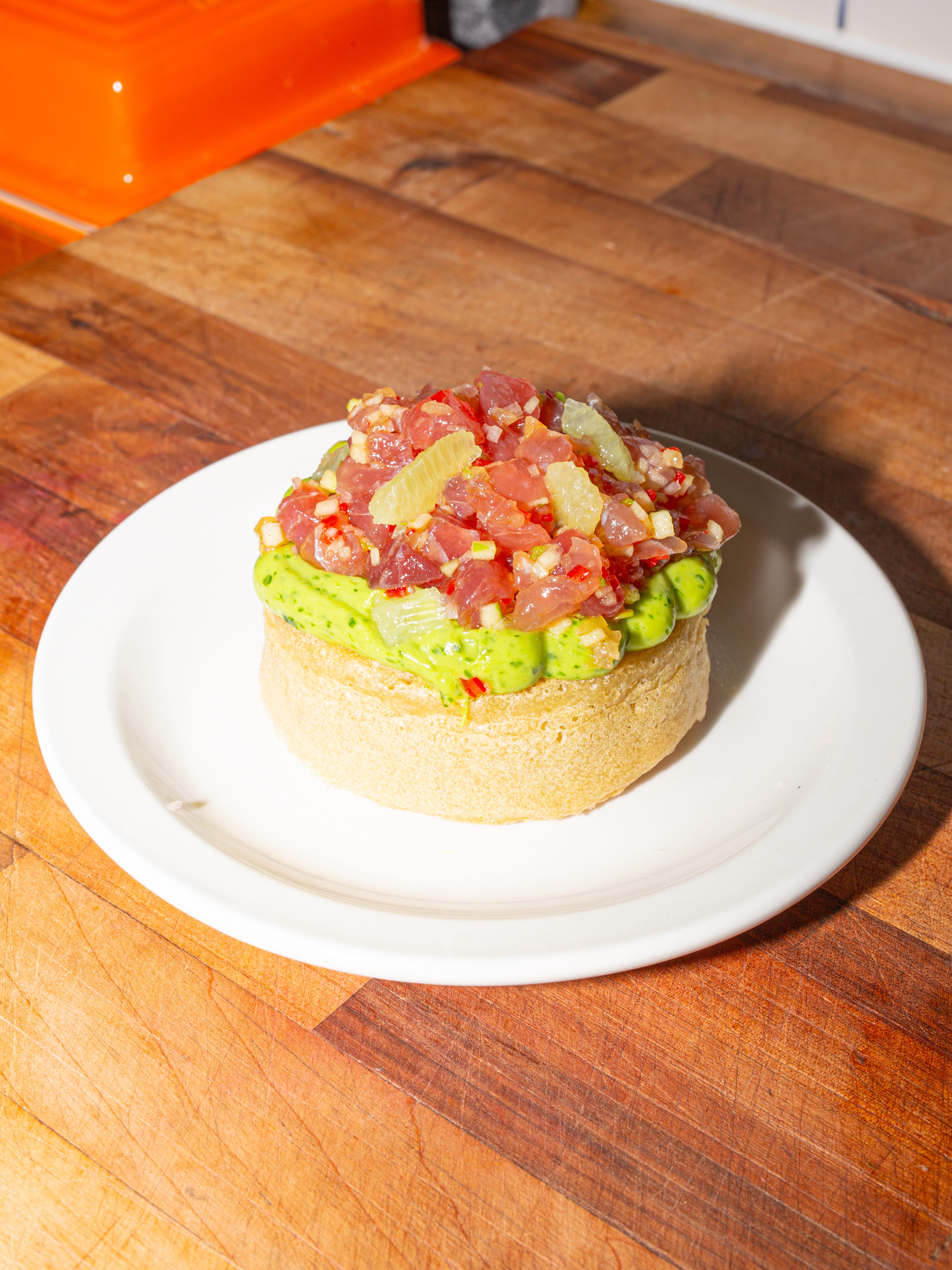
This week I’m getting granular with crumpets - the hows, the whys, and four toppings I think you might be able to learn loads from. Scroll down for a watertight crumpet recipe, a tuna tartare, potted shrimp, duck rillettes, and macerated cherries over orange whipped ricotta.
To read the post in full, along with archive and chat access, you can subscribe, or grab a free trial.
Love, Ben xx
I never really understood the pick n’ mix gambit even when I was at pick n’ mix age. Why would you pick n’ mix sweets, when you could just pick n’ mix once, find the best sweet and get a whole bag of the best ones every other time.
For me it was always Cola Cubes - which didn’t taste much like cola at all. Joseph, my school friend, and year six’s first team goalkeeper, would tend to go for a bag of Clarnico Peppermint Creams. They came in white and pastel green wrappers twisted at each end. He would consume so many that balled up wrappers would fly from his pockets when he pulled out coins to pay for them.
I hadn’t given mint creams much thought since then, until I was late for a restaurant opening a couple of weeks ago. I had taken a wrong turn out of Stratford Station into a maze of pathways built specifically for The Olympics and confusing busy people. I turned onto Clarnico Lane, did a double take, thought of Joseph and gave it a quick Google. Clarnico Peppermint Creams had been made at the very site where I was due to eat that evening.
At its peak, between the World Wars, 3,000 people were employed by Clarnico to make over 700 varieties of confection in Hackney Wick. It’s said that everyone in the area had at least one person in their family who was in the business of pick n’ mix. On Fridays, workers could buy sweets at cost price to take home to their families. It was, in its own small way, a democratisation of sweetness.
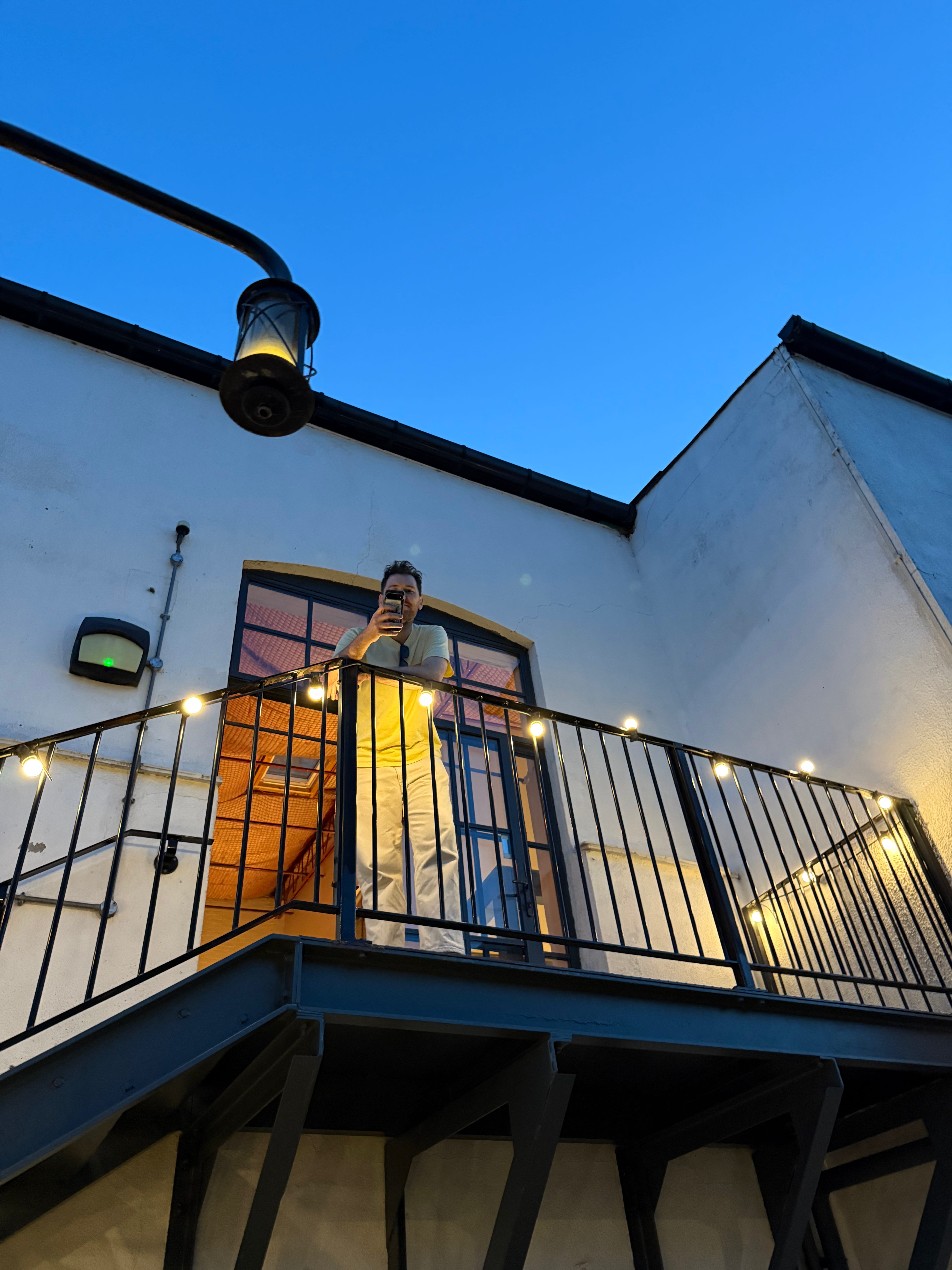
After the factory relocated in 1955, it became a print works, then fell into disrepair before being sanitised in time for The Olympics in 2012. Industrial decline was at odds with the organiser’s vision. Overhead power lines were buried, industrial drains became clean rivers and soil contaminated with everything from human remains to a worrying amount of mercury became picture-perfect wetlands. The factory was named “The White Building” by an architecture firm responsible for installing two retired fighter jets in the Tate Britain’s Duveen Galleries a couple of years earlier.
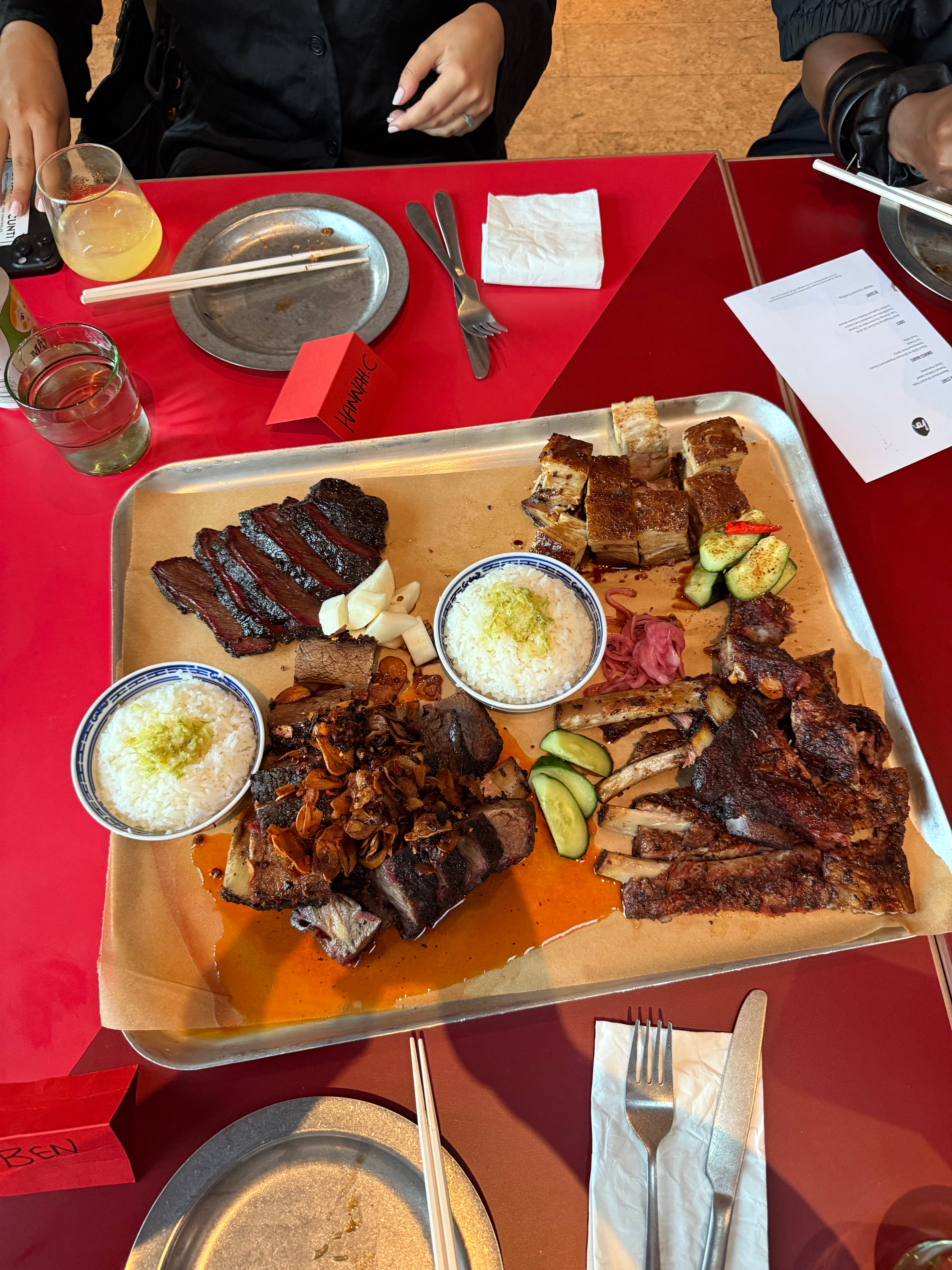
We sat on long red-lacquered tables at Hon’s BBQ - a new opening with “Texan BBQ at its core, but layered with Asian influence”. Slices of pink duck breast came first, sliced and ready for stuffing into pancakes with a hoisin sauce that tasted as if it may have got the Texan treatment too.
Meat cooked over fire is nothing new in Hong Kong, so the proposition didn’t feel like much of a stretch. The only variable that Hon changed was time. A peking duck can be rendered, lacquered and off the hook within an hour or so. Here, the smoke had hours to work its way past the skin and into duck. Glassy skin was sacrificed for a buttery layer of melting smoked fat that dressed each mouthful.
Mounds of slow smoked meat followed, tarred and feathered with chilli oil and crispy garlic chips came next. Instead of thick sliced white bread, sticky rice arrived to mop everything up.
The last time I had been in the White Building it had then been Silo, the world’s first zero-waste restaurant. At the time, it was one of the most interesting places to eat in the city. They took cheese rinds from the pizza restaurant downstairs and turned them into a garum, in much the same way fish sauce is made. It tasted almost synthetic, like licking your fingers after a big bag of Cheetos. Fig leaves were harvested from the trees outside to make a fig oil, which sat in a divot pressed into glossy balls of ice cream. The surface of the oil split light into colour, the way an oil slick does on a wet road. “It’s the same physics behind soap bubbles,” I was told by one of the chefs at the time.
In the Uber home, I thought about the lack of bread at Hon’s and how I was glad for it. I thought about the fermentation programme at Silo and how it had inspired so much of my work over the last year. I thought about bread, and bubbles, and bread with bubbles. I wrote the note; “fermented crumpet batter, nail.”
I love a crumpet, and summer is a great time to make them. They rely on batter high in yeast that benefits from sitting at around 25°C and, for reasons I try not to think about too hard, there are now at least three months of the year that my living room reaches those heights.
Comments
Nothing yet. Say the first thing.
Sign in to join the conversation.