
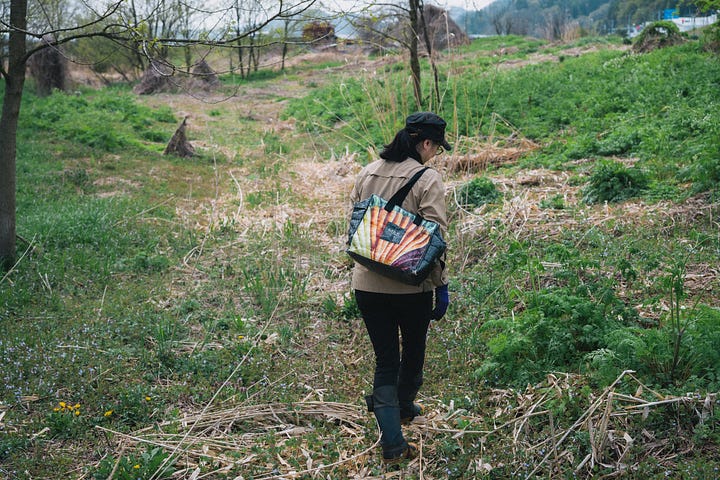
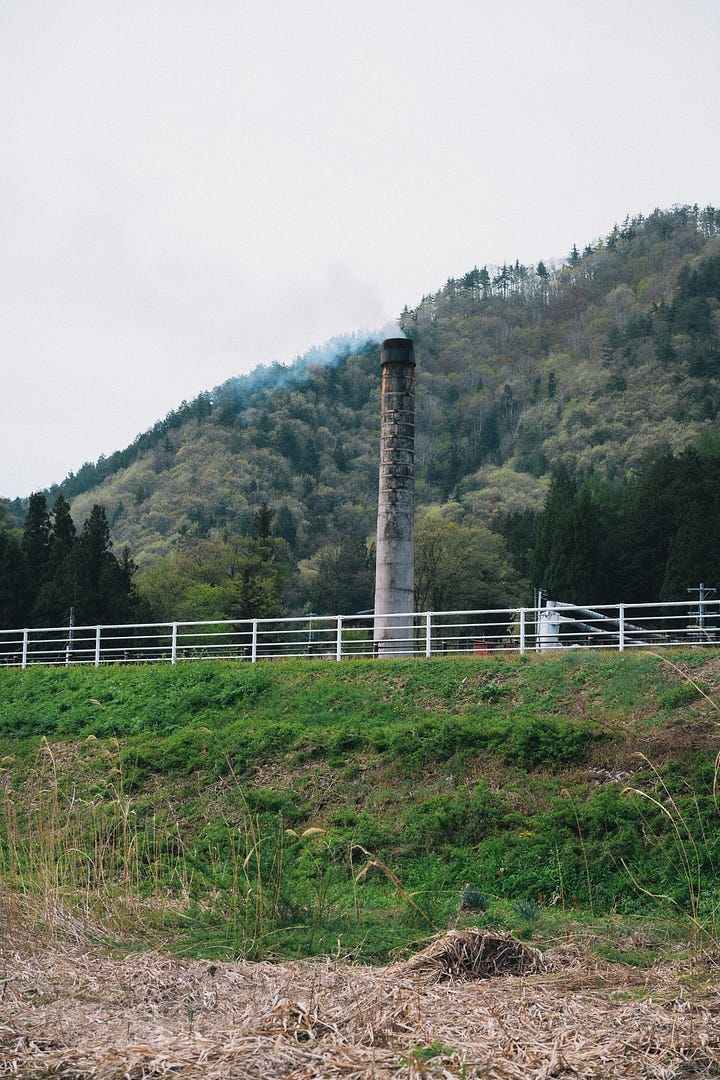
I was standing in the brush where, not 50 meters away, trucks and cargo vans were careening past on the mountain highway. All around me, mountain peaks and lush forests were off in the distance. To my right, a smoke stack whose white clouds were billowing out. To my left, a small stream whose trickle was just audible beneath the sounds of the highway. In front, chef Keiko Motozawa, who was kneeling down inspecting the earth.
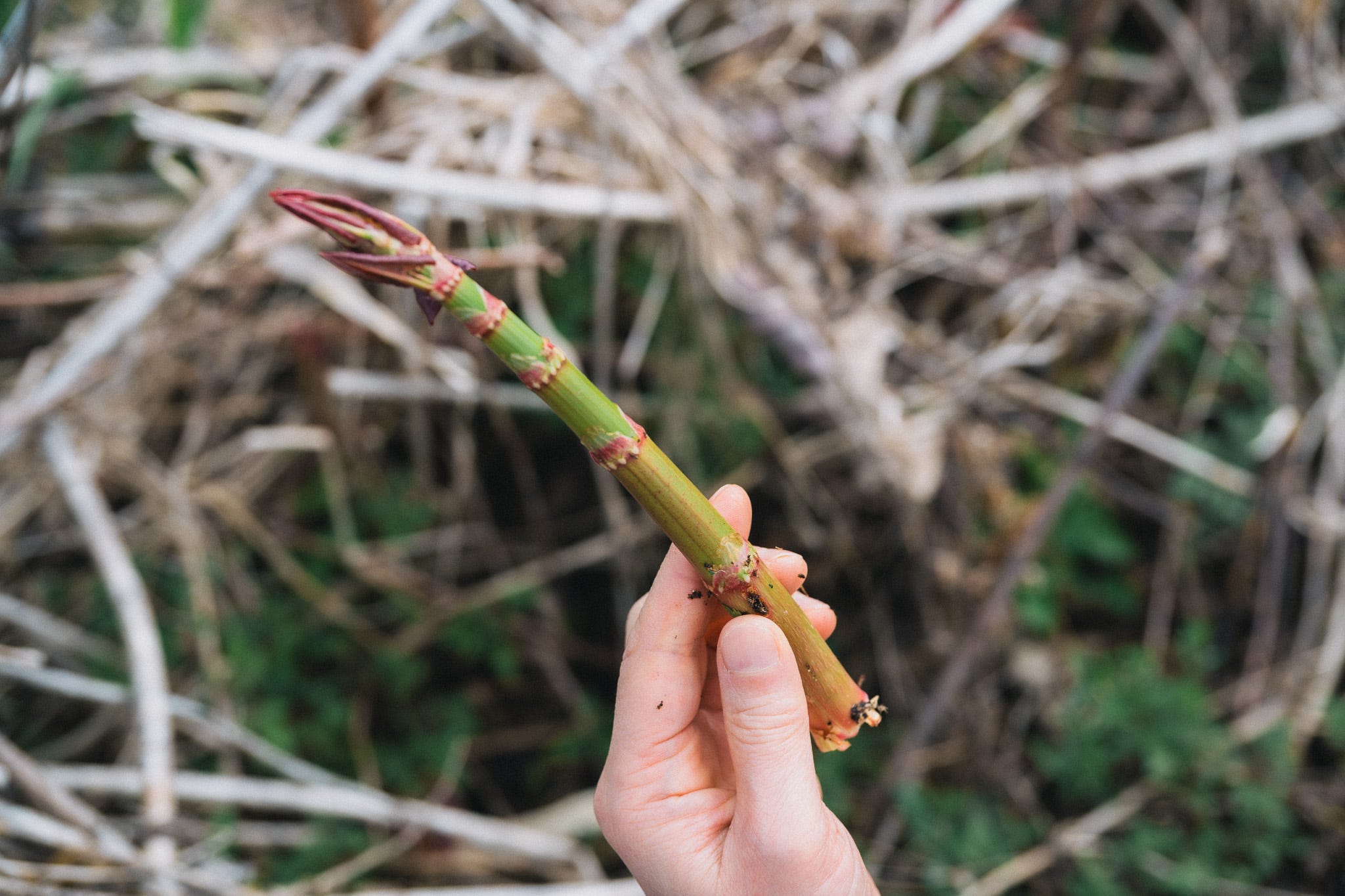
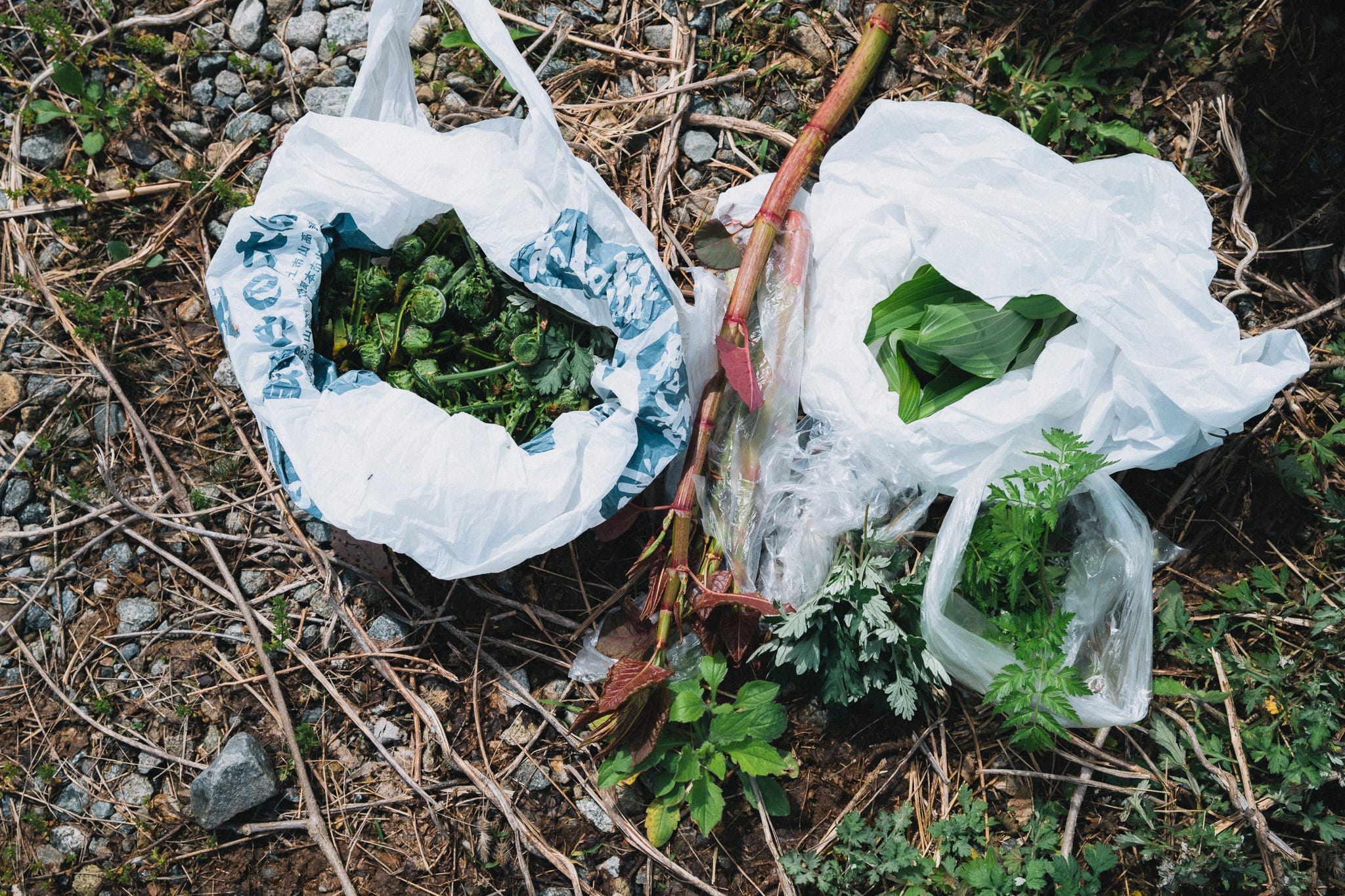
“See how this one has ants crawling on it? It means there are sugars...it’s sweet.” She said, pulling out her knife and releasing a knotweed stalk from the ground, handing it to me for closer examination. It was long, like a small bamboo adjacent, with a red-ish hue at each joint.
We were out foraging for the day’s pick and what would be my meal later that night. The earth was soft and damp from the evening’s rain. The trees were still mostly bare, though some had electric green buds starting to appear. There were other signs of life, too, small shoots and greens showing against thickets of brown.
Admittedly, when I hopped in her car earlier that morning, I imagined we’d end up in a remote unscathed slice of paradise that somehow, just somehow, nobody else knew about. Instead, we pulled off at a small roadside patch not 20 minutes outside of Takayama. This wasn’t the first time my expectations didn’t quite match reality.
I met Keiko on a cold winter night last November. It was my first time in Takayama, hell, my first time in Japan. I was in Takayama because I wanted to be in the mountains, the Japanese Alps, or so the area is sometimes called. Removed from the density of Tokyo and Osaka I figured there would be some kind of refuge. And food. Rustic food. The kind of food that pairs well with snow and hot springs.
My assumption of the area, given that it was tucked up in the mountains in Central Japan, was that its restaurants would showcase the region’s bounty. Probably some mushrooms or something, right? Roots and herbs and fungus that I’ve never heard of before. Maybe even some ferments. Though my knowledge of Japanese gastronomy was practically non-existent, so I didn’t really know what I was talking about. But in my searching I came across Keiko’s restaurant, The Caprice, a small five seat counter that seemed to fit the bill.
Keiko grew up in Osaka, but adulthood took her to London for twenty or so years — first in finance, then gradually into the orbit of the city’s restaurant world through a loose crew of chef friends and food enthusiasts. On yearly trips back to Japan she’d travel the country eating, and one such trip brought her to Takayama and a meal at Hida Kisetsuryori Sakana.
Sakana sits somewhere between kaiseki and a European prix fixe — Chef Hayao Imai is a bright and eccentric master forager who has spent over thirty years stomping around the mountains of Gifu Prefecture, bringing whatever he finds directly to the plate. Something about the restrained simplicity of the cooking got under her skin. She quit her job, moved back to Japan, and spent seven years apprenticing under Chef Imai. In 2019, they earned a Michelin star for Hida Kisetsuryori Sakana. Eventually she thought it was time to bring her own experiences and world view to the table, so she opened The Caprice.
When I asked her if she’d be open to taking me out foraging, she told me to come back in the spring.
“What makes foraging in spring so special?” I asked, surveying the ground for green shoots.
“It’s a nice feeling,” she replied, carefully walking through the tall grass, “picking life after winter, the long winter in Takayama. We eat these shoots in spring because we have fatty food in the winter, not fresh food.”
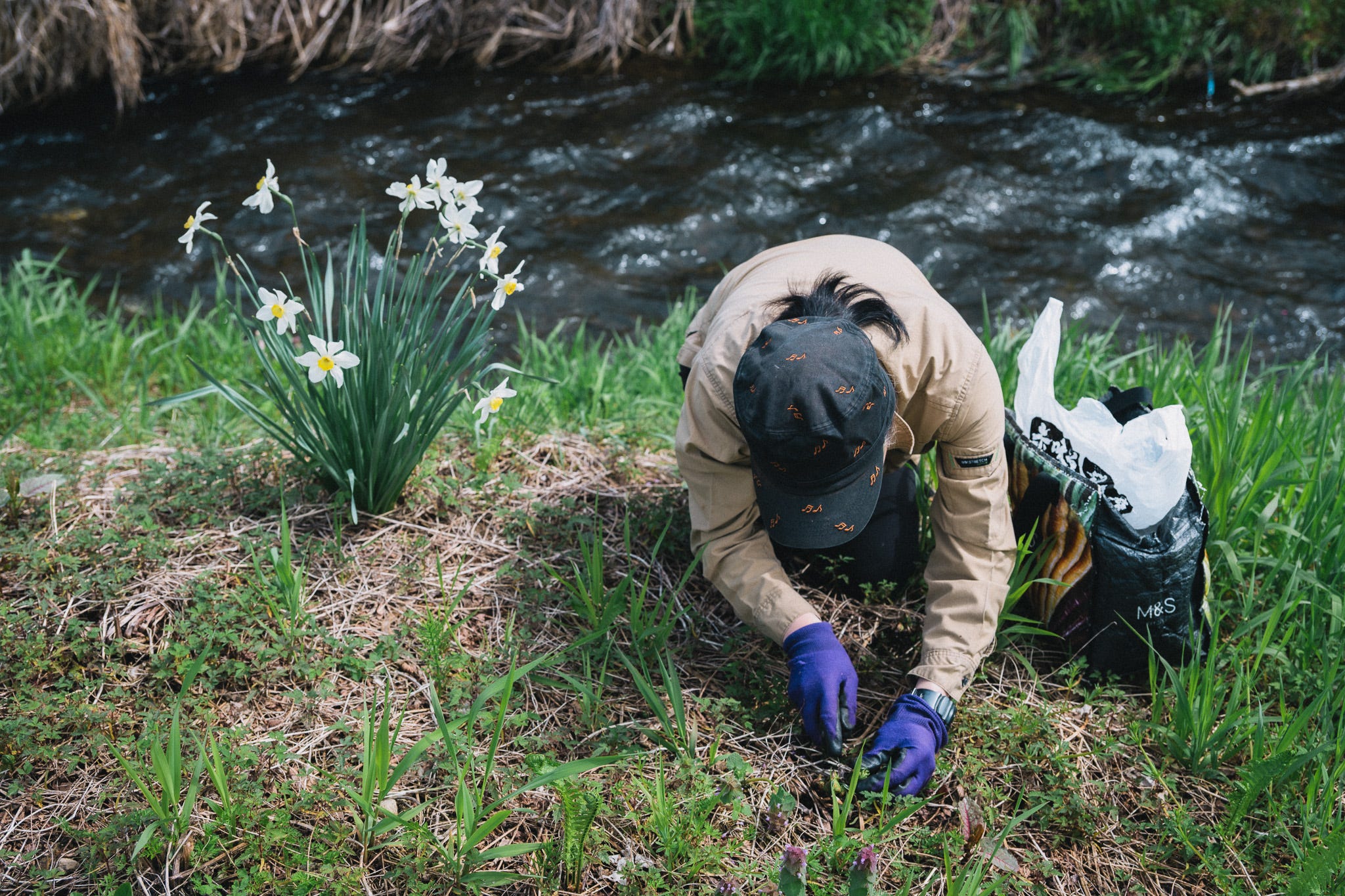
We were looking for fiddlehead ferns, vibrant shoots that are in the process of unfurling themselves. But we were looking for them properly furled, still sweet and not yet embittered by days in warming air.
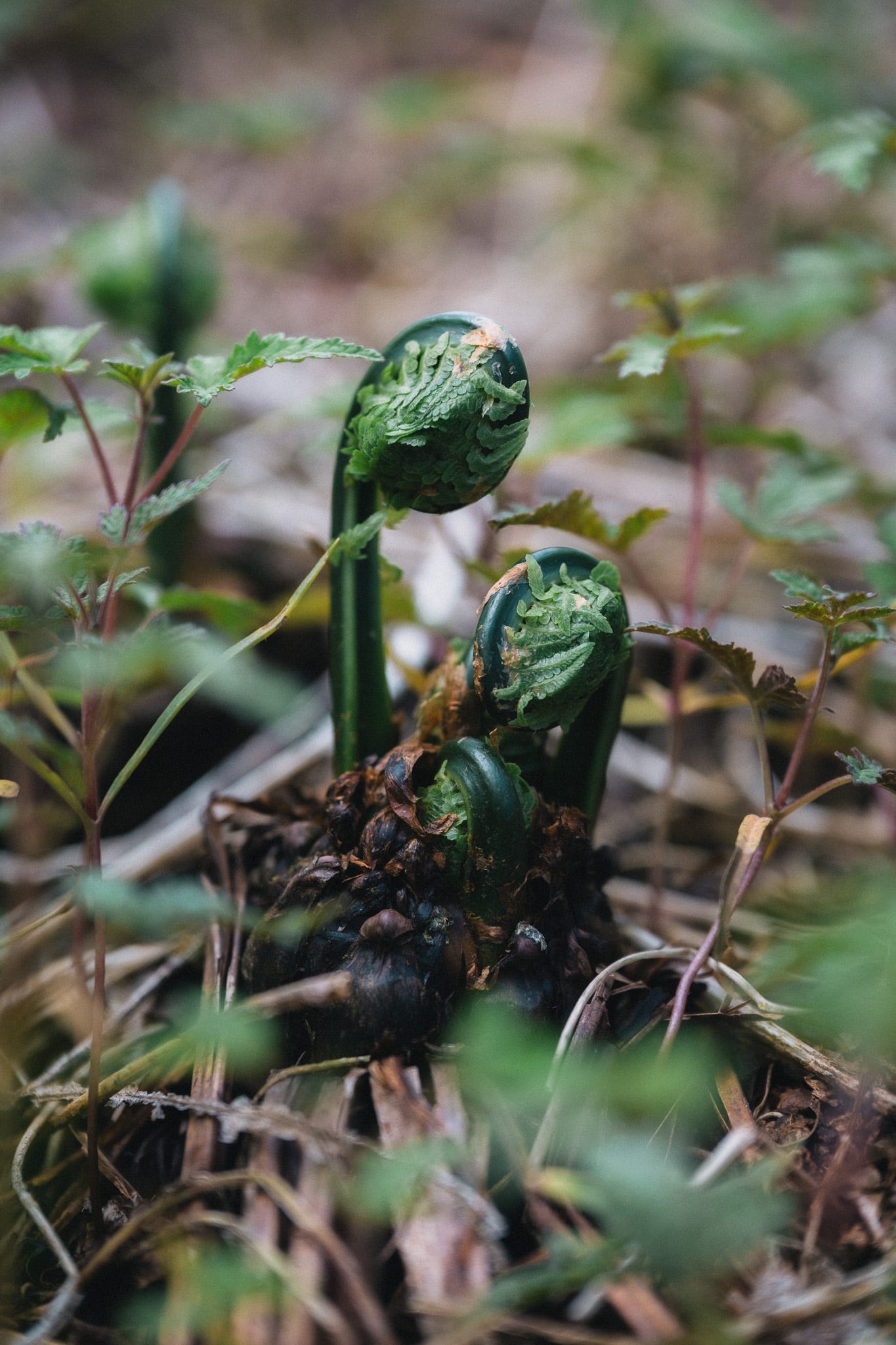
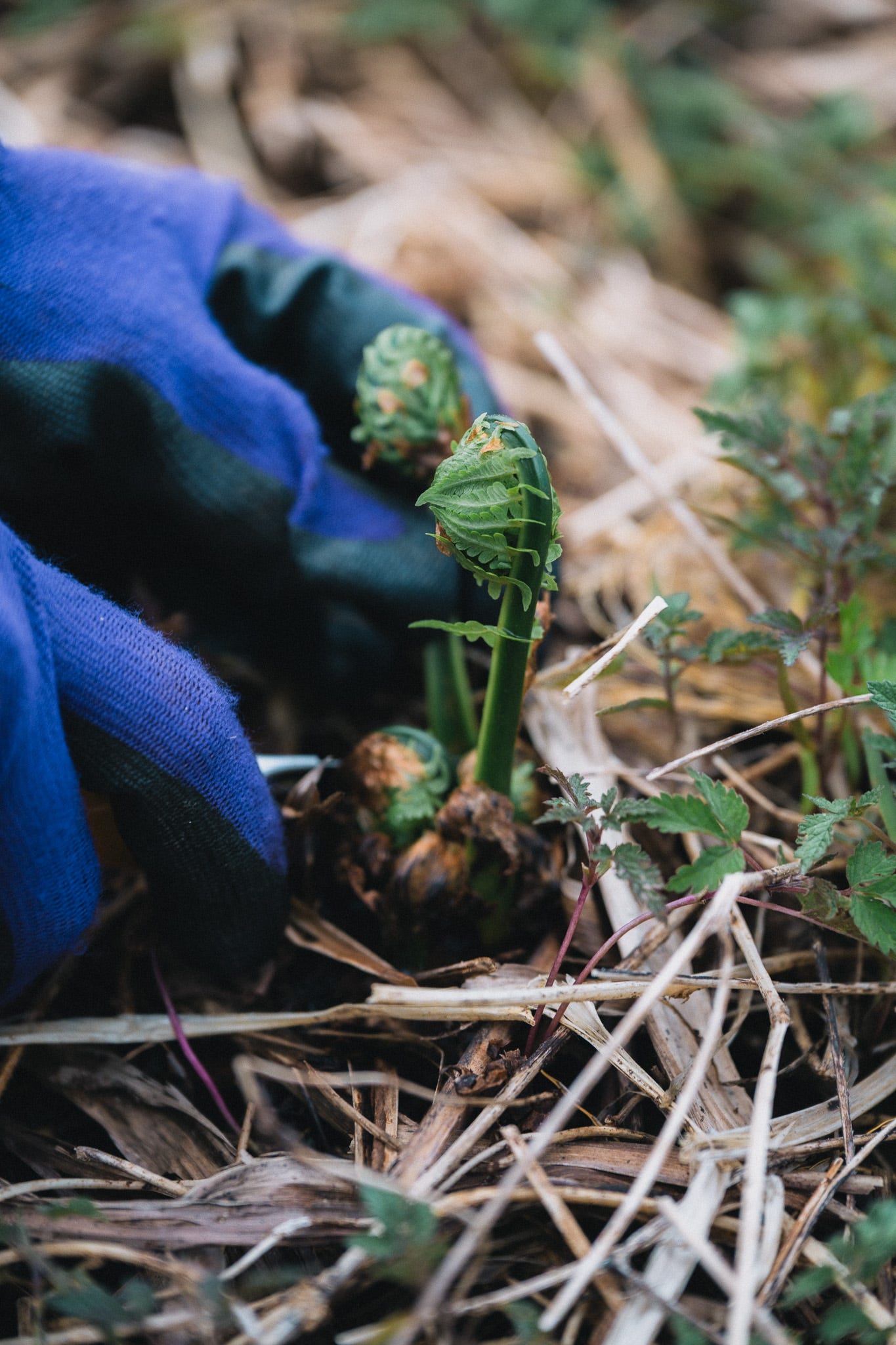
Suddenly she knelt down, and pulled out her knife, cutting the small furled fiddlehead from the ground, “It’s a detox, to cleanse your body.”
Within a few minutes, once I knew what I was looking for, I started to point out all the fiddlehead clusters I could find. One here, another over there. With each cut, Keiko would place the haul in plastic bags, and move on to the next handful I’d point out.
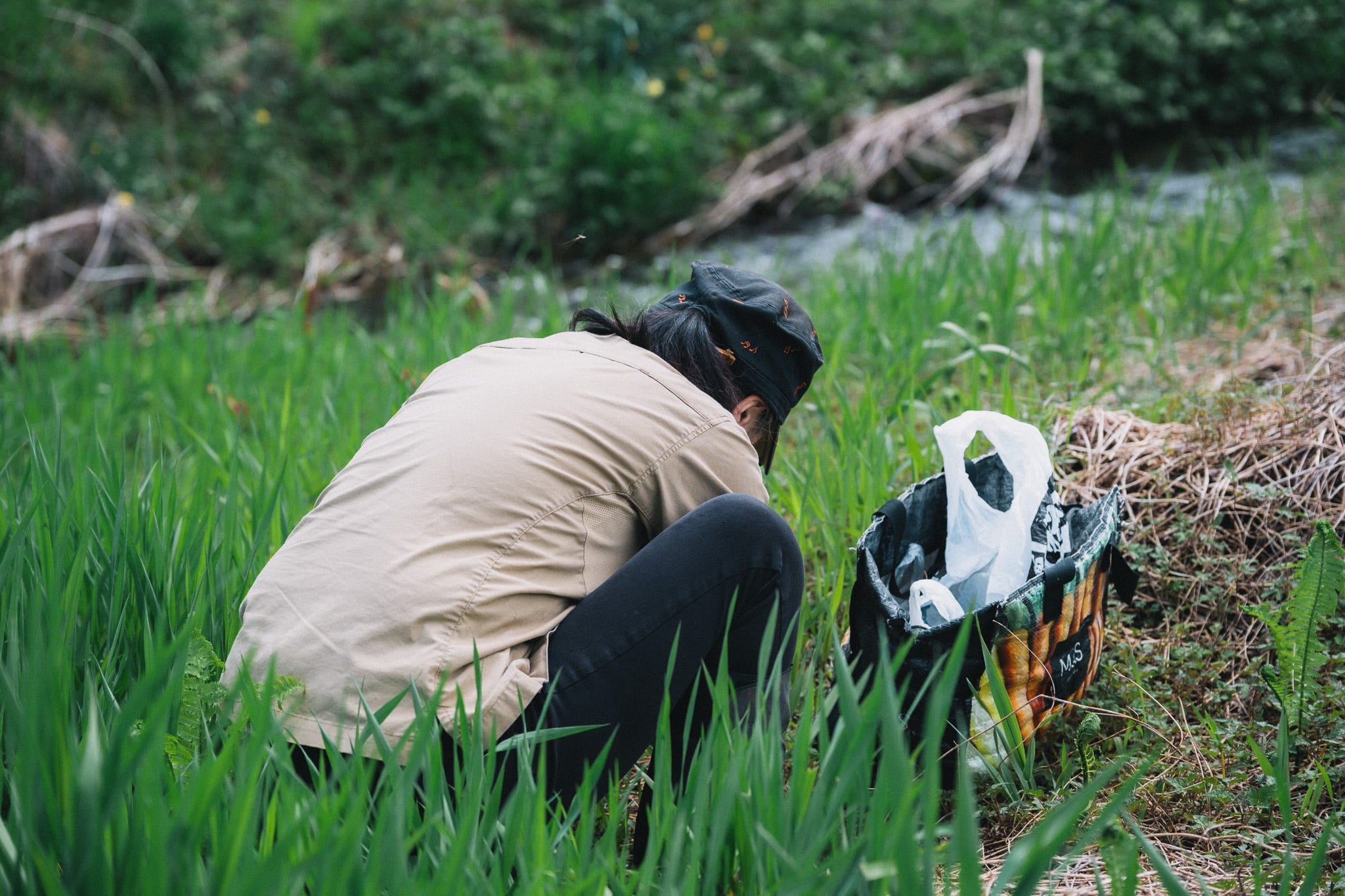
“It’s kind of addicting,” she said, kneeling down by the creek, “you keep looking for more, you find success and you’re like, oh there’s got to be more. You can easily spend hours.”
This is a near daily ritual for Keiko. A reservation only restaurant lets her be more impromptu with planning. Each day, knowing the head count for the evening, she knows how much foraging needs to happen.
“Do you have a different relationship with food that you’ve foraged? Instead of what you buy at the store.”
“Hmm, no, for me it’s one package, the same thing.”
I was expecting a more romantic answer. Like how foraging connected her more to the earth. Or how foraging warns of the changing climate. How it hones and sharpens her creativity. In her tone there was excitement, a joy that comes from stomping around and getting your hands dirty, and respect for what the land offers. But there was also a practicality, a sensibility of what it means to exist in the world today. Maybe that says something about Japan, I thought, as the ground crunched under foot.
Another truck zipped past us on the highway.
“Mountain carrot,” She said, stopping to pluck some from a patch of green on the way back to the car. “The flower will be pretty for your salad later.”
After Keiko dropped me off in downtown Takayama, I had a few hours to kill before meeting her back at the restaurant to feast on the day’s haul. So I decided to walk the city.
Takayama is small, easily walkable by the curious. It’s bifurcated by a river — on one side the Showa-era old town, on the other, everything else. Most of the walking hugs the river, where all the shops, restaurants, and most importantly, sake breweries, reside. This is the area where lore still clings to the streets and the buildings.
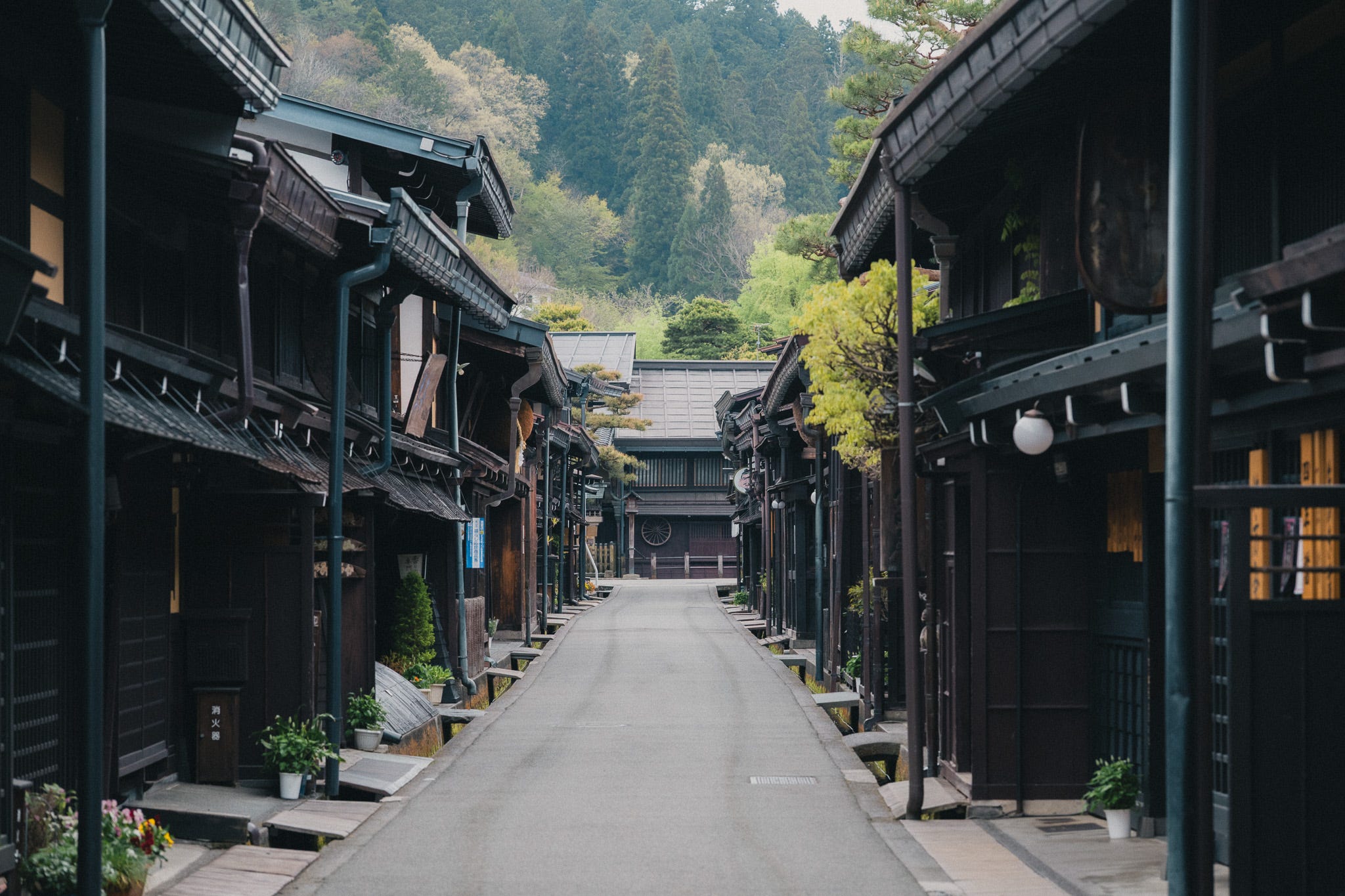
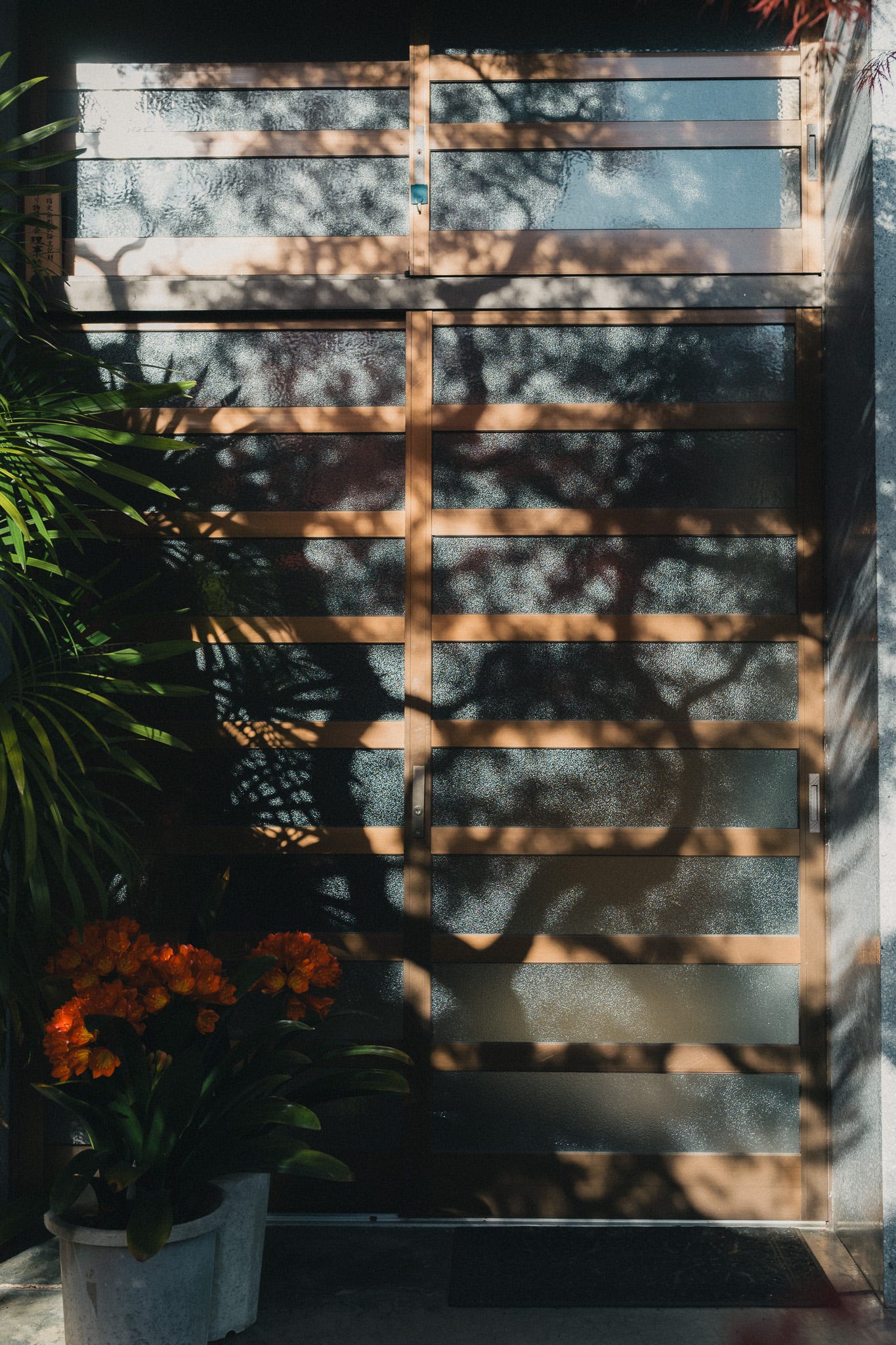
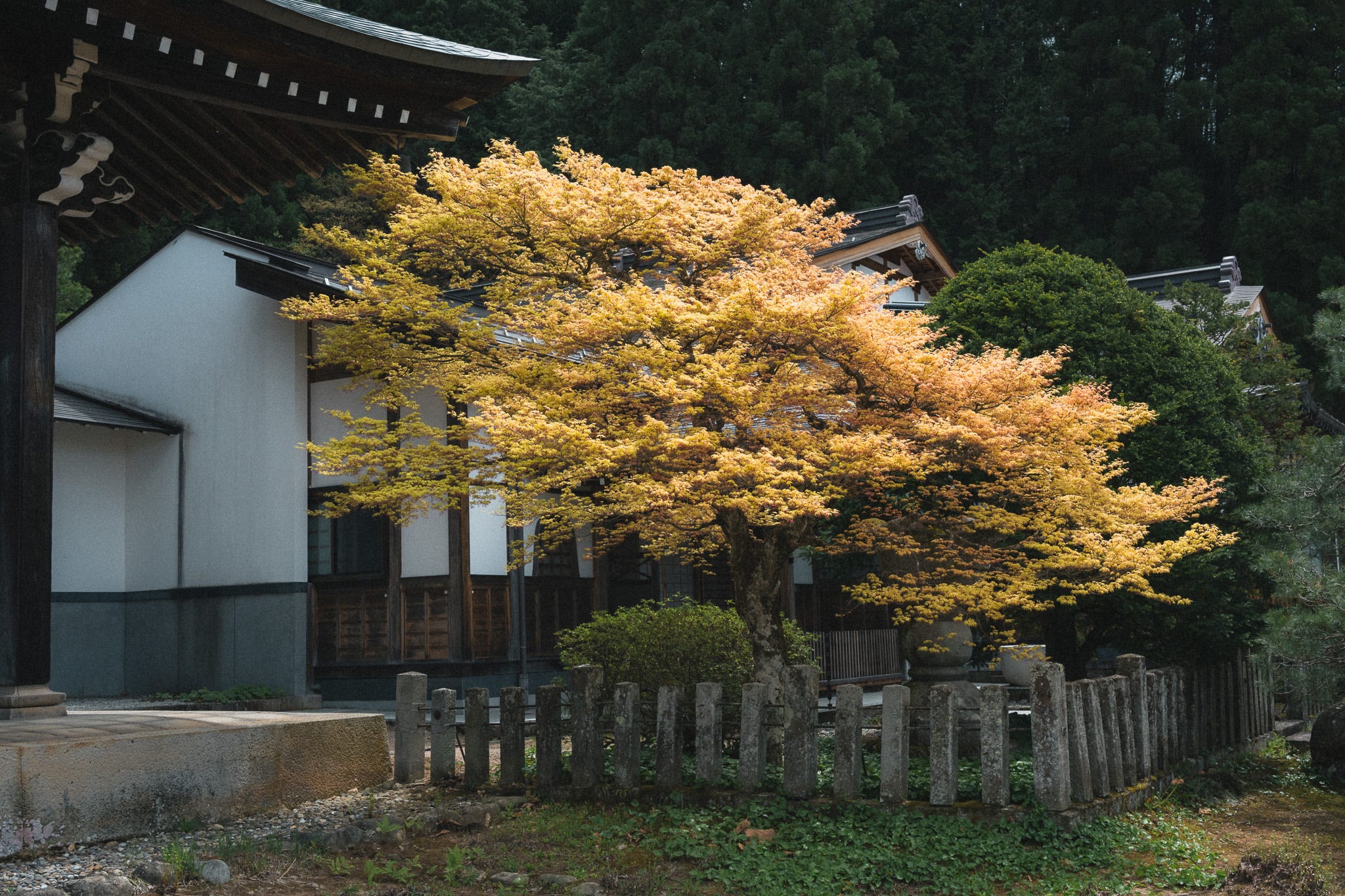
But if you stretch a little farther out, you start to find a different version of Takayama. I walked by a school, an abandoned hospital, Shinto shrines marked by their torii gates, a shopping mall, and even a Uniqlo. Seeing the Uniqlo made me laugh. I shouldn’t have been surprised.
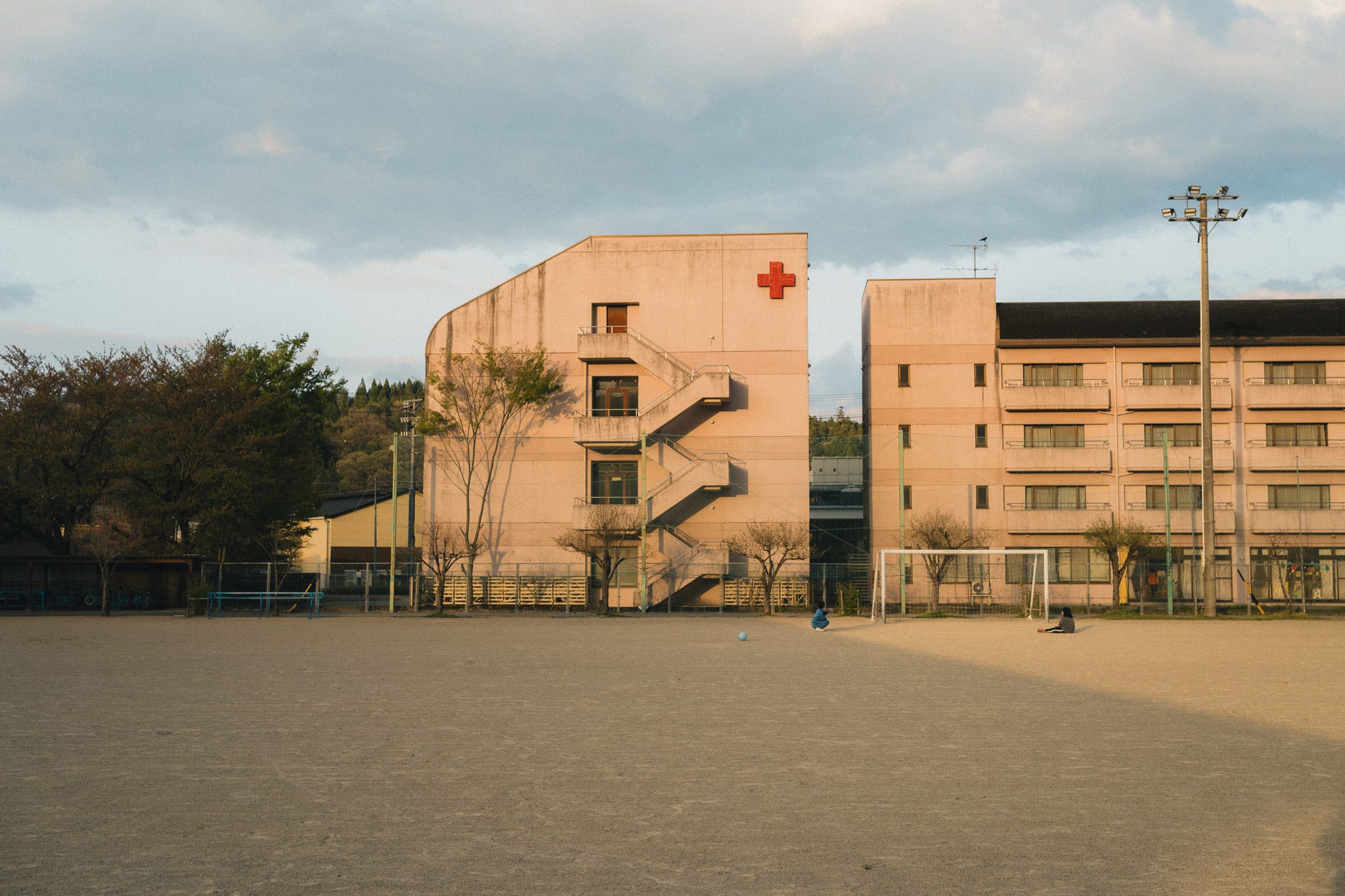
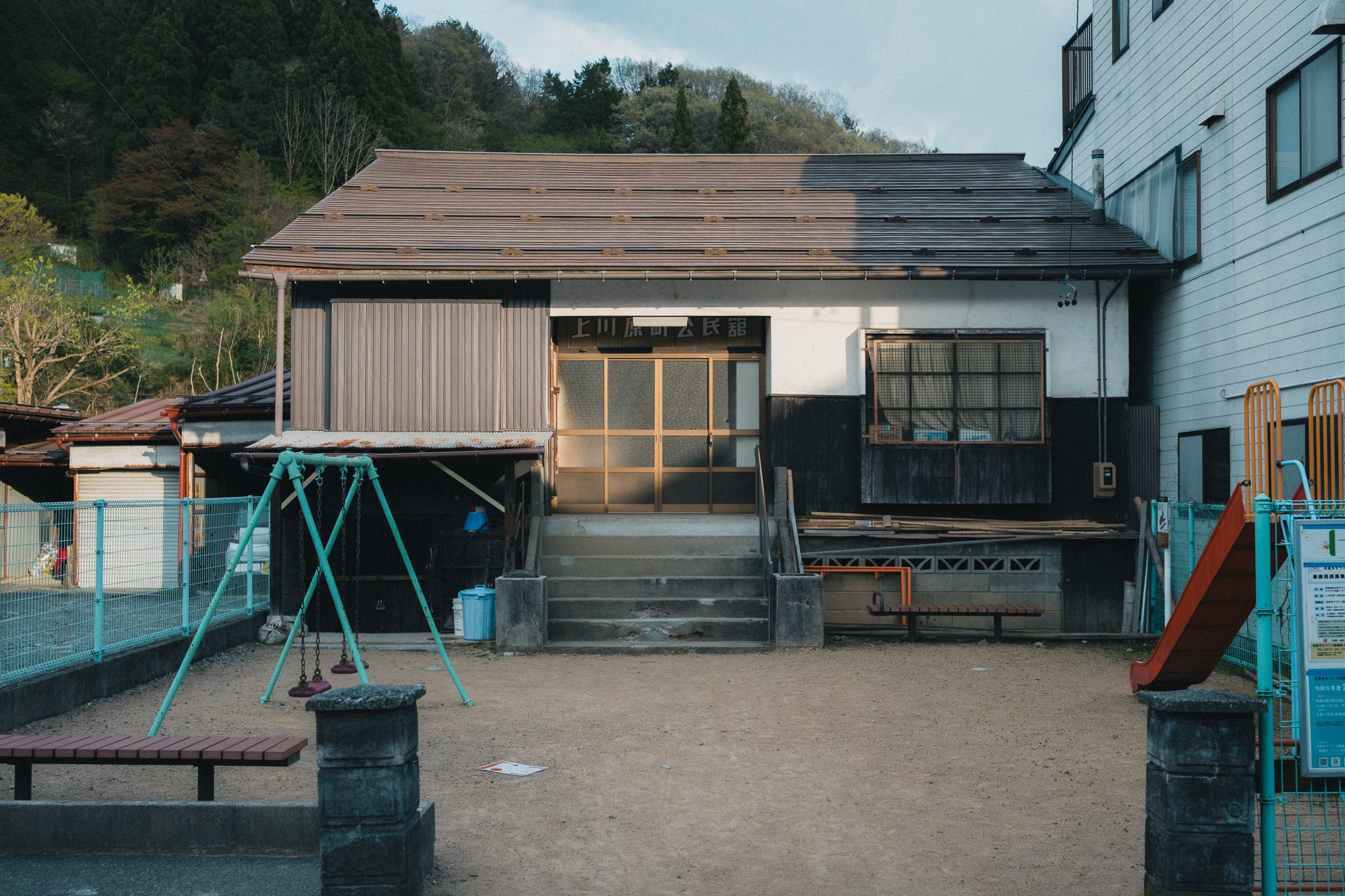
Japan does this to you. Each time I’ve been here I’ve felt it — the friction between what was and what’s arriving. Konbini egg sandwiches and kaiseki restaurants. Bullet trains and gas trucks. Vinyl listening bars and posh 50th floor cocktail bars. It would be easy to read as contradiction, but it doesn’t feel like one. Rather a reflection of our own humanness, trying to navigate the stretching arms of modernity.
Eventually I made my way back to The Caprice, peckish and ready to dine on the morning’s haul. The restaurant is small and cozy, low-lit, intimate. It used to be a snack bar, she explained.
I was the only guest that night, and Keiko was the only chef. She moved quietly and efficiently behind the counter.
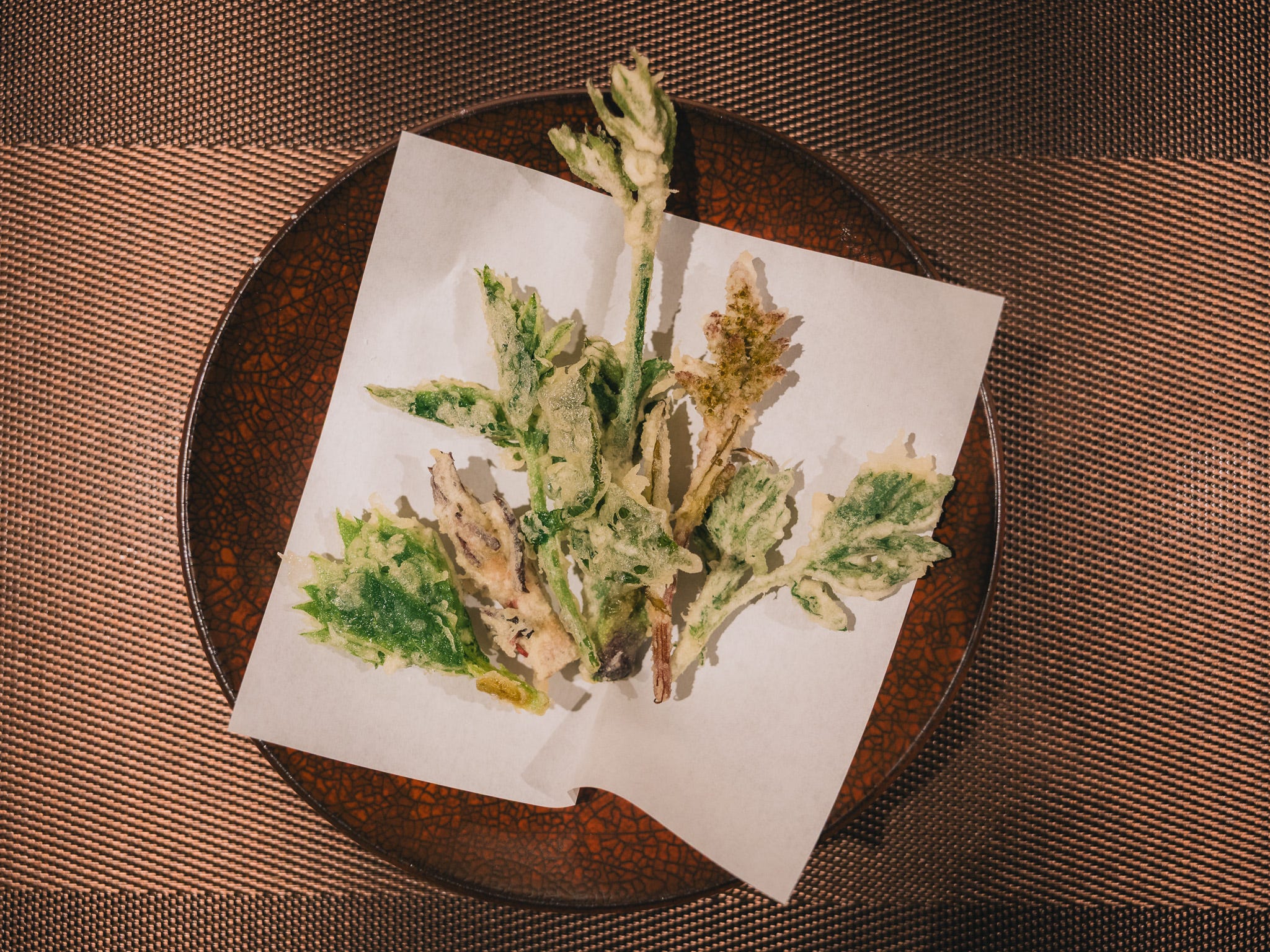
The meal opened with river trout, pickled wild garlic, a few foraged vegetables, and prosciutto. Then the tempura, a simple type of cooking meant to highlight ingredients. On the plate was an assortment of greens I recognized from that morning: sorrel flower, wormwood, fiddlehead fern, and knotweed. The knotweed surprised me, probably because I had held it earlier that day. It tasted bitter but also sweet, not dissimilar to rhubarb.
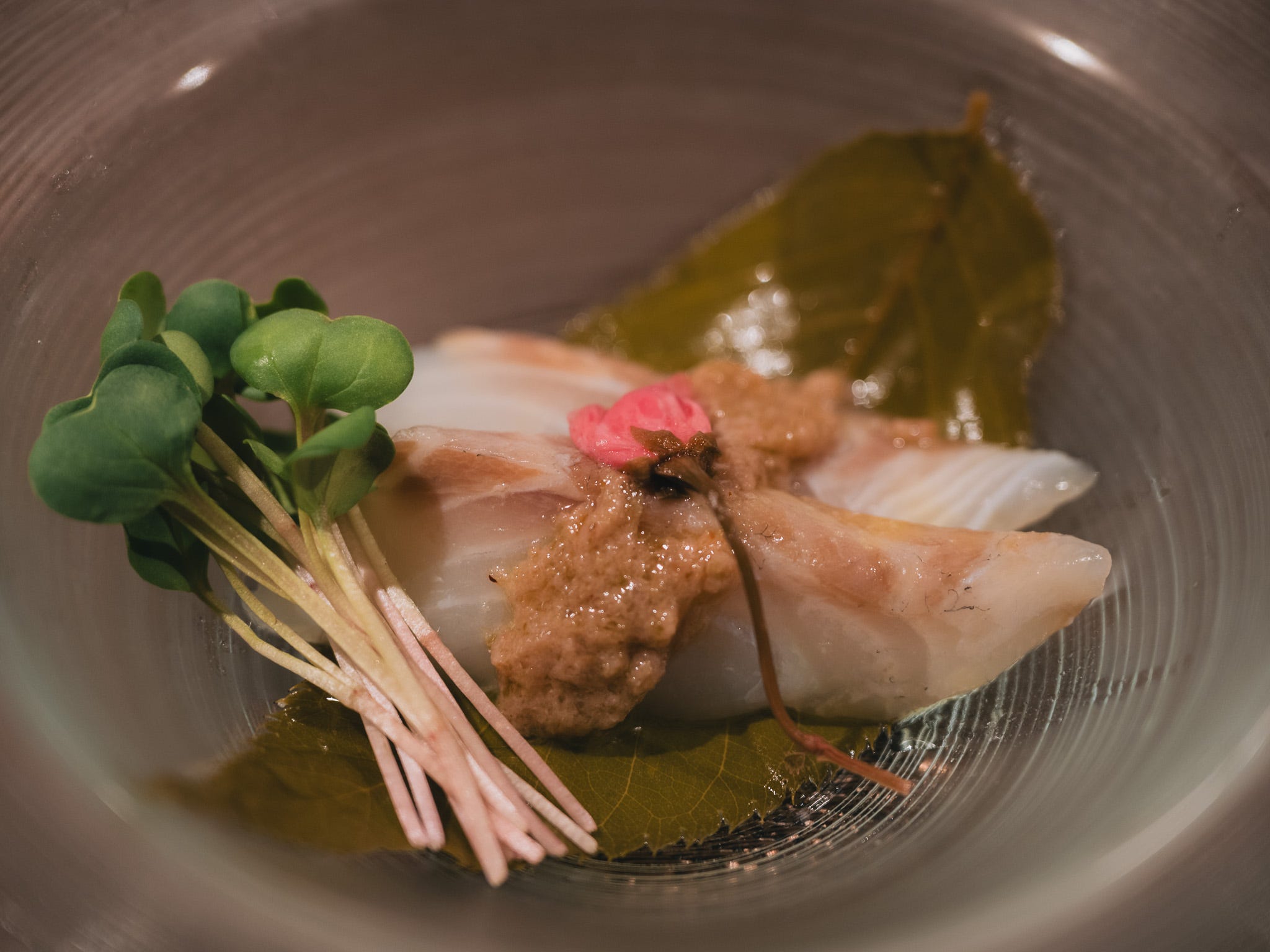
Then sous vide sea bream from Kanazawa, with a pale pink cherry blossom sauce, a single blossom resting on top. The most visually precise dish of the night.
Next, Keiko brought out a small tabletop fire — a tea candle beneath a magnolia leaf, miso and wild vegetables resting on top. I watched as the miso charred and a deep, rich smell filled the room.
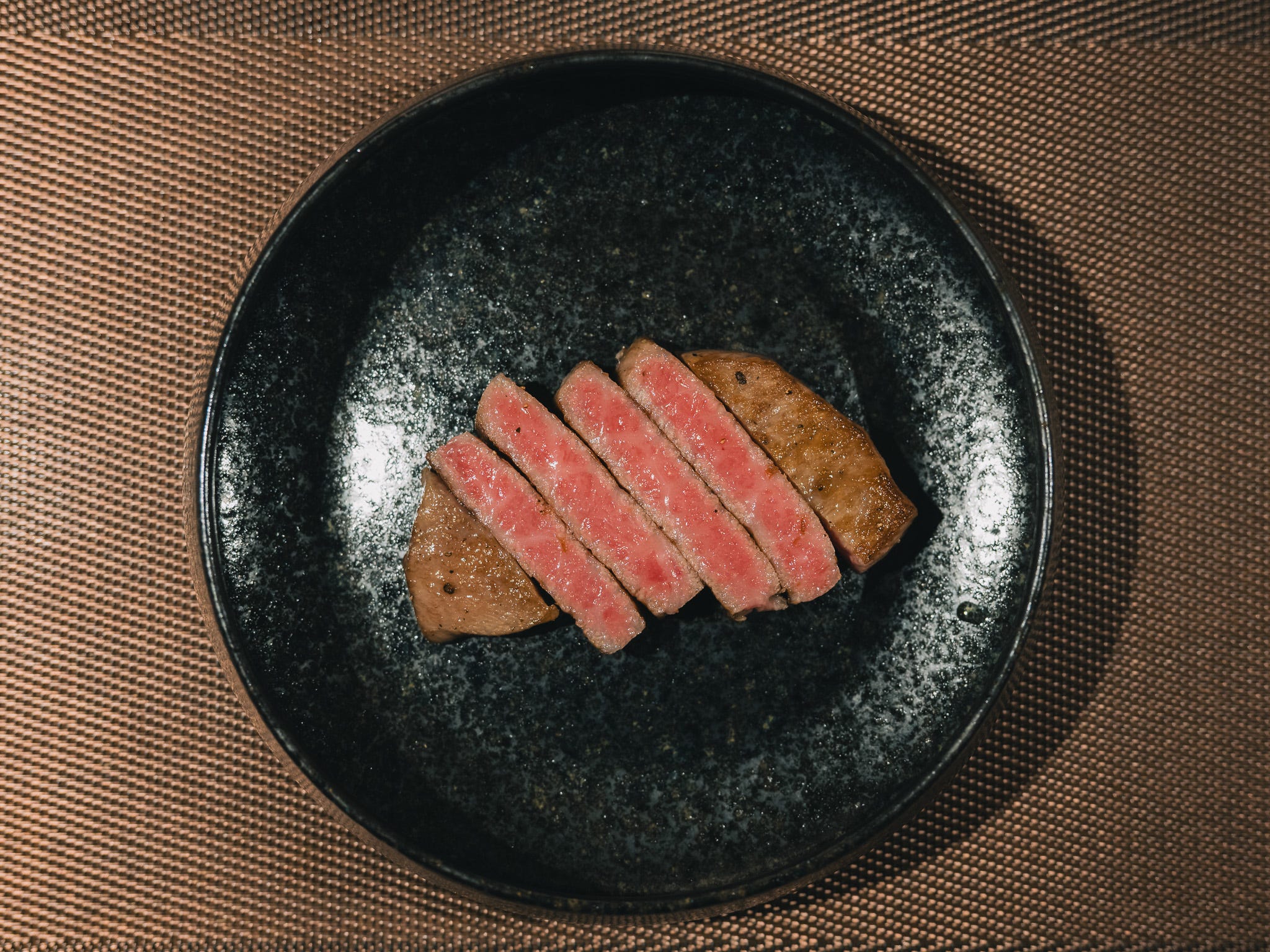
Hida beef made an appearance, of course. Lightly seared, melt-in-your-mouth. She mentioned it was mostly for the tourists — every restaurant in Takayama has to have Hida beef. The real thing was the wild garlic paste alongside it, sharp and green.
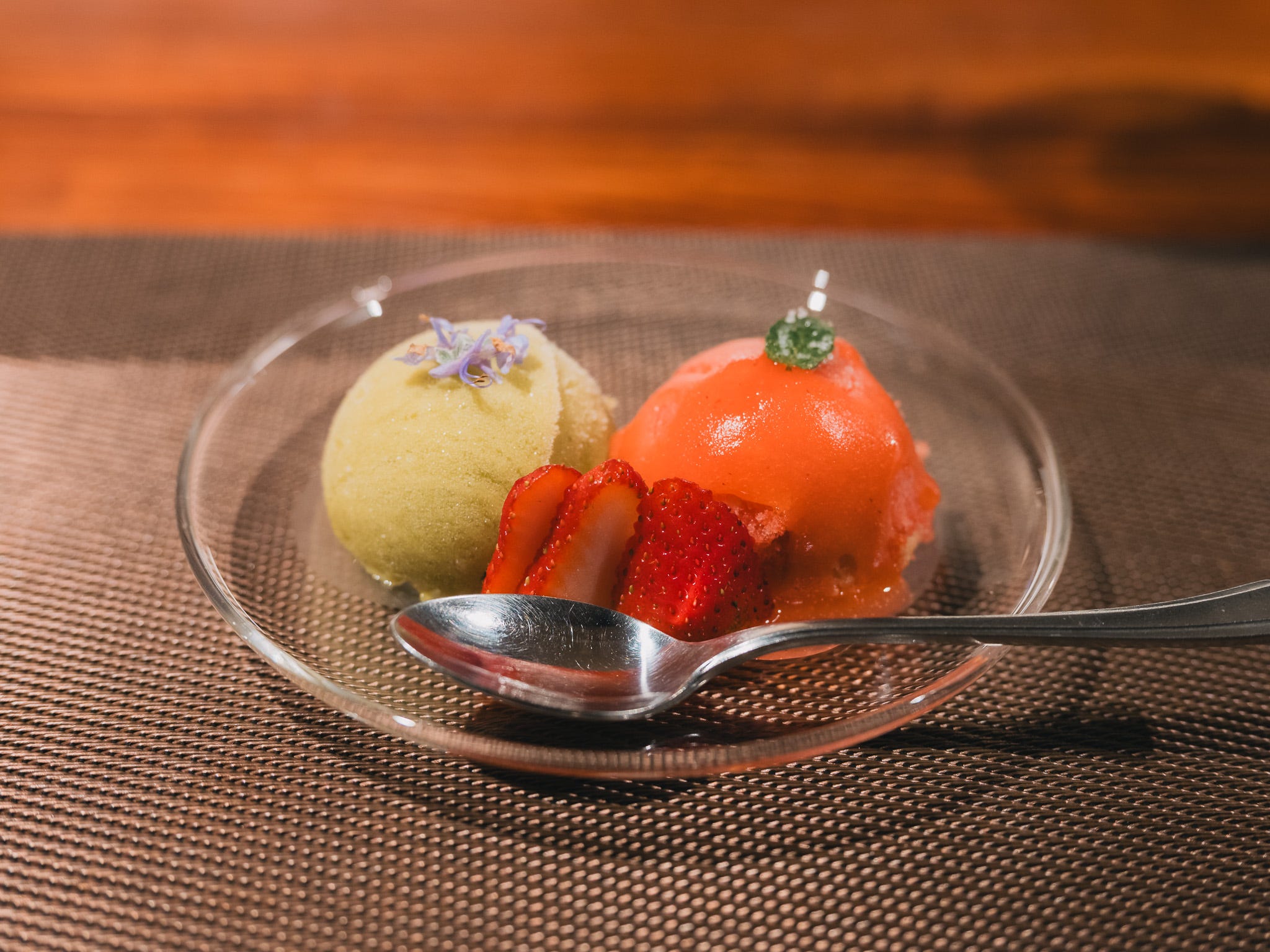
By the end I’d lost count of the courses. Then, the knotweed made one final appearance, this time as a sorbet. Keiko had clued into the rhubarb-esque qualities too — it worked perfectly as a palate cleanser. My spring detox was complete.
Comments
Nothing yet. Say the first thing.
Sign in to join the conversation.