
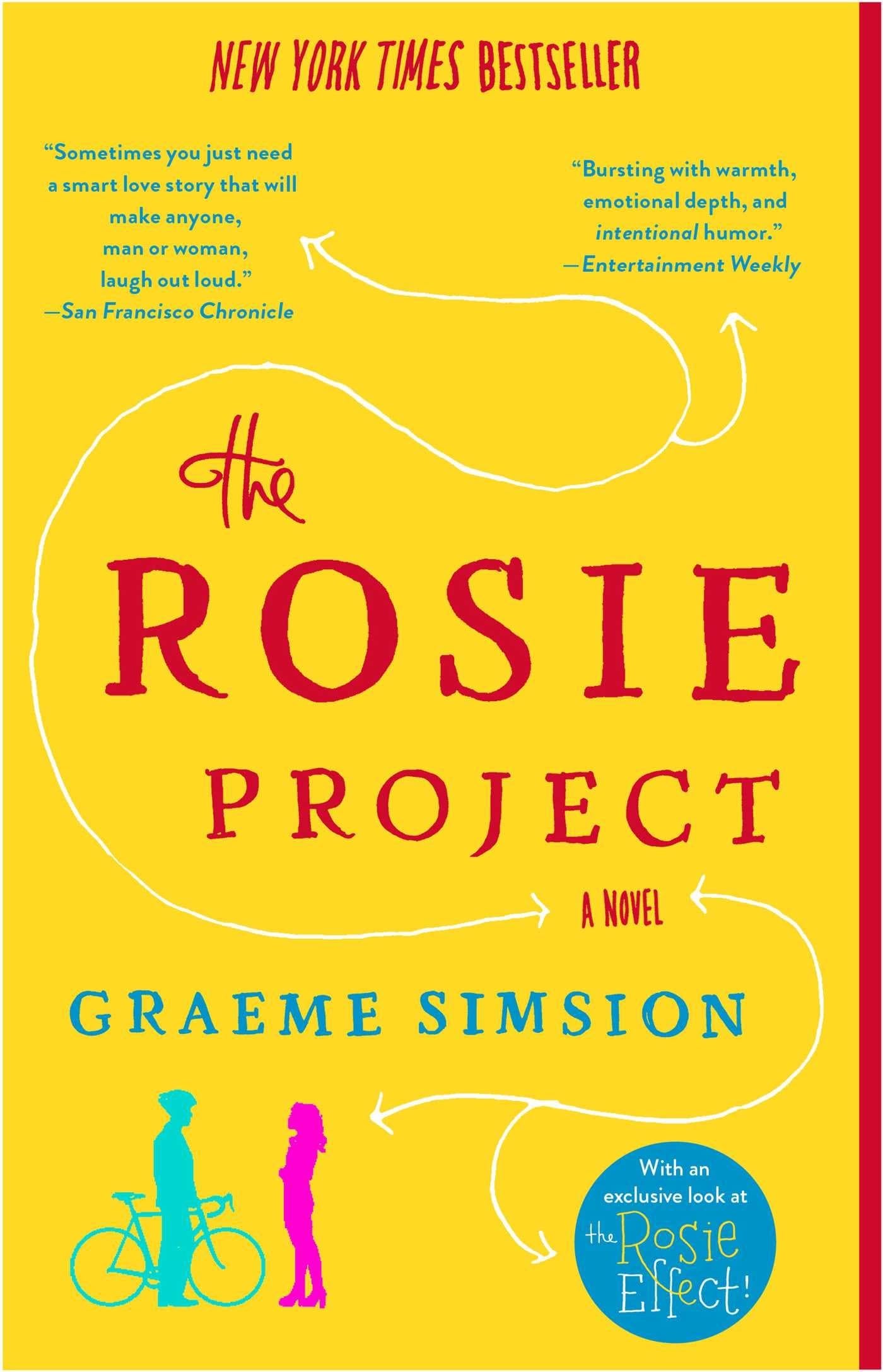
Unlike War and Peace, which took me 3 months to finish reading, this book took me two days—one weekend—to complete. One-sentence plot summary (no spoilers): Don Tillman, professor of genetics at a prestigious university in Australia, decides to find a wife and encounters many obstacles to finding someone he can accept—and most especially finding someone who can accept him.
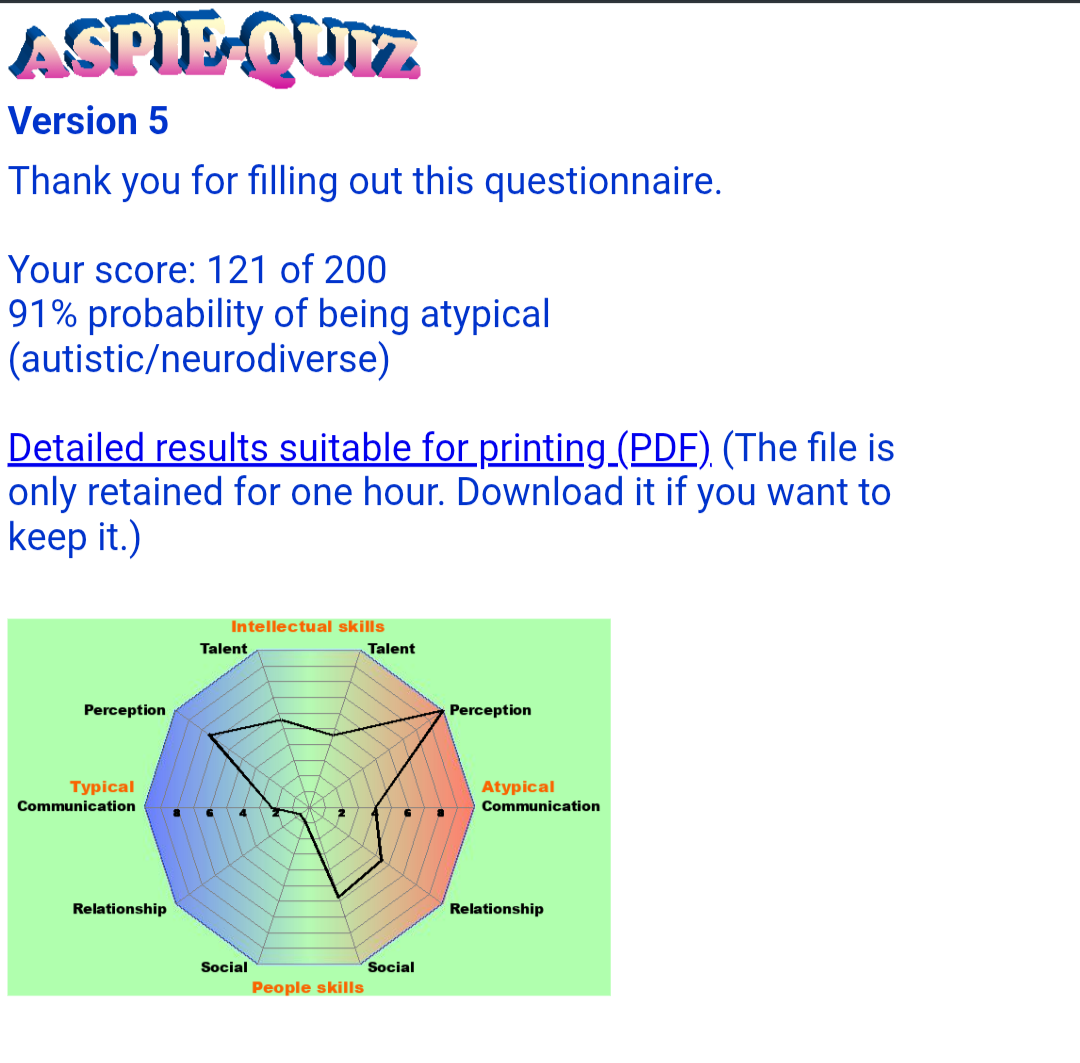
At the back of the book there is a link to a quiz (https://rdos.net/eng/Aspie-quiz.php) that tells you the probability that you are on the autism spectrum or neurodiverse. I took the quiz, which is not a great way to determine if you are on the spectrum because the questions can be misinterpreted. It would be more helpful to get a professional opinion or send a shorter (less waste of time) questionnaire to 10 people in proximity to you and get their feedback on your neurodiverse-ness. Regardless, my quiz results were 91% chance of being on the autism spectrum. It's not the first time I've heard that, but I don't really care. Autism is a label that only helps when it releases funding and resources to help someone, especially children, who are finding it hard to function or relate with peers or otherwise succeed in school. But for an adult like me, I only care inasmuch as it improves my quality of life and the life of my family and children.
Autism or not, I did enjoy the book “The Rosie Project” because I could really relate to Don, the main character on the autism spectrum (in many ways except for his savant abilities). He often referred to his brain overloading after too much stimulation or emotional experiences. He referred to getting into a “dentist chair” mindset to survive various overwhelming experiences. He thrived with routine and tried to eliminate inefficiency in his life. He had very few friends. He wore the same clothes every day. He cooked the same meals. He was also aware much of the time, though not all the time, that his behavior was indeed perceived as strange. He just couldn't so easily change his behavior to fit in.
At its heart, this is a book about fitting in versus acceptance. I think probably everyone struggles with not fitting in, or at least the fear of not fitting in, at some point in life. I certainly have struggled to fit in. I remember trying to fit in in middle school and high school. I tried putting effort into what I would wear. But inevitably my version of putting effort in was fringe, hardly mainstream fashion. Occasionally I would succeed in acquiring one mainstream style outfit, and I would wear it every week, defeating the intent of fitting in without standing out in any way. People would make comments that I must really like certain articles of clothing since I wear them so much. I could not process all the unspoken rules of what clothing to wear compounded by the unspoken rules of how often to wear them.
But fitting in is not the same thing as acceptance. One can fit in and still feel deeply rejected. If you get to be authentically yourself and you happen to fit in, congratulations. But if you have to act a part to fit in, you will never feel accepted. Acceptance is knowing someone—really knowing them—and (still) loving them (anyway).
Did Don find a way to fit in? Would he ever experience true acceptance? You'll have to read to find out. And if you or someone you love is on the autism spectrum, you might find this book extra enjoyable.
No posts
Comments
Nothing yet. Say the first thing.
Sign in to join the conversation.