
Nature does not ask who you are before it holds you. It does not check your passport, your politics, your grief. It is indiscriminate in the truest sense: wind against cliff, rain against skin, moss claiming stone without permission. This is what I learned most clearly this year, that the earth does not negotiate its love, and neither should we.
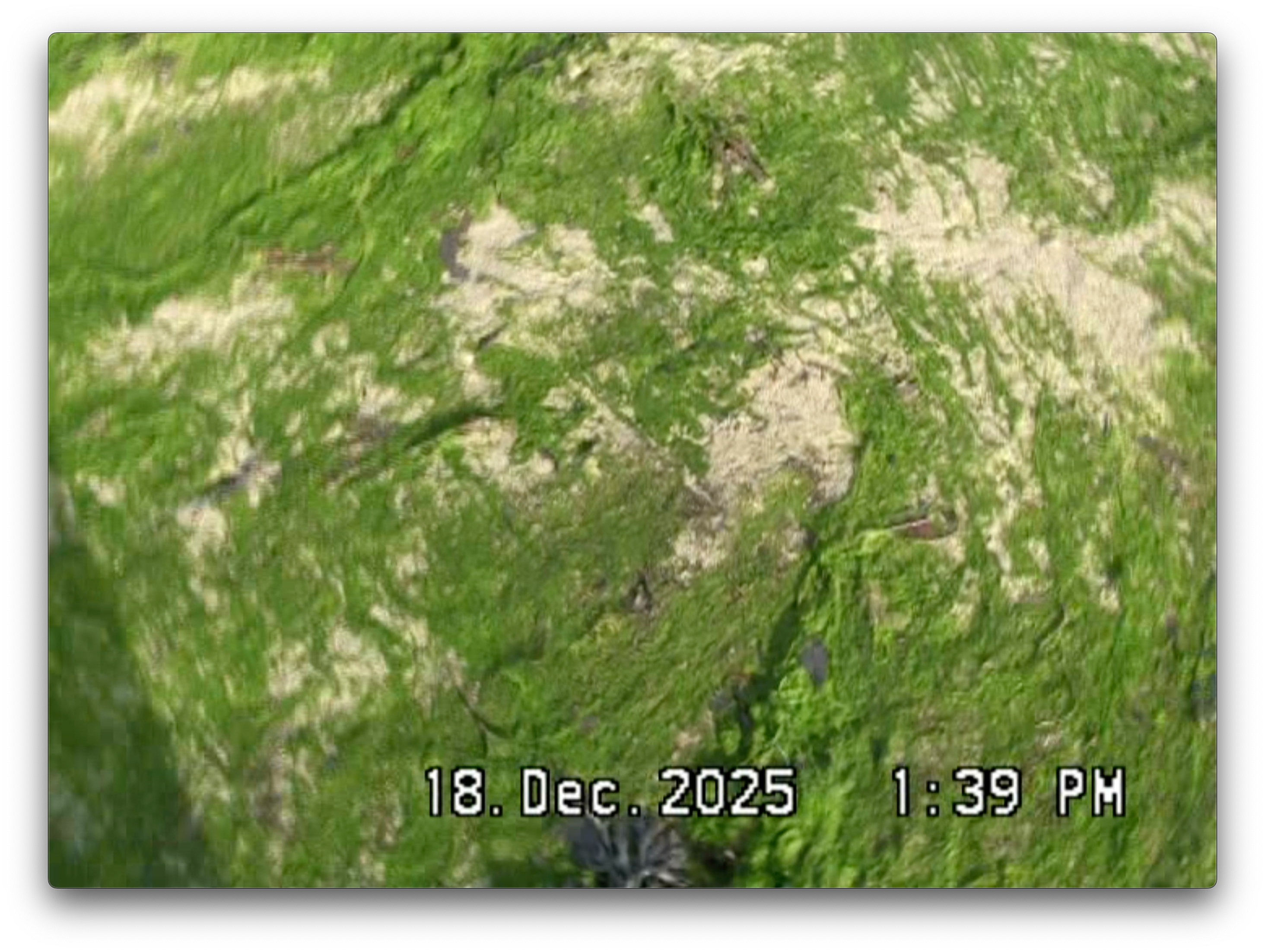
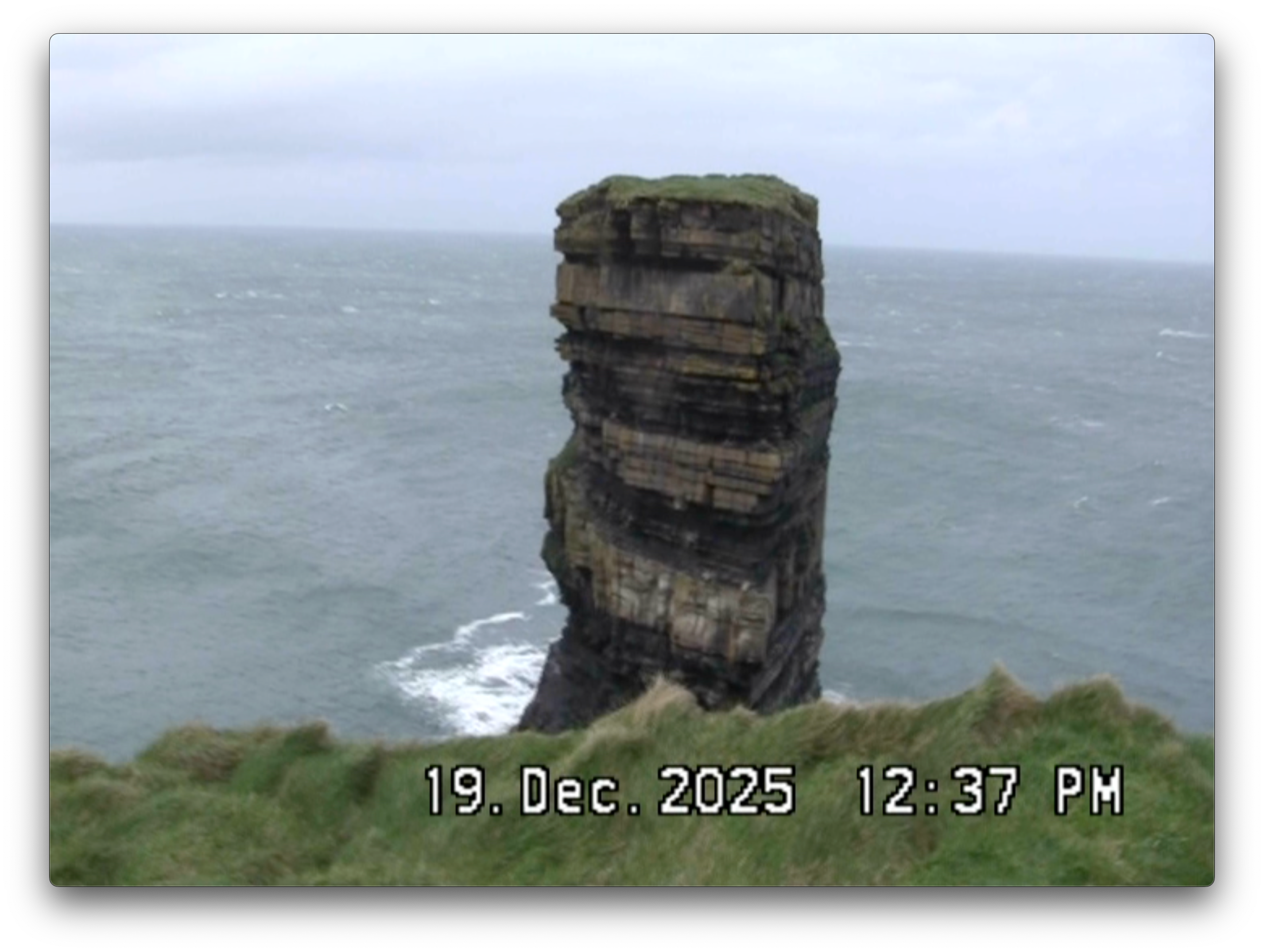
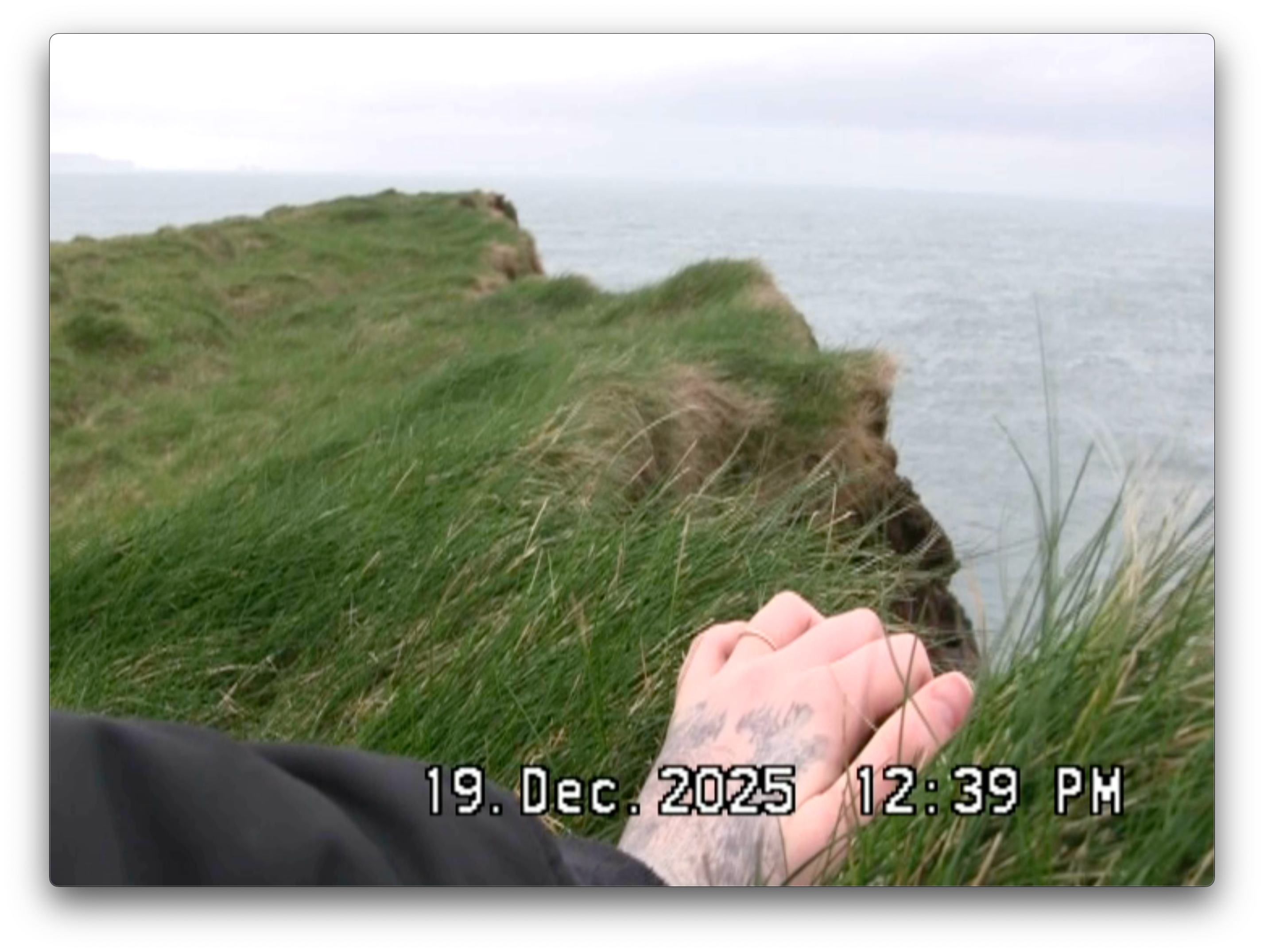
Over the weekend in Ireland, I moved through a geography that felt almost instructional in its abundance. Coastal edges that refused straight lines. Dunes reshaping themselves in real time. Midlands opening out into long-held quiet. Highlands that asked the body to slow down. A mountain range that made language feel optional. Each shift happened without announcement. One moment salt on the tongue, the next exposed roots underfoot. I was reminded that continuity does not require sameness. That movement does not require violence.
This year has taught me to pay attention to transitions. To the way land teaches without sermonising. To how quickly we forget that we, too, are terrain; eroded, layered, weathered by history. In Ireland, I felt how land remembers even when people try to forget. Colonisation leaves scars not just in archives but in soil. You can feel it in the silence of certain fields, in the stubbornness of stone walls, in the way beauty persists without apology.
My learning about transition has also been surgical, intimate, written directly onto my face. Undergoing FFS forced me to reckon with the body as landscape in the most literal way: bone reshaped, swelling like weather, tenderness that demanded patience. Recovery taught me that transformation is not instant revelation but slow negotiation with pain, time, and care. There were days my face felt unfamiliar, like land after excavation, and days it felt astonishingly right, as if something long-buried had finally been allowed to surface. Surgery clarified what I had already been learning from the land; that change does not erase history, it rearranges it. That tending to oneself is not vanity but survival. That choosing alignment, even when it costs blood, rest, and vulnerability, is an act of love. My body remembers everything. And still, it heals.
Love, I am learning, is not a soft thing. It is not neutrality. Love is alignment. Love is staying with what is uncomfortable long enough for it to change you. bell hooks wrote that love is an action, a choice, a commitment to justice. adrienne maree brown reminds us that what we practise grows. Audre Lorde warned us that silence will not protect us. Ursula K. Le Guin taught us to imagine otherwise, because imagination is a material force. Alexis Pauline Gumbs asks us to listen to the intelligence of the living world.
When I think about Palestine, I think about land that has been made to suffer abstraction. Reduced to maps, borders, security language. But land is not an idea. It is olive trees and wells and breath. It is people whose relationship to place has been interrupted by force, whose love for land has been criminalised. Nature, in its indiscrimination, exposes the lie at the heart of supremacy: that some lives are more aligned with the earth than others.
What I have learned this year is that love without courage becomes sentiment. And courage without love becomes cruelty. To love Palestine—to love any people under occupation—is to refuse the story that their suffering is inevitable or justified. It is to insist, again and again, that no one is disposable. Nature does not discard entire populations. It does not flatten cities and call it necessary. Violence is a human invention, not a biological one.
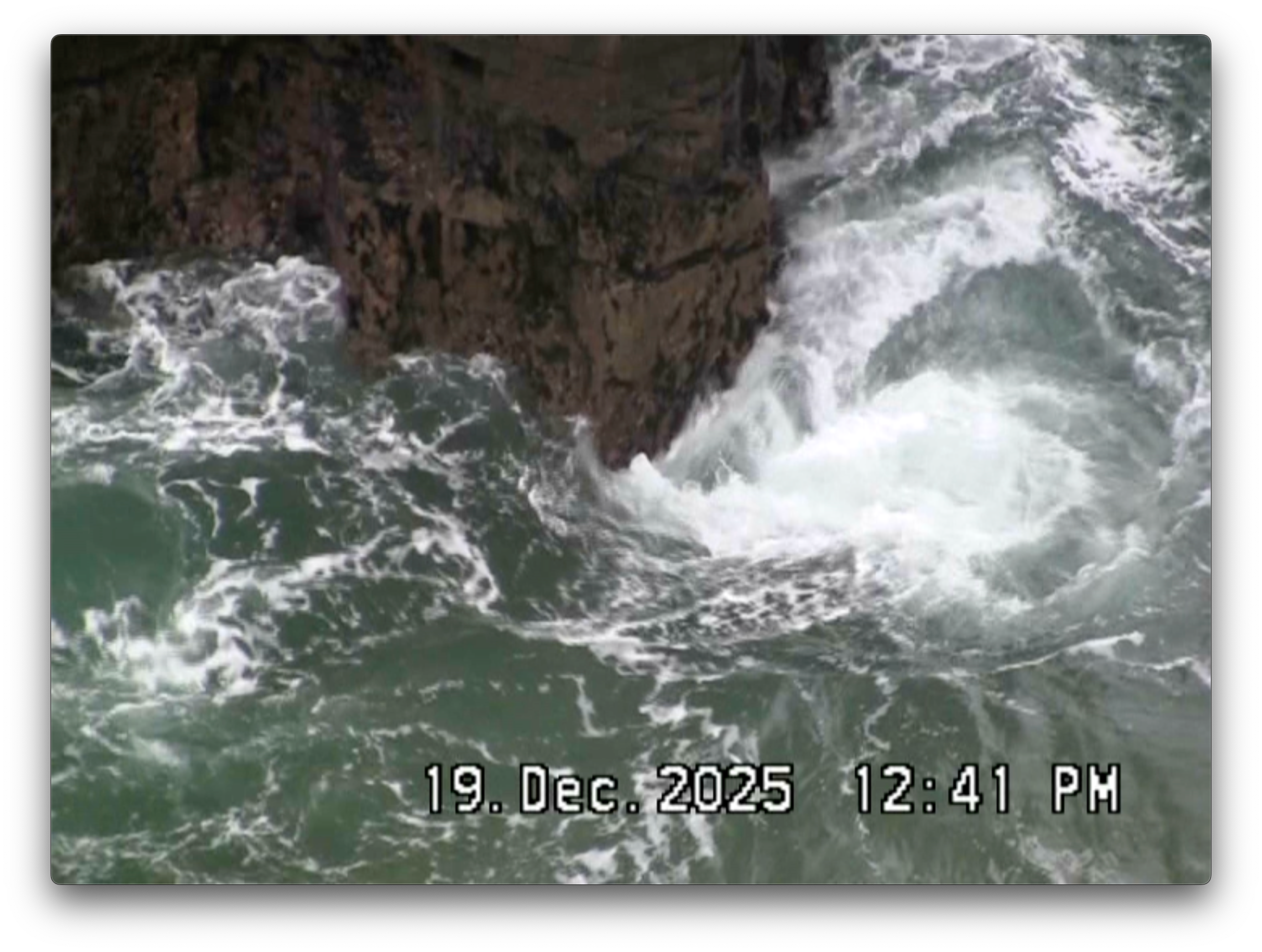
In Ireland, walking through landscapes shaped by famine, resistance, exile, and return, I understood something quietly radical: land does not forget who cared for it. It responds differently to those who listen. This is true of people too. What we are witnessing now is not just a political crisis but a relational one; a failure to recognise ourselves in one another.
This year has stripped away my tolerance for distance. For the idea that we can observe suffering without being implicated. Learning, I’ve realised, is not accumulation. It is alignment. It is deciding what you will no longer look away from. It is choosing love that costs you something.
And so, as the year turns, I offer this not as resolution but as practice:
*ੈ✩‧₊˚༺⋆ Grounding for the New Year ⋆༻*ੈ✩‧₊˚
(Inspired by adrienne maree brown, bell hooks, Ursula K. Le Guin, Audre Lorde, Alexis Pauline Gumbs)
1. Begin with the body
Before analysis, before opinion: breathe. Place your feet on the ground. Name five things you can see, four you can feel, three you can hear. Grounding is not avoidance; it is preparation.
2. Practise love as a discipline
Ask daily: What does love require of me here? Not comfort. Not approval. Love may require you to learn, to speak, to withdraw consent, to stay present.
3. Read beyond your certainty
Return to writers who expand possibility. Read poetry alongside theory. Let language soften and sharpen you. Remember that imagination is a tool for survival.
4. Follow the lineage
You are not the first to feel this grief or rage or hope. Learn whose footsteps you are walking in. Honour elders, organisers, poets, and ancestors who refused erasure.
5. Refuse false neutrality
Silence is not empty. It sides with power. Choose where you stand, knowing that standing is an ongoing act, not a single statement.
6. Stay with complexity without losing clarity
You can hold grief for all life while naming injustice precisely. These are not contradictions. They are ethical muscles.
7. Let the land teach you
Spend time outside. Observe how ecosystems repair, adapt, and resist domination. Apply these lessons to your relationships and your politics.
8. Write it down
Journal what you are unlearning. Write letters you may never send. Language is a way of metabolising truth.
9. Commit to something larger than yourself
Choose a cause, a community, a practice of solidarity. Return to it even when it is inconvenient.
10. Remember: love is not passive
Love moves. Love interrupts. Love insists on life.
Carry this with you into the new year; not as a checklist, but as a way of walking. Like land under changing weather. Like love under pressure. Like truth that refuses to be buried.
Additionally, I have included an end of year writing task inspired by the greats mentioned above, here for you:
*ੈ✩‧₊˚༺⋆ Writing Task: An Ethics of Belonging ⋆༻*ੈ✩‧₊˚
Time: 30–60 minutes
Materials: Paper you like, a pen/pencil that feels good in your hand
Posture: Sit somewhere your body can soften
˚𝜗𝜚˚⋆ 1: Arrive in the body (adrienne maree brown)
Before you write a single word, place one hand on your chest and one on your belly. Take five slow breaths.
Write one paragraph answering:
Where am I writing from: physically, emotionally, historically?
Name the room. The weather. The lineage you carry. Do not interpret, just observe. Let this paragraph be factual, tender, unpolished.
˚𝜗𝜚˚⋆ 2: Love as a practice (bell hooks)
Write a letter (unsent) that begins with:
“When I say love, I mean…”
Address it to:
a place you love
or people you are in solidarity with
or a younger version of yourself who didn’t yet have language
Do not make this letter gentle for the sake of politeness. Let love be rigorous. Let it include anger, grief, devotion, responsibility.
Ask yourself:
What does love demand of me that comfort does not?
Where have I confused love with silence?
˚𝜗𝜚˚⋆ 3: Imagine otherwise (Ursula K. Le Guin)
Now shift into speculative mode.
Write a short scene (500–700 words) set in a world where:
land cannot be owned
borders are temporary agreements, not weapons
care is considered infrastructure
Do not explain how the world came to be this way. Just show one ordinary day inside it. Focus on texture, gesture, language. Let politics live in the background, like weather.
˚𝜗𝜚˚⋆ 4: The erotic as truth (Audre Lorde)
Return to yourself.
Write ten sentences that begin with:
“I refuse to…”
These refusals should be bodily, political, intimate.
Refuse numbness. Refuse false neutrality. Refuse the stories that shrink you.
Do not justify your refusals. Let them stand as declarations.
˚𝜗𝜚˚⋆ 5: Listen to the living world (Alexis Pauline Gumbs)
Go outside, or to a window. Observe one non-human being: a tree, a bird, a body of water, the sky.
Write a dialogue between you and that being where:
it teaches you something about survival
you ask it a question you’re afraid to ask a person
Let the voice of the non-human be wise but not sentimental. Let it interrupt you.
˚𝜗𝜚˚⋆ 6: Integration
End by writing a single paragraph that completes this sentence:
“The practice I am committing to carrying forward is…”
Make it specific. Make it livable. Make it something you could actually return to on any ordinary day.
xo
See you in the new year ˚𝜗𝜚˚⋆
pea
WRITTEN BY: P. ELDRIDGE
FOLLOW for more on Instagram: @sissyanarchy
No posts
Comments
Nothing yet. Say the first thing.
Sign in to join the conversation.