

Everyone thinks the opportunity is defense tech.
More autonomy platforms. More software-defined defense companies. More founders trying to build the next Anduril. The pitch is straightforward: record defense budgets, geopolitical urgency, and a generation of founders finally willing to build for national security.
We think that framing is already crowded. And in some corners, already late.
The numbers are real. Global defense tech funding approached $50 billion in 2025. Median late-stage valuations have tripled in just a few years. Firms that once avoided defense entirely are now leading rounds.
In certain categories, it feels eerily similar to late-2021 fintech: compressed diligence, crowded cap tables, and valuations pricing in flawless execution years before procurement certainty exists. Drone startups alone absorbed a massive share of sector funding, with multiple unicorns building increasingly similar products for increasingly similar customers.
The trade has become consensus. And consensus, in venture, is usually where alpha goes to die.
The shift is not primarily technological. It is institutional.
For decades, startups could build defense products. What they could not do was reliably cross into procurement. The valley of death was not simply a funding problem. It was structural: acquisition timelines measured in years, incumbents protected by regulatory moats, and a procurement system optimized for a handful of primes.
That barrier is weakening faster than most investors recognize.
OTAs. DIU. Replicator. NATO rearmament. Allied procurement modernization. Domestic production mandates. Software-defined warfare.
Taken individually, each looks like policy wonkery.
Taken together, they represent something much larger: a once-in-a-generation restructuring of how governments buy, deploy, and scale technology.
The actual transition is not defense spending increasing.
It is the plumbing of defense acquisition being rebuilt in real time.
And while startups still represent a small percentage of total defense procurement, their share has already begun to expand — an important signal in systems that historically move at glacial speed.
Most VCs enter markets after product-market fit becomes obvious.
We look earlier: for policy-market fit. For the moment when regulatory and institutional shifts make an entire category newly viable.
The pattern repeats across sectors. Institutional change comes first. The obvious investment wave comes later.
We saw it in telehealth, when reimbursement reform unlocked distribution that technology alone could not. We are seeing it again now in defense.
That is why we believe many of the most important companies in this transition may not look like defense companies at all.
They may look like:
manufacturing software businesses,
logistics infrastructure providers,
secure communications platforms,
energy systems companies,
or industrial supply-chain tools that happen to sit inside national security workflows.
Less cinematic. More durable.
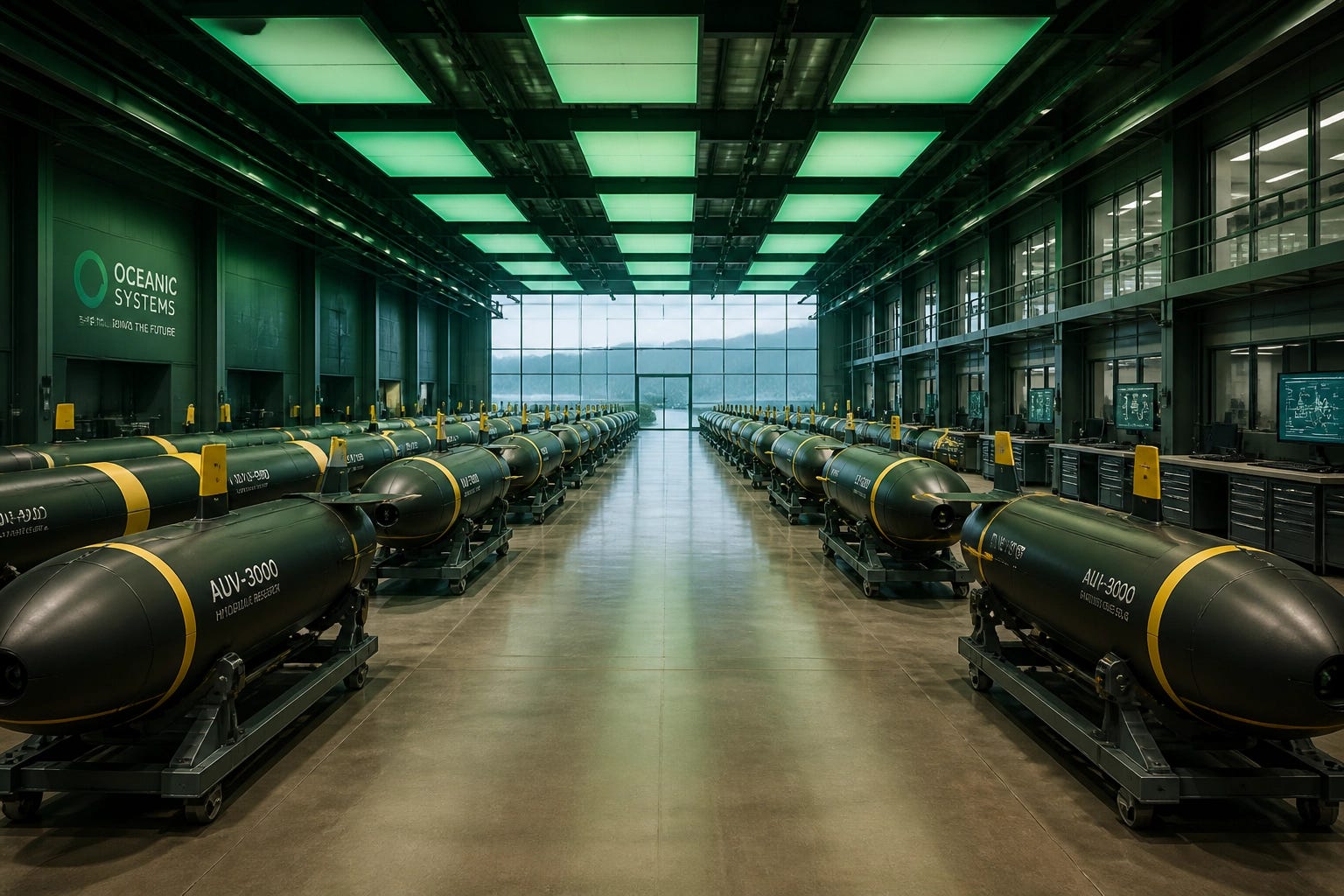
Maritime autonomy. Counter-UAS infrastructure. Battlefield energy systems. Defense supply-chain tooling. Secure industrial communications.
These are the categories where the procurement transition creates real pull, and where consensus capital has not fully arrived.
The largest venture opportunities are rarely created by technology shifts alone.
They emerge when institutions are forced to rebuild around new realities — and the transition creates a temporary window where informed early investors can enter before the market fully reprices.
That window is open in defense right now. But it will not remain open equally across every category or stage for much longer.
The next generation of defense winners may not look like defense companies at all.
They may look like infrastructure companies that happen to sit at the center of national security.
That distinction matters.
Because the companies that ultimately define the next decade of national security capability are probably raising their first or second rounds right now. They are not the loudest companies at defense conferences or the most visible names on the cover of Defense News.
They are the companies solving the unglamorous problems that make the headline technologies actually work.
That is where we spend our time.
And that is where we think the generational alpha lives.
About the Author
I’m Michael O’Brien, Managing Partner at Síol Venture Capital. We invest in the belief that regulation isn’t a risk—it’s a source of alpha. We back founders building in heavily regulated markets before the policy settles, turning complexity into a durable competitive advantage.
Building in the friction? I’d love to hear about your moat.
Exploring policy-driven alpha? Let’s discuss how we’re underwriting the next wave of market inflection points.
📩 mob@siol.vc | LinkedIn
Comments
Nothing yet. Say the first thing.
Sign in to join the conversation.