
Shadow work, in economics, is the unpaid labor pushed onto consumers. Once you notice how much of it you do every day, it is hard to unsee.
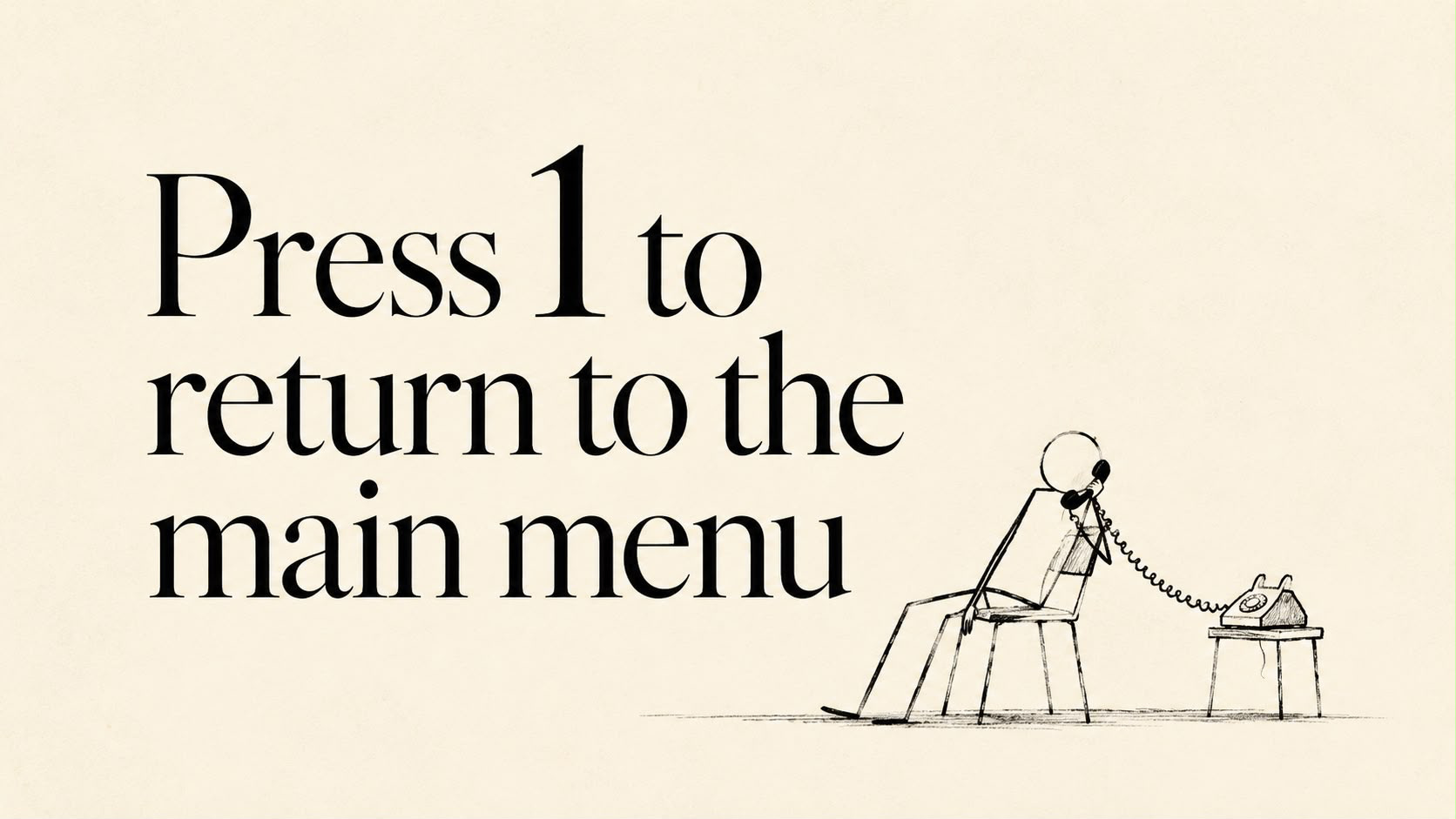
Self-checkout. Booking flights. Troubleshooting your internet for hours before a representative is dispatched. Navigating the automated customer service maze: press 1 for this, press 2 for that, press 0 to maybe reach a human in the next three hours.
A lot of “convenience” is just corporate cost-cutting.
AI makes this picture even more interesting (and frustrating). Because we have also been doing shadow work for the AI economy for years.
Captcha puzzles. Tagging friends in photos. Rating recommendations. Training spam filters. Talking to customer service lines where “this call may be recorded for quality assurance” increasingly also means: this interaction may help train the future AI customer service system that replaces the person you are trying to reach.
And more broadly, our contributions to the internet — our writing, photos, questions, preferences, habits, fears, insecurities, and interactions with one another — have become training material for companies now valued in the hundreds of billions.
Don’t worry, I also missed the meeting on consent.
This is why so many conversations about AI and inequality already start from an incomplete place. We often begin with what AI could mean for job loss, whether temporary or sustained. What support systems will people need? What new economic models might be required? Should we consider ideas like universal basic income?
Those are important questions ( I ask them all the time). But they are downstream questions.
Because AI was not built from nowhere. It was built on public data, public infrastructure, publicly funded research, and years of human contribution to the digital world.
So if AI companies are riding an economic elevator to prosperity, society should be on that elevator, too. Not just out of compassion or goodwill, but because society genuinely helped build this technology.
I do not yet know the full answer to what the economic model should be. UBI is too linear in thinking, and frankly disempowering. Universal basic capital is more interesting to me, but not yet complete. But either way, I think we need to start the conversation from a different place. Not only with what AI could take from us, but with what we have already given to it.
What Else I Read This Week:
Is the iPhone Birth Control? According to a recent study from the National Bureau of Economic Research, “the diffusion of the iPhone explains 33–52% of the decline in the general fertility rate among women aged 15–44".”
In a twist of events, Midjourney, the AI video generation company that has been sued by Hollywood studios, now wants Hollywood studios to reveal whether they are in fact using AI.
Universal Basic Capital is an economic model where citizens are granted direct ownership stakes in wealth-generating assets—such as equity in AI companies or national investment funds—so the public shares in the economic upside of automation. The Atlantic wrote an interesting article about the latest ideas. “Why Everyone Is Suddenly Talking About ‘Universal Basic Capital.”
No posts
Comments
Nothing yet. Say the first thing.
Sign in to join the conversation.