
Manicured lawns have been used as a class symbol since the 17th century—probably longer. Live in an HOA neighborhood? You probably are only allowed to do certain things outside and must seek approval—a wild lawn is probably a hell no.
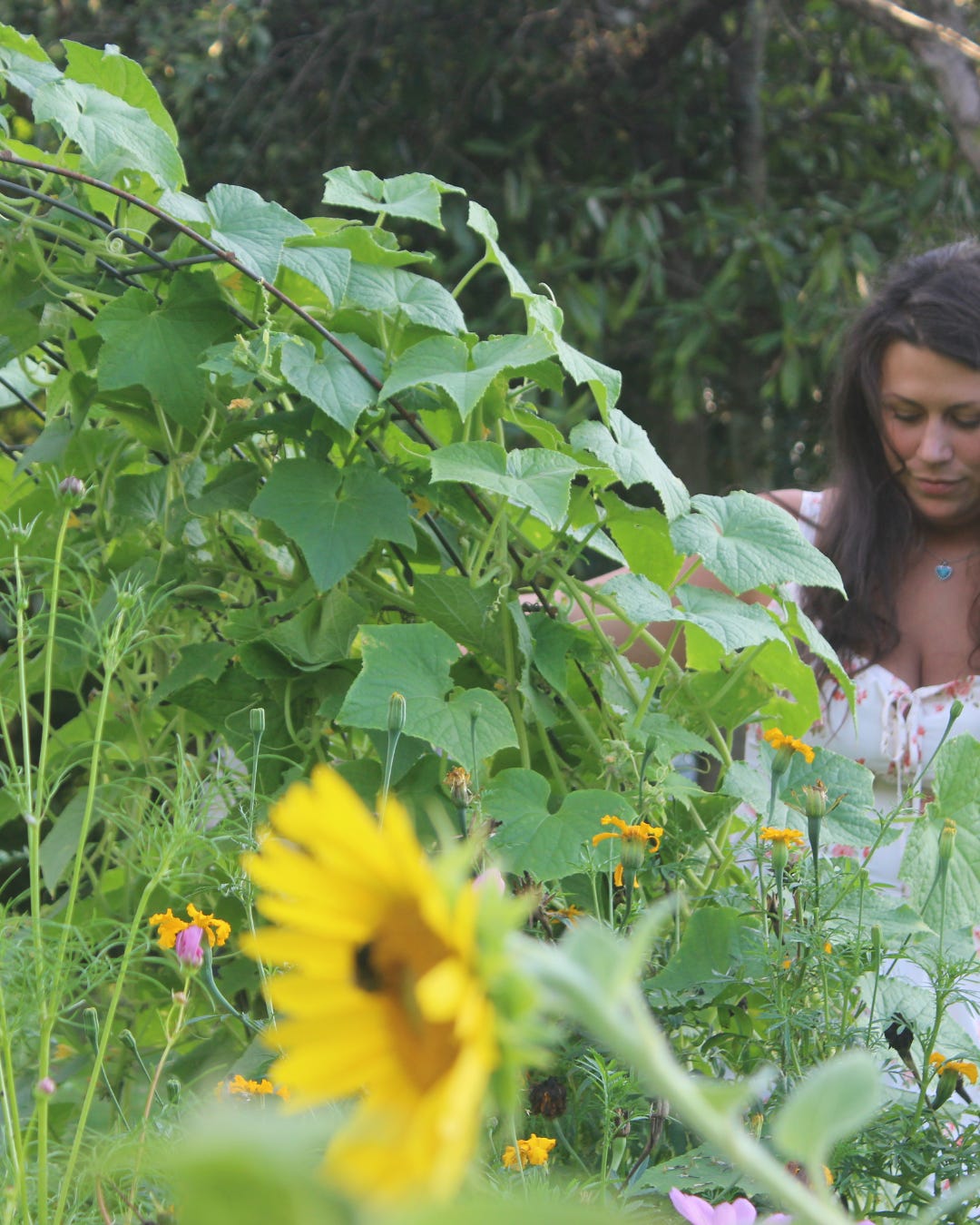
Yet, manicured monoculture lawns are wreaking havoc on natural ecosystems, irrigation, and continue the consumeristic ideals that are so prevalent in our Western culture.
From turf to bland landscaping being placed in the thousands, if not millions, of newer, cheaply built mass homes being thrown up. The need to rewild the lawn is here.
And it’s honestly a breath of fresh air, because choosing to plant native plants, let your grass grow a little taller, have pollinator-friendly plants, and practice what some call ‘thinking like an ecosystem’ has a profound impact on you, the creatures, and renders a big F you to the system.
Landscaping, lawn care, pesticides, turf, and all things are a massive market. Don’t mistake me saying that people who are mowing lawns and creating their own landscaping businesses are evil—you can still mow your lawn, but let some of it be wild!
Allow ecosystems to come alive, allow the earth to heal, because if we all do it, it’s one more push for a better reality.
This isn’t a call to let your lawn become an overgrown forest, but simply a haven, a new kind of status symbol. If manicured lawns used to showcase wealth, let’s have rewilded lawns showcase a different kind of wealth.
A wealth that nourishes creation, not one that feeds corporate interests. This is the dynamic that can change the collective reality for the better when more and more begin making conscious choices that build something better.
How to Rewild Your Lawn
The first step is identifying what space you are working with. My family's 3.5 acres has a wide range of wild spots; we have wildflowers that we have planted, wild patches growing, places for animals, and open arms to many species.
We first began our rewilding journey by allowing a large portion next to our garden to grow wild, untouched; to some it might have seemed unruly, but after a couple of years it has turned into a beautiful patch that pollinators, turtles, and many other creatures flock to.
From there, we planted wildflowers, utilized chicken tractors to help the ground regenerate, longer stretches in between mowing, planted plants that will help soil health, cover crops, and so on.
Your lawn size/acreage will determine what you can do, and if you live in an HOA, which I think should be banned. But even a small front yard could allow for a strip or two of wildflowers and native plants to your area. To extend this further, mowing your lawn less helps tremendously.
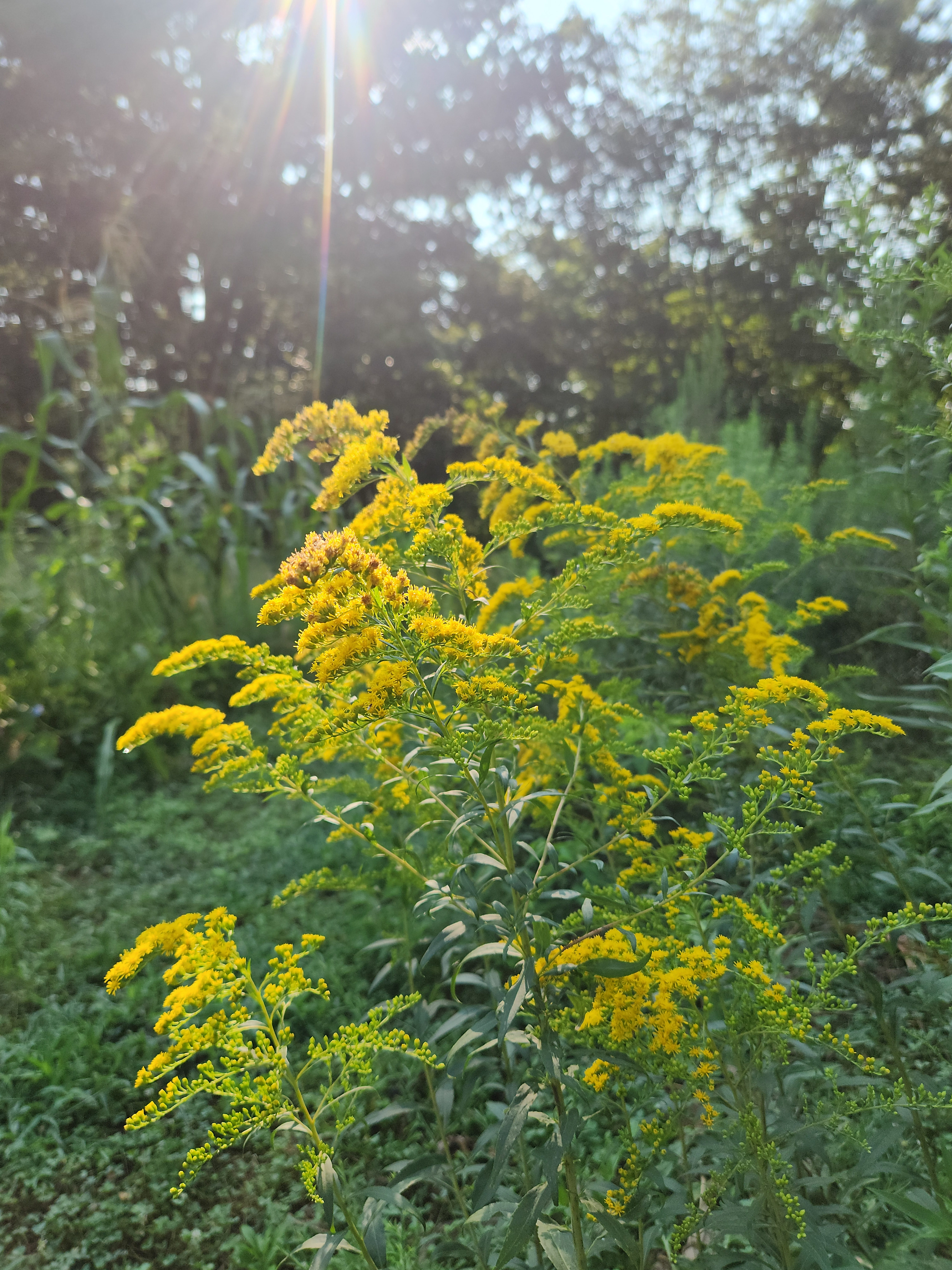
Beautiful golden rod in our wild patch!
This summer we have only mowed our lawn 4 times; our grass isn’t extremely high, but it is lush, fluffy, and wonderful for water drainage and the critters. Mowing your grass less will also save money and lessen your dependence on petroleum.
If you’re worried about too many critters, rats, etc, a few things: mow walking paths, do not leave food/feed out regularly to not attract rats, have paths around your home.
Another option, especially if you have more acreage, is to look into food forests; this is a natural replica of natural forests, but when doing this, we as the stewards of Earth are making a conscious decision to rewild what has been lost.
It can be done beautifully and effectively; it just takes one little choice at a time.
Take the steps to begin rewilding your lawn. Whatever step can feasibly be taken, go and try!
Talk soon,
Shelby
Wanna revive your life and read a physical guide? Order Revive the Table, a monthly physical guide focused on real food, reconnecting with the land, and rebuilding local communities!
No posts
Comments
Nothing yet. Say the first thing.
Sign in to join the conversation.