
Hi all
NOT ZINES: NICHE INTEREST ALERT
If you’re into local history, ghost stories and folklore and all that stuff, you might be interested in an article I wrote which has just come out in the journal Folklore. It’s called ‘Laying Pluckley’s Ghosts: Frederick Sanders and the Origins of the ‘Most Haunted Village in England’, 1939–79’ which is a very long title because scholarly article titles need to be long and also have a colon in them.
Pluckley is a village in Kent, in the southeast corner of the UK. It was an Anglo-Saxon settlement, boasts several historic buildings including its 14th Century church, and found fame in the 1990s as the setting for a TV adaptation of H. E. Bates’ novel ‘The Darling Buds of May’ and its sequels starring Pam Ferris, David Jason, and a young Catherine Zeta Jones. It was on ITV I think?
Anyway, Pluckley is also well-known (?) for its reputation as being ‘the most haunted village in England’. This accolade was first given to the village in 1950, and its many ghosts featured in lots of books on the paranormal from the 1960s onwards, even receiving a mention—though not an actual award—in the 1989 Guinness Book of World Records.
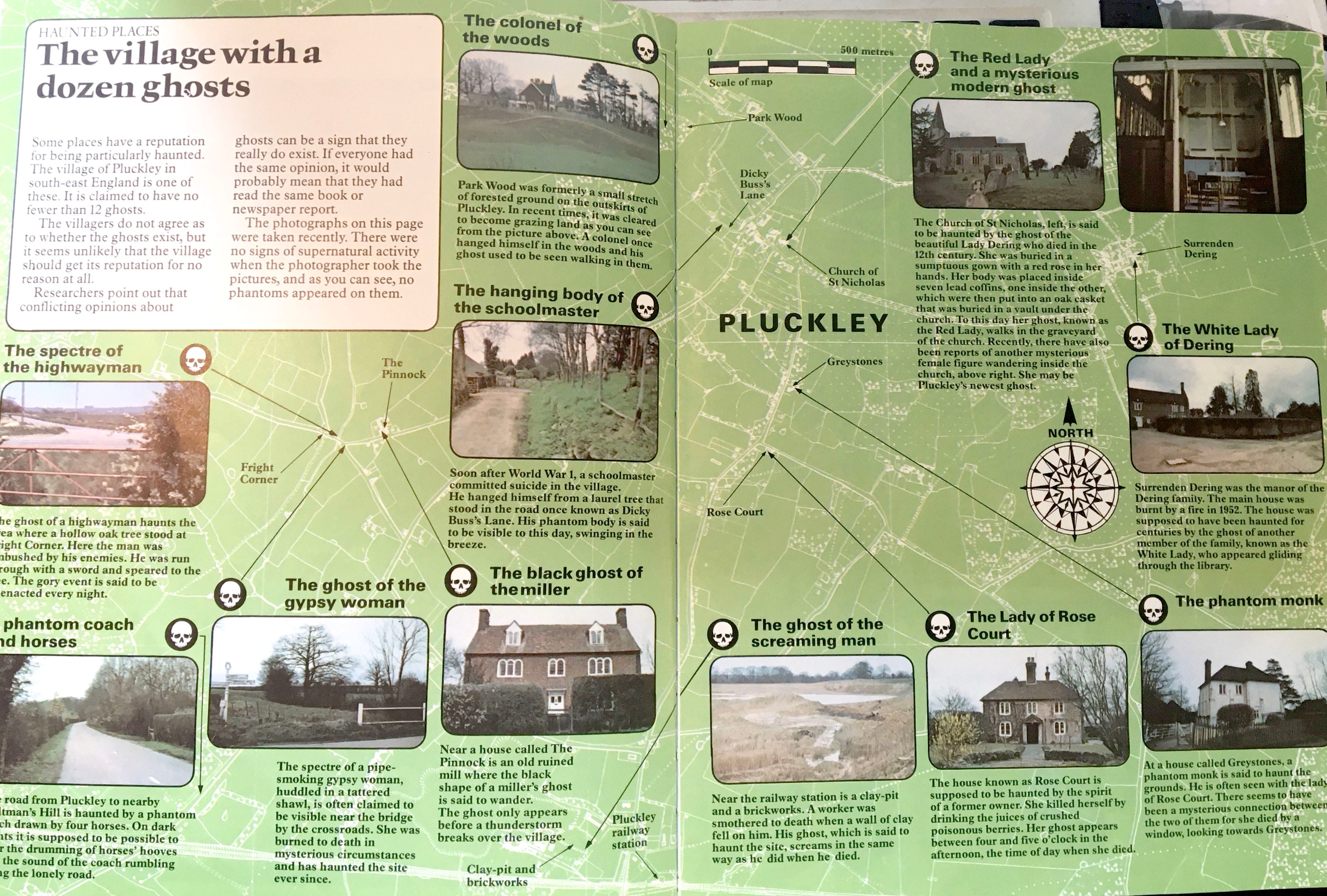
Over the years, more than a dozen ghosts have come to be associated with the village. They include the spectre of a highwayman run-through with a sword while hiding in a hollow oak; the screaming ghost of a man who died in a quarry; a ghostly miller that appears on stormy nights; the shade of the ‘Red Lady’ and another woman in contemporary dress, both of whom haunt a graveyard; the ‘White Lady’ who haunts the site of a demolished mansion; the spectres of a schoolmaster and a military man, both of whom hanged themselves; a phantom coach and horses heard but not seen on a local road; the shape of an old woman who died after accidentally setting herself on fire; a spectral monk, and the revenant of a woman who poisoned herself in a local house.
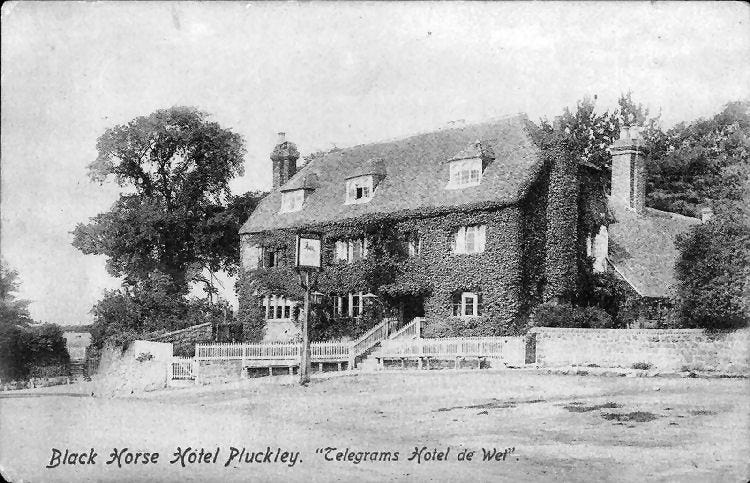
The paper is my attempt to find out where all these stories came from, how they evolved over time, and what - if anything - I could find out about any real life events behind them. It was already suspected that a man named Frederick Sanders (1908-1996) was largely to thank for Pluckley’s reputation, on account of a memoir he wrote about growing up in the village1. It transpires that he also wrote loads of other stuff about the local hauntings - newspaper articles, letters to the press, self-published books - making him the first person to actually write down nearly all of the village’s ghost stories. He also ran ghost hunts and became a one-man Pluckley-promoting/ghost story-toting/fable-spinner. Without him, there’d almost certainly be nowhere near as many, if any, ghost stories attached to the place.
It also turns out that some of the stories can be linked to local events; I found that there really was a man who died in a clay pit and that his name was Richard, and that the ‘Hanging Schoolmaster’ said to haunt Mill Hill was actually a papermaker named Henry. The article also contends with how the stories evolved over time, when and where fabrications popped up (pesky actor and DJ Desmond Carrington, I’m looking at you), who else was telling the stories, and what this all tells us about the way we understand places in the present by our attachment to their past.
I’ve been interested in these stories since I was about eight or nine years old (ca 1991/2?), teaming up with my older brother to harass my parents into taking a trip to Pluckley while we were in nearby Maidstone visiting relatives. With nothing but a rather patchy map of the village and the locations of its ghosts contained in the Usborne book ‘Ghosts’2 as our guide, our parents gamely took on the challenge of a ghost hunt which proved both fruitless and, I imagine, more than a little frustrating3. We saw no ghosts, my brother lost a toy, and that was that.
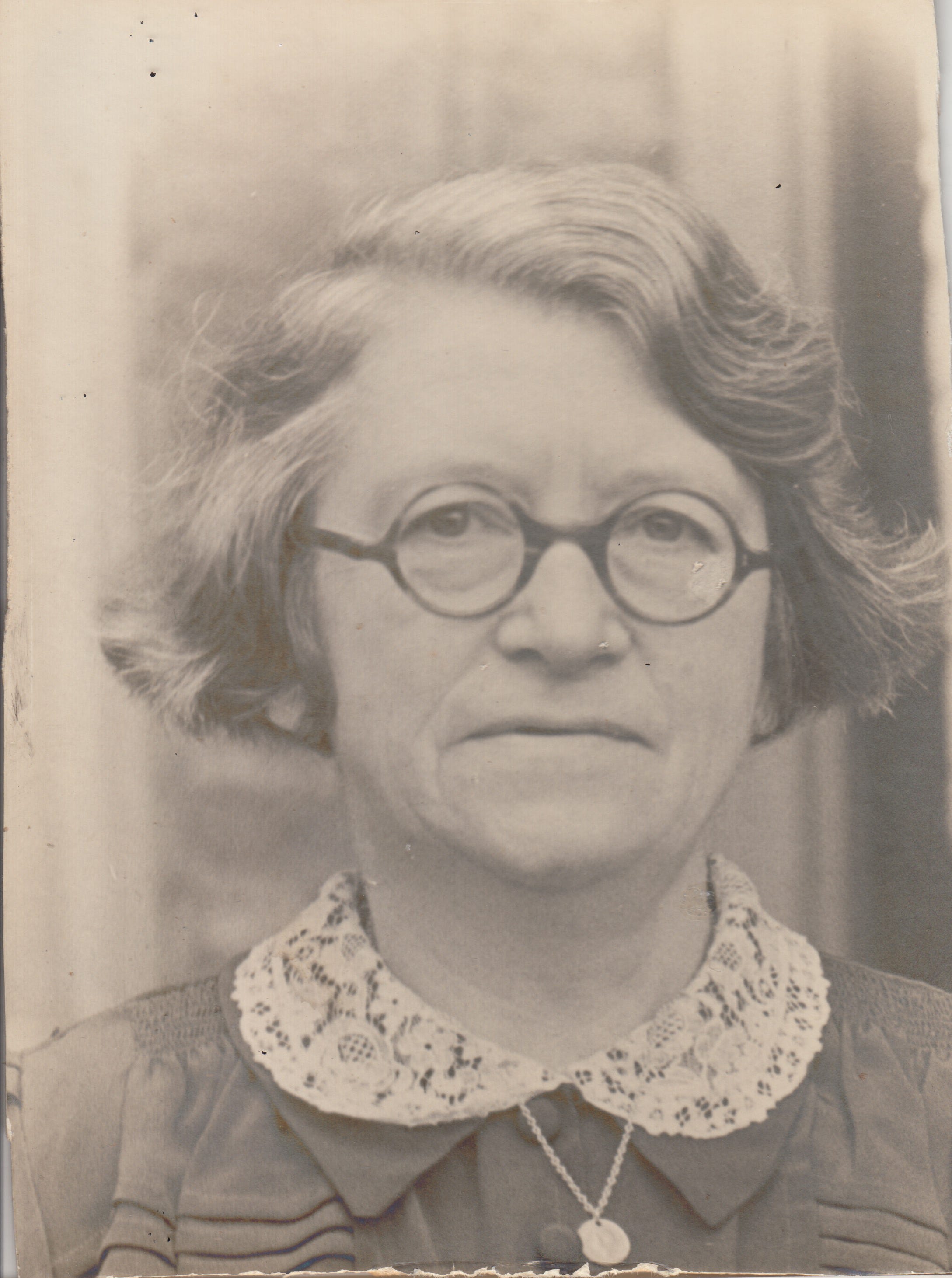
Years later, my Dad and I discovered that his grandmother came from Pluckley, and that actually a whole host of his ancestors came from that neck of the woods, too. When I picked up the family tree stuff after his death, I got into researching Pluckley’s local history and the research with a vengeance.
It’s taken me about four years or so to pull this together (with massive thanks to Rebecca Lambert for helping me out with some archival work in London in the post-Lockdown landscape). I’m an academic but this research was outside my usual day-job context so it’s been a labour of love to get this out into the world. It’s also helped me re-imagine the kind of researcher/professional person/academic/old bore I want to be. That’s a nice feeling, and one I feel very privileged to have.
You can read the paper for free here
Oh, and Sarah Sharp, ‘The Watercress Woman’? She’s my distant cousin.
Ta ra
Sx
Diplomatic speak for ‘really fucking annoying’.
Comments
Nothing yet. Say the first thing.
Sign in to join the conversation.