
Hyperpigmentation is one of the most common skin concerns I treat in clinic (and I deal with it myself), so I thought I’d dedicate a newsletter to covering what exactly it is, what it looks like on the skin, the products that make the biggest difference and the treatment options available.
In a nutshell, it’s excess melanin production in certain areas of the skin.
It can occur for a number of reasons, including sun exposure (the biggest culprit), inflammation, medication, and hormonal changes, such as pregnancy, breastfeeding or menopause.
It usually appears as patches or spots that are darker than your natural skin tone. Sometimes it’s one small area, sometimes it’s more widespread or scattered, and it often leaves the skin looking dull, uneven and flat.
Yes and no. While hormonal changes can contribute to hyperpigmentation, they can also trigger melasma, which is a specific pigmentary disorder (and a commonly misunderstood skin condition). While it falls under the umbrella of hyperpigmentation, it behaves very differently and requires a different approach to treatment.
Melasma typically presents as symmetrical patches of pigmentation, most commonly on the cheeks, forehead, upper lip and chin (it often looks like a coffee stain on the skin) and it can be particularly stubborn to treat.
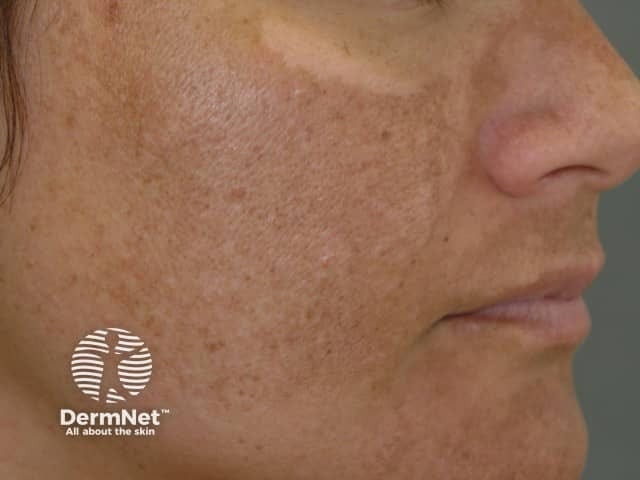
It’s tricky, temperamental, and does not like to be rushed (like me). It gets worse in the sun, and generally reacts badly to light and heat based treatments.
Treatments that work wonders on other types of hyperpigmentation are not always appropriate for melasma. For example, IPL is incredibly effective for sun-induced pigmentation, but in some cases it can actually make melasma worse. There are several effective laser treatments available now, however, specifically for melasma, such as Pico and LaseMD Ultra (one of the best I’ve tried, FYI. Full review here).
If you think your pigmentation could be melasma, the first step is to have a consultation with a qualified professional and get an accurate diagnosis before starting treatment or moving on to specific products.
Once you know exactly what you’re dealing with, you can create a treatment plan that’s tailored to your skin and gives you the best chance of long-term improvement.
Before we get into products and treatments, it’s important to set realistic expectations… because you can’t banish pigmentation forever.
I know, not what anyone wants to hear.
In many cases, of course, you can reduce it significantly and sometimes even clear it completely - but not forever. Why? Because we’re constantly producing melanin and we’re constantly exposed to the things that trigger it - so it can absolutely come back.
Think of managing hyperpigmentation as an ongoing process rather than a one-off fix.
And when it comes to seeing real improvements, we're talking months rather than weeks. It’s a long game. Pigmentation takes patience and consistency to fade.
If you’re dealing with hyperpigmentation, there are three products I recommend focusing on before anything else.
A BROAD-SPECTRUM TINTED SUNSCREEN
Boring I know, but a good tinted sunscreen is the foundation of any pigmentation routine. Use every morning as the last step in your routine and reapply every two hours (or more often if you’re swimming, sweating, consistently outdoors).
A tinted sunscreen protects against UVA and UVB, but it also helps protect against visible light (including high-energy blue wavelengths) which can worsen hyperpigmentation.
And I know I say this all the time, but there is truly no point investing in products and treatments if you’re not protecting your skin with daily sunscreen.
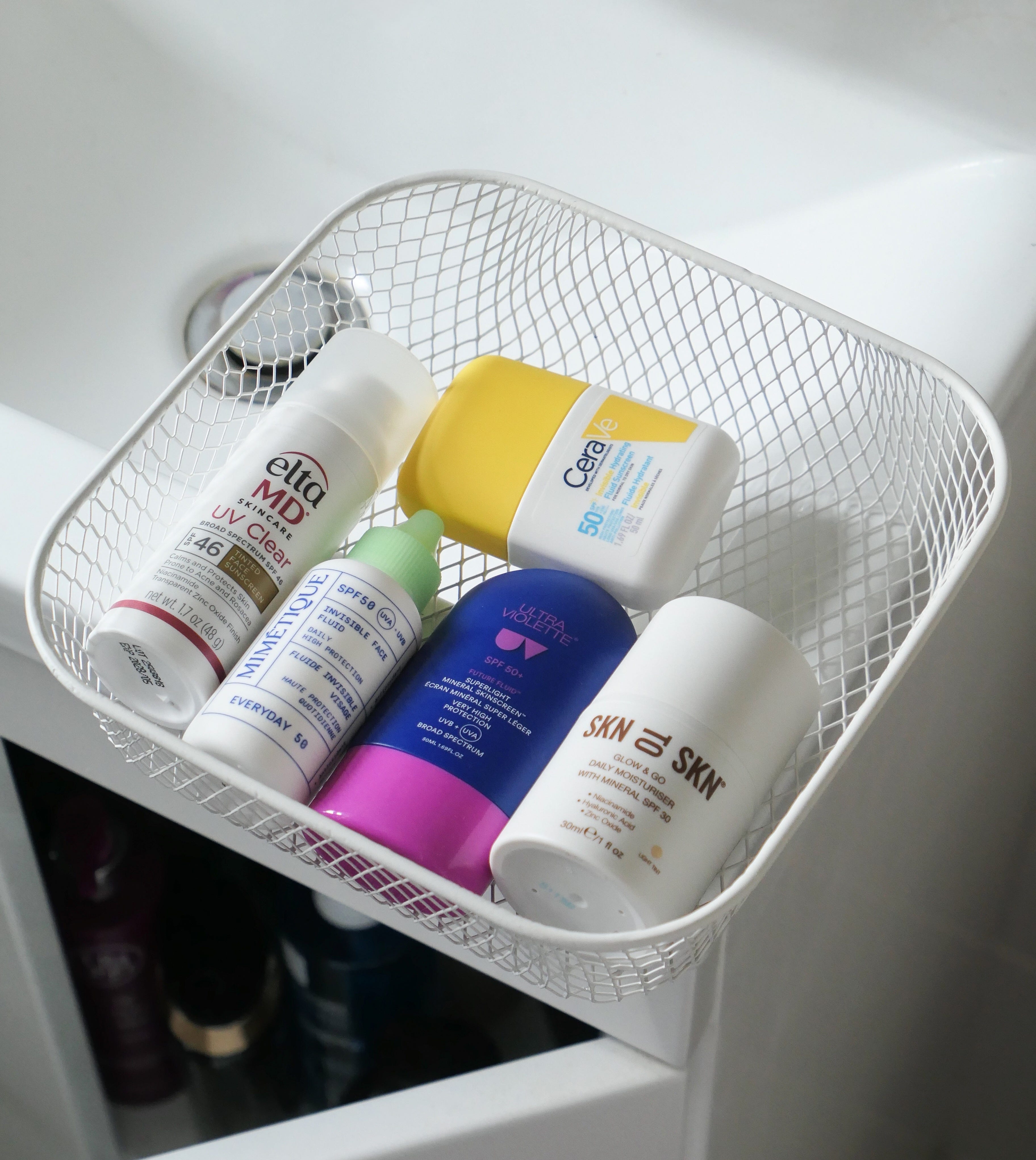
Some of my favourite tinted sunscreens include:
AN ANTIOXIDANT SERUM
Whether it’s vitamin C, niacinamide or another well-formulated antioxidant, this step is incredibly important.
Antioxidants help reduce the appearance of existing pigmentation while also helping to prevent new dark spots from forming. They have plenty of other benefits too, but when it comes to pigmentation specifically, consistency is key.
Apply every morning after cleansing on dry skin, and follow with other serums and/or moisturiser and sunscreen.
Some of the best options on the market, in my opinion, include:
A RETINOID
Retinoids increase cell turnover, helping the skin gradually shed pigmented cells and fade areas of excess pigment over time.
They’re one of the best-studied ingredients in skincare for good reason, with benefits that extend well beyond pigmentation, but they can play a really valuable role in improving uneven skin tone and helping to prevent future pigmentation from developing.
If you start using these three products consistently, you’ll often see a noticeable improvement before you even consider in-clinic treatments.
Retinoids I recommend include:
Once you've got those basics in place, ingredients like tranexamic acid, azelaic acid and prescription pigment inhibitors can also be extremely effective, depending on the type of pigmentation you're treating. But get the basics right first, then go from there.
When skincare isn’t enough, in-clinic treatments can make a significant difference.
One of my favourite treatments for sun-induced hyperpigmentation is IPL (Intense Pulsed Light). Read all about it in my in-depth guide to aesthetic treatments. It targets excess pigment very effectively and is something I use regularly in clinic to reduce the appearance of dark spots.
Depending on the type of pigmentation and your skin, I may also recommend combining IPL with a course of chemical peels and/or Excel V, another type of laser treatment, to achieve the best possible results.
Other treatment options include more intensive chemical peels, prescription topical skincare, tranexamic acid delivered via microneedling or injection, oral tranexamic acid in carefully selected patients and more.
These options are not suitable for everyone however, which is why a consultation with an expert is so important.
Hyperpigmentation can be frustrating AF, but it is treatable.
The most important thing is to be consistent. Daily sun protection, the right skincare and appropriate in-clinic treatments can truly make a huge difference over time.
And remember, the goal isn’t necessarily to ensure pigmentation never returns. It’s to keep it under control and maintain healthy, even-looking skin in the long term.
For more deep dives into skincare, ingredients and treatments visit the skincare guides section of my Substack or follow me on Instagram.
Comments
Nothing yet. Say the first thing.
Sign in to join the conversation.