
When we moved into Eastmoreland in April 2020, we felt incredibly fortunate.
We had found a neighborhood that reminded us of some of the places we’d loved most over the years. Towering trees shaded streets lined with beautiful historic homes. Reed College was just a short walk away. Neighbors waved as they passed, and invited us over for dinner. It felt established, welcoming, and timeless.
Like everyone else, we spent those first months adjusting to life during COVID. We were unpacking boxes, meeting neighbors from a distance, and trying to settle into a new community while the world seemed to be standing still.
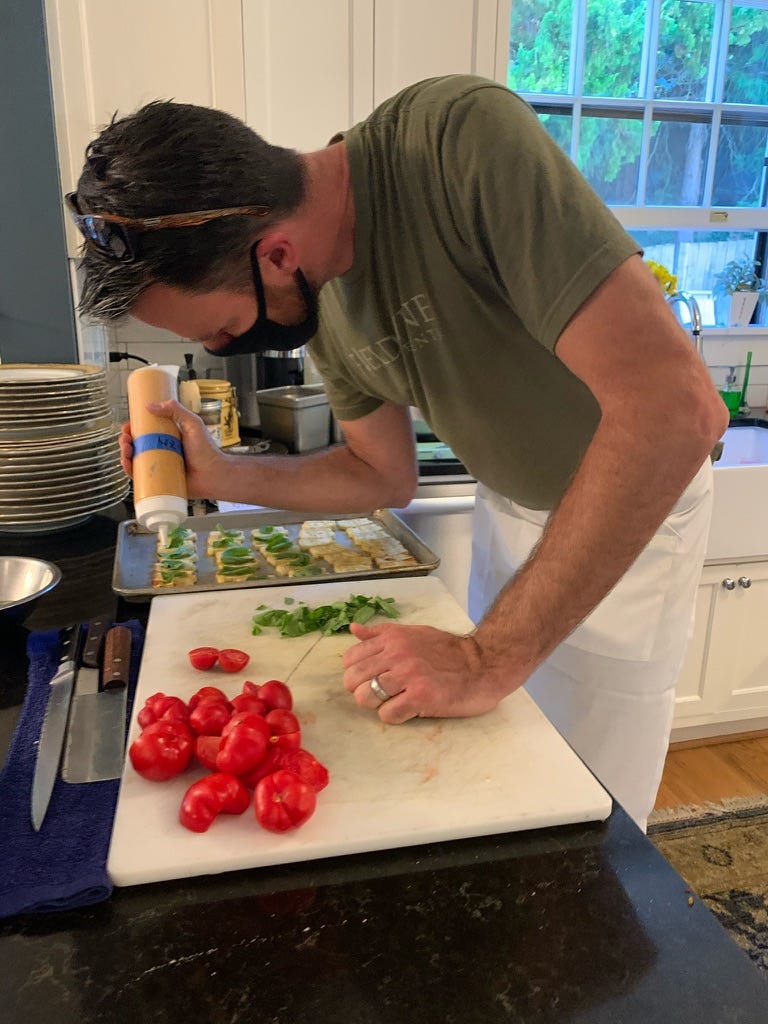
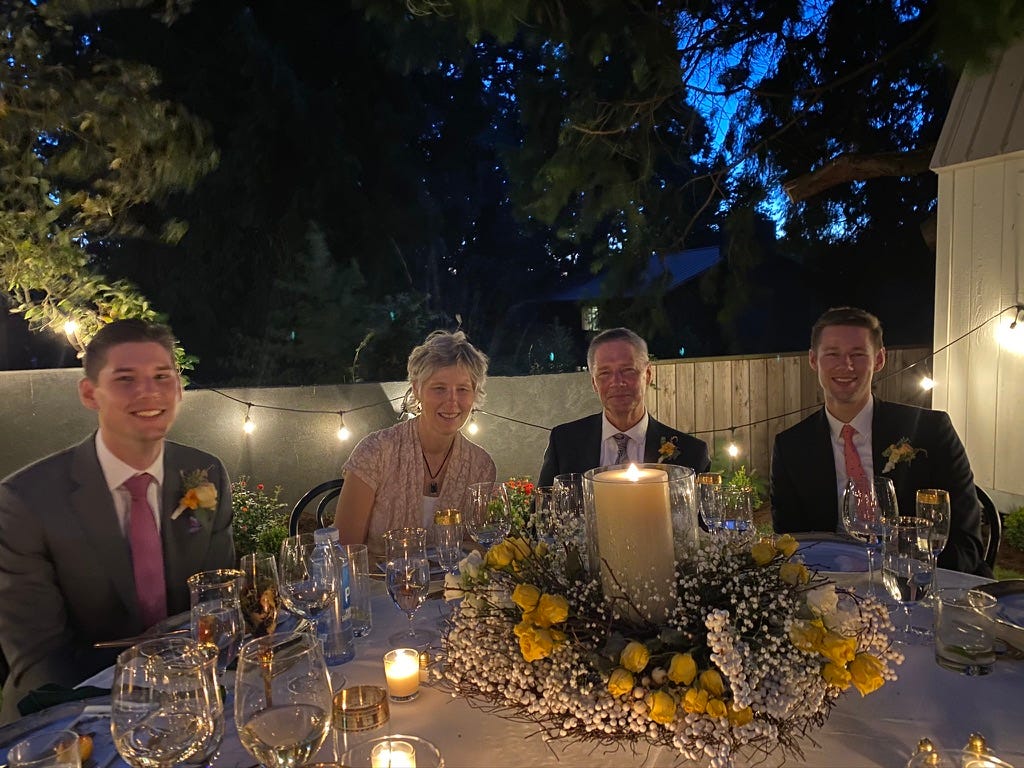
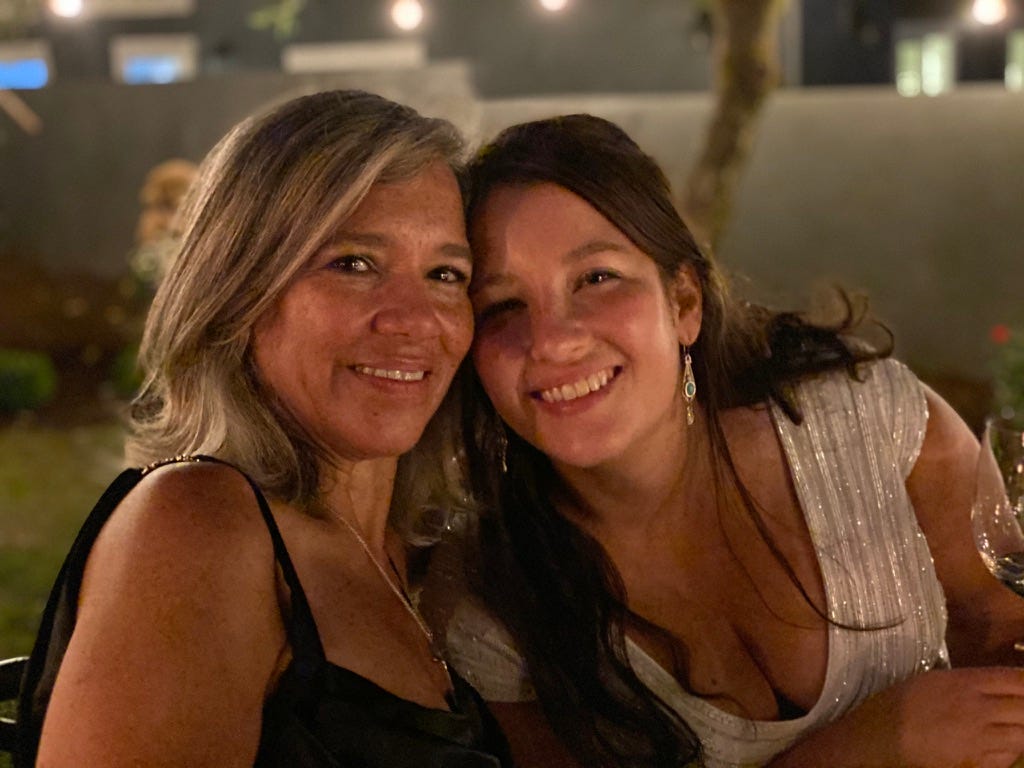
Our daughters wedding that was booked in a venue for several hundred was cancelled and we hosted a wedding party of 12 family members in our back yard. It was the most intimate and beautiful wedding I’d ever attended.
Then, just a few months later, another event changed the course of the city.
The killing of George Floyd sparked protests across the country, and Portland became one of their most visible stages. Much of the city came together peacefully to call for change. At the same time, some demonstrations were accompanied by vandalism, property damage, and confrontations that received national attention.
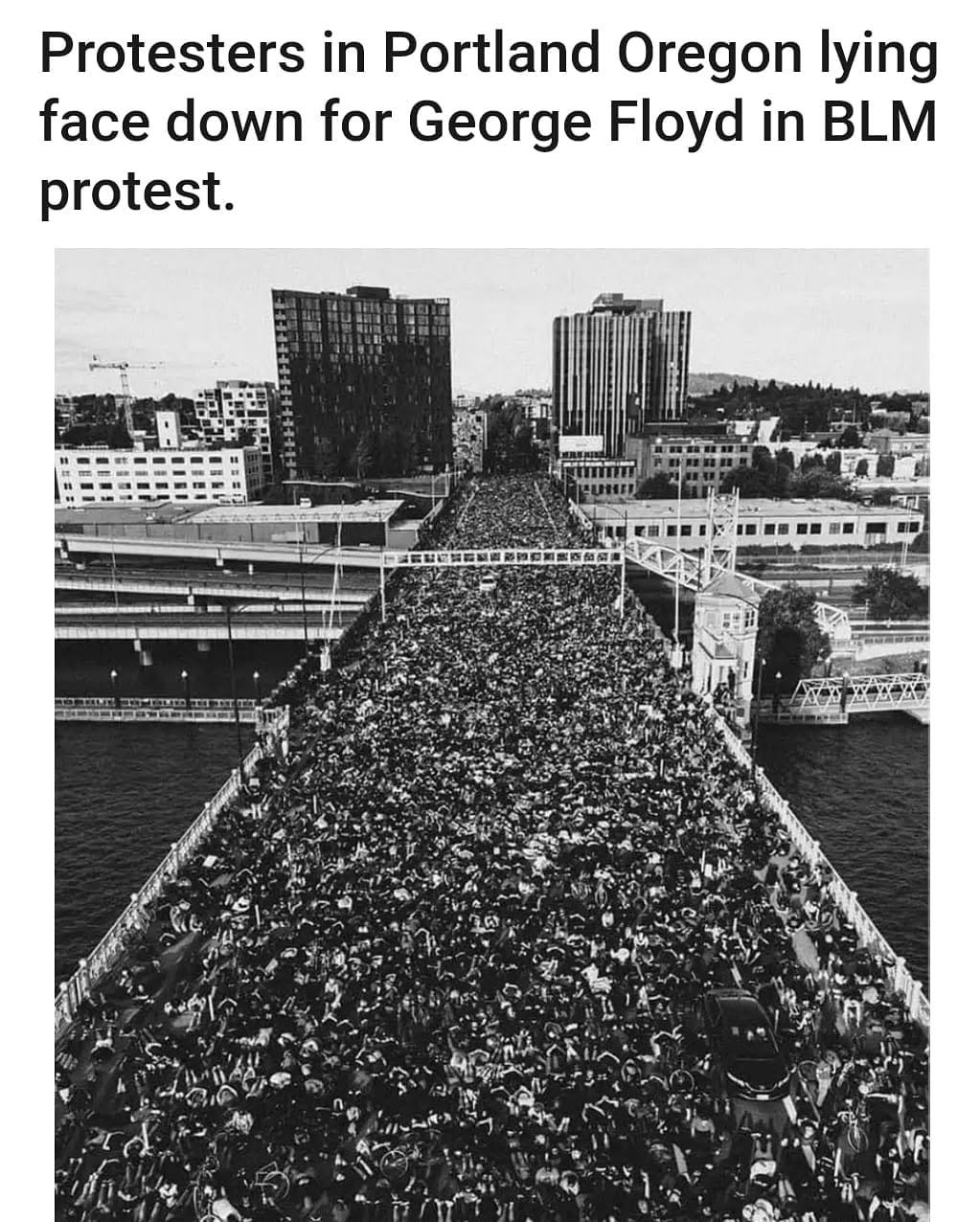
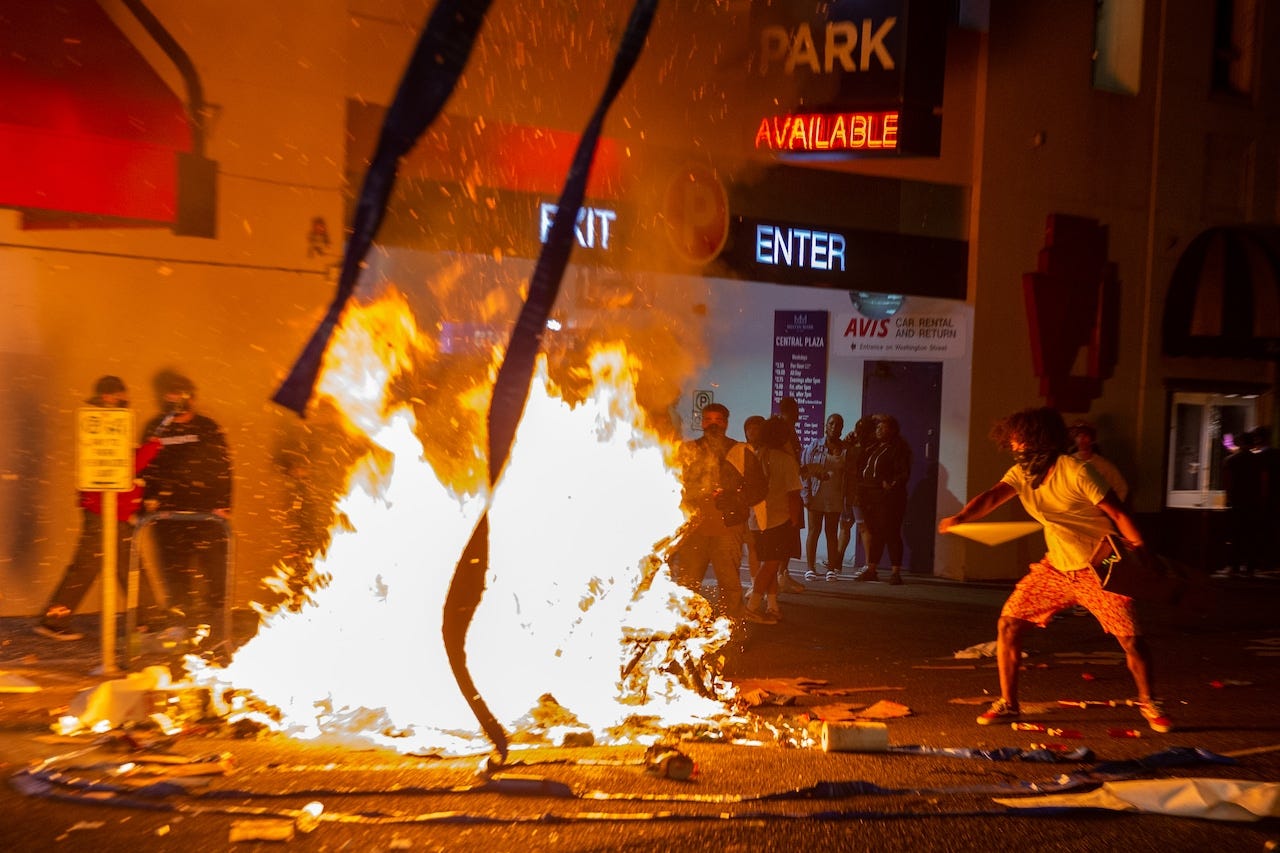
COVID had already emptied downtown offices and businesses. Now many storefronts were boarded up, visitors stopped coming, and uncertainty settled over the city.
As new residents, we weren’t comparing Portland to what we imagined it had been. We were comparing it to the city we had fallen in love with during years of visiting before we moved here.
Little by little, we began noticing changes.
Businesses we’d enjoyed visiting closed their doors.
Homeless encampments became more common in areas where we hadn’t seen them before.
Some parks and public spaces felt different than they had only a short time earlier.
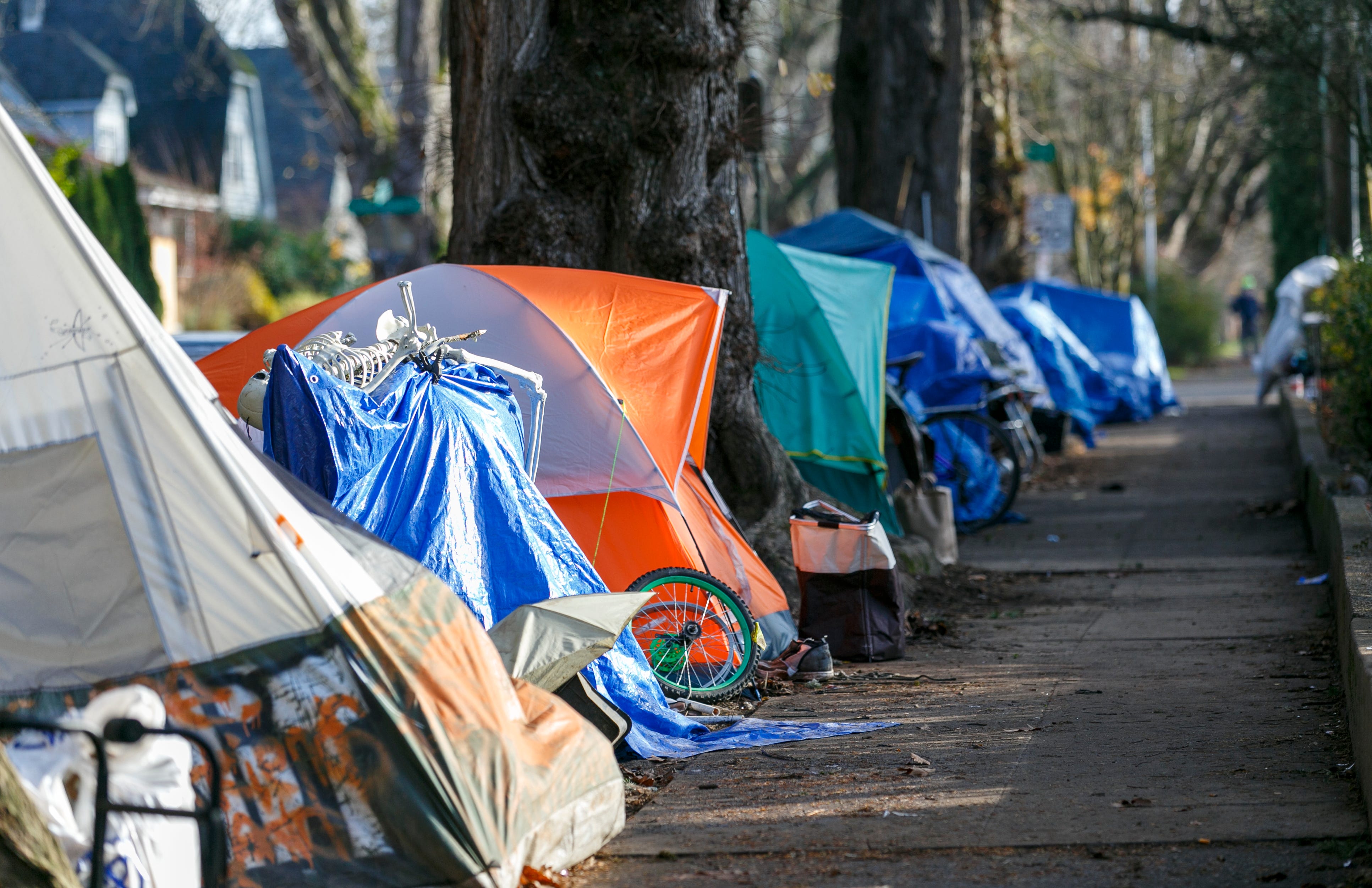
People we talked with increasingly shared concerns about public safety, open drug use, and whether downtown would recover.
Our own neighborhood remained beautiful, but even there we experienced challenges we hadn’t expected.
A house on the block behind ours gradually became what neighbors described as a drug house after the owner passed away. People came and went at all hours. Neighbors repeatedly contacted the authorities, hoping the situation could be addressed before someone was hurt.
The police officers we spoke with wanted to help, but it was clear they were stretched thin. Resources were limited, and resolving the problem took far longer than anyone expected. It wasn’t until a fire eventually broke out at the property that the house was condemned and the occupants were removed.
That experience wasn’t what defined Eastmoreland. In fact, what stood out most was the neighborhood itself.
People looked out for one another.
Neighbors communicated, shared information, and tried to solve problems together.
They cared deeply about their community.
The sense of community was one of the reasons we continued to love where we lived.
At the same time, we found ourselves wondering whether what we were experiencing reflected something larger than our own neighborhood.
Was Portland really changing?
Or was I simply noticing challenges that every major city faces?
Rather than rely on headlines or opinions, I decided to look at the numbers.
Population trends.
Migration patterns.
Business activity.
Crime statistics.
Housing.
Why were our property tax rates so high and why wasn’t that money reducing the problems that were growing in Portland.
The data told a story that was every bit as interesting as the one we had experienced firsthand.
For nearly three decades, Multnomah County had experienced remarkably steady growth. Then, almost overnight, that trend reversed.
What happened?
Where did people go?
And what can those numbers tell us about Portland’s future?
That’s where we’ll go in Part 3.
No posts
Comments
Nothing yet. Say the first thing.
Sign in to join the conversation.