RSS Amplifier

News source

Silicon Canals

Technology, Politics, Mind. Since 2014.

siliconcanals.comSource feed ↗10 articles

Overdue Last read · last published · next check
Last read 20 hours ago, longer than this feed's 1 hour schedule.

Written by

Latest articles

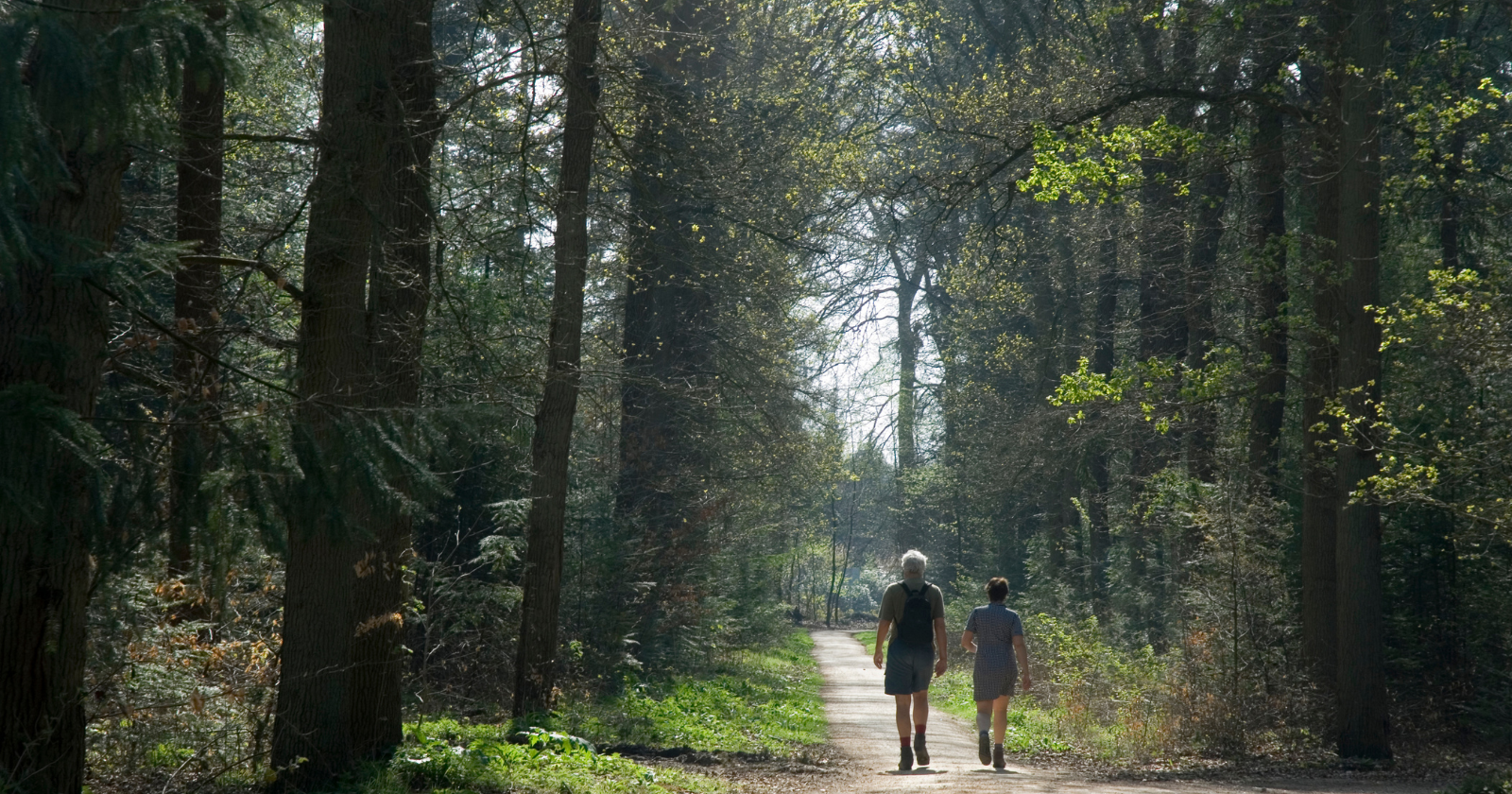
Psychology says people who feel genuinely restored after time in nature aren’t indulgent or avoidant —they’re often carrying a sensitivity that the built world was never designed to accommodate and the natural world never asks them to hide

For the highly sensitive, nature isn't an escape from life—it's the only place the world doesn't demand they turn themselves down.

Psychology says the kindest people you will ever meet aren’t naive or soft — they are often people who have experienced real pain in life and made a conscious choice not to pass it on to others

Suffering doesn't soften people into kindness by default; research suggests the gentlest among us made an active choice to break the cycle of pain they endured.

Feeling purposeless in your 60s or 70s isn’t simply a failure of character. Researchers can measure a broad decline in purpose across later adulthood, and some of its strongest correlates are exactly the losses that accumulate with age — declining health, widowhood and the disappearance of long-held social roles.

Longitudinal research finds an average decline in later-life purpose, but health, bereavement, social roles and even the questionnaire used all complicate the story.

Psychology says people who grew up in homes where affection was unpredictable often spend their adult lives doing something called hypervigilance to rejection — scanning every relationship for the early signs that the warmth is about to go cold

The vigilance that kept you safe as a child can become the lens through which you scrutinize every relationship as an adult, turning minor delays into evidence of abandonment.

Google’s ATLAS study analyzed nearly 15 million AI interactions across more than 150 countries and found that, for the non-routine cognitive work where AI is used most heavily, fewer than 10% of conversations attempted to automate a task end-to-end. For now, the real-world picture looks much more like humans working with AI than AI simply replacing them.

Google’s ATLAS dataset suggests most observed cognitive work with AI is collaborative, but its scope and enterprise exclusions limit what the finding proves.

Psychology says people who are genuinely content in their 70s aren’t the ones who avoided hardship, they’re the ones who stopped waiting for life to feel finished before they allowed themselves to enjoy it

The happiest older adults aren't those who finally checked everything off their list—they're the ones who stopped waiting for permission to be satisfied.

Psychology says people who become difficult to love in their 60s and 70s usually aren’t turning cold — they’re defending something, because at some point the people around them started making decisions about them instead of with them, and hardness is what’s left when you’re no longer sure you get a vote in your own life

When autonomy slips away in small decisions, people don't become difficult—they become defended.

Psychology says people who go through long stretches of adult life with no close friends aren’t socially avoidant or self-sufficient by choice — they’re often people for whom one early betrayal made the cost of closeness feel permanently too high

A single betrayal in youth can rewire how we calculate the risk of trust, leaving some people socially fluent but emotionally unreachable for decades.

Adults who take the long way home from work aren’t wasting time

The extra ten minutes on the drive home isn't inefficiency. It's a transition ritual most people never named, and the research on remote work, sleep, and later-life wellbeing suggests it was doing more than we credited it for.

In January 1962, Decca Records rejected The Beatles after a one-hour audition, telling their manager that guitar groups were on the way out and signing a local band called The Tremeloes instead — the four musicians they turned away went on to sell more than 600 million records

The record label that passed on four Liverpool musicians in 1962 made a decision that would cost them hundreds of millions in lost revenue.