
Hello Dear Reader,
It’s July now and we are fully immersed in the summer season. Our corner of the world has been sweltering in extreme heat these past few days. I can feel the energy of spring fully evaporated, replaced with a lethargy only this kind of intense heat brings to our minds and bodies.
So today, I want to sink into that sense of listlessness and share with you some thoughts on a book I recently finished: Lolly Willowes and my quiet witch ways of high summer (included in a little video I made from these past 2 weeks).
Sylvia Townsend Warner (1893-1978) was a unique voice in English history; she lived in an open lesbian relationship with fellow English poet Valentine Ackland during a time that demanded rigid conformity. The pair rejected the Church and were deeply concerned by the rise of fascism in the 1930s, travelling to Spain to support the Republican fight against Franco during the Spanish Civil War.
Lolly Willowes is her first novel, published in 1926. It is considered a feminist classic and is still relevant today. The same bold energy, rejection of conformity and fight for freedom are entwined in this small but powerful novel.
Laura (Lolly) is by all accounts, a misfit.
Growing up, she had no interest in parties, friends, or marriage. Her interests were rooted in the hills, forests and plants.
Remaining in her father’s house into adulthood, her fate is decided for her by her brothers after her father’s death: she would be a dutiful aunt and help raise her nieces in London. So, off she goes - pulled from her home in the countryside and everything that defined her: autonomy and the natural world.
She goes on to fulfill the role chosen for her for 20 years, erasing her true self in the process.
Now, in her late 40s something begins to stir in her that she chooses not to suppress: the urgent need for the natural world and to live for herself, by herself. After her nieces were married, she announces that she is leaving her brother’s house in London to live in a rural hamlet, Great Mop, called there by the leaves of Beech trees.
The family is aghast. How could she pursue such an unconventional path? They treat her with scorn for her decision.
Ignoring them, at 47, off she goes to live in an old house (it is England after all) in a small village, surrounded by mature beech forests in the Chiltern Hills, southeast of Oxford.
Slowly, she begins to make friends with her landlady. They bond over herbs, plants, fermenting. The town is strange, she hears music late into the night, but the townsfolk appear quiet, reserved, withdrawn. They leave her to wander the hills and ask little of her business.
And soon she finds out why.
Great Mop is a coven of witches with the devil himself as the leader. Lolly, crying out to the universe for personal freedom inadvertently makes a pact with the devil (also known as the Loving Huntsman), initiating her into the coven at Great Mop and in doing so removes the invisible chains that bound her mind.
Finally, she is free and allows herself to just be:
She knelt down among them and laid her face close to their fragrance. The weight of all her unhappy years seemed for a moment to weigh her bosom down to the earth; she trembled, understanding for the first time how miserable she has been; and in another moment she was released. It was all gone, it could never be again, and never had been. Tears of thankfulness ran down her face. With every breath she drew, the scent of the cowslips flowed in and absolved her.
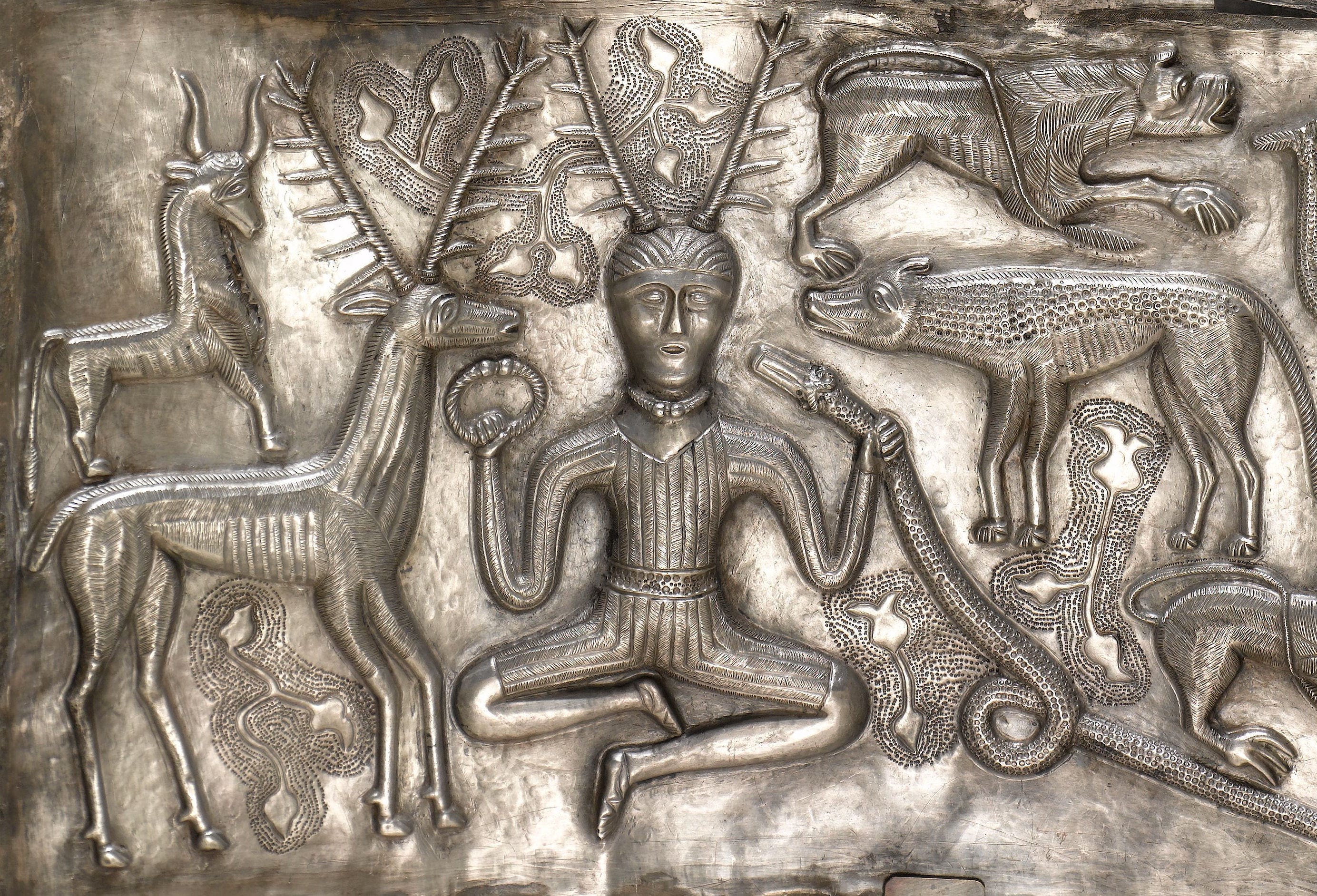
The character of the devil in this story is interesting - it is much more akin to the Horned God / Cernunnos or King of the Fairies than the Christian Devil - a liminal shape-shifter who represents pure wilderness, neither good nor bad.
In folklore, the Devil contractually binds the human soul in exchange for power and wealth, a Faustian bargain.
Now Laura is granted freedom from the traditional roles, from the guilt and shame of not wanting to play the part written for her.
The antithesis of power and wealth.
And that’s where we come to our own stories, embracing the witch, the wilderness, living a life of one’s own (hopefully not making pacts with the devil or the king of the fairies - a great literary device but do not advise).
Let them be aghast, for the people that really care will understand.
The writing can fluctuate between being a bit dated and feeling strikingly modern. While Lolly lives in town and is fulfilling her roles assigned to her, I find that the writing does very much feel like a time capsule of the early 20th century with remnants of Victorian literature. However, when nature is the focal point - it feels like it was written yesterday.
As if… nature is true and constant and can easily bridge 100 years. It’s a great metaphor for Lolly herself (and all of us nature misfits) that our true nature transcends time.
Today, we certainly don’t need to make a pact with a supernatural being to just let ourselves inhabit who we really are - whoever that may be.
But, it still holds true, that there may be some hesitation, fear of judgement and societal expectations that hold us back.
There are some things I do in my life that allow me to align with my true solitary witch-self that are completely ordinary (no coven, pact required) like riding my bike, growing herbs in pots, tending to a small garden, making tea from plants outside, reading books, going in bodies of water, admiring every boulder and moss, every stream and star, spending time with animals, feeding the birds, knitting with wool… I could go on.
Stepping into your own quiet witchery isn’t about joining a coven or casting spells, but rather taking the time to observe plants, the wind, the tides, birds and stones. It’s taking a moment to admire a trickling stream, mushroom or chickadee. Having a meditative coffee outside or going to your closest body of water and feeling the raw power of nature.
Quiet Witchery to me is simply recognizing nature, living with and in it.
Not chasing fame, power or wealth but just becoming one with your surroundings and acknowledging the cycles that carry us through this world.
There are such healing forces woven into the forests, sea, lakes, rivers.
This is one reason I am moving to the woods, because I love solitude and feel like I can’t truly be myself without it and a woodland of my own offers just that. Unobserved, barefoot under a full moon.
So, this season (and many more to come) may the beech leaves guide you to live for yourself.
Do you have any quiet witchy ways about you during the summer (or winter) season?
One doesn’t become a witch to run round being harmful, or to run around being helpful either, a district visitor on a broomstick. It’s to escape all that — to have a life of one’s own, not an existence doled out to you by others…
☾ Thank you for being here with me.
If this piece meant something to you, please consider forwarding it to a friend who may enjoy it. Alternatively, you can support my work by visiting my online shop. ☾
Comments
Nothing yet. Say the first thing.
Sign in to join the conversation.