The IT market is built for sellers, not buyers. That's why 80% of tech buyers regret their last major purchase. Deals take longer than they should. Teams get locked into platforms that don't fit, contracts they can't escape, and vendors they wouldn't choose again. The pitches, demos, and analyst reports are built to close deals, not help buyers make the right one. Signed is the podcast for the buyers. Host Max Clark, CEO of ITBroker.com, talks with CIOs, CFOs, operators, and founders who've…
Every vendor stretches the truth somewhere in your sales process, and most buyers respond to all of it the same way, forgiving everything or torching a good deal over nothing. In this Playbook, Max Clark sorts vendor lies into three categories, a harmless stretch, one rep's invented promise, and a lie the whole company stands behind, and gives a different response for each. Then he turns the…
Your security tool says you're protected. Most of the time nothing is lying to you on purpose. It's just reporting what it was configured to report, whether or not anyone ever checked if that setup was correct in the first place. Zach Stewart, CISO and Director of IT at Steno, spends this conversation walking through exactly where that gap hides, and it's not only the tool. There's the BAA that…
Your website is no longer read only by people. Tony Lauro opens this episode with a client whose sequential order numbers let a competitor read their daily volume through a public API. No breach. No alert. Just a number counting up in plain sight. The same blind spot shows up when a product drop gets sniped by bots in seconds, or when the large language models you're exposing to customers and…
Six months before the largest retail breach in U.S. history, Target's threat detection system worked exactly as it was supposed to. It caught the attack. It fired five separate alerts. Then nothing happened, because the system could watch, but it couldn't act. That gap between detecting a threat and stopping it is where most MDR contracts fail their buyers. Max Clark recently evaluated a well…
Most Teams Voice buying decisions start with carrier pricing. This conversation argues that's backwards. Before comparing price per seat, you need to know who's actually running the infrastructure, what you're locking yourself into, and which risks stay invisible until after deployment. Eric Burton runs National Channel at AudioCodes. He spent two decades selling dial tone on the carrier side…
Anthropic built Claude Code. Anthropic still couldn't stop its own source code from leaking straight into a competing product. If a coding tool is running behind your VPN right now with full access, this conversation names what that's already costing you. Thomas Cooper is AI Product Lead at Expedient, where he works daily with enterprises building AI governance after the fact, once a tool is…
The clause that matters most in your vendor contract is usually the one everyone skips. It sits there looking harmless until a patent troll shows up. By then you cannot renegotiate it. In 2025, patent trolls filed more than half of all U.S. patent lawsuits. In high tech, it was over 90%. More than half their targets were companies under $25 million in revenue. They are not chasing Apple. They are…
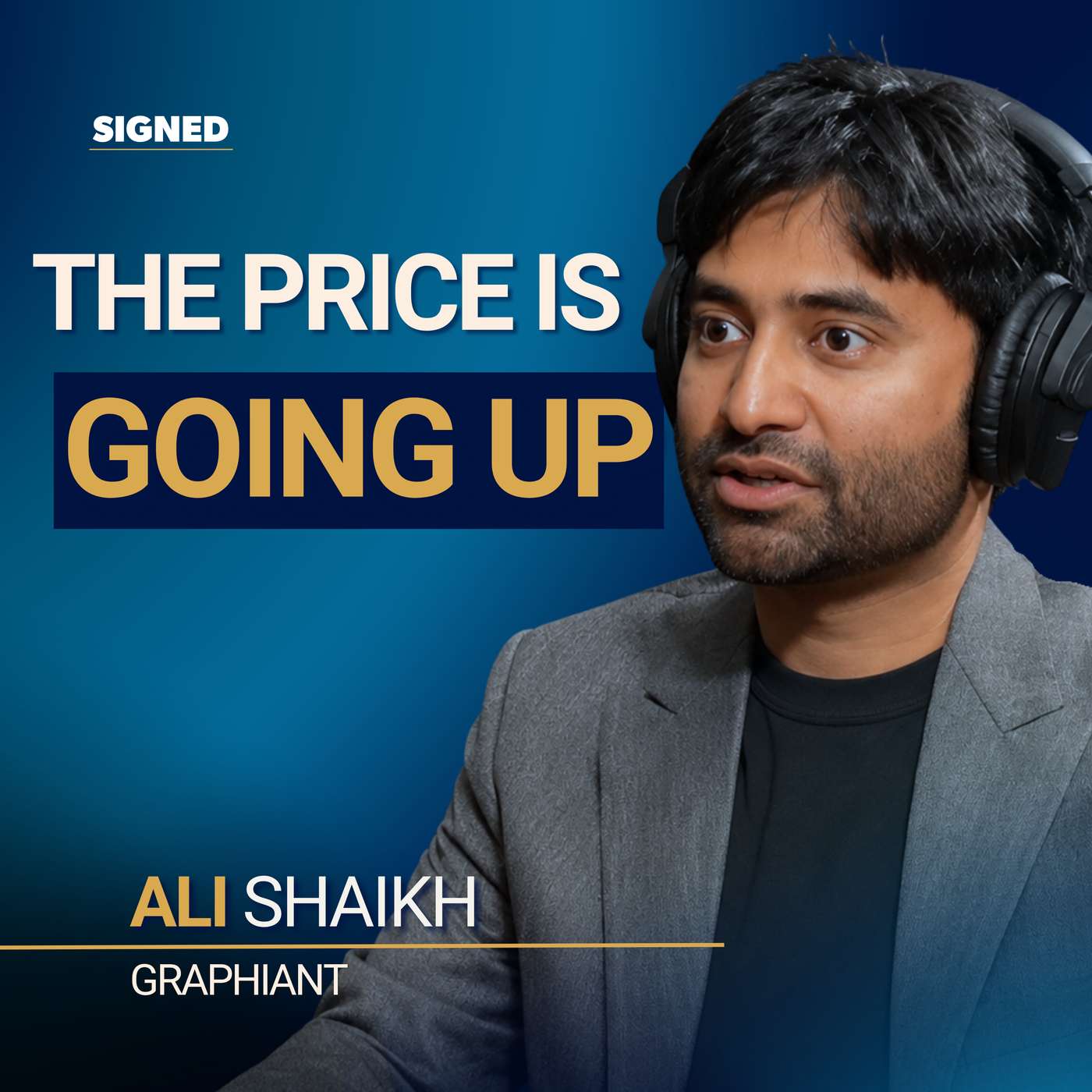
Lumen just announced it's acquiring Alkira. If your network strategy runs through a vendor that just changed hands, or through one that might, this conversation covers what actually happens next. Ali Shakh, CEO of Graphiant, was part of the Viptela founding team when Cisco acquired them. He was in the room for that integration. Prices went up. Not by a little. The customers who got hurt were the…
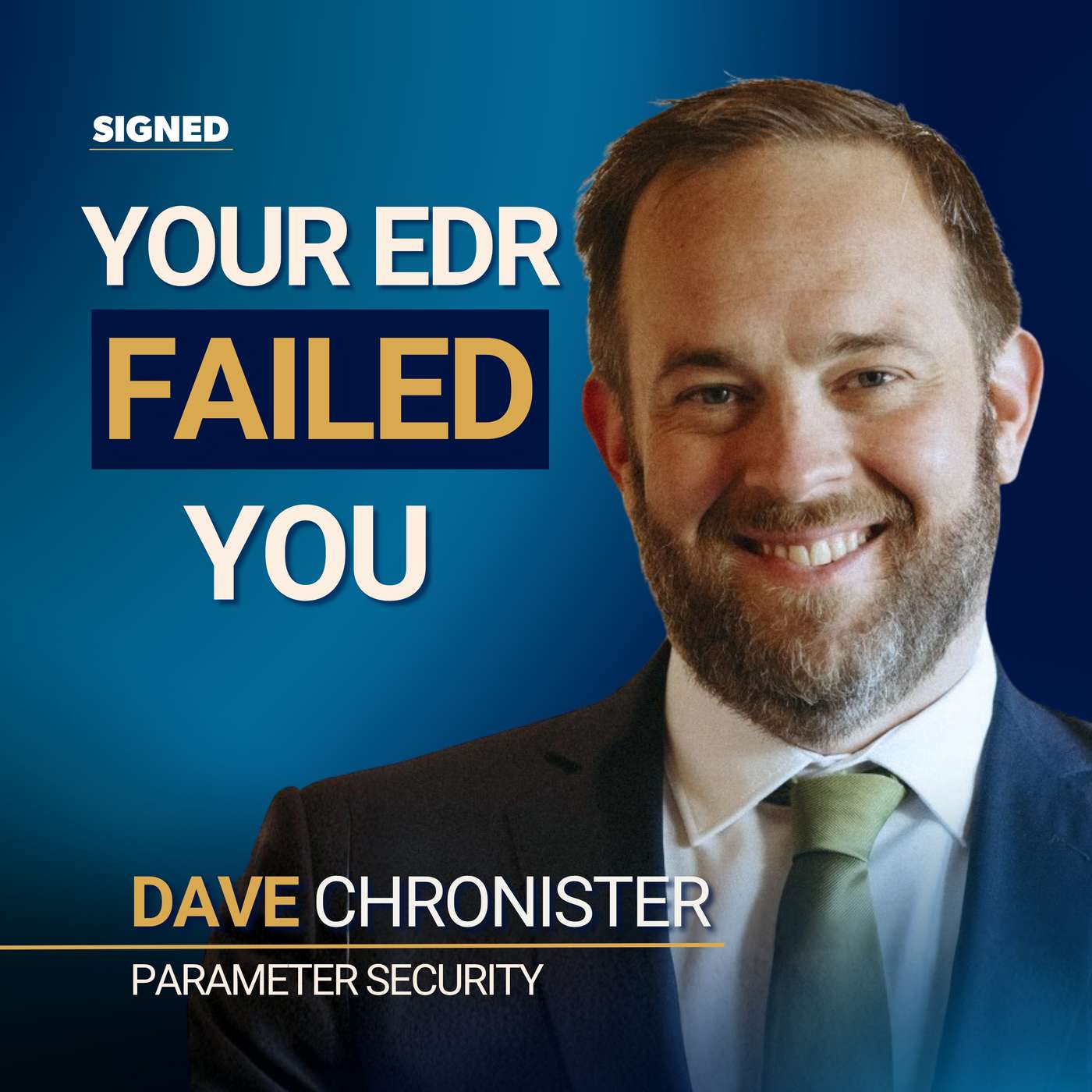
Dave Chronister has been doing penetration testing and incident response since 2007 — back when Fortune 500 CIOs called it a novel concept. In the years since, he's walked into breached environments where the EDR was running, the MDR was installed, the SOC 2 audit had passed, and none of it mattered. This conversation covers the gap between what companies think they bought and what they actually…
You've read the post. A CEO goes on LinkedIn. Hard decision. I own this. Because of AI, we'll come out leaner, faster, stronger. Max Clark has written one of these. He's also been on the receiving end of one. In this Playbook, he breaks down what that post actually says — and what it's designed to leave out. Not to indict the people who write them, but to hand you one question: whenever a company…