

In the previous article, we explored the types of activities that individuals can undertake to start moving the needle to combat climate change. That being said, it's essential to acknowledge that significant changes in our own behaviors are also necessary in the long term, even if they may not currently be the most impactful.
According to Project Drawdown, we can reduce up to 25% of our individual and household footprint by re-imagining our behaviours and what we consume:
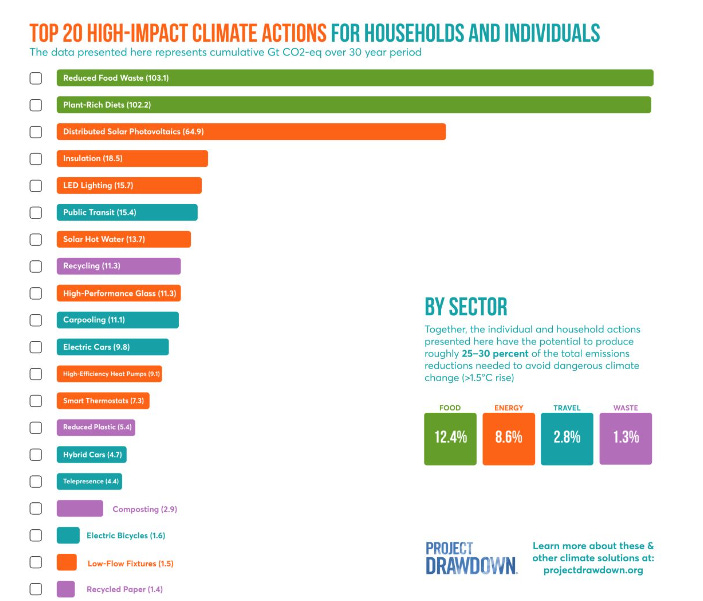
Source: https://www.linkedin.com/posts/project-drawdown_project-drawdown-has-identified-a-list-of-activity-7117900444739256320-EvRA/
Shift to renewable if you can. Some countries allow for some greener suppliers without moving away from the grid.
If you own your own house, you can move to solar very easily at zero cost: https://getsolar.ai/
If you own your home, consider obtaining a green loan from local banks to enhance insulation. In a house, inadequate insulation can result in substantial cooling/heating losses, significantly contributing to our energy consumption and carbon footprint.
Swap your bulbs to LED’s.
Reduce usage of certain electrical appliances, such as - air conditioning when possible, with washing machines being the largest culprits of energy loss and emissions.
Try to reduce as much meat, dairy and fish intake when possible.
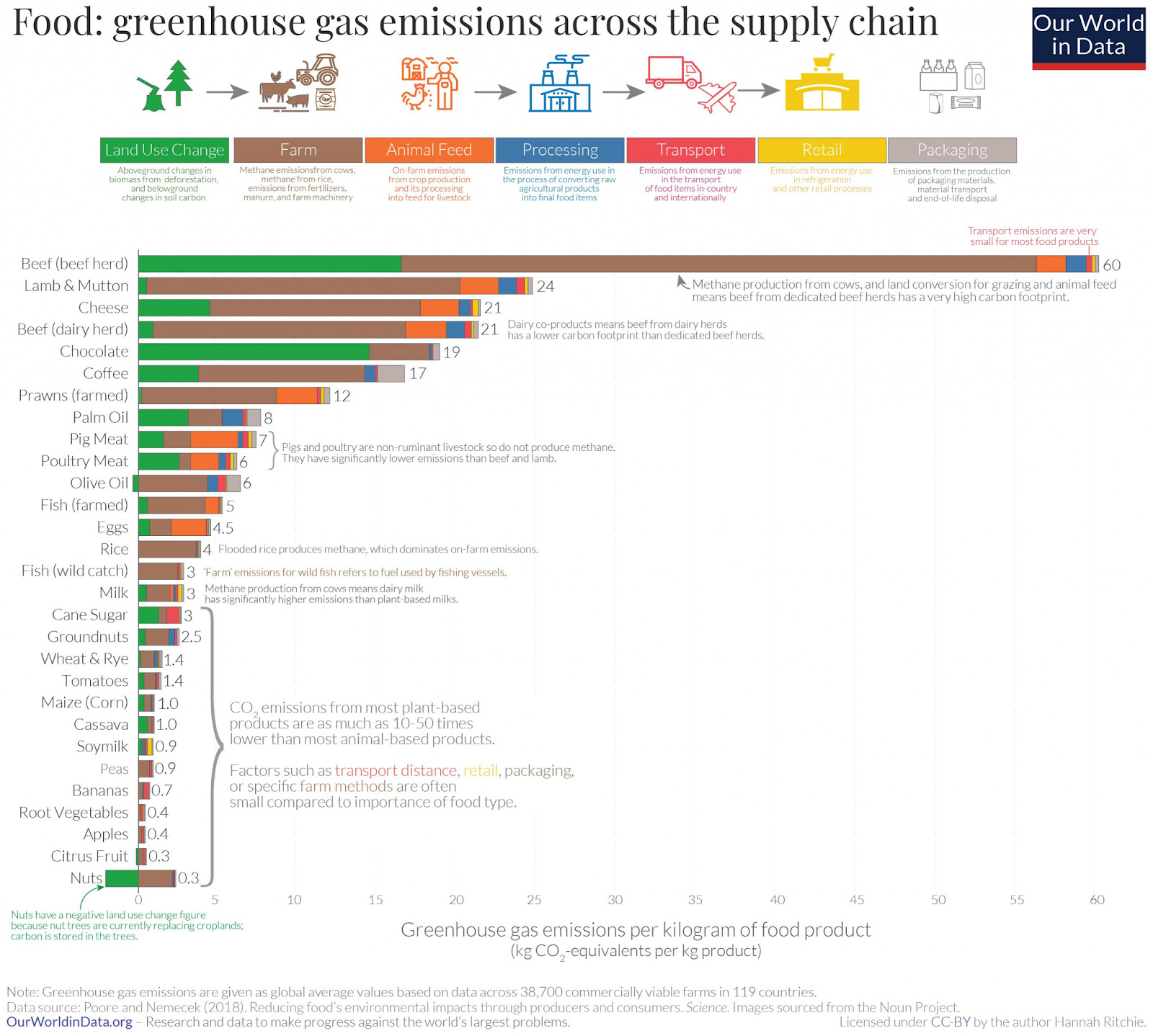
If you can go vegetarian or even vegan on some days of the week where it is easier, or even choose a vegan dish in restaurants when they offer the choice (which more are doing day by day). They are usually the healthier choice.
If not, try organic food, locally produced (although that choice only removes the carbon of the transport of the goods), Pesticides and fertilisers have a notoriously bad carbon footprint.
Try growing some of your own fruits and vegetables - one good way to be introduced to this activity is by joining a community garden if you have access.
Can you think of alternatives before buying?
Have you asked around you and groups before buying new item? Perhaps borrowing from your peers or network is possible
Have you checked second hand platforms?
Have you tried composting your food waste? If you have an outside space like a balcony it is actually pretty easy. Check out this from The Green Collective: https://www.thegreencollective.sg/products/urban-composter-kit
Think twice before buying. Buy only necessary items
If certain items need to be disposed of, try to sell it first on platforms like Carousell & Reebelo. A second good option would be to donate items via local charities. Lastly, if possible, recycle responsibly!
May I suggest moving? Frankly I don't think most of us would think that to reduce our carbon footprint moving can be an option and yet the fact is that smaller places and some of new buildings are much better at conserving energy and reducing carbon and older and larger places.
If you own your space, green debt for insulation and solar powered rooftops are possible (Check out your local banks for financial help).
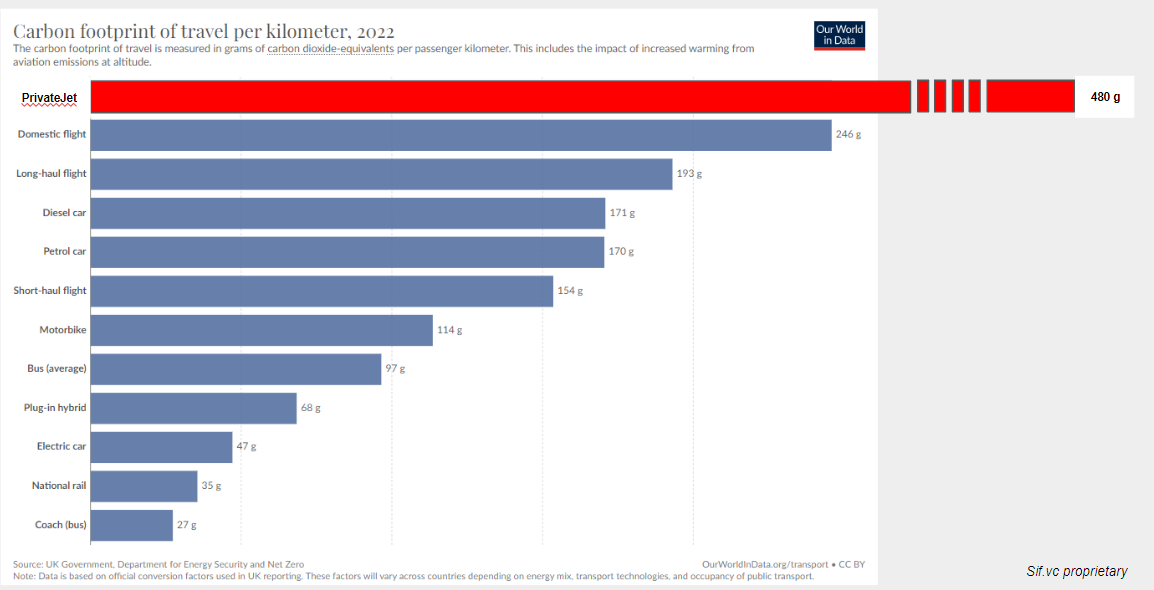
Dare I say it? No Private Jet. Ever. In fact Europe is moving to ban or heavily tax them all together for that reason.
https://www.forbes.com/sites/alexledsom/2022/09/04/france-europe-eyes-heavy-taxes-or-bans-on-private-jets/?sh=47dc71be5e41
Air-travel less. Definitely take the train if this is an option for you. If you do travel by air a lot, choose economy class!
For example, the difference between a Business Class and Economy Class from Singapore to London return flights is:
Economy

Business (4X more carbon emissions!)

Source: https://co2.myclimate.org/en/flight_calculators
Locally, walk or take a bike when you can.
Take public transport as it is the next best thing.
Sharing or renting of vehicles is a viable option if public transport does not reach where you need to go. In Singapore use: https://getgo.sg/
Put your own vehicle for rent when not in use. In Singapore use: https://www.drivelah.sg/
In our part of the world this one is tough but I do think that fans can work well 90% of the time but that is an unusual personal habit if you do have access to Air Con.
The synergies between reducing our carbon footprint and reducing our water consumption can be obscure and yet reducing water does reduce the Energy Consumption necessary for pumping, cleaning and maintaining our water consumption.
There are some good consumer good tools out there
Don’t believe the programs offered by the brands themselves. They usually do not calculate the right carbon footprint for their products so that it is more affordable to “be green”.
Airlines for example have previously calculated a few dollars of offsets for my flight whereas when I used independent calculators it needed to be funded a lot more.
A few programs that can help dependent on how much offsets you need:
https://www.climateimpactx.com/ (large)
https://www.forestbase.io/ (smaller)
https://www.treedom.net/ (small)
https://www.recoolit.com/ (novel way if you want to try)
Build one carbon project yourself:
Be tolerant regardless of people’s option. One of the worse things we can do is to be intolerant of people’s solutions and judging where they are at in their journey. Soft education is key. Every little bit helps and slowly ramps up.
Beware of Climate Doom-ism. Learn from startups and solutions on what can be done or talk to people if you feel that working on this is frustrating and sometimes a bit depressing. There is definitely something called “Climate Depression” and it sometimes needs to be actively managed.
Importantly and generally it is now proven that how decisions are made in a household can benefit from diversity of thought and perspective so include more people around you in what you are trying to do as there could be a low hanging fruit that someone else has already done.
Ask for help externally. Even AI recommendations are usually pretty good on specific topics but don’t forget your good old fashion way of talking to people around you even if not in your immediate vicinity.
Every little bit helps so start small and build towards more.
There is no bad start or anything that is too small. Be cognizant as to where your footprint is, what can be optimised but also where to go next. Our journey is our own and some of the suggestions are much harder to do than others. Start where you feel comfortable.
That being said, it will take all of us to change behaviour to move away from carbon intensive practices and buy more sustainable options where available, the most impact we can have, again is to shift our dollars and votes to start moving things that we can only influence indirectly. We should all count on each other and be inspired by others’ actions to do better all the way to a carbon free future.
@David Pardo for @Sif.vc
Disclaimer: some of the organisations suggested we have been affiliated or have invested into so I have a vested interest to see them succeed. You should always do research and find your own relevant or best option for you.
No posts
Comments
Nothing yet. Say the first thing.
Sign in to join the conversation.