
I’ve been diving into the latest data from the IEA, and while the global headlines focus on decarbonization, the story looks very different depending on where you stand. The data reveals a massive divergence between the “Standard” narrative and the reality on the ground in emerging markets.
Here are the critical takeaways, starting with the often-overlooked shifts in Southeast Asia.
The battle for efficiency and unique mobility pathways.
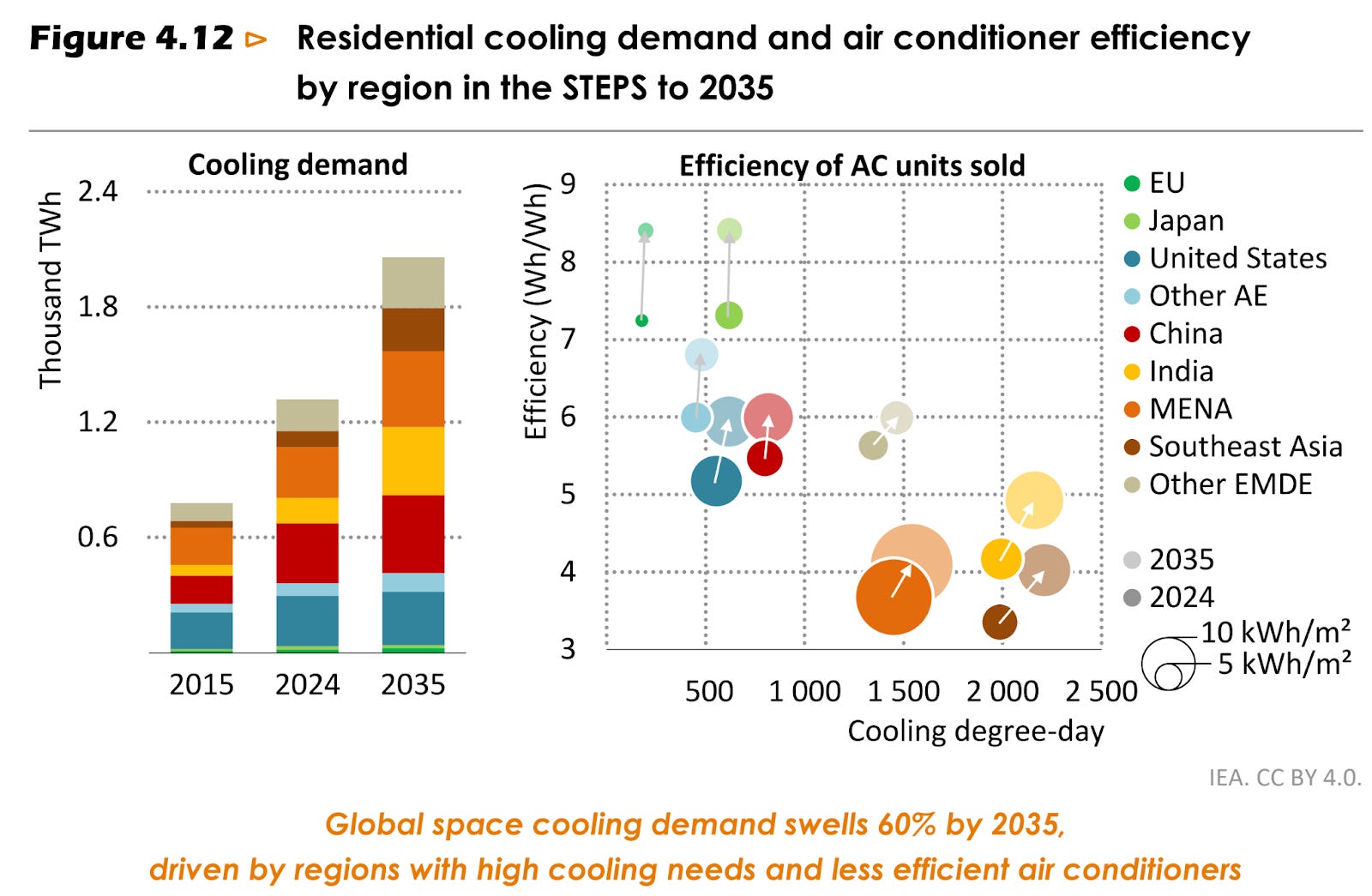
1. The “Cooling Crunch” is the Next Big Challenge As temperatures and incomes rise, cooling demand in Southeast Asia is surging. However, the data highlights a critical efficiency gap. While the EU and Japan are selling AC units with high efficiency (6-8+ Wh/Wh), Southeast Asia is seeing a boom in demand but is still relying on units with much lower efficiency (around 3-4 Wh/Wh).
The Insight: Without strict efficiency standards, the region’s grid will face massive pressure solely from keeping buildings cool.
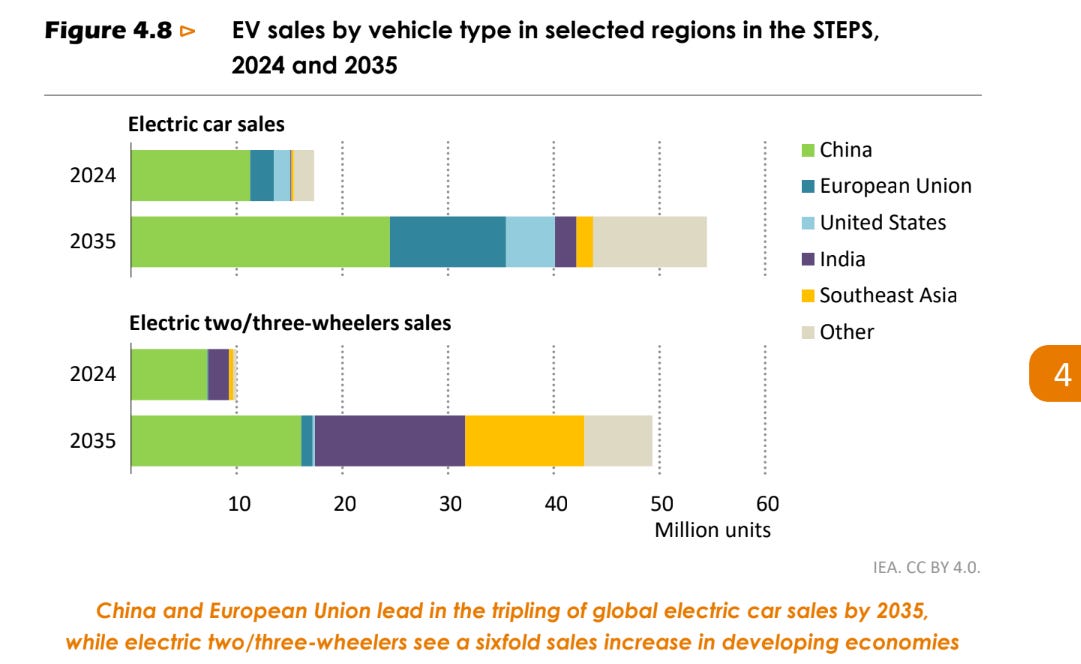
2. It’s Not About Cars, It’s About Everything Else: While the world watches Tesla and BYD, Southeast Asia is electrifying differently.
The Insight: The path to net zero in SEA runs on two wheels, not four. Policy and infrastructure need to reflect this distinct reality. By 2035, the region is projected to be a massive player in electric two and three-wheelers and we’d hope we can massively decarbonise the maritime and the aviation industry with a progressive roadmap for remediation technologies and leapfrogging the true carbon 0 scientific breakthroughs.
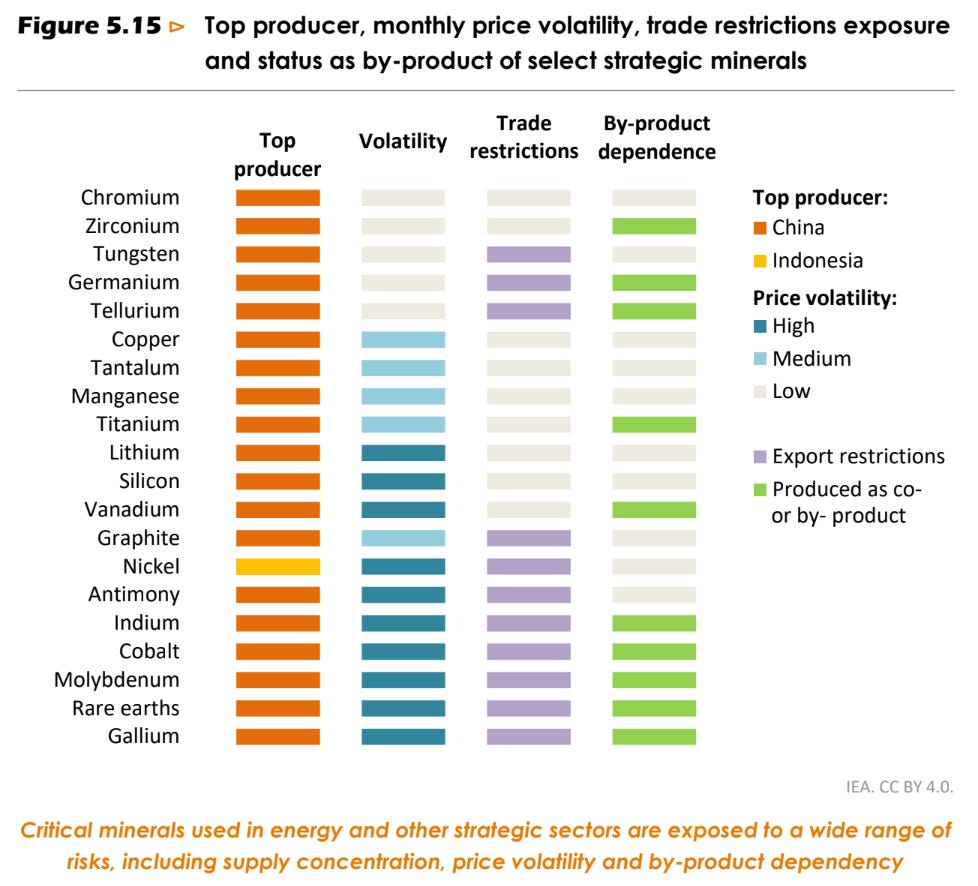
3. Indonesia is the Critical Mineral Kingpin The supply concentration for clean tech is intensifying. Look at Nickel: Indonesia’s share of global supply has exploded between 2020 and 2024, overshadowing other producers.
The Insight: Any global EV battery strategy that ignores Indonesia’s supply chain dominance is incomplete but the pressures of new chemistries will certainly put pressure on the relevance of each mining exporter in the supply chain. The one that won’t be in question is China’s hegemony.
The rise of AI and the decoupling of growth.
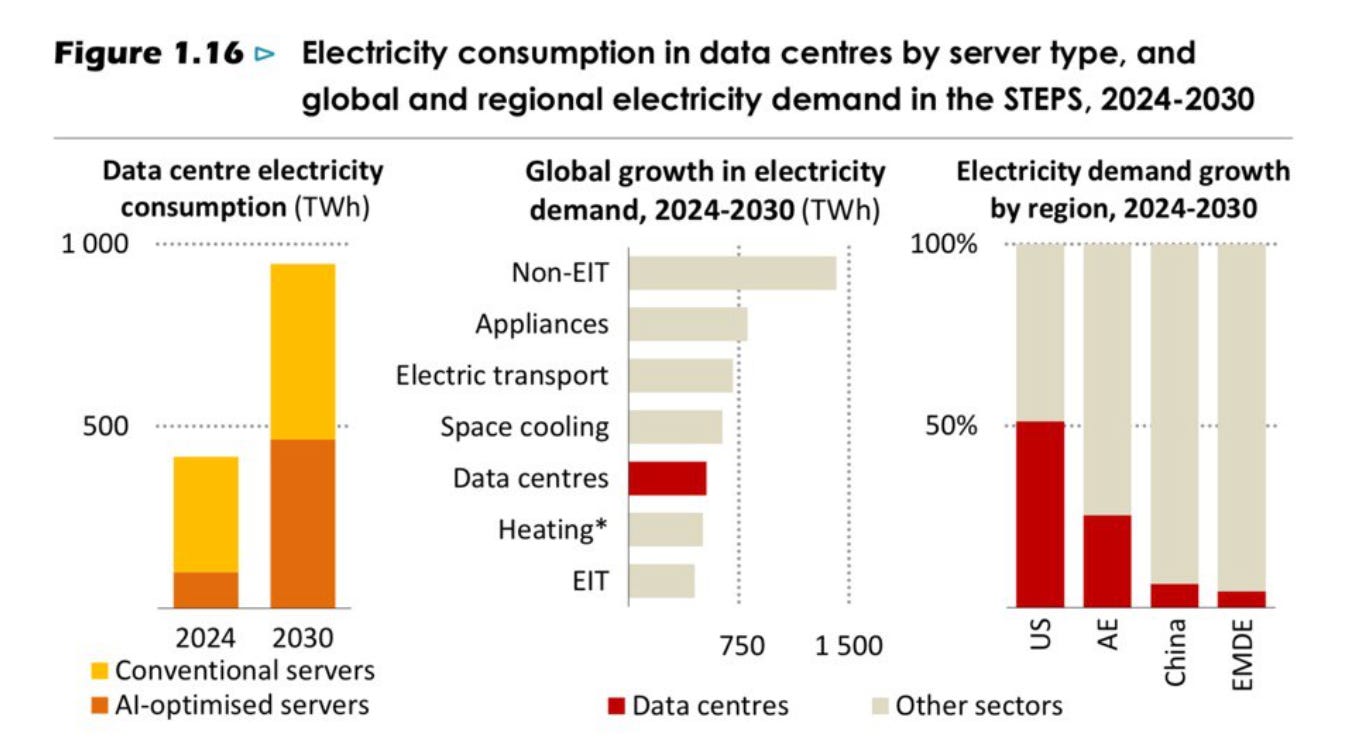
1. AI is Thirsty for Power We can no longer ignore the digital footprint. Data center electricity consumption is set to double by 2030, driven heavily by AI-optimised servers.
The Reality: The energy sector needs to prepare for a new kind of baseload demand driven by computation, not just industrialization.
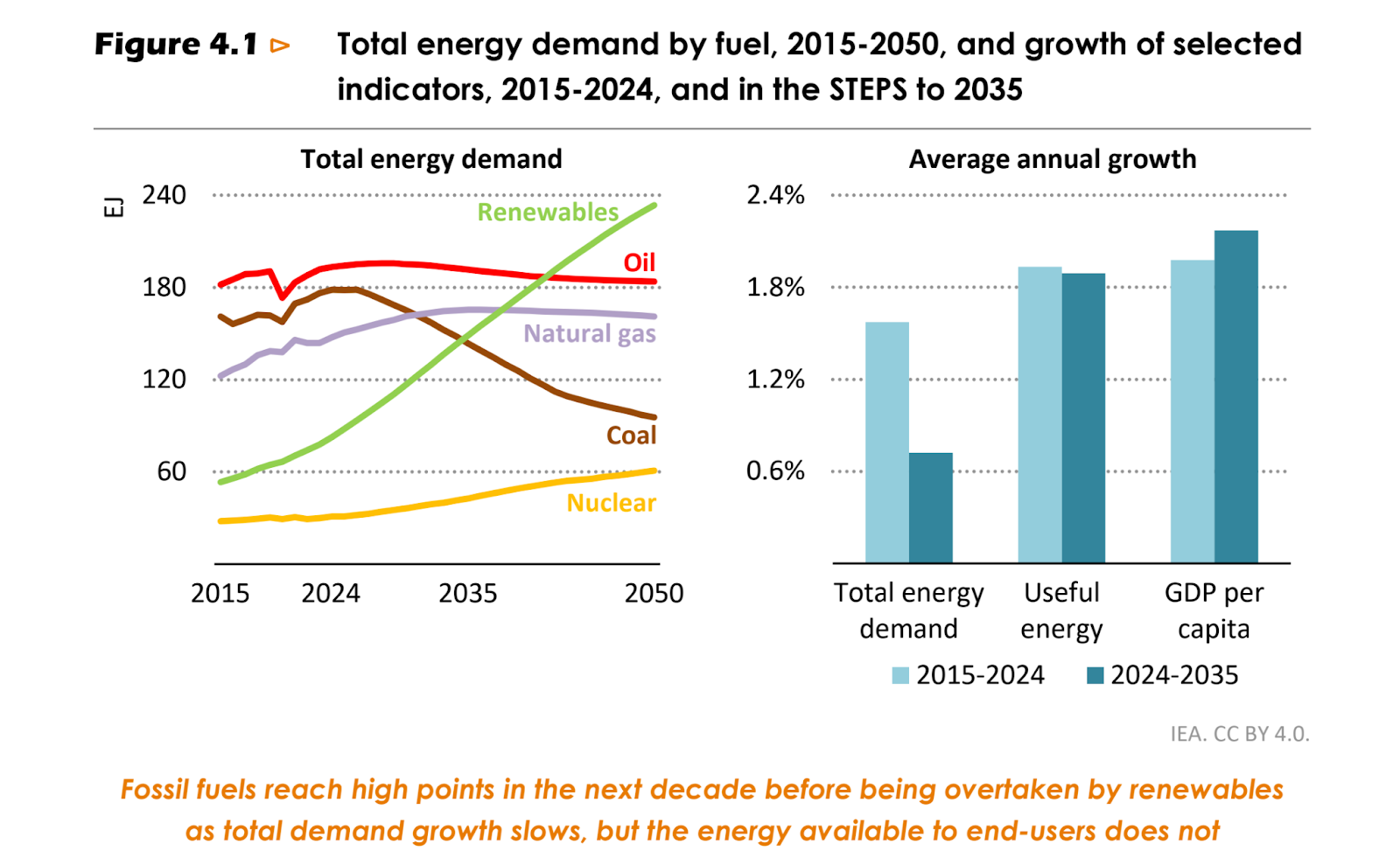
2. The Great Decoupling is Here There is good news. We are finally seeing a divergence between GDP per capita (rising) and Total Energy Demand (flattening).
The Reality: We are getting better at doing more with less. Efficiency is doing the heavy lifting, allowing economies to grow without a linear increase in energy consumption.
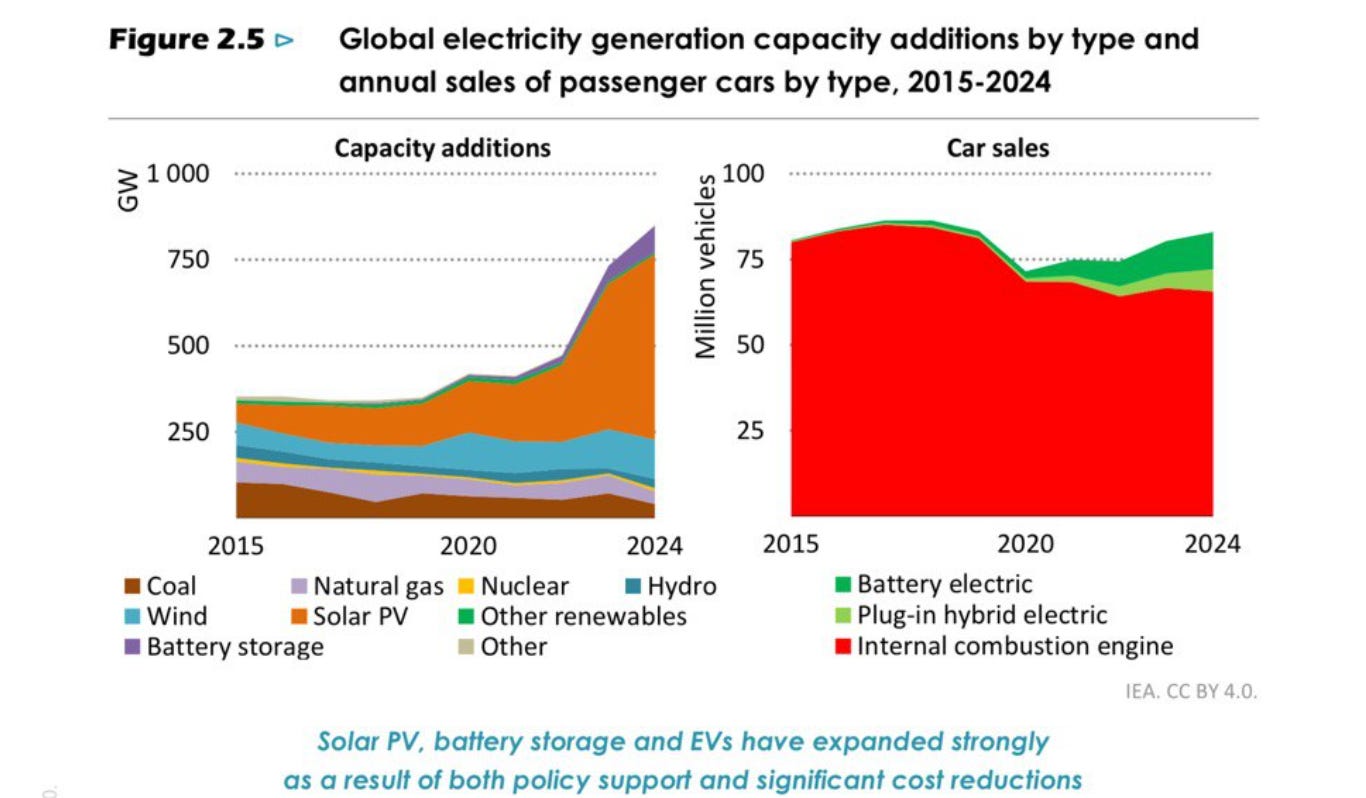
3. Solar is Eating the Capacity Stack When looking at global capacity additions, Solar PV (orange block) is absolutely dominating coal, gas, and nuclear combined from 2020 to 2024. The era of fossil fuel capacity expansion is effectively over; the era of renewables is the new baseline.
The Bottom Line: The transition is global, but the solutions are local. For Southeast Asia, success lies in renewable energy deployments, efficient cooling and greening transport. For the wider world, it’s about managing the energy hunger of AI while deploying Solar at record speeds.
Which of these trends will impact your industry the most in 2025?
#EnergyTransition #SoutheastAsia #IEA #Sustainability #EVs #DataCenters #Renewables
Full report here: https://www.iea.org/reports/world-energy-outlook-2025
Some of my other favorite charts:
No posts
Comments
Nothing yet. Say the first thing.
Sign in to join the conversation.