
The UX designer’s industry is filling with engineers, teachers, nurses, and accountants reinventing themselves as designers. But at every meetup I attend, I hear the same shaky answers to "Why UX design?" i.e usually some mix of "I like creativity" and "tech pays well." But if you want to transition successfully, here are a few things I recommend you strongly follow to stand out and find your first UX design job!
The worst reason to start your UX design journey is to fear that you’ll miss out. I highly suggest you to stalk the profession before rebranding yourself and calling yourself a UX designers by just learning Figma and having a few UI screens which has no narrative or impact.
Do this instead:
Shadow designers through platforms like ADPList, LinkedIn, YouTube. (plenty of other resources out there)
Join Whatsapp communities to find a peer to collab with and learn from. (Figma has plenty of groups to join. Join one from your city here)
Study portfolios of practicing designers!
Pro tip
If terms like "service blueprints" and "design ops" make your eyes glaze, UX design or management roles might not be the right choice. Think thrice before you commit to this as a long term career.
UX for healthcare apps ≠ UX for crypto dashboards ≠ UX for smart refrigerators.
Early in my career, I wasted months working at B2C startups before I realized I thrive working with B2B and SaaS solutions because of the complex business challenges it comes with. If you have decided to move to UX, do this task and I bet you’ll have more clarity than ever 👇
Step 1: List 3 industries where your past experience gives you an edge (e.g. ex-if you are a pharmacist → health tech)
Step 2: Find 10 companies in those spaces on LinkedIn
Step 3: Reverse-engineer what their design teams value and build projects on similar topics
No client work? No problem. Redesigning Instagram’s logo or a website won’t impress anyone.
Do this instead:
Pick a product you’ve used weekly for a little more than 6+ months
Document specific pain points (e.g. "Amazon’s checkout flow violates Hicks Law by…")
Prototype solutions in Figma, then test with real users
Pro tip
Document everything! But make sure you draft your project more like a pitch than just a case study!
I met a designer a few months ago who landed a Product Design role by analyzing a banking app – and emailing the project to the company’s head of product!
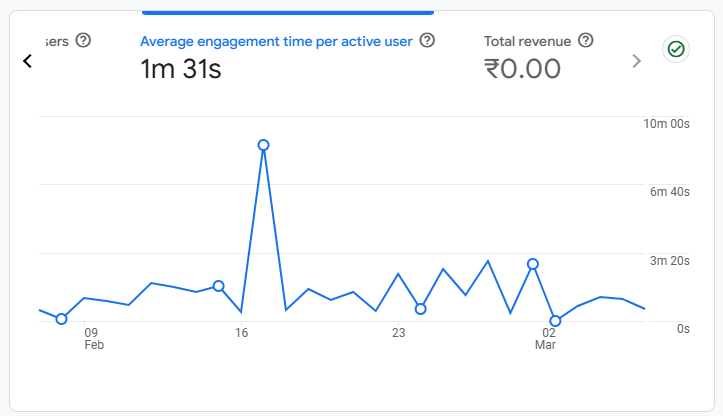
Hiring managers spend anywhere between 30 seconds to 2 minutes per portfolio. Here’s the proof
Stop obsessing over:
❌ Perfect animations and visuals
❌ Mockups floating in dystopian landscapes
❌ "About Me" pages with childhood photos
Focus on these instead:
✅ Use a simple Webflow/Framer/Notion or any other template you are comfortable with to start with.
✅ Start each case study with the business impact (e.g. "Reduced support tickets by 30%")
✅ Include your worst early sketches to show your process to your final screens.
Here’s my portfolio to help you see how it turns out > www.sidbasically.in
UX hiring managers don’t care about your passion, they care about reducing risk and in most cases the person evaluating you won’t be a designer. So you need to understand your audience right. Your portfolio should answer these few things to make your and your employers life easier:
Can this person talk to stakeholders without panicking?
Do they ask good questions before jumping into Figma?
Will they survive a sprint review without burning out?
and many more
Nail these, and I promise you that your "non-traditional background" becomes an asset, not a liability.
Not to scare you away, but here’s a quick reality check for you. UX isn’t a cozy backup plan for designers who fear AI or crave a “stable tech job.
Your past career isn’t a gap to hide. That dentist-turned-UX designer I mentioned in the beginning? They’re now designing tele-dentistry apps with a grasp of clinical workflows no boot-camper could fake. That teacher? They’re crushing enterprise edtech projects because they actually understand classroom chaos.
This isn’t about chasing a trendy job title. It’s about leveraging your unique history to solve problems others can’t see. So build case studies that is loud enough to say “hire me,” not “teach me.” The industry doesn’t need more designers, it needs thinkers who can ship work that matters.

If you’re serious about pivoting, I mentor career switchers who are looking to:
Leverage their unique backgrounds (education, healthcare, hospitality, etc.)
Build portfolios focused on problem-solving, not aesthetics
Navigate stakeholder expectations without compromising with their user-centered approach
No sugarcoating, no shortcuts. Feel free to reach out directly on my email, but only if you’re ready to do the work.
Comments
Nothing yet. Say the first thing.
Sign in to join the conversation.