
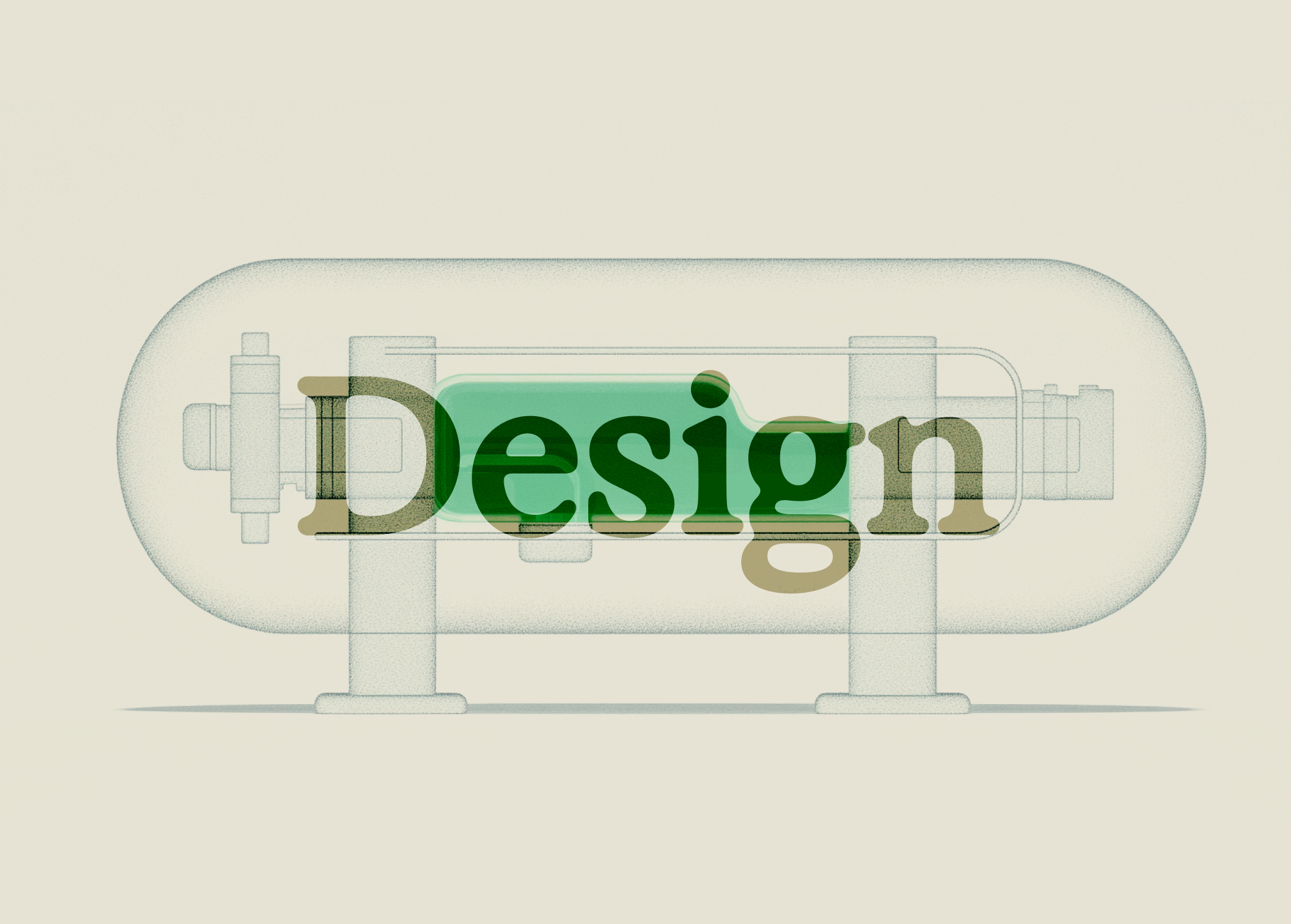
📣 : dih-za-yn
In context of our history as humans, design has always been a secret ingredient while we were evolving as humans. Today I will give you a peek into what the word ‘Design’ means and how it has achieved its significance throughout the world. If you are new to the world of design, this is a must read for you.
Design as a term might have got its significance recently but it has been here since the beginning of human race.
While the term ‘design’ has gained prominence in recent times, its roots trace back to the very origins of human civilization.
In his book On the Philosophy of Design, Vilem Flusser highlights that ‘design’ comes from the Latin word signum, meaning ‘sign,’ and shares an ancient linguistic lineage. He explores its etymology, breaking it down as ‘de-sign,’ questioning the meaning it holds in today’s context. Interestingly, in English, ‘design’ functions as both a noun and a verb—an uncommon and intriguing characteristic.
As a noun, design refers to an intention, plan, aim, scheme, or plot.
As a verb, it means to create, stimulate, draft, or strategize.
Most people perceive design primarily as an action, but its true essence lies in execution i.e the act of bringing ideas to life. While understanding its origins is fascinating, what truly intrigues me is how we define a designer today.
In the 21st century, as we navigate the rapid pace of technological evolution, designers play a pivotal role in shaping disruptive innovations.
Victor Papanek, in The Green Imperative: Ethics & Ecology in Design & Architecture, offers a profound perspective on what it means to be a designer today:
Designers attempt to satisfy real life longings through their work. In the broadest sense a designer is a human being attempting to walk the narrow bridge between order and chaos, freedom and nihilism, between past achievements and future possibilities.
This resonates with me deeply, as it defines design as a constant pursuit of balance, clarity, and problem-solving.
Today, design has become a cornerstone of business and technology, playing a crucial role in turning creative visions into reality. Looking ahead, as Web3, AI and emerging technologies evolve, the role of designers will continue to shift at a rapid pace.
The very definition of design will expand beyond aesthetics as it will serve as a tool to shape experiences, solve complex problems, and craft the habits of the future.
Design is, and always has been, an invisible force driving human progress.
I mentor career switchers who want to:
Turn their unique background into a real design advantage
Build case studies that prove problem-solving skills, not just aesthetics
Navigate stakeholder expectations without losing a user centric approach.
No sugarcoating. No shortcuts. If you're ready to put in the work, reach out.
Comments
Nothing yet. Say the first thing.
Sign in to join the conversation.