
When you’re considering a screenplay and making a shotlist, there are simply so. MANY. scene transition possibilities.
Though the basics are limited — sharp cut to the next scene, cut to black, crossfade — elements of both scenes on either side of the transition and additional sound and colour techniques make the combinations seem endless.


You can cut from a wide to a closeup, or the other way around; you can J-cut, or its reverse the L-cut; you can match cut; you can fade out and then smash in, or smash out and fade in; you can go from dark to light, or light to dark; you can mix and match multiple elements of some of these; some transitions may be so ‘invisible’ you don’t immediately realise scenes have switched.
This is an ongoing series looking at (some of) the infinite ways to transition between one scene and another.
Match Cut Around A Character, with Stark Changes
Some match cuts change everything in the frame — like one of the most famous cuts from Lawrence of Arabia, which cuts to insinuate a match and the sun are the same.
But all these match cuts keep one central character (or in one case, a body part) the same, while changing everything [or almost] around that element, in order to make a specific statement.
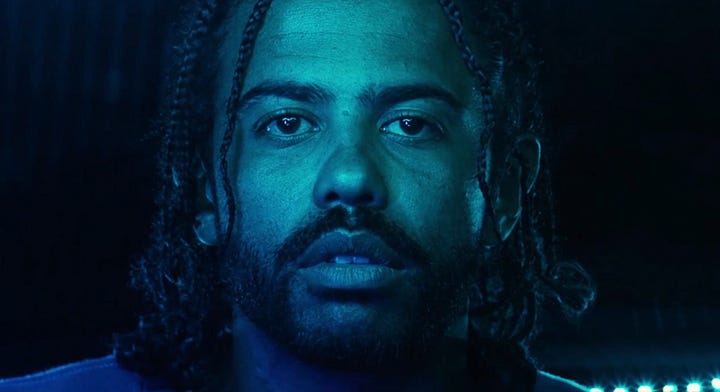
This transition makes immediately clear a lot of time has passed:
It’s the same character in the same pose on either side of the cut, but everything else changes: lighting, colour, hair, wardrobe, background, audio.
With such significant changes, we know we’ve jumped quite a bit of time and place even before the next shot gives us the specific details via words on screen:

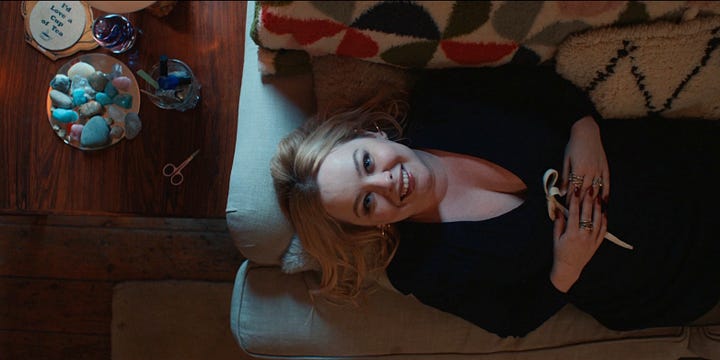
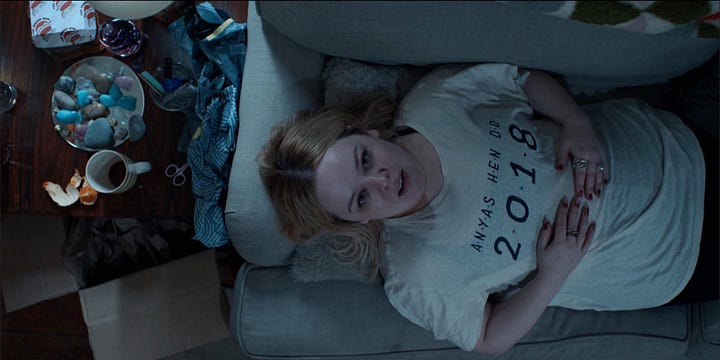
Similar-yet-different to Blindspotting, Big Mood also changes wardrobe, hair, props, and lighting, however it remains in the exact same location.
That one difference makes an entirely different point; the change is not circumstances, time, or place, but Maggie (Nicola Coughlan) herself.
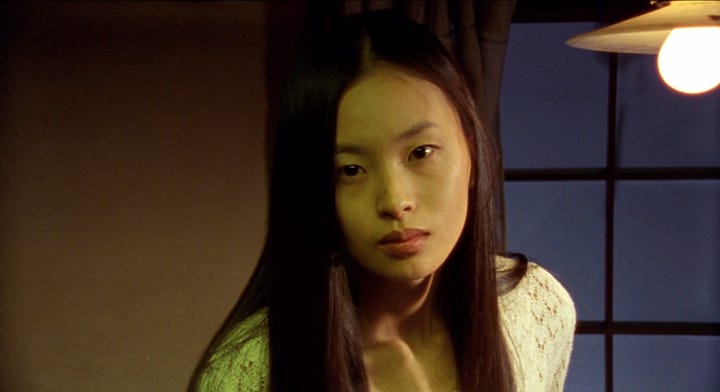
This one actually, technically, changes everything; the hand in Scene A belongs to a different person than the hand in Scene B.
But because we’ve seen the motion once already at the top of the scene, and the hands are held the exact same way, moving the same place in frame, performing the same action of ‘pushing something,’ they’re intended to compare/contrast the two different characters, in their very different settings, and connect their actions.
We went (very) deep on the scenes around this cut, but the gist is, though the motion and action compare the two characters, it’s because another character is confusing and conflating them both.

Comments
Nothing yet. Say the first thing.
Sign in to join the conversation.