
Will Cordeiro is this month’s winner of $675.00 for a story on understanding one’s environment.
Bio: Will Cordeiro is the author of Trap Street and Whispering Gallery and coauthor of Experimental Writing: A Writer’s Guide and Anthology and, forthcoming, New Foundations of Creative Writing. Will coedits the Eggtooth Editions and lives in Guadalajara, Mexico.
His published book can be purchased here: Whispering Gallery
Without further ado, “Monuments” by Will Cordeiro.
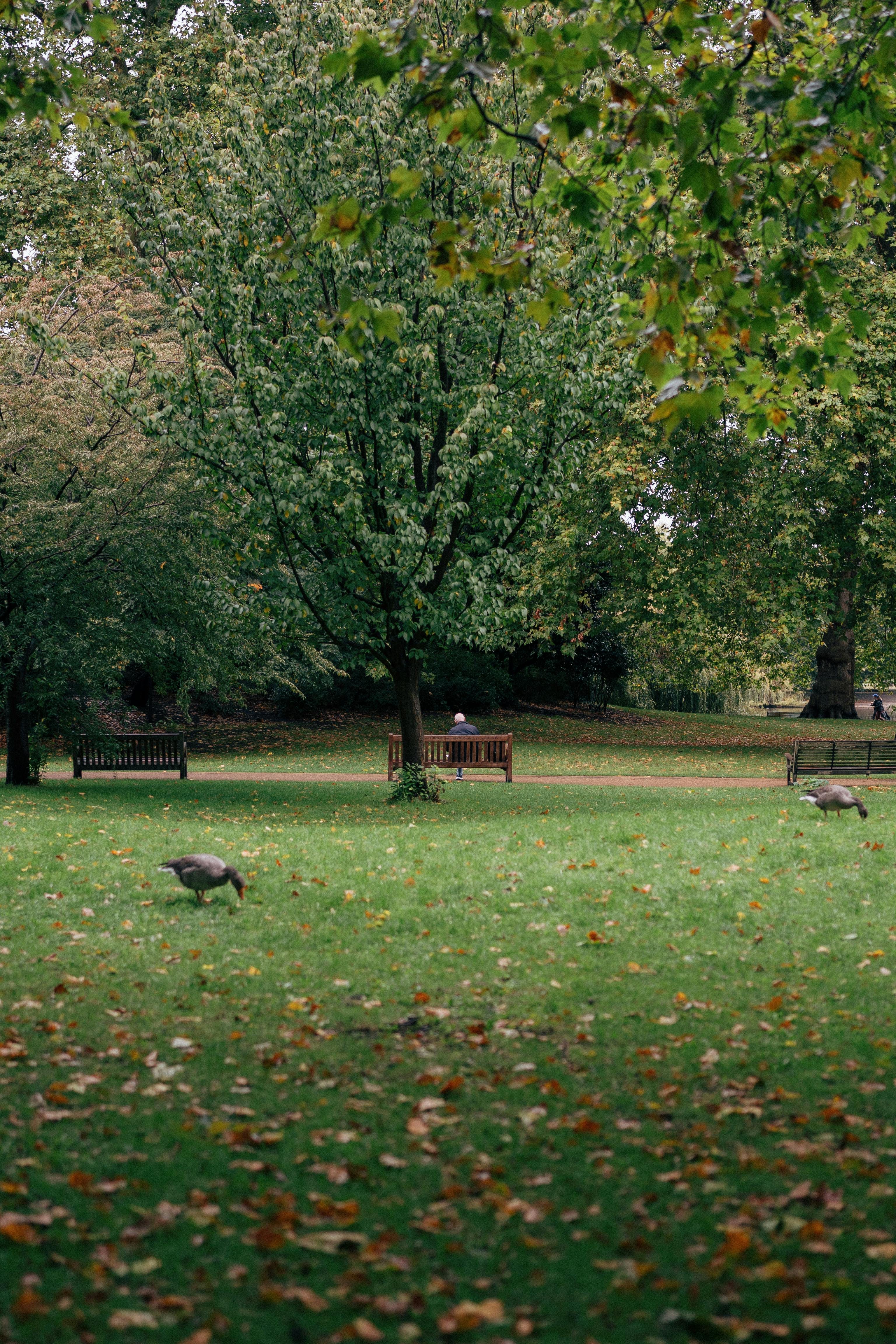
I’d taken to the habit of strolling the park on my lunchbreak. The paths were tidy, the grass well kempt, the benches maintained in good working order. A duck pond in the middle glittered with a few toy sailboats and waterfowl. The park formed a pleasant idyll, a point of pride for our little city.
Yet the monuments scattered throughout—cracked, defaced, weatherworn—stared with glum, bovine expressions, a few pouting or scowling: a dismal stolidity, frozen in absurd gestures, from pedestals that, more often than not, had been inscribed with Latin insignia, as if expressly for professors and pedants. These fulsome ogres, each one barely distinguishable, stood aloof and heavy-lidded, almost as if they had been wrought from certain malodorous cheeses. Their marble was the very opposite of music.
One might surmise the purpose of such insufferable cenotaphs was not to observe any great hero or event, but rather to clear the altogether overcrowded space of history—for no one ever gazed at these boorish lumps; they induced a forgetfulness in the citizens so that the citizens were free to lounge on the grassy slopes in venial innocence and ease. Anyone who chanced to pass an aimless glance their way was met by granitic eyes as vacant as one’s own.
Only I noticed, and this for many consecutive days, another who examined the monuments as well, a thin man who doddered along in disheveled second-hand finery. Though he surveyed all the monuments, he took particular interest in a bust of an obscure poet. He scrunched his face, peering up and tracing a trembling, liver-spotted hand along the words on its base. He would do this every afternoon, as if the poet’s line renewed itself each day, or (more likely) the line had lapsed in his memory each night.
I began taking notes of the man’s actions. It chanced that we strolled nearly side by side one day as he approached his favored statue. I stopped alongside him. He rubbed a slow finger along the impression of letters. It struck me that possibly this was his method of reading since, for all I knew, he might be blind. At any rate, he decidedly did not observe my looming presence behind him, blocking his light, intent on deciphering his strange actions.
At this point, growing bored of the man’s interminable scansion, I myself scrutinized the statue more closely: sunken cheeks, a Roman nose, a bulbous cranium crowned with a wreath of balding hair. A sad and inward-looking gaze. When the man turned around again after his ritual, I stood astonished by how much he resembled the weather-beaten cast of this unremembered poet. Nonetheless, I knew for a fact that the park memorialized only personages who had been confirmed as dead. This rule held steadfast, certain. Still, something disturbing lingered in the likeness.
I shadowed the man down the path until he took a sharp turn. He vanished in the hedges. I jotted down this fact in my notebook.
Maybe the thin old man was the poet’s twin brother; or the man had idolized the poet until a change overcame his visage (as masters are said to resemble their dogs); maybe age and long study so alter the features that they make men invariably equivalent as they neared the grave; or, who knows, perhaps my own morbid fancy colored the stony frown until it smacked of the old man’s lachrymosity. If anything, the hewn block looked fresher and livelier than its human impersonator.
The next day, I got to the park early. I would confront the thin old man about his idol. Who was he, this poet? What does he mean to you? Why do you come here every day fingering his verse?
Yet, when I arrived, a small demolition crew was busy pulverizing the memorial bust. One pudgy guy in wraparound shades ate a ham sandwich while the fatter one jackhammered hunks of rubble at the base into a cloud of dust.
“Wha-what are you doing? Is this a mistake?”
The one at work hadn’t heard anything due to the noise; he looked up and turned off the jackhammer macerating the debris. The other one took a bite of his sandwich, saying, “Hey, bud. You mind? We gotta job to do.”
Comments
Nothing yet. Say the first thing.
Sign in to join the conversation.