
Hi friend,
Before we get into the wide open pastures and the nitty-gritty of today’s theme (people are not concepts!) I want to send some flares into the sky to alert you to some immediate going-ons.
This Monday December 15th Angel and I will be at the Guggenheim reading in their month-long series “This is Not a Poem,” a celebration that poetry exists in all we do. Come say hi!
January In Surreal Life registration has begun and is already nearly filled. Perhaps that’s because of the singular community we’re going to build together. Perhaps it’s because of the juicy daily prompts that alums continue to email me about (for real!) months after last session. Perhaps it’s because this season we have the incredible Clint Smith, Molly Pershin Raynor and Cameron Awkward-Rich joining in as Visiting Artists. Or maybe all of the above.
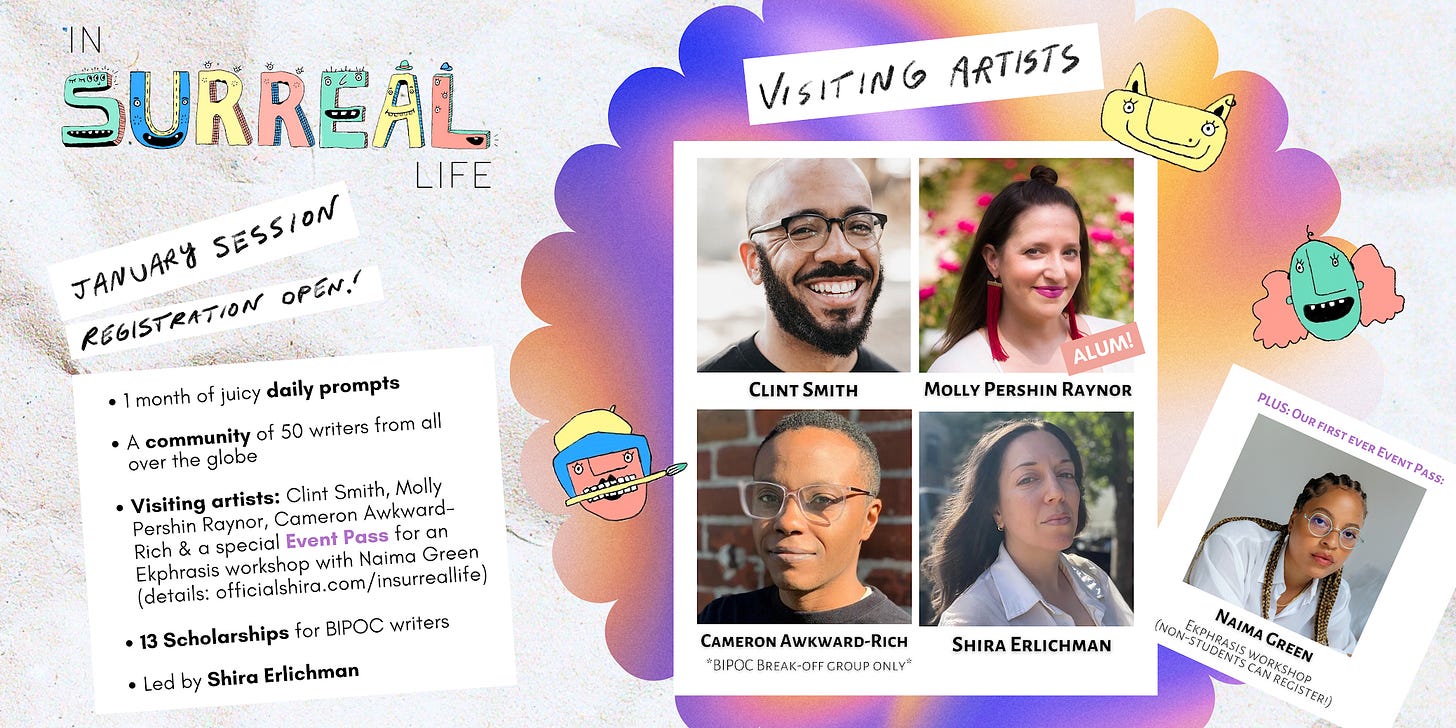
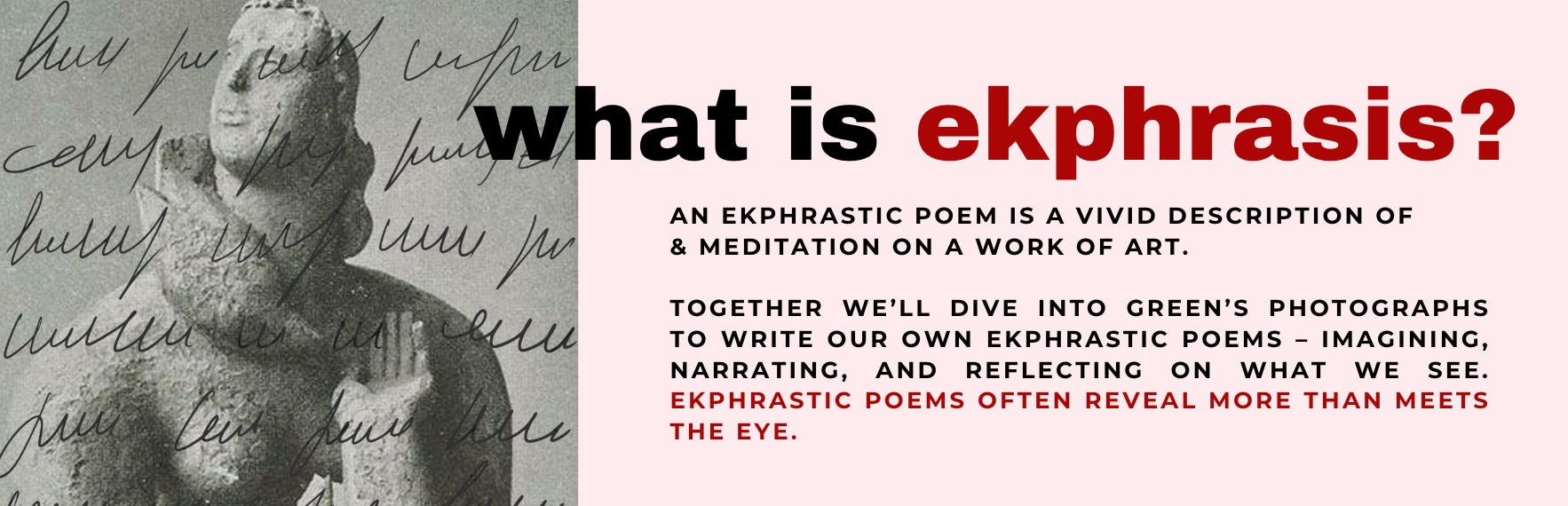
Many of you know that our ISL Visiting Artist calls are only available to enrolled ISL participants but for the first time ever we’re opening up an exclusive Visiting Artist call to the public with the one and only Naima Green! This means that even if you don’t sign up for ISL this January, you can get a taste of what we’re up to by enrolling in Naima’s exclusive ekphrasis workshop.”
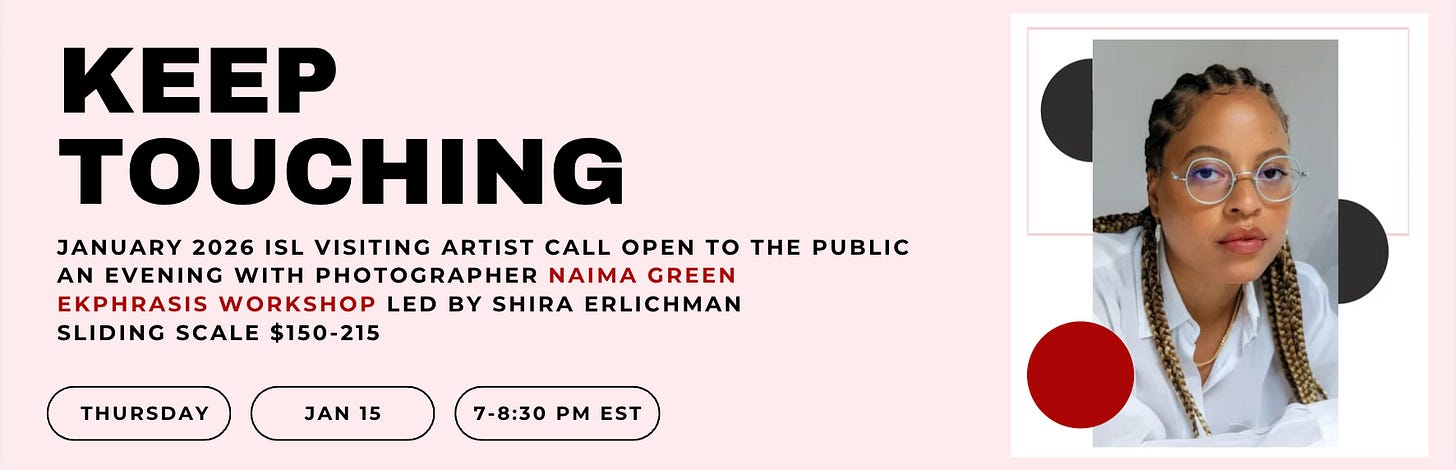

Please help spread the word about In Surreal Life and Naima’s special visit to the writers, dreamers, and makers in your life – word of mouth is how our small but mighty program thrives.
Now how about some smaller flares? I’ve been listening to Russ Hudson’s The Enneagram: Nine Gateways to Presence and have been loving the reframe away from the Enneagram simply being a “personality assessment.” Instead, the series is focused on using the Enneagram as a way to notice what takes you away from presence and what can bring you back to presence, no matter your type. I’m finding his teaching style deeply grounding. Speaking of grounding, I’ve been turning to Mon Rovîa while I cook or take long walks. Have you listened yet? Total nervous system reset.
Last flare: if you’re in the city and haven’t checked out Jennifer Packer’s exhibition “Dead Letter” yet, run don’t walk - it closes on December 20th. I was transfixed.
Now where were we? Oh yes. People are not concepts. Shira, what are you talking about? Well, you see, dear reader, a few weeks ago I had a dream.
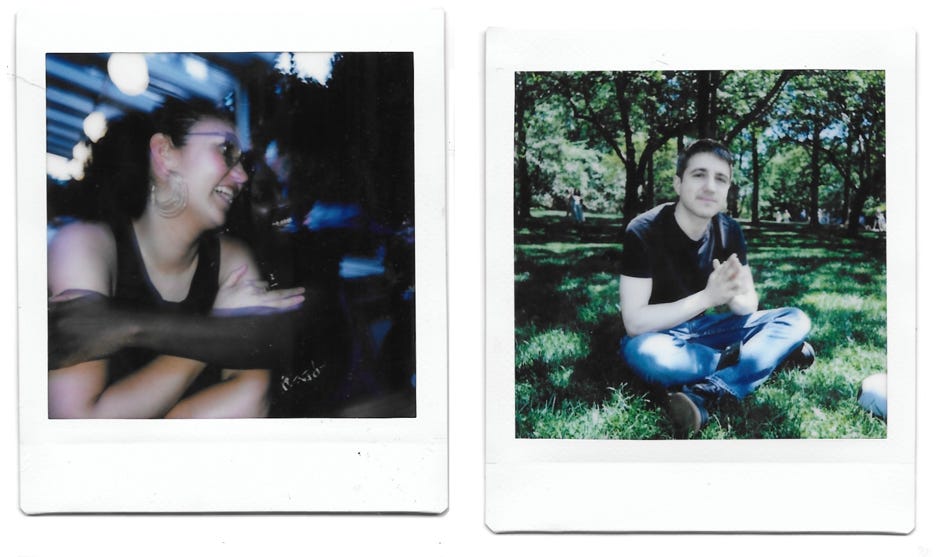
In the dream I was in my living room with someone I love. They kept pulling up charts referring to me, confidently pointing to graphs and personality test results as a way to prove something about me. I kept shouting in defense of myself, “I am not conceptual!”
My dream reflects some thing I’ve been grappling with in my waking hours: What does it take to really see and be seen?
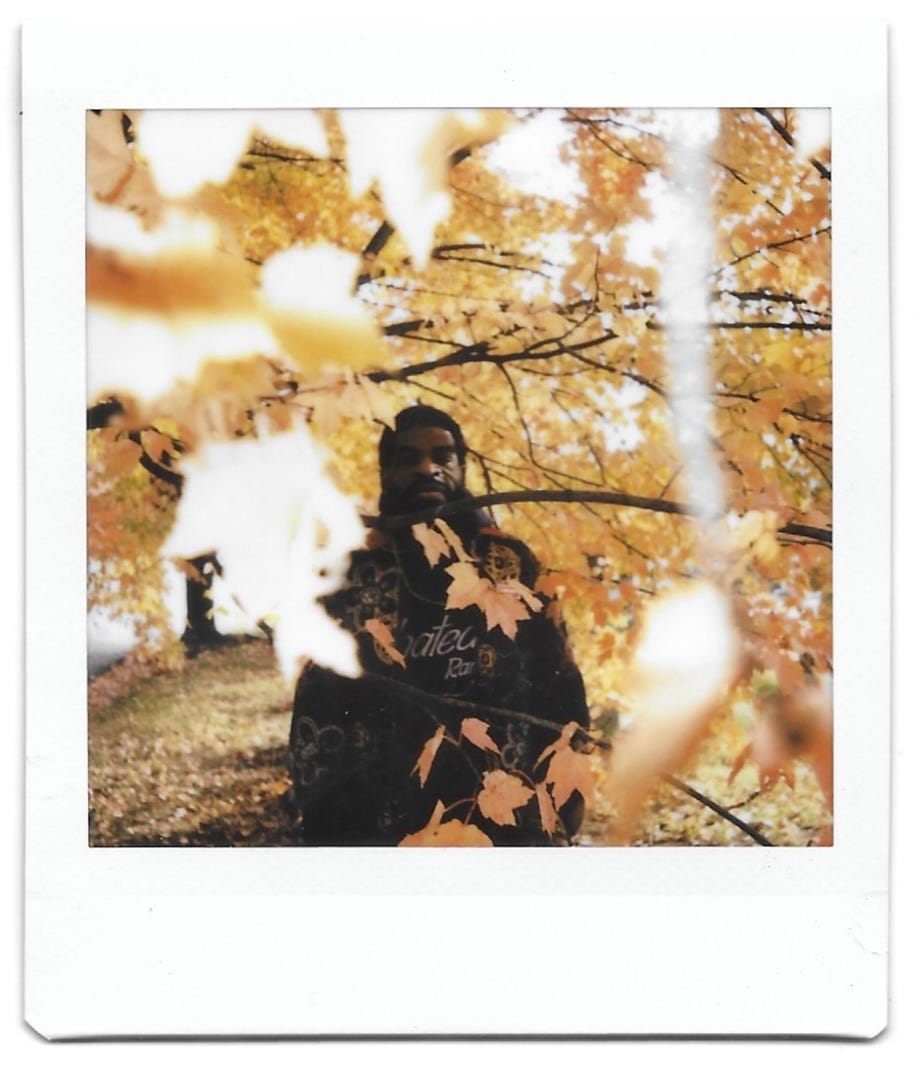
Of course people aren’t conceptual. Duh. I can hear a snarky audience member in the back say to their neighbor. But is it so obvious? Our busy, survival-based minds put so many roadblocks in the way of real contact with the world. In other words, I am also the beloved in my dream: I put up charts and graphs and try to assess those around me, too. My brain is just another brain all juiced up on quantifying risk. And yes, other people are risky. Those shifting, unpredictable, unpinnable creatures.
I think of the quote often attributed to Rumi, but I believe comes from A Course in Miracles: “Your task is not to seek for love, but merely to seek and find all the barriers within yourself that you have built against it.” The implication is that to see others properly (and I use see interchangeably with love here) we are required to remove these barriers - our misconceptions, prejudices, idealizations, and projections.
When I was shouting at a beloved in my dream, something at my core was rising in defense of my self. I felt that this person’s many elaborate tools were getting in the way of loving me. That hurts. To not be seen, or to be misperceived, is powerful. For many, depending on their identities, to be misperceived can be lethal.
Thus, opening to love and loving properly are no small tasks, no saccharine or cute initiative. Writers across time have taken this initiative quite seriously. Rainer Maria Rilke famously wrote, “For one human being to love another: that is perhaps the most difficult of all our tasks, the ultimate, the last test and proof, the work for which all other work is but preparation.”
I mean, can you imagine what the world would be like if this truth was held constantly at center? If we held sacred that human life is not conceptual, would it be possible to bomb a whole population? Would the word “casualty” be evicted from speech - since no human could ever be demoted from humanness based just on their proximity to danger? Would only the word person suffice, repeated on the news: “There were no casualties. This happened to people.” In this new world, there is no concept that could wring blood from blood. We are, all of us, real.
Imagine: an evolutionary leap occurs in our brains that rewires us toward sensorial, synaptic, full-bodied understanding that a person is not a concept, but a wild landscape of needs, wants, memories, and dreams. Sadly, we are not there yet. But language is one way to get there. How many human rights movements in the past have placed this reorienting principle at the forefront - think “I AM A MAN” of the 1960s, think “Black Lives Matter” and “Say Her Name” of the 2020s, think of Palestinians today who, against the conceptualizing maneuvers of media, verbalize explicitly that they are not numbers, against erasure and dehumanization. In the words of poet Hala Alyan, “That number isn’t a number. That number is a first word, a nickname, a birthday song in June.”
But we can’t ever rid ourselves of biases! Shouts that audience member in the back. And they’re correct. The point of this isn’t to rid ourselves of these impulses; we’re bound to project and distort. To try and see another properly is an outrageous and divine demand because it naturally comes with stumbling. With fumbling, with being foiled and triggered, and even abandoned in the midst of it all. To love is to risk. But, can we become more proficient riskers? For starters, can we learn how to not further distort our seeing by categorizing what we see into two poles: dehumanization or idealization?
When it comes to idealization, that almost child-like thing we all do, I carry an Anaïs Nin quote with me:
Oh, the relief. To love and be loved, flaws involved. In my dream, I am asking for this. I am asking to be seen and held without diminishment or embellishment. And I think we are all asking for this. We walk through the world strapped with projections, some of us more than others, but all of us to some extent. When I closed out 11 years with the same therapist this past week a major point of gratitude for me was her allowance of messiness, both in herself and in me. What I had tried to keep at bay all my life (that others messiness would contaminate me, ruin our bond, create too much disappointment to bear) was not only permitted between C and me, it was invited.
Sometimes messiness meant not categorizing. Not diagnosing. Not trying to pin down answers. Often messiness meant holding ambiguity. And this is no easy task. It requires practice.
With my therapist, I was able to find trust in the perfection of imperfect relating when infused with love, patience, and listening. I can feel it now, while writing to you, reader. That so much of conceptualizing others has to do with our fear of messiness. When we can safely hold our own messiness, and then the messiness of another human being, the stoic statues crumble, the myths along with it. And inside that relating, oh, the relaxation. The bone-deep relief.

On his death bed in 1806, the last thing the Zen poet Chogo said was this short poem:
I long for people—
then again I loathe them:
end of autumn.
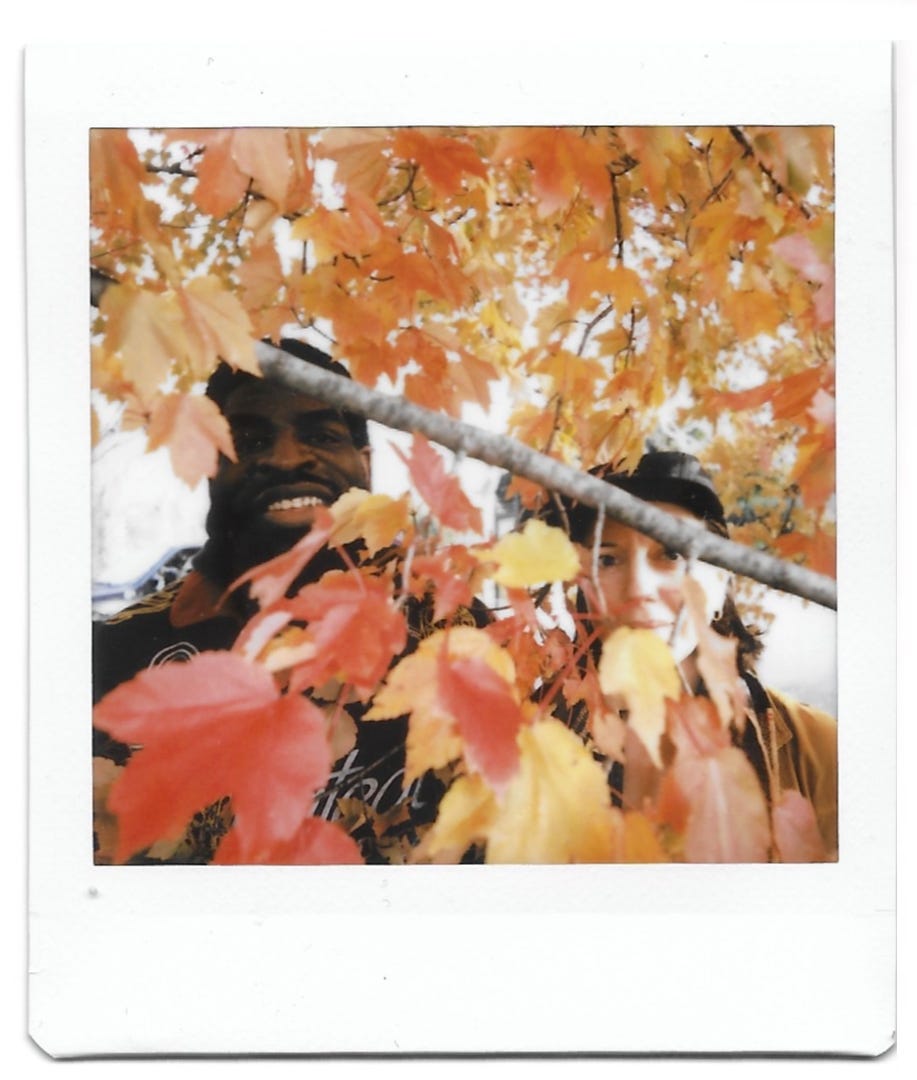
I find this final admission funny and so human. I look to Chogo’s example. It’s not about pretending! You can long! You can loathe! Invite the whole enchilada of human experience in! Admit it! Honesty clears the way for love.
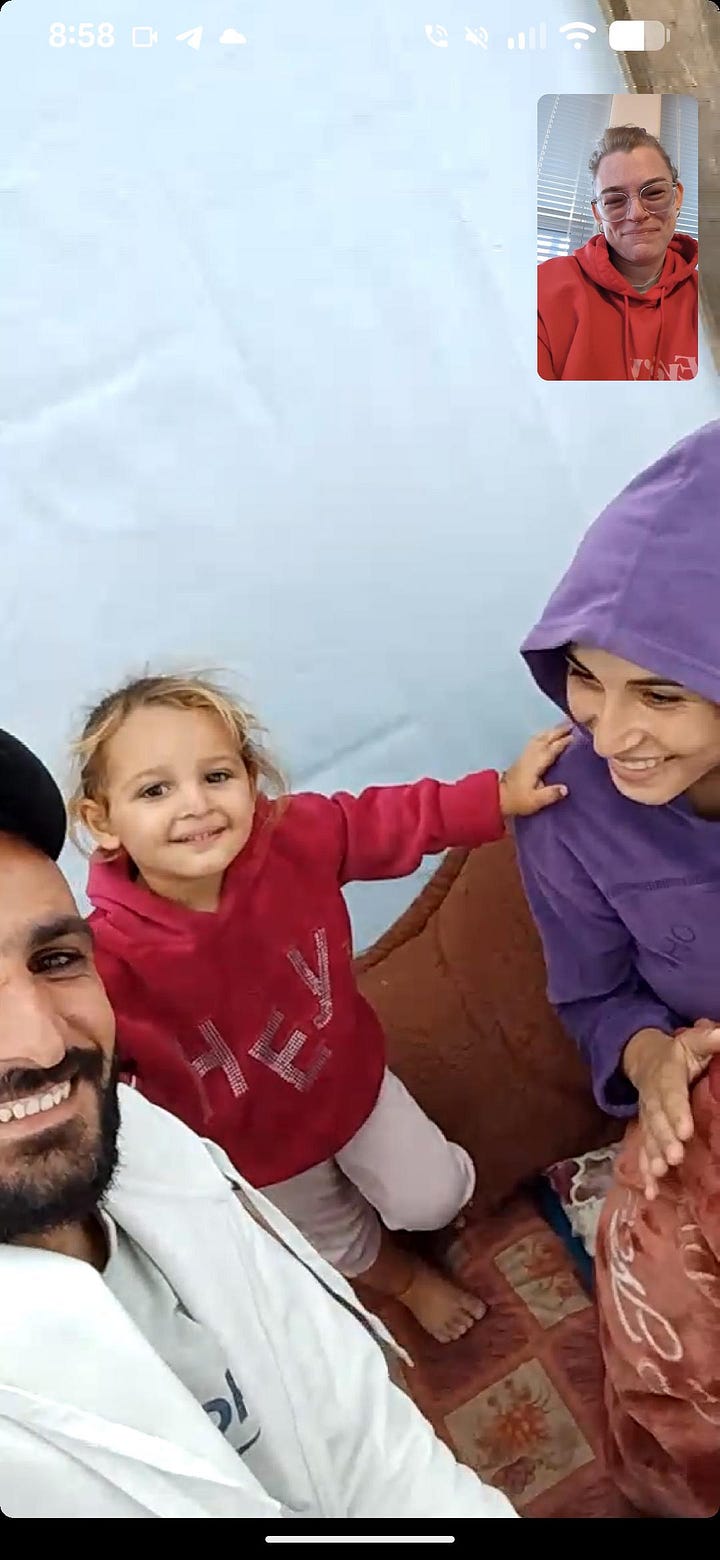
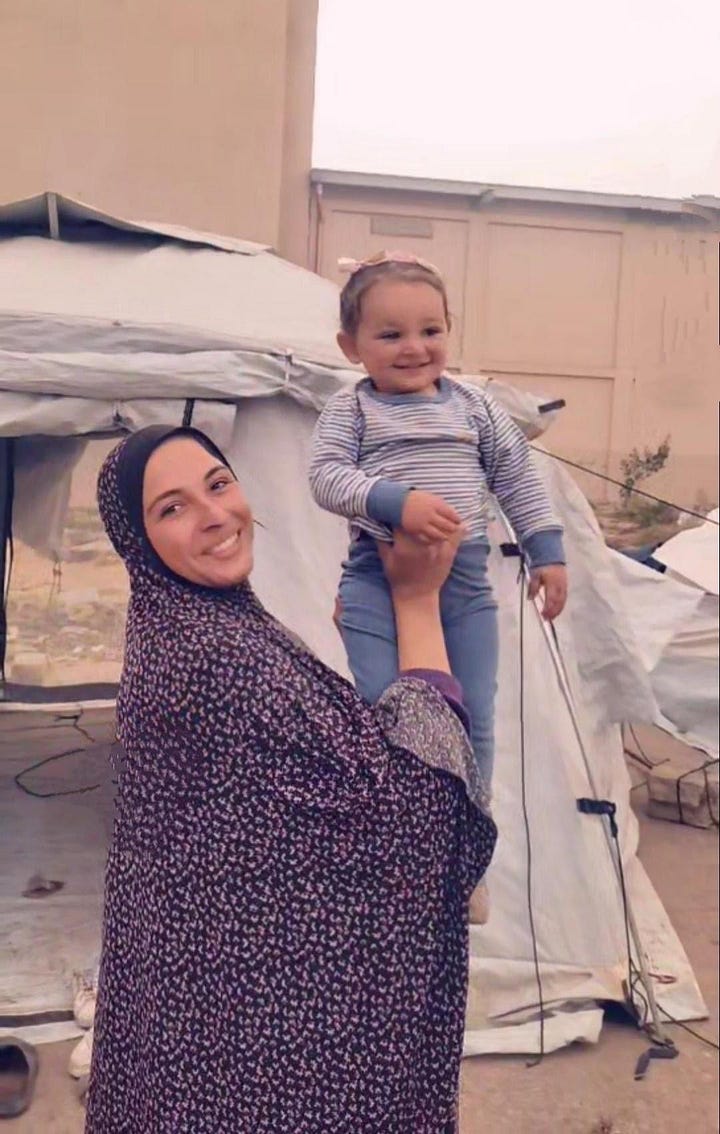
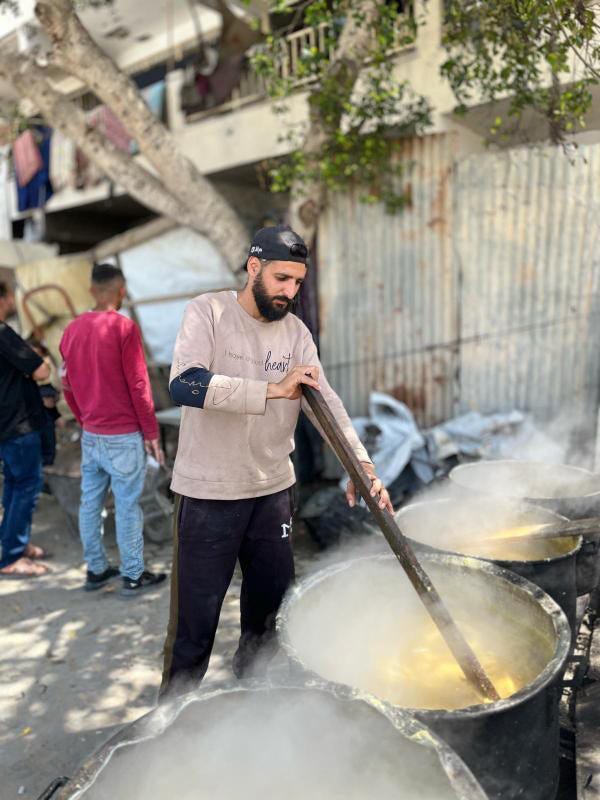
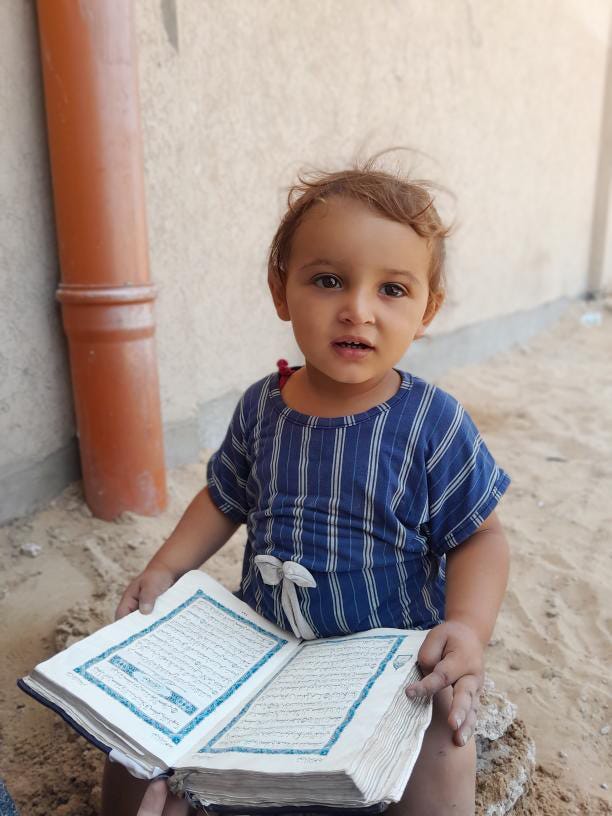
As some of you know, my friend Isabel has been working relentlessly for years with a dozen families in Gaza to raise funds for their daily lives in the face of genocide. The holidays tend to be a particularly difficult time to do so. Today, please consider spending some time with these photographs of Muhammad, Farah, and Liya. What does it feel like to unblock the way, to really see these bright faces, feeling into the reality of the clothes and the smiles, the book and the steam?
Please consider donating to Muhammad, Farah, and Liya who just welcomed a brand new member of the family, Moses, on November 16th! Isabel writes, “They are extremely vulnerable right now. Farah needs postpartum supplies. They need milk, diapers, food. Winter has arrived and they need blankets, warm clothes, and shoes. They live in a tent that is barely holding together after 2 years.” They are fighting every day to survive this genocide. If you do donate and feel like writing a word of encouragement below in the comments, I’ll make sure that Muhammad, Farah, and Liya see your words.
Thank you for being here. For reading along, for feeling, for unblocking, for kissing the world with your eyes.
May we keep leaning in to each other, continuing the messy work of loving each other ripe.
May we take an extra second to study each other’s faces, to hold in seriousness each other’s hearts.
May we “unfold where we are folded” as Rilke suggests. So that the lie unfolds. So we may see the places truth has creased due to rigidity and fear.
May we view generosity as true abundance. May we give ourselves and others our light, our words of encouragement, that bone-deep nourishment.
Oh, and stumbling as we do so. Oh, imperfect as we do so. It’s okay. May we remind ourselves. Keep going. Love is the path itself.
With maple syrup,
Comments
Nothing yet. Say the first thing.
Sign in to join the conversation.