
I’ve been thinking about point of view lately.
People ask about it more than they used to.
How do you find your voice?
How do you develop a point of view?
How do you create something original?
For years, I thought those were questions about ideas.
Now I think they’re questions about living.
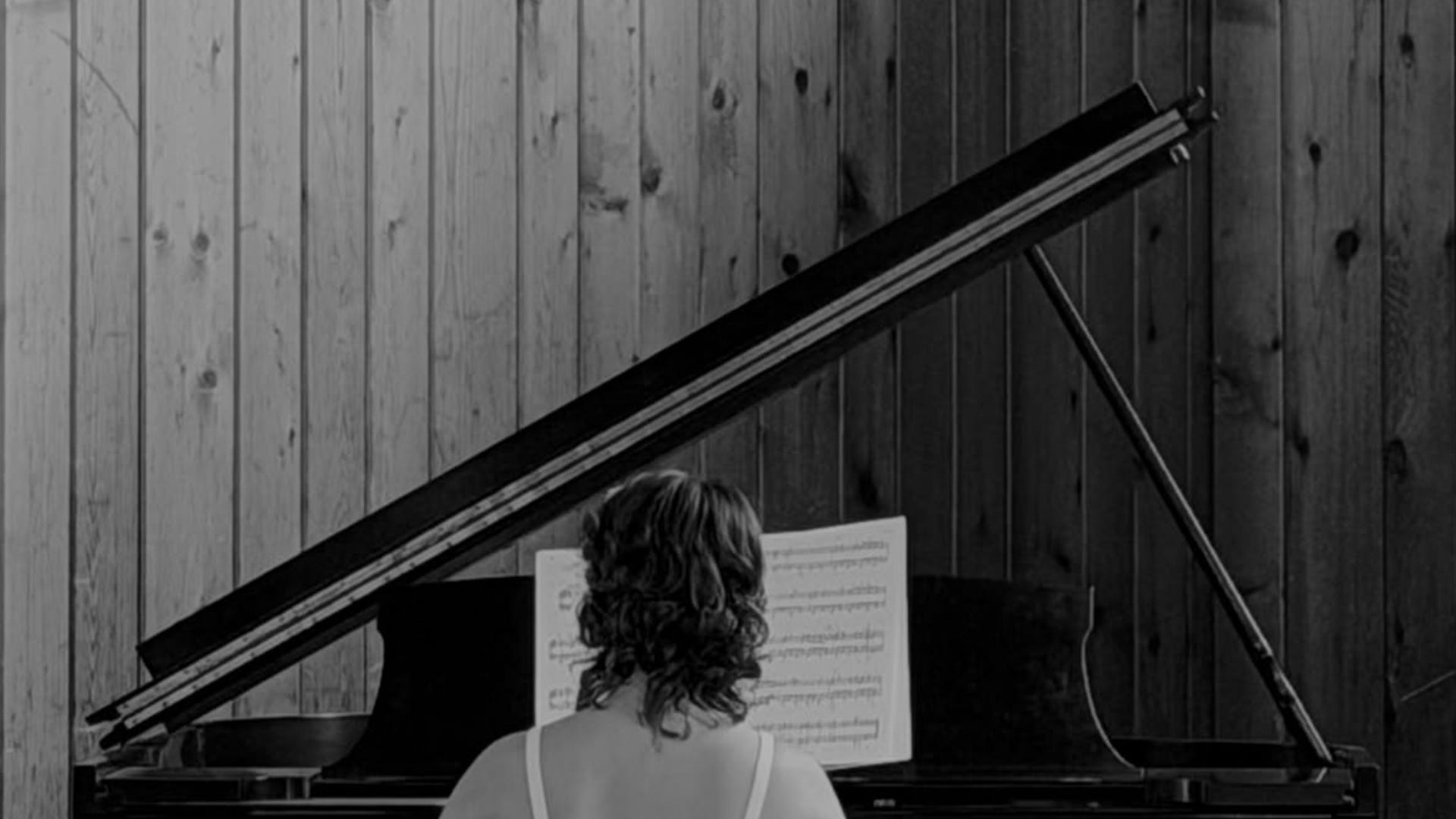
Last weekend I watched my daughter perform at her piano recital.
She wasn’t playing music she had written.
She was interpreting someone else’s.
The notes had already been composed.
Thousands of people have played that same piece before her.
Yet somehow...
It still felt uniquely hers.
She lingered on certain phrases.
Rushed others.
Smiled when she finished.
Nothing on the sheet music explained any of that.
I’ve thought about it every day since.
The notes weren’t hers.
The performance was.
Maybe that’s what style is.
Not inventing something from nothing.
Bringing yourself to something that already exists.
The more I sat with that thought, the more I realised it reaches far beyond music.
Two chefs can cook the same recipe.
Two photographers can stand in exactly the same place.
Two writers can begin with exactly the same prompt.
The difference isn’t information.
It’s interpretation.
And interpretation comes from somewhere.
Not from intelligence alone.
From experience.
From travelling somewhere that changes you.
From falling in love.
From losing someone.
From standing in front of a painting until everyone else has moved on.
From changing your mind.
Those moments don’t arrive announcing their importance.
But years later, you discover they’ve quietly rearranged the way you see the world.
Perhaps that’s all a point of view really is.
A lifetime of experiences...
Slowly becoming instinct.
I’ve always thought of myself as a practitioner more than a theorist.
I’ve learned more by making than by reading about making.
Every project leaves something behind.
Every conversation changes a sentence I’ll write later.
Every mistake sharpens a judgment I didn’t know I was developing.
Practice doesn’t just improve your work.
It changes the person doing the work.
Your point of view isn’t something you invent.
It’s something you accumulate.
Which brings me to artificial intelligence.
I’ve spent a lot of time talking about AI over the past few weeks.
Some people find it exciting.
Others find it unsettling.
Watching those reactions has been fascinating.
Because I don’t think we’re really arguing about technology.
We’re arguing about where creativity comes from.
AI can generate ideas.
That isn’t the remarkable part anymore.
The remarkable part is what happens after the idea appears.
One person accepts the first answer.
Another asks a better question.
One finishes.
Another begins.
The tool may be shared.
The life behind it never is.
AI has read almost everything humanity has written.
But it has never watched a child walk onto a stage.
It has never wandered through a city with nowhere to be.
It has never stood in front of a Rothko until the room disappeared.
It has never had its heart broken.
Or fallen unexpectedly in love.
Those experiences don’t simply create memories.
They create perspective.
And perspective quietly shapes everything we make afterwards.
Experience is the only prompt no one else can copy.
Maybe that’s why I’m optimistic.
Not because AI will make us more creative.
But because it reminds us what creativity has always depended on.
Not information.
Not speed.
Not even ideas.
Attention.
Curiosity.
Practice.
A life fully lived.
Because in the end...
Your greatest creative advantage was never the prompt.
It was the person who arrived to write it.
Comments
Nothing yet. Say the first thing.
Sign in to join the conversation.