
Savvy gets a TEA Cup. The market gets a Mug. Here’s why.
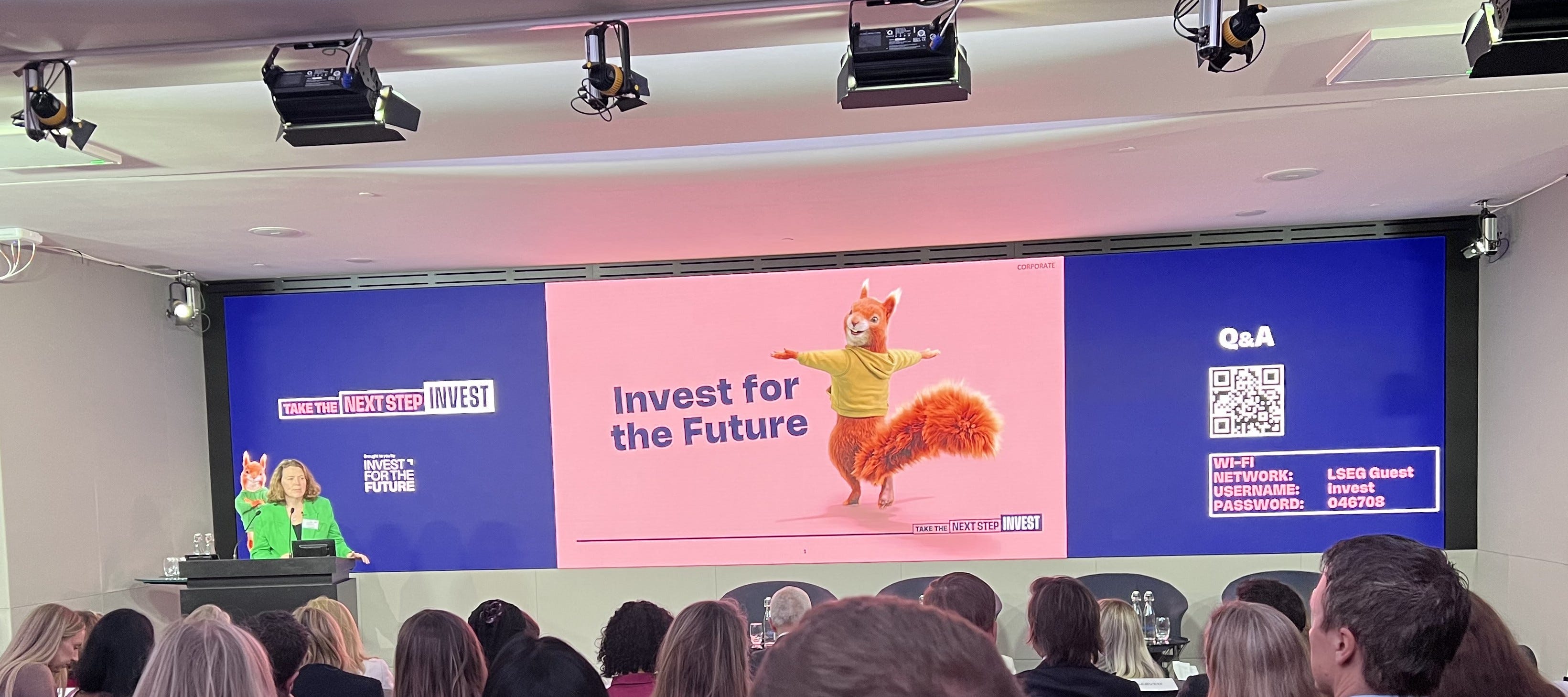
Donald Trump has returned to the White House, the FTSE still has a habit of looking like the world’s most sophisticated value trap, and the latest big idea to fix Britain’s investment culture is… a cartoon squirrel.
We have gone from “Tell Sid” to “Trust Savvy.” Same country, same problem, cuter mascot.
Four decades on from the privatisation era, the UK still doesn’t understand retail investors. And the new “Invest for the Future” campaign makes that uncomfortably clear—not because it fails, but because of what it reveals.
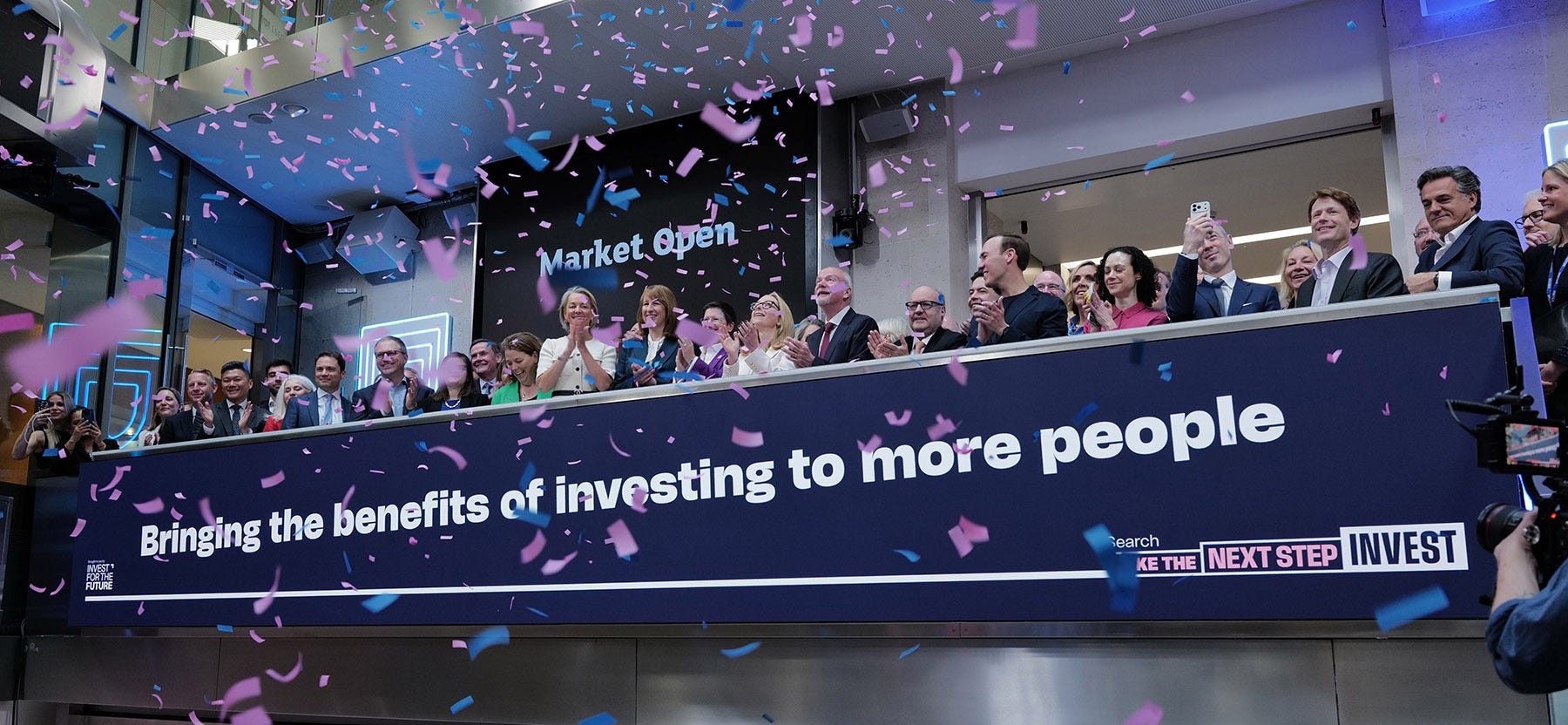
On the morning of 23 April, the London Stock Exchange did what it does best: theatre. The balcony was full, ministers and dignitaries played their part, and on the screens below, Savvy the red squirrel made his debut as the face of a “nationally significant” effort to turn savers into investors.
From the stage, the story was coherent. Retail share ownership has fallen from nearly a quarter of individuals in 2003 to around 11% today, the lowest in the G7. Some 15 million adults are said to hold roughly £610 billion in “excess” cash. Research suggests that while 44% of non‑investors want to learn more, fewer than a quarter feel investing is “for people like them.”
The diagnosis was repeated with confidence: this is not a problem of interest, but of confidence.
The solution, we were told, is a multi‑year campaign to normalise investing, spark conversation, and help people take the “next step when it’s right for them.”
There was a great deal of language about culture, behaviour and collaboration.
There was rather less about policy.
“Tell Sid” never pretended to be subtle. It was a sales pitch—political, commercial, and unapologetic—designed to shift ownership of British Gas into the hands of the public at a defined price and moment in time.
“Invest for the Future” is its technocratic descendant.
The objective is unchanged: draw household capital into markets. But the tone has shifted:
Sid was a co‑conspirator in a national ownership drive.
Savvy is a reassuring guide, part mascot, part behavioural coach.
The modern framing—financial wellbeing, behavioural science, inclusivity—is more sophisticated. But beneath it sits a familiar ambition: to redirect idle cash into the listed and managed products that sustain the system.
Sid sold a specific privatisation in a Thatcher‑era ownership revolution; Savvy is being asked to sell confidence in a whole system that hasn’t fully earned it.
That ambition is not unreasonable. The UK does need deeper pools of long‑term capital.
The question is whether messaging can solve what is, at root, a structural problem.
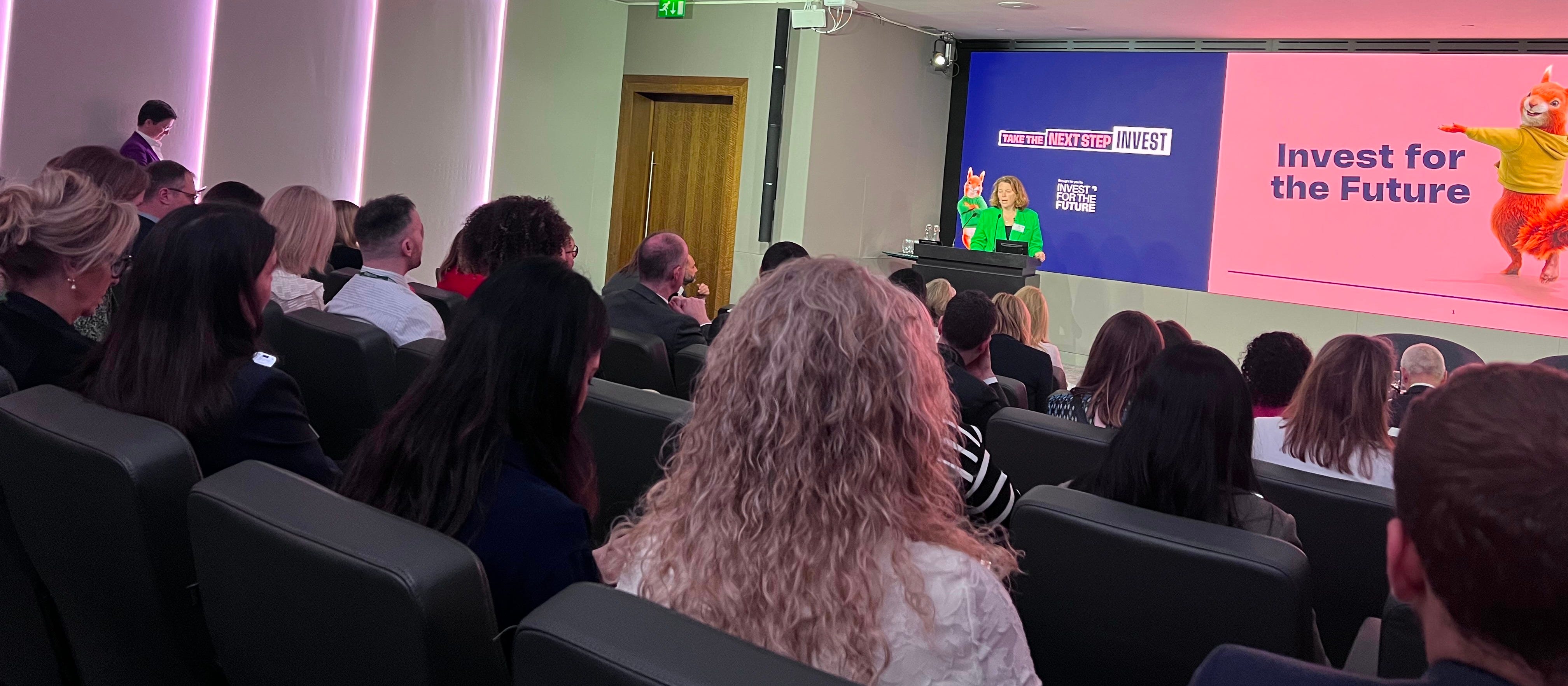
If you want to understand how a campaign is landing, ignore the speeches and read the questions.
During the launch, the audience submitted questions in real time. Taken together, they told a far more complex story than the one on stage. These were not planted prompts. They were genuine queries from people in the room.
Several interventions challenged the central premise that people simply “don’t invest”:
“Statistics show that younger generations particularly Gen Z are investing. They are just not investing in UK stocks!”
“Younger generations have the opposite problem. They think investing is boring and not risky enough! How will the campaign balance this disparity?”
“Sometimes it feels like we’ve jumped over conversations around investing in equities to conversations about crypto and NFTs becoming normalised. Is that good because people are engaged beyond cash or is it dangerous?”
This is not disengagement. It is displacement.
Retail investors are active, but they are voting—with their capital and their attention—away from the UK’s listed offer and into global ETFs, platform trading, and digital assets. The campaign is built around “how do we get them started?” when the more urgent question is “why are they already starting somewhere else?”
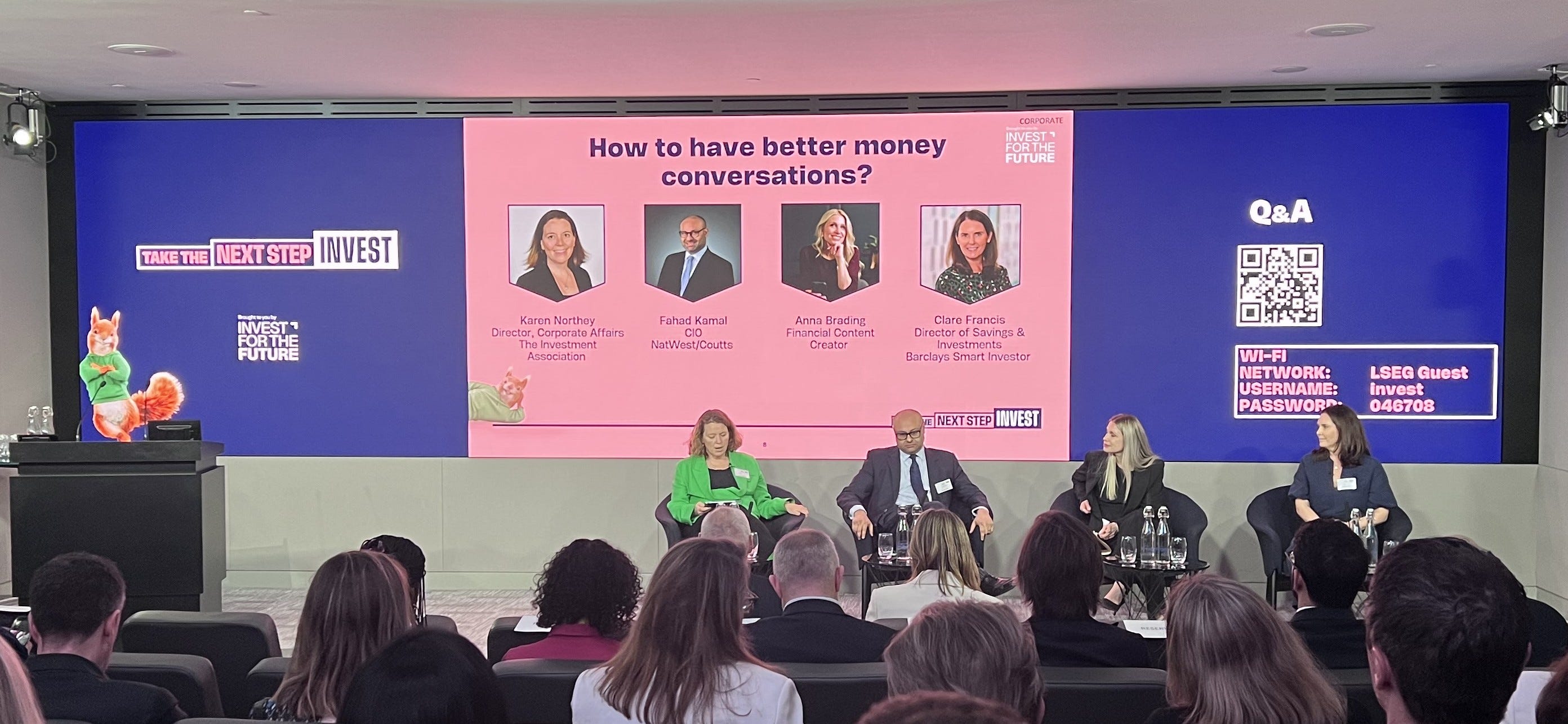
Other questions cut straight to fundamentals:
“There were only 23 IPOs in London in 2025, raising about £2.1 billion, versus 1,200‑plus IPOs worldwide raising around £127 billion. What impact do you believe the campaign will have on UK IPOs?”
“What part can the listed companies themselves have in educating the public on investing, benefits and risks?”
“Do you think people might be worried about tax implications of investing? How do we overcome that?”
These are not behavioural questions. They are structural ones.
They reflect an audience asking whether the market itself is compelling enough to justify participation, and whether tax, incentives and employer channels are being properly used—not just whether the messaging is friendly enough.
Questions around gender and representation were quietly pointed:
“Given far fewer women than men invest why is that squirrel a fella??? Isn’t one of the issues that all things investing are already very all male centric?”
When inclusion is a stated objective, symbolism matters. If the tone, language and imagery still feel familiar in the wrong way, participation will lag regardless of access.
There were also questions about 16–24 year‑olds facing soaring living costs, and about whether people even have the financial capacity to invest, or are simply being told they should. That is not a design tweak; it is a macro constraint.
Perhaps the most revealing theme was where investing now lives:
“Meeting them where they are: investing and trading is already viral but the discussions are happening in forums like Telegram, Discord servers and platform chats like Trading 212. What will you do to meet those people where they are?”
“What do you think the role of AI and Reddit has to play in the conversation? Most people use AI… And does the campaign do any work with AI?”
This is not a broadcast environment. It is decentralised, peer‑led, and constantly evolving.
The industry is not introducing people to investing. It is arriving late to a conversation already in progress, one that is happening in Telegram groups, Discord servers, finfluencer feeds, subreddit threads and AI prompts—not just on daytime radio and bus shelters.
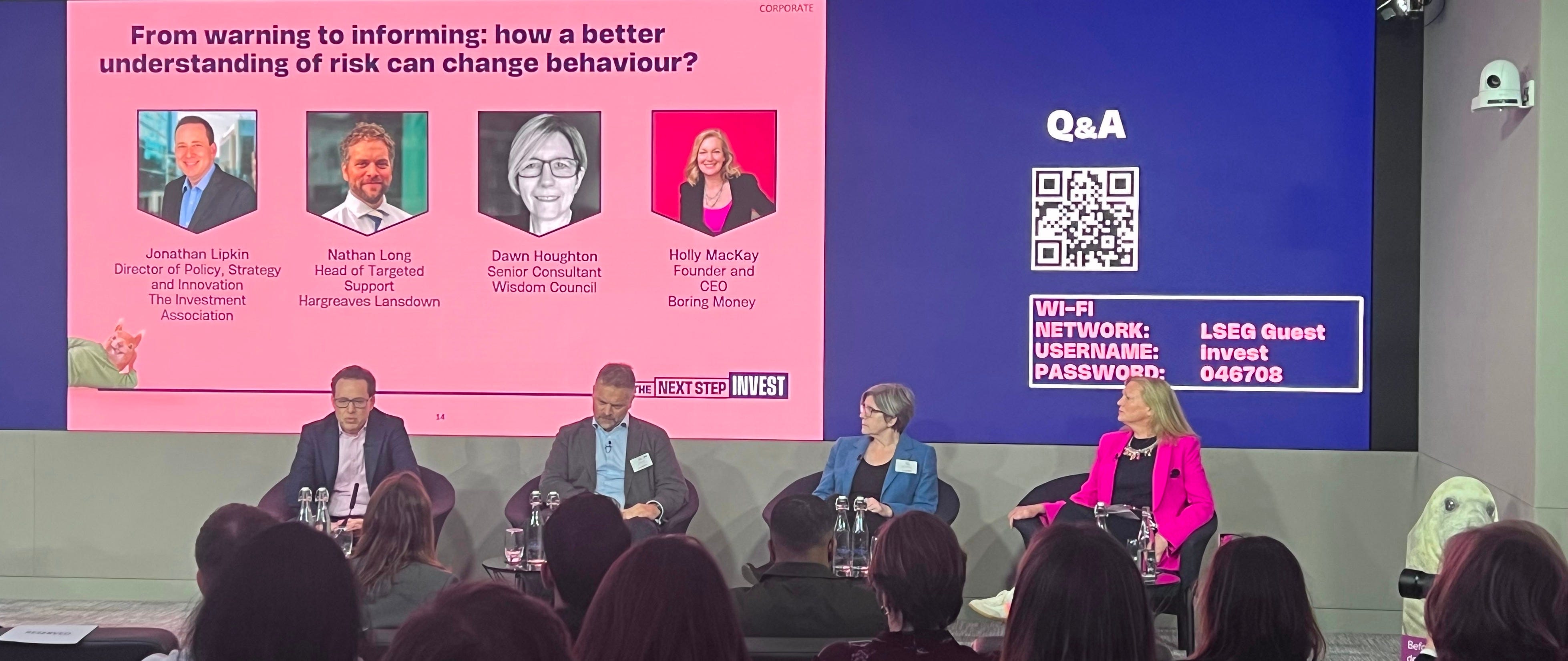
One of the more striking discussions focused on risk communication.
Current warnings—“capital at risk”—were criticised as overly blunt, potentially deterring engagement before it begins. Trials of more “balanced” messaging, highlighting long‑term benefits alongside risks, were said to increase account openings.
On one level, this is progress. Risk communication should be meaningful, not mechanical.
But the shift is not neutral.
Framing investing as something that is likely to work over time embeds an assumption about market behaviour and policy stability. If that assumption fails, the consequences will not be measured in conversion rates, but in trust.
At the same time, the same room acknowledged: scams, AI‑driven misinformation, and lingering scars from dot‑com and the global financial crisis. Those who have been burnt once are understandably wary of being told that “time in the market” will fix it all.
Savvy cannot resolve that tension alone.
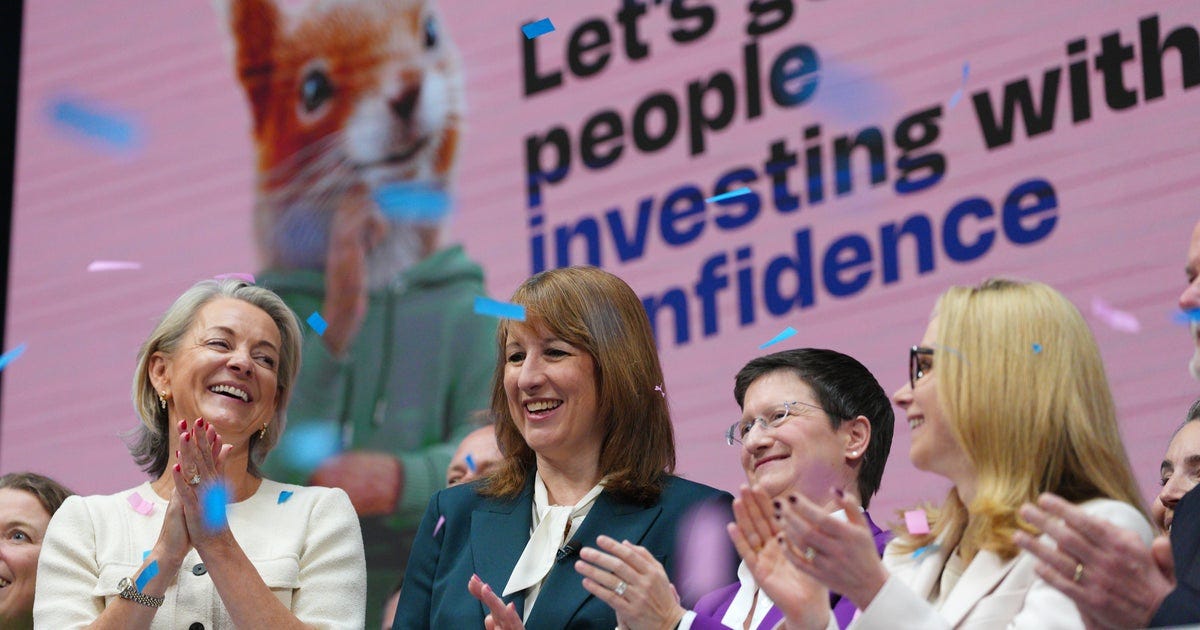
The campaign is explicitly framed as a long‑term behavioural shift.
That is sensible. People do not move from indifference to action overnight.
But behaviour sits downstream of structure.
You can guide people towards a bridge with confidence and clarity. If the bridge itself is unstable, the problem is not their hesitation.
Today’s UK retail landscape includes:
a tax regime that still taxes entry into domestic equities, including stamp duty on share purchases
public markets struggling to attract and retain growth companies, with London’s IPO pipeline thin by international standards
a history of mis‑selling and governance failures that has not been fully forgotten
Against that backdrop, choosing not to invest—or to invest elsewhere—can be entirely rational.
Until those conditions change, campaigns will be working against gravity.
If the ambition is to rebuild a durable retail investment culture, the sequence is clear: policy first, messaging second.
That means:
removing structural frictions such as stamp duty on share purchases
stabilising long‑term tax wrappers (ISAs, pensions) so people can plan on a 20‑year horizon
enforcing governance standards visibly and consistently, especially where retail is directly exposed
making UK‑listed equity attractive through competitiveness and growth, not persuasion alone
leveraging trusted channels such as workplaces and employee share schemes, where millions already have a stake without realising it
Only then can a national campaign accelerate behaviour, rather than attempt to substitute for it.
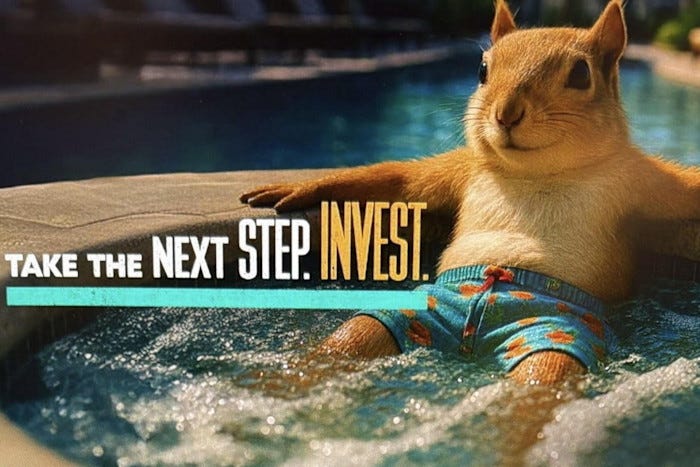
Savvy the Squirrel – for showing up
The campaign is bold in intent. Confidence has been missing, and attempting to reset the tone matters.
An honest diagnosis – for recognising the gap
Moving the conversation from “literacy” to “confidence” and explicitly acknowledging uneven participation is progress, even if it does not go far enough.
Industry coordination – for alignment
Bringing together government, regulators and market participants in a single, visible effort is overdue and necessary.
Misreading Gen Z – solving the wrong problem
Younger investors are not disengaged. They are simply choosing different markets and products.
Ignoring market structure – marketing over mechanics
IPO decline, liquidity and competitiveness cannot be addressed through messaging alone.
Top‑down messaging – still talking at, not with
The real conversation has moved to communities, platforms and peer networks. The industry is still speaking in broadcast mode.
None of this is to dismiss the effort. “Invest for the Future” is serious, coordinated and well‑intentioned.
But the asymmetry remains.
On stage, the story is of a nation waiting to be encouraged.
From the room, the story is of an audience already engaged—questioning relevance, structure and trust.
Sid had the clarity of a transaction. Savvy has the burden of a system.
He may yet help start a conversation. But until the UK fixes the market it is asking people to invest in, Savvy will remain what he is: a well‑produced symbol of a system still trying to market around its own shortcomings—and that’s why he gets a TEA Cup, while the market still deserves a Mug.
Comments
Nothing yet. Say the first thing.
Sign in to join the conversation.